Black holes may be stranger than we thought, researchers suggest
Scientists may need to rethink black holes
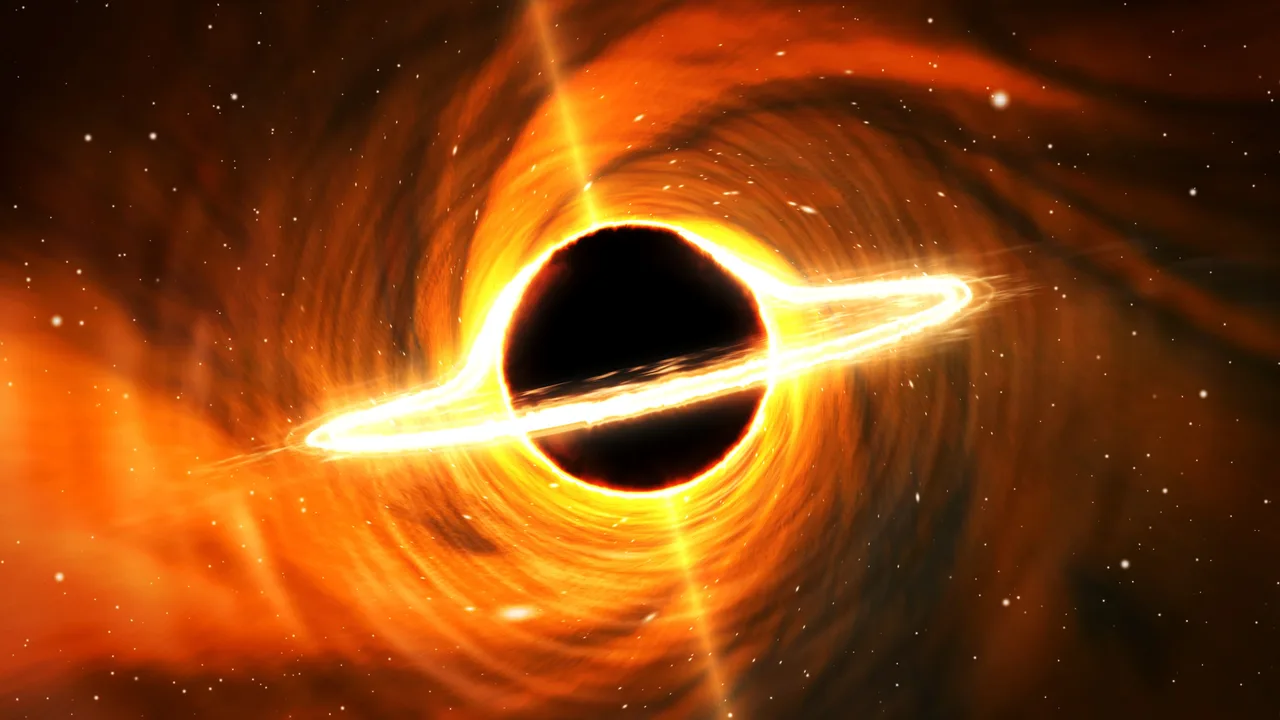
Black holes are among the most intriguing phenomena in modern physics. We know that they can form when massive stars collapse and create regions of space where gravity is so intense that nothing, not even light, can escape once it crosses the event horizon.
But even after decades of research, there's still a lot we don't know about these cosmic giants. And now, new research is challenging something we thought we understood about them. So, could our understanding of black holes be incomplete? Let's take a closer look.
What if a black hole never finishes forming?
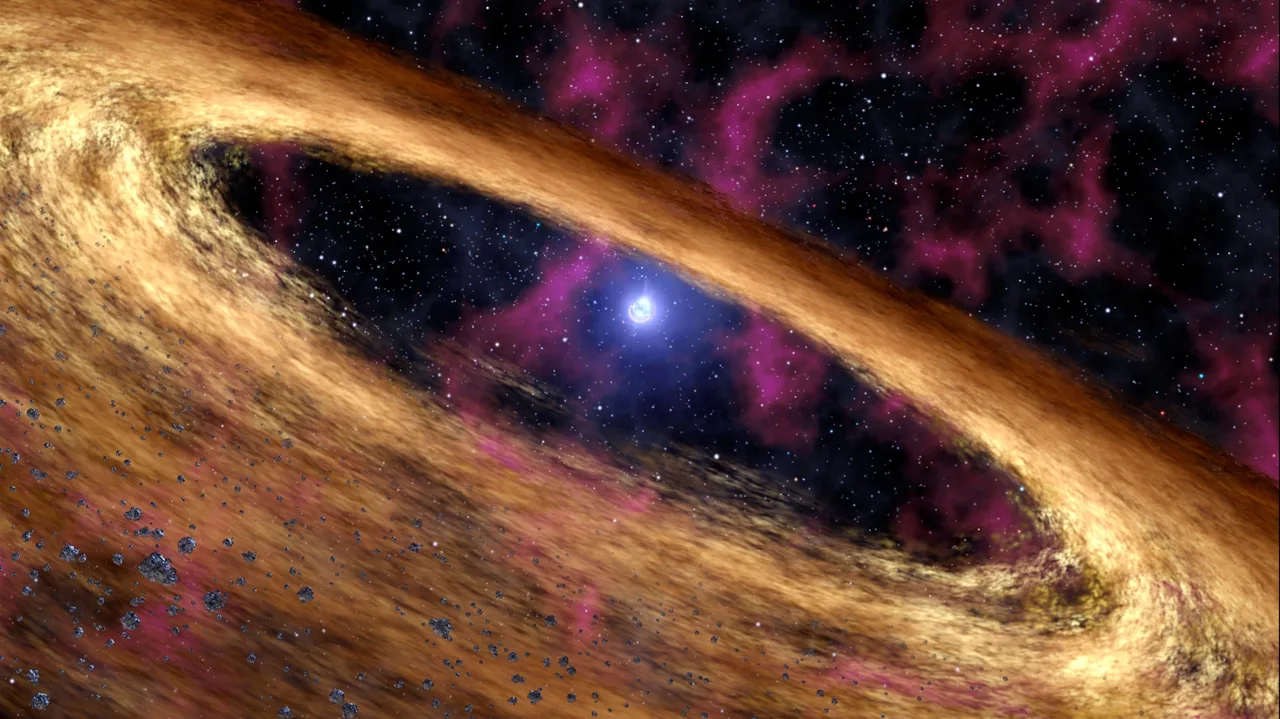
According to standard physics, a collapsing star crosses a threshold called the event horizon and becomes a black hole. Daryl Janzen’s theory questions whether general relativity, the theory that treats space-time as a curved geometry, actually says that has already happened.
It may only say it’s bound to happen in an infinite future we can never observe. Janzen writes, “What if the whole edifice of black hole physics is built on an invalid logical inference that’s gone unnoticed (or unacknowledged?) for the better part of a century?”
They may be something else entirely
Janzen isn’t the only one rethinking black holes. A separate paper, written by Kevin Croker, an astrophysicist at the University of Hawaii at Mānoa, makes a different case. He suggests that black holes, as we know them, may not really exist.
According to him, “If what we thought were black holes are actually objects without singularities, then the accelerated expansion of our universe is a natural consequence of Einstein’s theory of general relativity.”
A possible alternative to black holes
If black holes aren’t what we thought, then what could take their place? Researchers have a candidate. First, the researchers reworked how Friedmann’s equations are written mathematically.
The math then suggested that these alternatives could hold all the dark energy needed to explain the universe’s accelerated expansion. These hypothetical objects are called Generic Objects of Dark Energy, or GEODEs.
What are Generic Objects of Dark Energy?
According to the study, the expansion of the universe could cause these objects to gain mass even without absorbing anything nearby. This idea relates to redshift, which is when light’s wavelength stretches as the universe expands and causes it to lose energy. Matter loses weight too, but the effect is usually too tiny to see.
But the effect becomes noticeable in ultradense material subjected to extreme pressure, known as relativistic material. Dark energy’s pressure acts opposite to that of normal matter and light, so objects made of it, like GEODEs, gain weight.