Astronomers detect first-ever radio signal from a planet outside our solar system
A strange signal from a distant planet
In a major breakthrough, astronomers have directly detected the first-ever radio emission coming from a planet outside our solar system. “I know radio signals are associated with searches for extraterrestrial intelligence,” said Edo Berger, a professor of astronomy at Harvard University. “But this is something very different.”
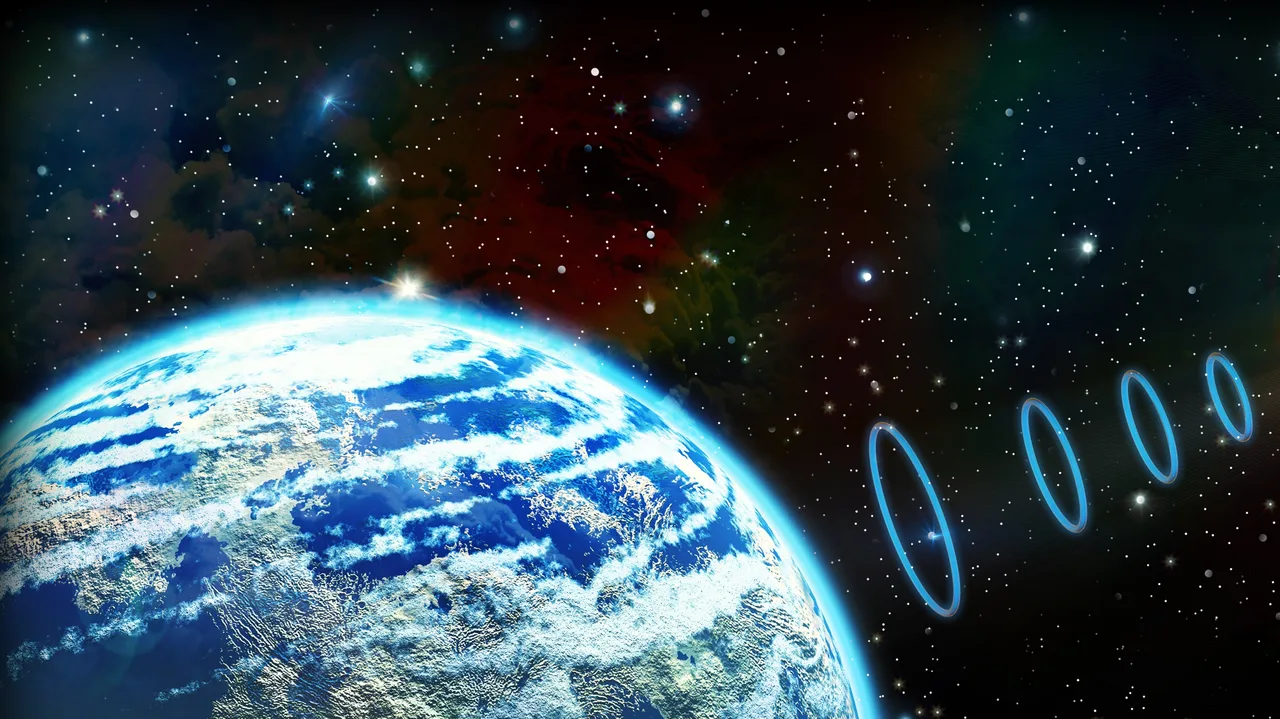
Radio signals from space are mainly associated with the search for life outside our own planet. However, in this case, the radio detection shows something else entirely.
Astronomers found the signal’s surprising source
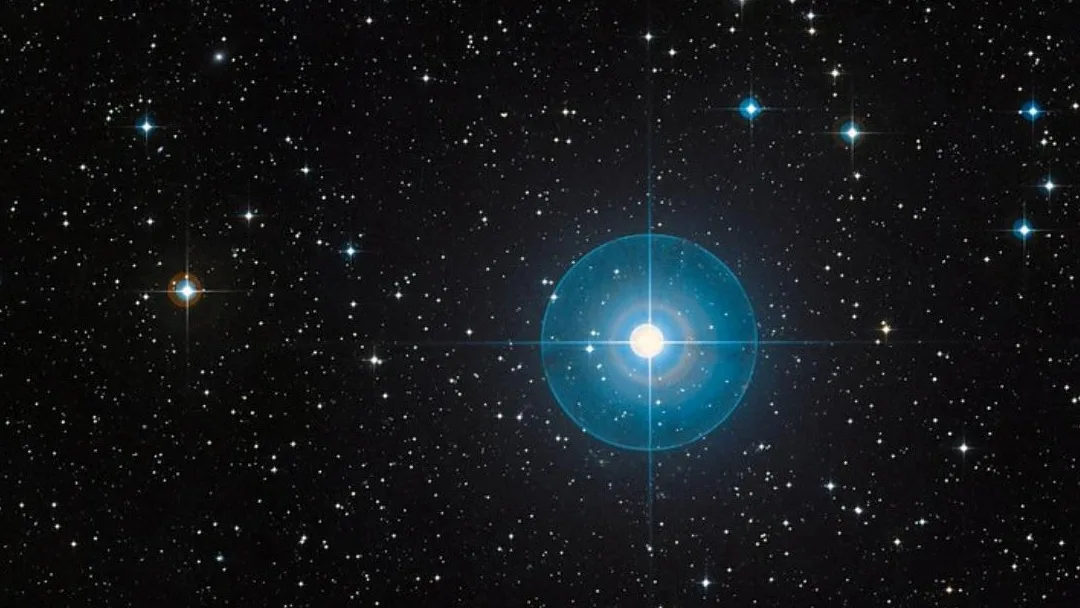
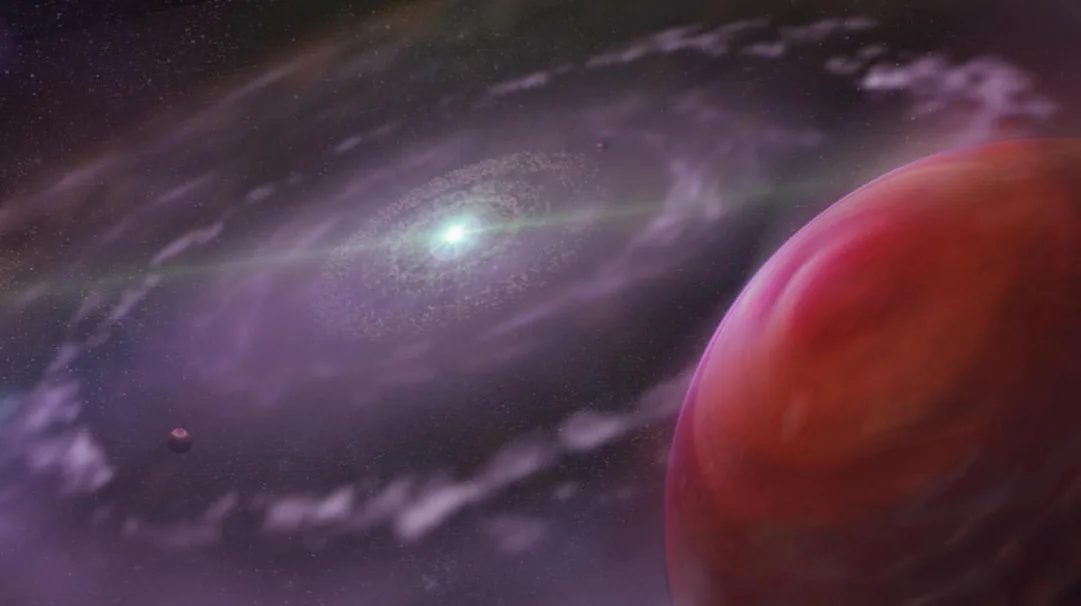
According to astronomers, this radio emission consists of repeating radio bursts that appear to come from Beta Pictoris b, which is a gas giant about 12 times the mass of Jupiter. The planet is 63 light-years from Earth. The Beta Pictoris system is about 23 million years old, far younger than our solar system that's 4.5 billion years. It's also among the most studied in our galaxy.
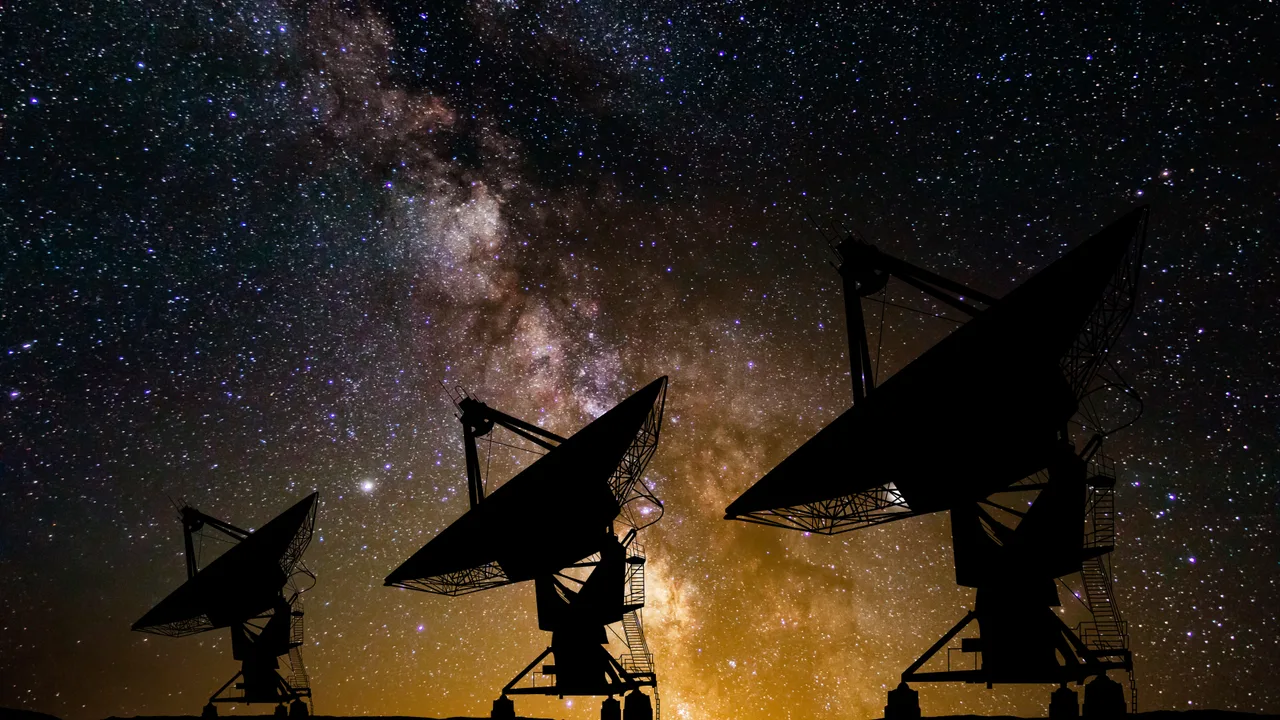
For their study, researchers used MeerKAT, an array of 64 radio telescope dishes in South Africa, to detect the signal. Berger said, “This was really unexpected for us. We were doing the survey as a bit of a fishing expedition, knowing that we would only detect sources if the magnetic field was incredibly strong.”
This time, the evidence was hard to ignore

Earlier hints of radio emission from planets outside our solar system were never confirmed. This is largely because scientists couldn't rule out the host star as the source, said Joseph Callingham of the University of Amsterdam, who was not involved in the new research.
This team ruled out the star and pinpointed the emission to Beta Pictoris b. Berger said he is confident in the detection. “We recorded it multiple times, at multiple frequencies. It’s there every single time.”
So, what caused the strange signal?
The signal is what astronomers call auroral radio emission. It comes from auroras, which are sparked by magnetic storms involving charged particles from the Sun. Jupiter gives off the same kind of signal when particles from volcanoes on its moon Io become trapped around its magnetic field's poles.
Berger said Beta Pictoris b's field is far stronger. “The magnetic field on this planet is at least 200 times stronger than the magnetic field of Jupiter,” he noted.
Scientists are urging caution
The study was posted September 15, 2026 to the preprint platform ArXiv and hasn't yet gone through peer review. If confirmed, Callingham said, the results would show that exoplanets can have much stronger magnetic fields than expected.
The authors have requested more telescope time to study the planet. One open question is why its field is so strong. “I think that’s going to be a question that occupies people for a while,” Berger said.