How the Pentagon’s top-secret project fueled America’s biggest UFO mysteries
Inside the Pentagon’s UFO investigation
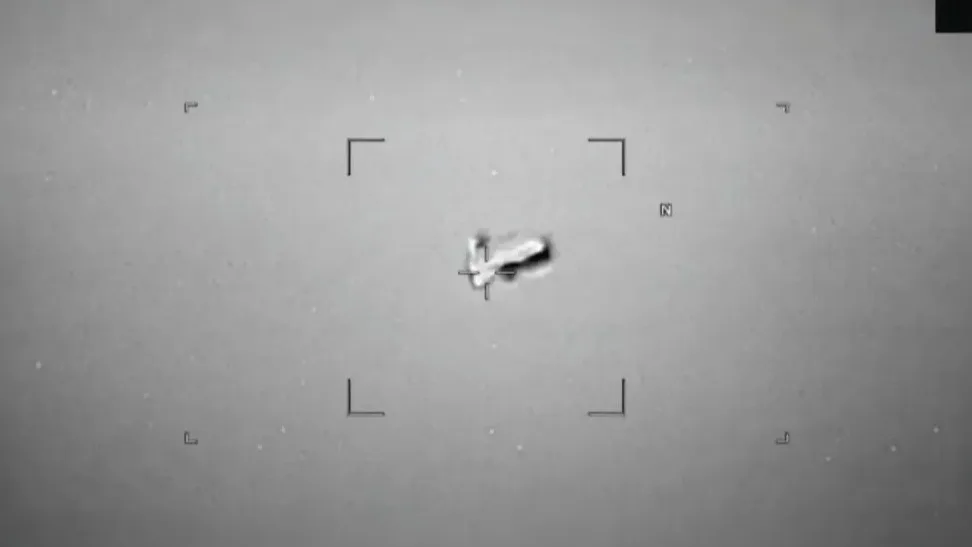
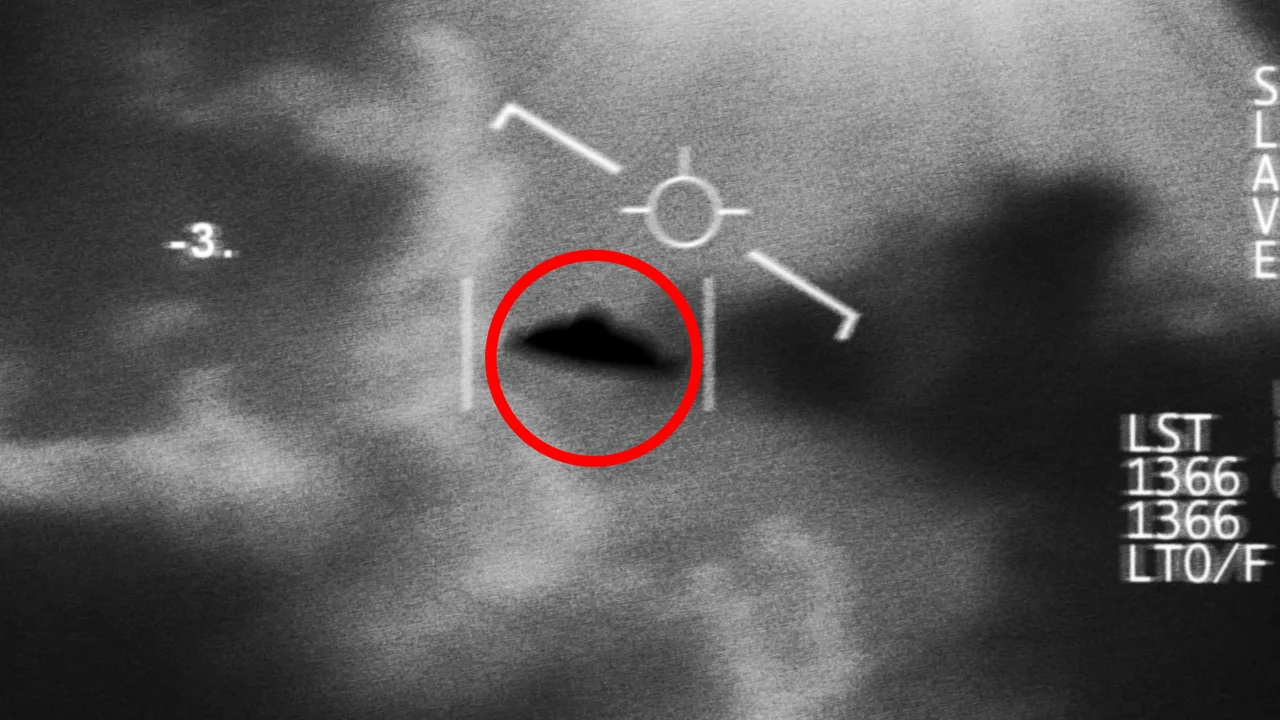
Sightings of unidentified anomalous phenomena, or UAPs, have long made people wonder what the U.S. government actually knows. To address concerns about anything that might be extraterrestrial, the government set up the All-Domain Anomaly Resolution Office (AARO) in 2022.
The task force had two main jobs. It collected data on UAP sightings, and most of those were credited to balloons or satellites. It also explored claims that a secret Pentagon division was collecting technology believed to be of alien origin. So what did investigators actually find? Here’s how the story played out.
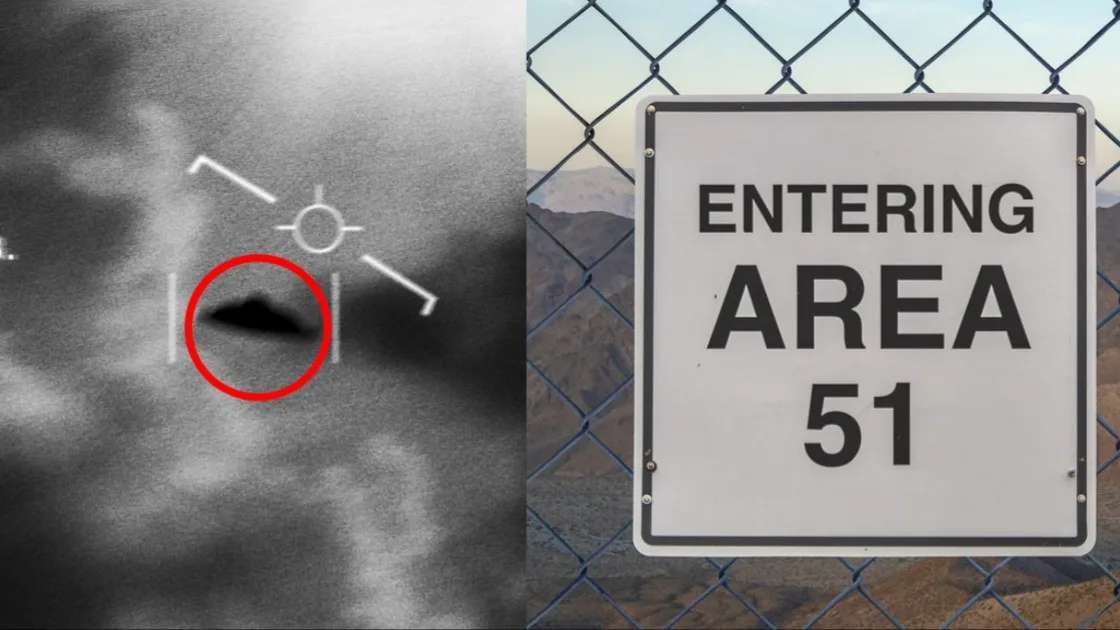
It started at a bar near Area 51
It all began in the 1980s, when a now-retired Air Force colonel told the Pentagon team that he had passed altered pictures of flying saucers to a local bar, just outside Area 51. Locals had no idea the Air Force was working on advanced stealth fighters. Officials thought that it would be better for the public to blame a UAP than to risk the Soviets getting wind of U.S. weapons developments.
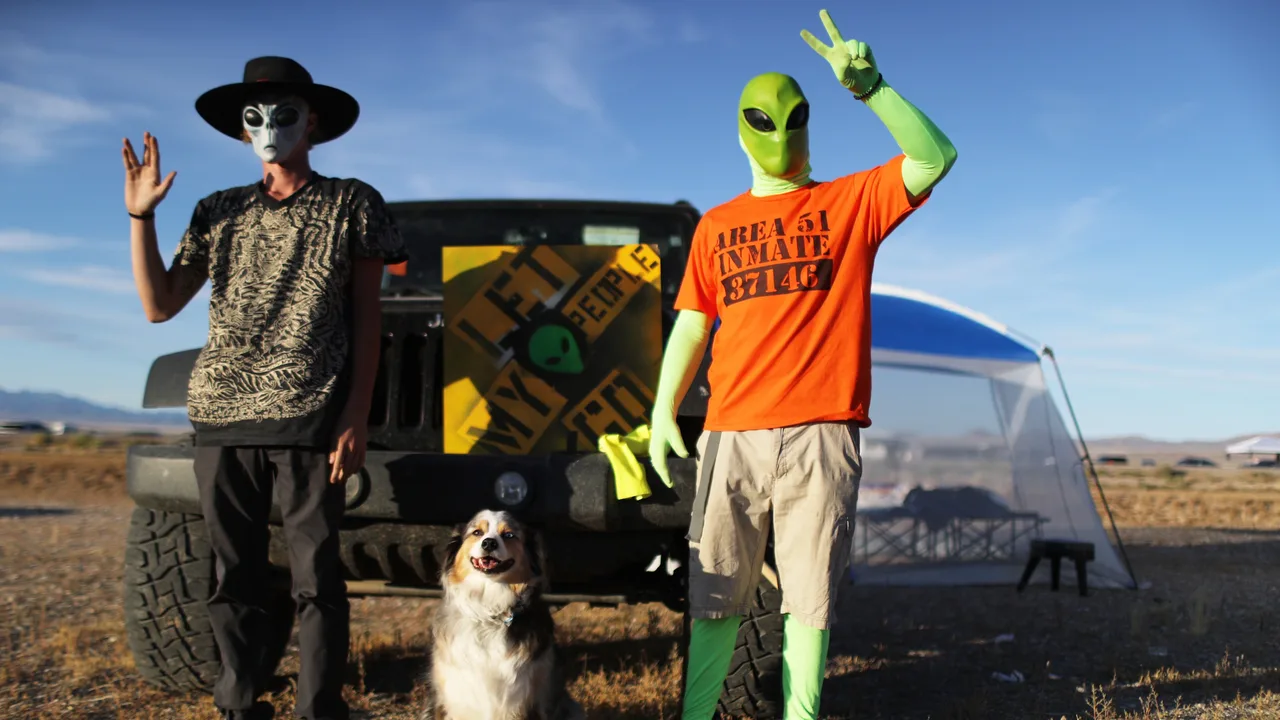
But interestingly, the rumor never really went away. In 2019, the “Storm Area 51” trend emerged, in which users joked about breaking into the base to look for little green men. Surprisingly, many actually showed up
Then came a glowing orange oval over a missile site
The incident took place in 1967. Airmen reported seeing a glowing orange oval floating above their outpost's front gates. Shortly afterward, an alarm alerted Air Force Captain Robert Salas that their missiles had been disabled. According to The Wall Street Journal, Salas later told Kirkpatrick that he was taken back to base and ordered to remain silent about the incident. Years later, however, the five witnesses came forward to speak to the media.
For this sighting, AARO found an explanation. The glow appeared because scientists at that time were testing how strong the missile bunker is against storms. The officials never told the witnesses about this, though. They worried that the Soviets could learn about the vulnerability and use it against the weapons.
And then there was Yankee Blue
During his investigation, Kirkpatrick also interviewed a former Air Force officer. The officer seemed visibly shaken while talking about a supposed alien task force known as Yankee Blue. The officer said he had been sworn to secrecy, but the story turned out to be a prank that had been played on incoming Air Force commanders for decades and had eventually gone too far.
During their introductory briefs, recruits got a printed UFO photo and learned their “task force” was working to reverse engineer, or take apart and study, the spacecraft. And some were never told that it was fake.
But why do people still believe these theories?
Derek Arnold, a Villanova University professor and expert on conspiracy theory rhetoric, says it starts with storytelling. “We love a good story, and stories are such a big part of how conspiracy theories get transmitted.” He adds that people also look for stability.
“People just have a tendency to want to listen to those stories because they say, 'If I don’t have control over my own life, it’s nice that somebody does,'” he further explained.