What is the Great Filter and why could it be alarming for humanity? Examining one solution to the Fermi Paradox
Why haven't we found any aliens?
Most of us are familiar with the Fermi Paradox, which asks the simple question: if there is a vast statistical probability of extraterrestrial life existing, then where is everyone? We have no answer yet, and there exist multiple possible solutions to this still-unresolved paradox. One of these solutions is the Great Filter hypothesis. Here, we examine its basic tenets.
A near insurmountable barrier?
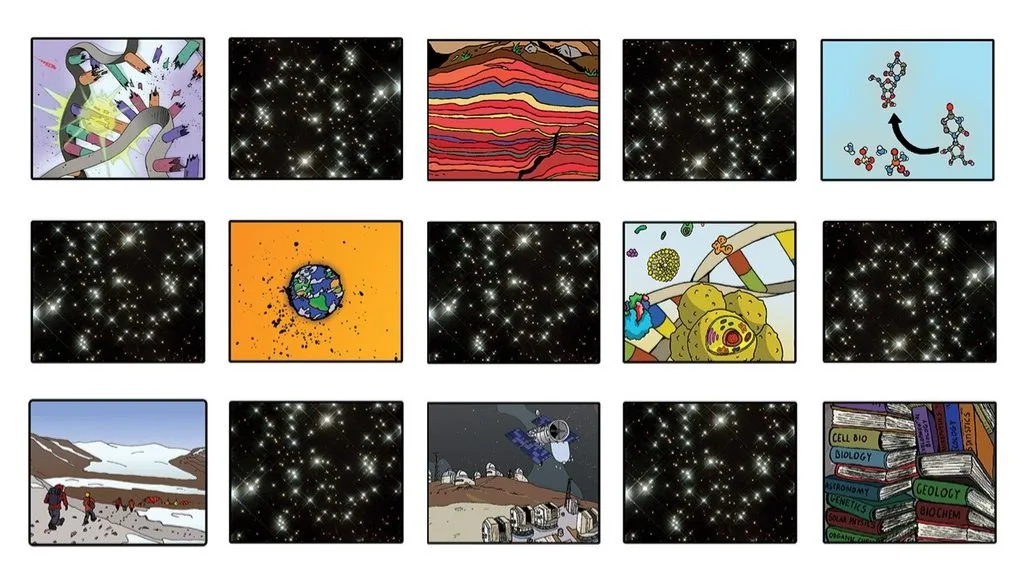
Formulated by economist Robin Hanson in the 1990s, the Great Filter hypothesis posits that on the path to becoming a spacefaring civilization—from the beginning of life (or abiogenesis) to becoming a technological, interstellar species—there exists at least one evolutionary or technological barrier that is so difficult to overcome that almost all species fail to advance beyond it. While it's a simple enough premise, the central mystery of the Great Filter hypothesis lies in finding out where exactly along this evolutionary timeline this filter is located, relative to humanity's current state of development. The answer to this mystery, if ever found, would have massive implications.
Are we among the lucky few?
If, say, this virtually insurmountable barrier is already behind us, it would mean that an essential step in our past—such as abiogenesis, the transition from simple prokaryotes to complex eukaryotic cells, or the emergence of tool-using intelligence—is so astoundingly rare that humanity is among the lucky few to have passed it. If this were the case, it would mean that intelligent life in the observable universe is exceptionally rare, and given the mind-boggling distances of the cosmos, that would leave humanity potentially alone in the vastness of space.
Does catastrophe await?
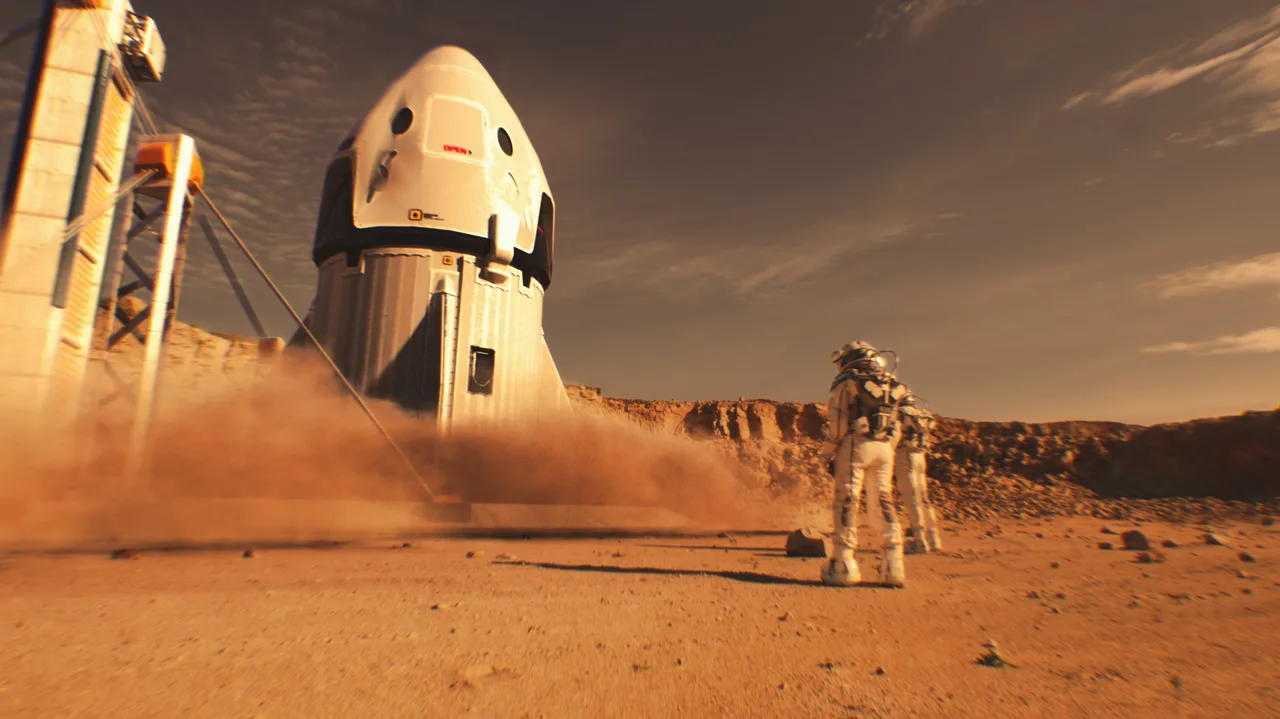
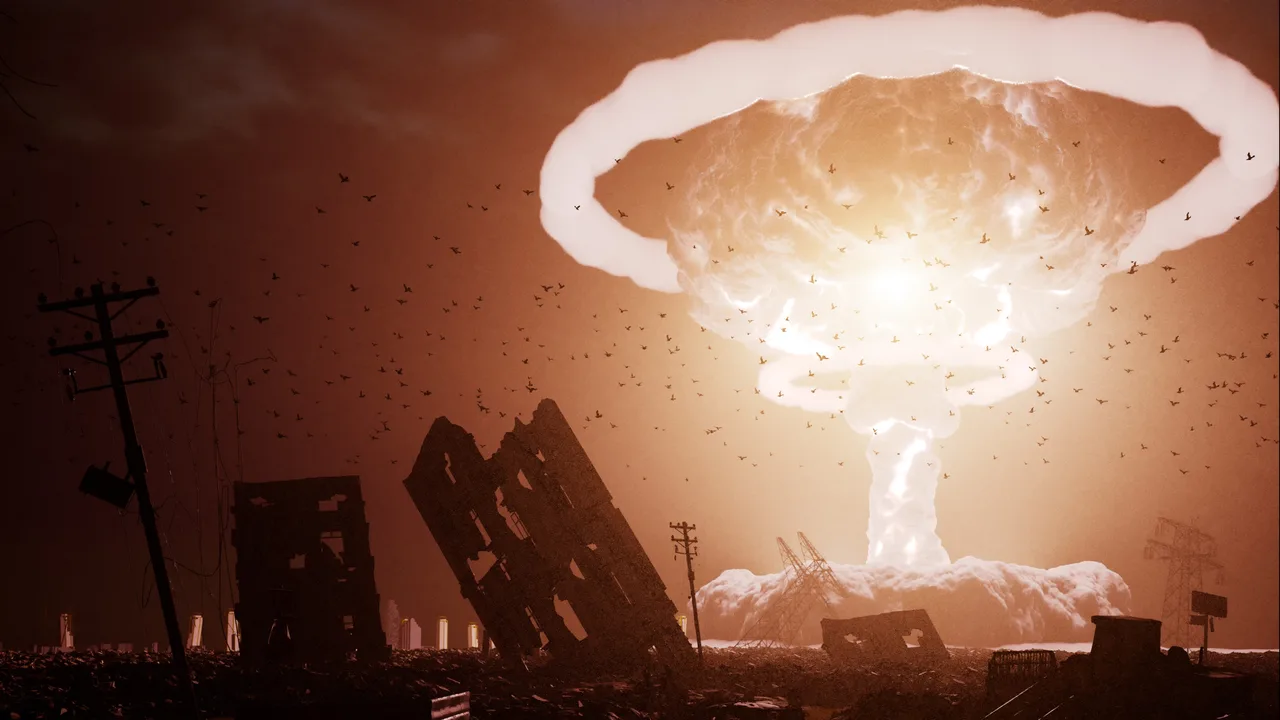
However, if said filter to becoming a spacefaring civilization lies ahead of us, the implications would be more alarming than dreary. This would mean that while the emergence of life, even intelligent life, on habitable worlds is quite common, advanced civilizations eventually encounter some catastrophe that prevents them from becoming Type II or Type III interstellar civilizations on the Kardashev scale. While it is impossible to pinpoint what such a catastrophe could be, our current research suggests that civilizational destruction could potentially stem from several factors. Environmental collapse from climate change, nuclear self-destruction, or even the rise of unregulated artificial general intelligence are merely some candidates. Regardless of the cause, such a scenario would mean that humanity's greatest challenge lies ahead, with no means of accurately predicting when and where it will arise.
Is silence better?
Given the implications of the Great Filter hypothesis, the search for intelligent life takes on a new dimension. If, say, we were to discover extinct, non-technological alien life, it would likely be terrifying news. Such a discovery would suggest that the emergence of life, or abiogenesis, is common enough in the cosmos, implying that the Great Filter lies somewhere ahead of us. Thus, as philosopher Nick Bostrom famously noted, "no news is good news" when searching for alien life, as a silent universe remains the strongest sign that humanity may have already cleared its ultimate evolutionary test.