This new world isn’t quite a planet or a moon, and astronomers are puzzled about what to call it
The mystery of CD-35 2722
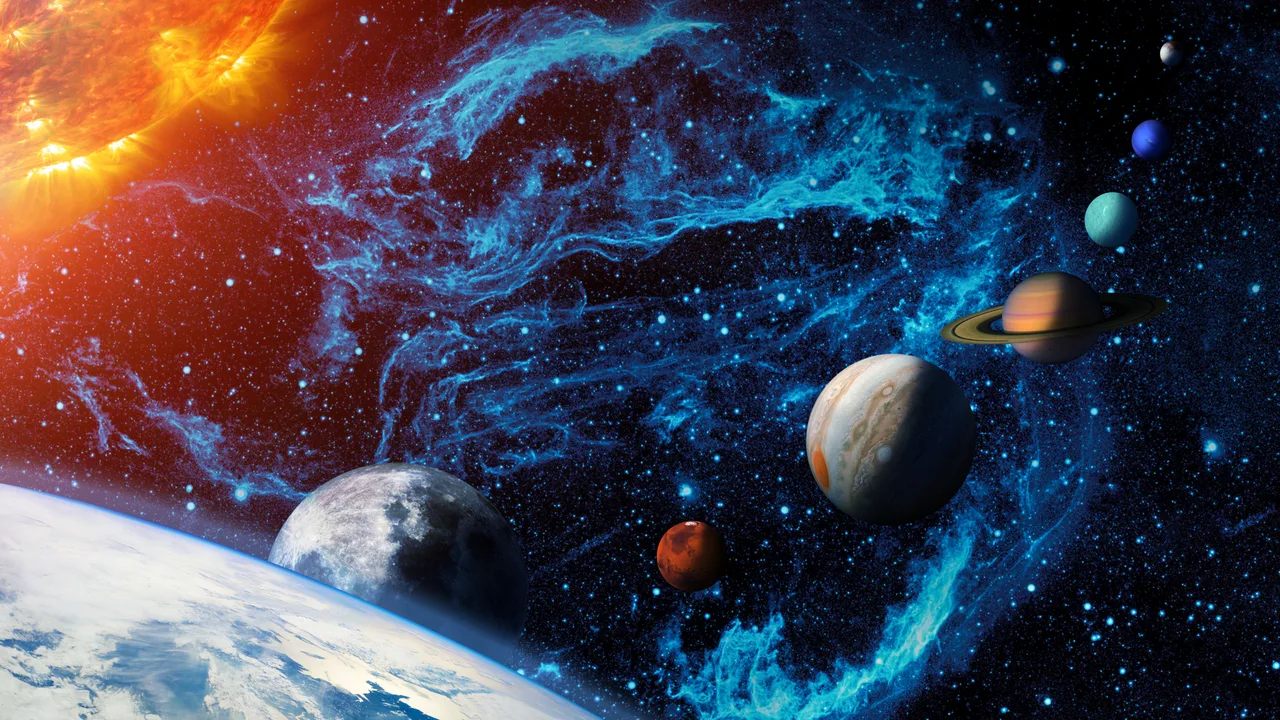
As of October 2026, astronomers from around the world have confirmed over 6450 exoplanets, which are planets outside our solar system. In our solar system, the order is fixed. The Sun sits at the center of the planets' orbits, while moons travel around their host planets.
But a recent discovery in the Milky Way has challenged this simple picture, as researchers have found an object that defies both labels. Here’s the story of the object in the CD-35 2722 system that has researchers searching for the right name.
A giant that orbits something that isn’t quite a star
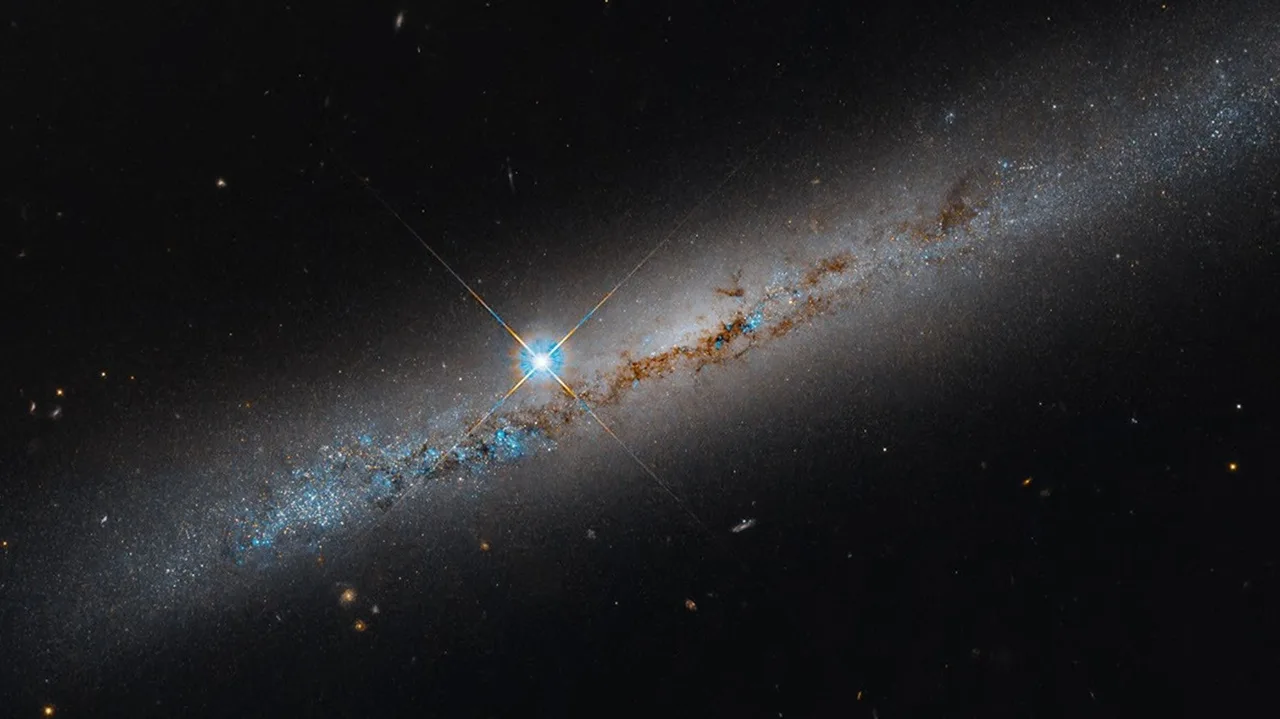
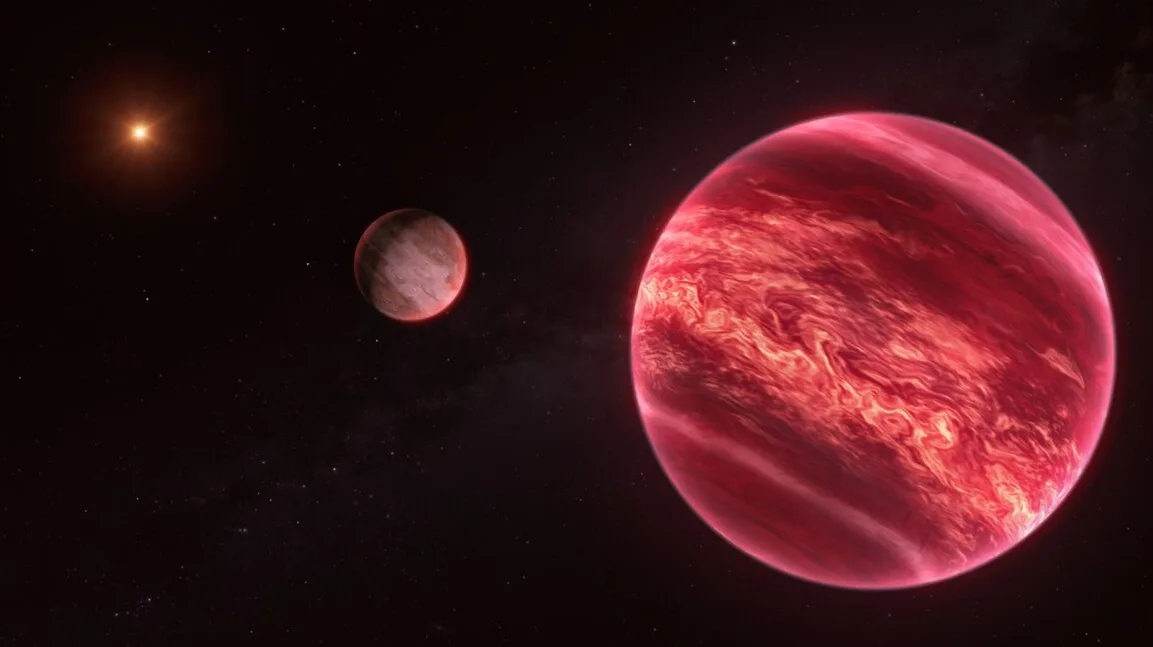
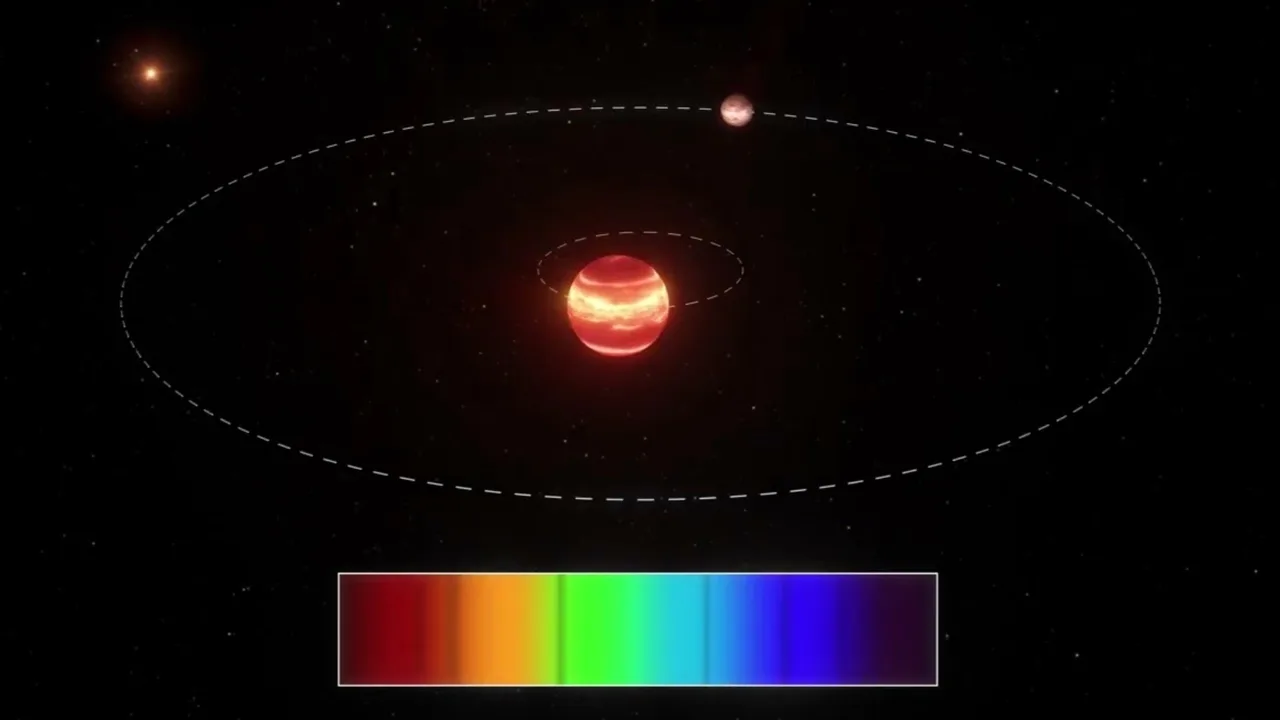
This system (named CD-35 2722) sits about 71 light-years away. At its center is a red dwarf star with about 40% of the Sun’s mass, which is circled by a brown dwarf. A brown dwarf is too small to power itself like a true star, yet heavier than the biggest planets.
And then, there’s a gas giant about Jupiter’s size that orbits this brown dwarf. Co-author Alice Zurlo said, “Because the system is very young, the brown dwarf is still shining with the heat left from its formation.”
And a wobble gave it away
To find this strange object, the team used the European Southern Observatory’s Very Large Telescope in Chile. They observed the brown dwarf repeatedly from October 2023 to February 2026.
Regular shifts in the wavelengths of its light showed that something massive was tugging it back and forth. Lead author of this study, Kevin Hoy, calls it a “moonish thingy,” because it orbits a larger body that itself orbits an even larger one.
Why can’t we just call it a “moon”?
Our own Moon travels around Earth, which is also moving around the Sun. Based on this arrangement, an object orbiting a planet that revolves around a star would fit the technical definition of a moon. Sounds simple, right? But in this case, it isn’t. The object orbiting the brown dwarf in CD-35 2722 is much more massive than any moon in our solar system.
Study co-author Alice Zurlo explained, “We deliberately chose not to call it a moon.” Instead, they proposed “exosatellite.” Hoy added, “We’re really hitting the limits of how far we can stretch the words we invented to describe the solar system to describe other systems in this case.”
But the official rulebook says it should be called a planet
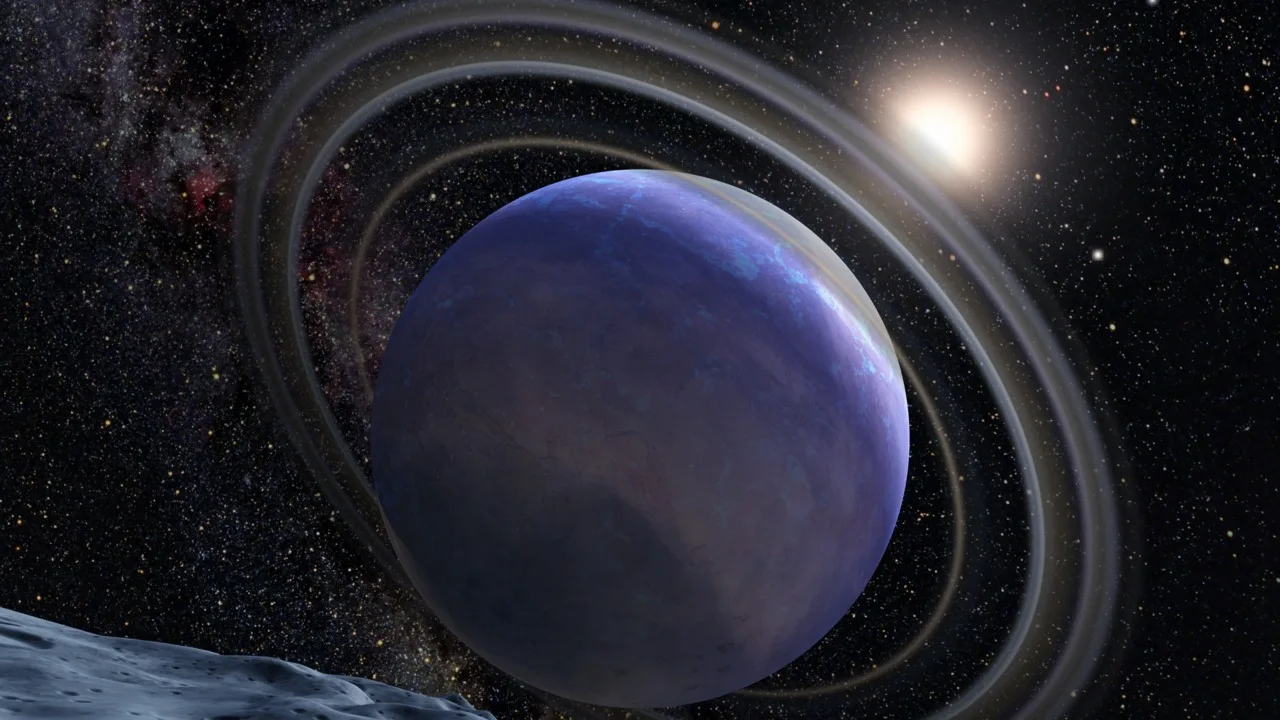
Now, here’s the twist. The International Astronomical Union, the group that reclassified Pluto as a dwarf planet in 2006, wrote its exoplanet definition in 2018. Even if it circles a brown dwarf rather than a typical star, a planet-mass object would still be classified as an exoplanet.
Columbia University astronomer David Kipping explained, “If you accept that this is a brown dwarf, that kind of forces the companion to be a planet.” But as per Hoy, “because of the system hierarchy setup, it doesn’t feel the same as what normal planets are doing.”
So, what should we call this?
For now, it depends on who you ask, as the debate is not yet over. Lead author Kevin Hoy said, “This will certainly be a matter of debate. In general, most astronomers are fine with the term exosatellite, at least as a placeholder until we formally adopt definitions for objects like the one we found.” Researchers also still need to learn how such objects form and whether they’re common.