Could alien life survive on Saturn’s icy moon? New study offers promising clues
The hunt for life beyond Earth
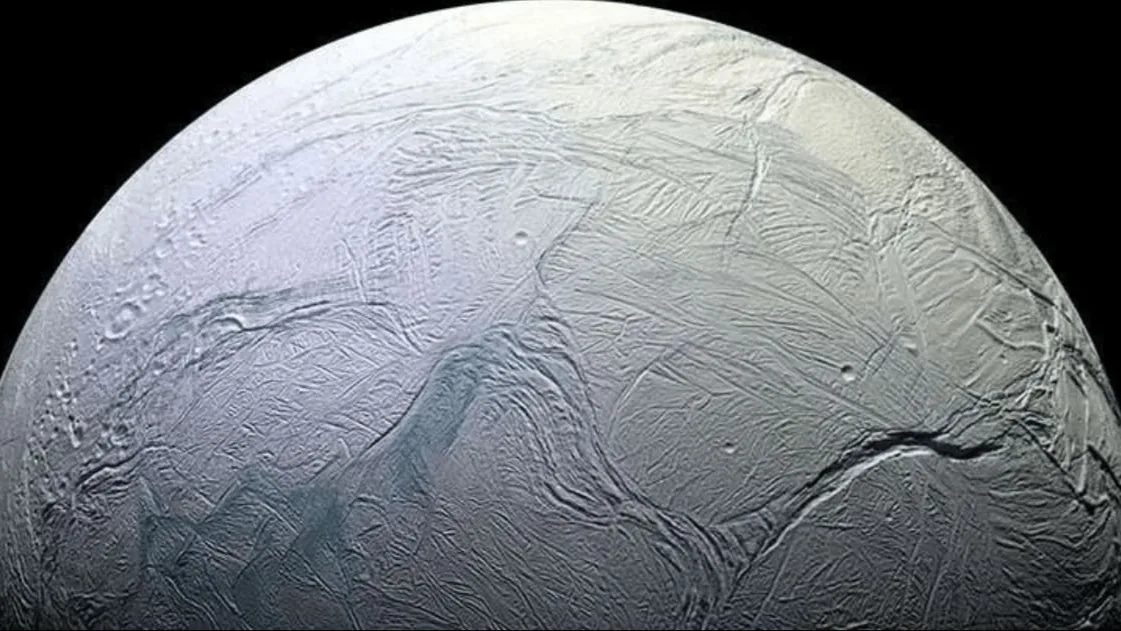
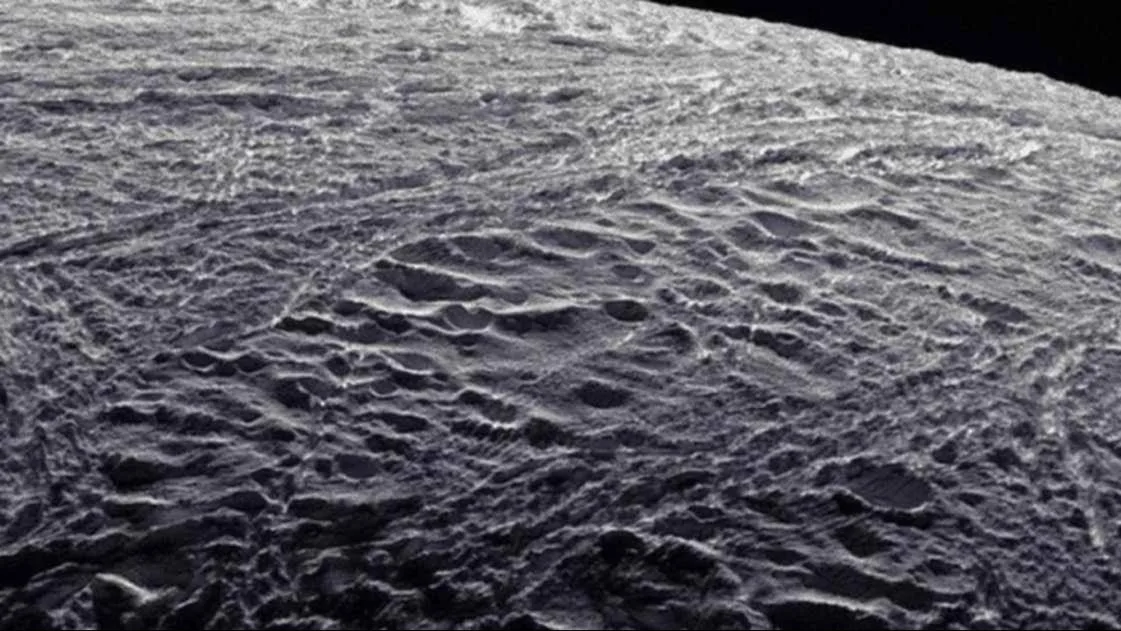
Saturn has a total of 293 confirmed moons, and Enceladus is one of them. At first glance, it doesn’t seem like a welcoming place. This is because it’s icy cold and has little oxygen. Even so, researchers have long been drawn to this frozen moon.
Now, new studies have offered more clues that suggest Enceladus could have the conditions needed to support life. Here’s a look at what makes this icy moon so interesting.
A hidden ocean beneath the ice
Under Enceladus’s frozen surface, scientists have found a vast ocean. That’s the main reason researchers believe the moon could be one of the few places in our solar system able to support life.
Commenting on this, Vanessa Helmbrecht, lead author of one of the new studies, said in a statement, “Enceladus is considered to be one of the most promising places to search for extraterrestrial life.”
Could microbes survive in a place like that?
To find an answer to this question, the research team ran experiments in a laboratory. They recreated the conditions thought to exist on Enceladus’s seafloor and found that microorganisms called archaea were able to adapt to live in them. The team stressed that this doesn’t prove life exists on the moon.
It does show, though, that those conditions can support one of Earth’s most ancient microorganisms. Helmbrecht added, “Our experiments show that its unique geochemistry could create conditions that are even more favourable for microbial life than we had previously thought.”
But how can we search for life beneath the ice?
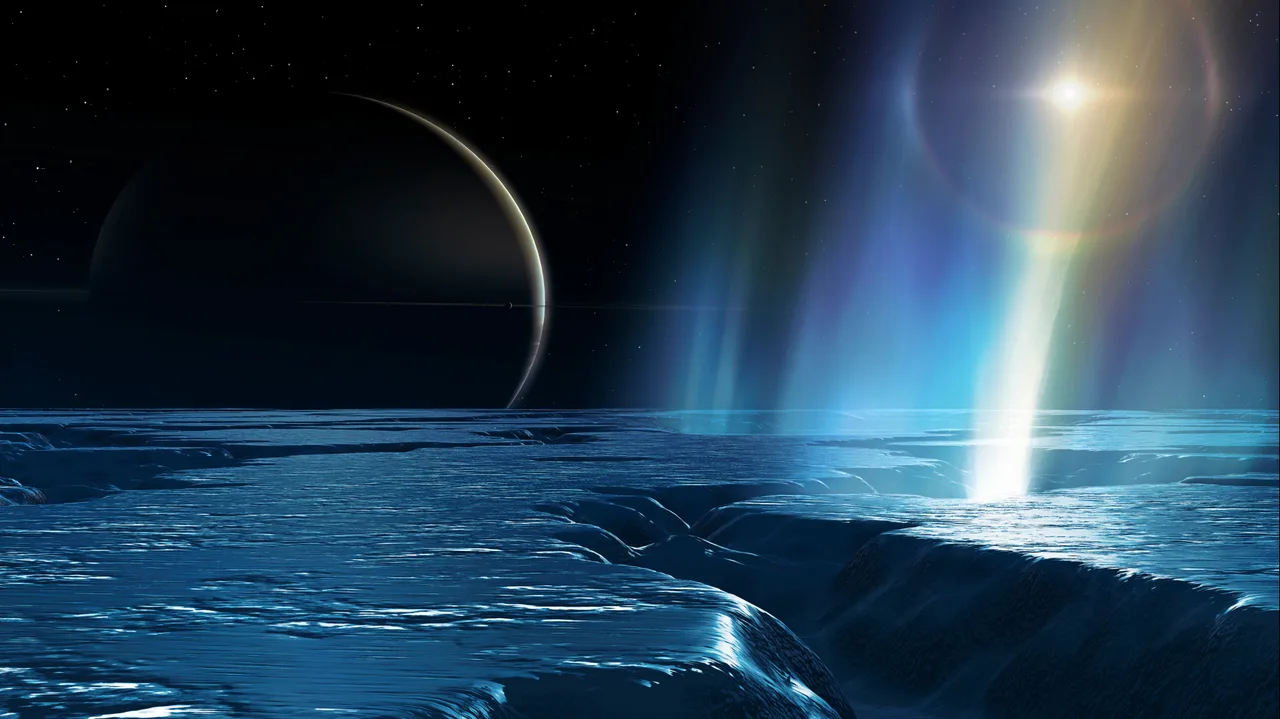
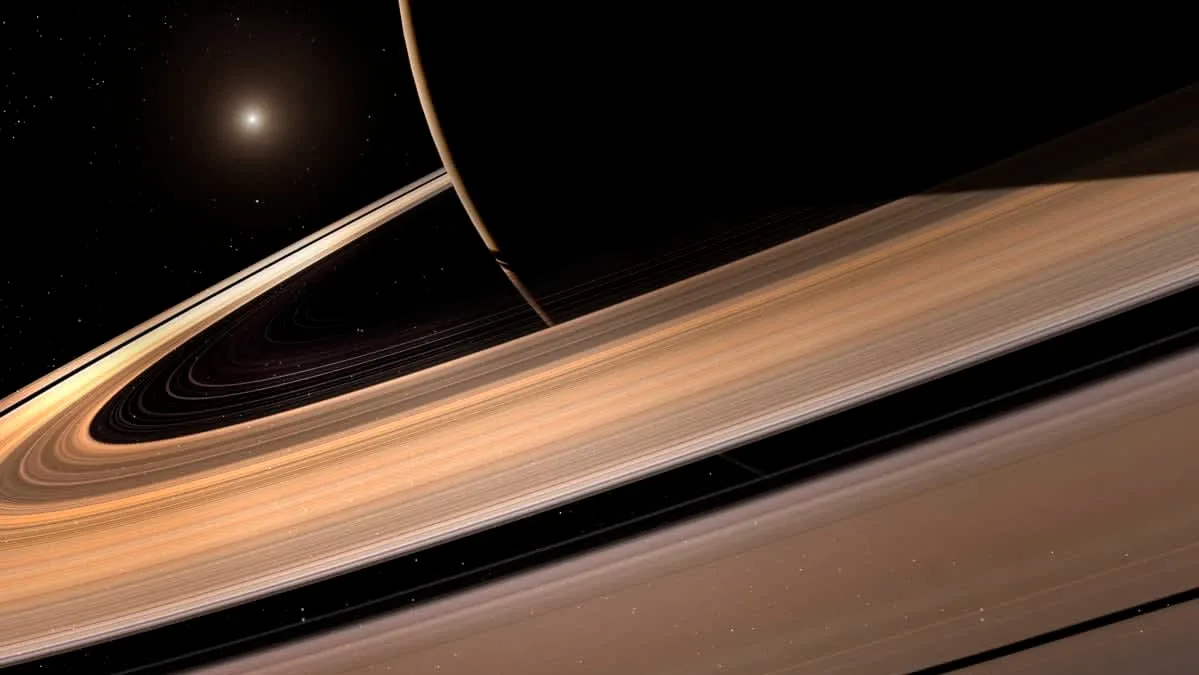
In order to study the ocean, we would have to reach it directly, and this means drilling through miles of ice. But Enceladus offers another way in. Near the Moon’s south pole, powerful jets carry water vapor and fine ice particles far into space, where they help replenish Saturn’s E ring.
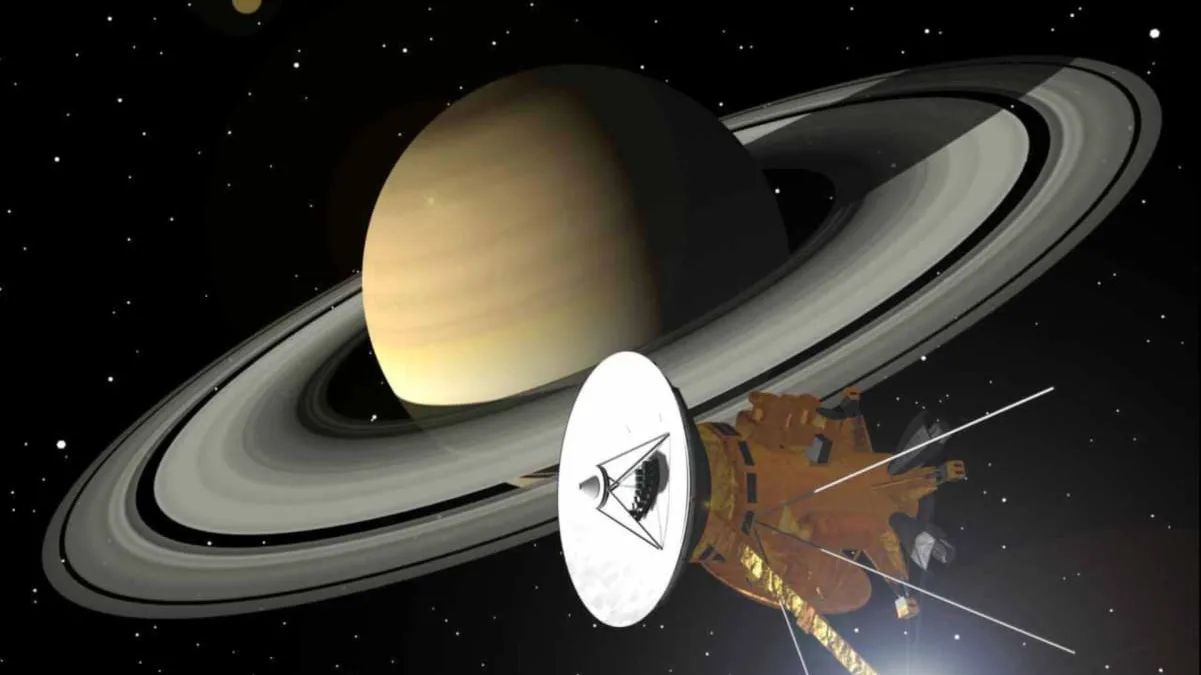
NASA’s Cassini spacecraft reached Saturn in 2004 and repeatedly traveled through the plume during its mission. Its instruments found salts and organic compounds, along with evidence of interactions between water and the rocky seafloor.
Finding signs of life may not be easy
According to researchers, signs of life (if they really exist) may be rare. Fabian Klenner, a UC Riverside assistant professor of planetary sciences, explained, “Molecular signatures of life, if present, may be concentrated in only a few grains. A future spacecraft has to find exactly those grains.”
He also noted, “The most useful information is in the differences from grain to grain. Future missions should analyze as many individual grains as possible.” The European Space Agency is now planning a mission called L4, expected to launch in 2042. Under the plan, it would head to Enceladus and bring back samples from its ocean. It would offer a much closer look and help researchers find the signs they have been looking for all along.