Stunning ‘space jellyfish’ appears over the East Coast after SpaceX’s CRS-35 launch; See photos
A glowing ‘jellyfish’ in the sky
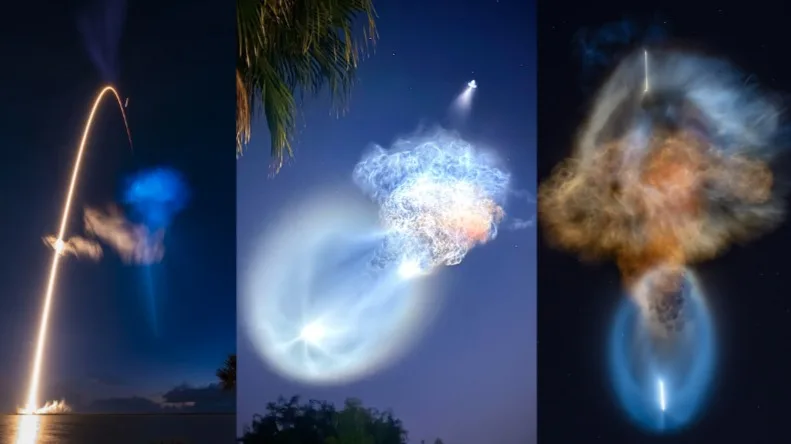
On October 13, 2026, SpaceX launched its Falcon 9 rocket once again from Florida for NASA’s 35th commercial resupply mission to the International Space Station (ISS). While the rocket climbed higher in the early morning sky, its exhaust spread into a bright, jellyfish-like cloud that could be seen from Florida and Georgia to other parts of the East Coast.
So, what caused this unusual sight? Here’s the story behind the launch, along with incredible images of the glowing display.
A routine cargo launch with an unusual glow
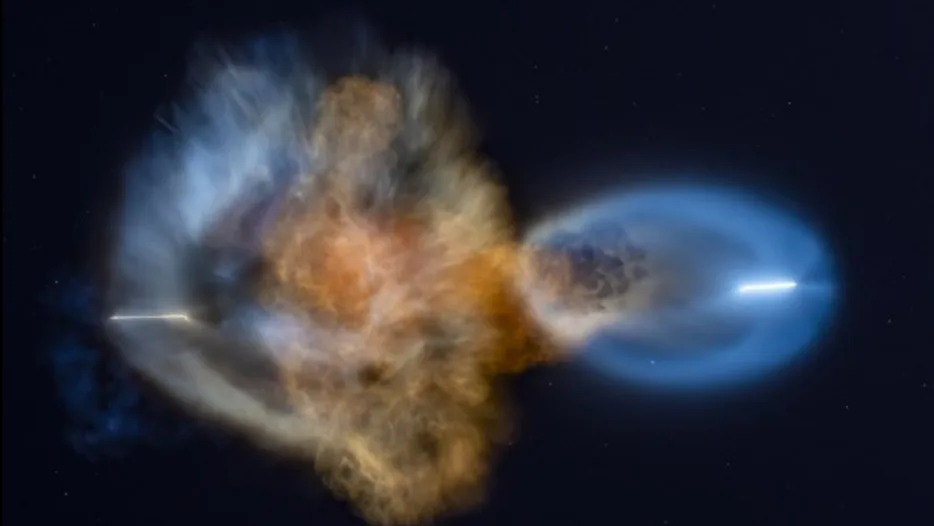
SpaceX’s Falcon 9 successfully lifted off from the surface carrying NASA’s CRS-35 mission. It followed the station’s northward orbital path, which took it up the East Coast.
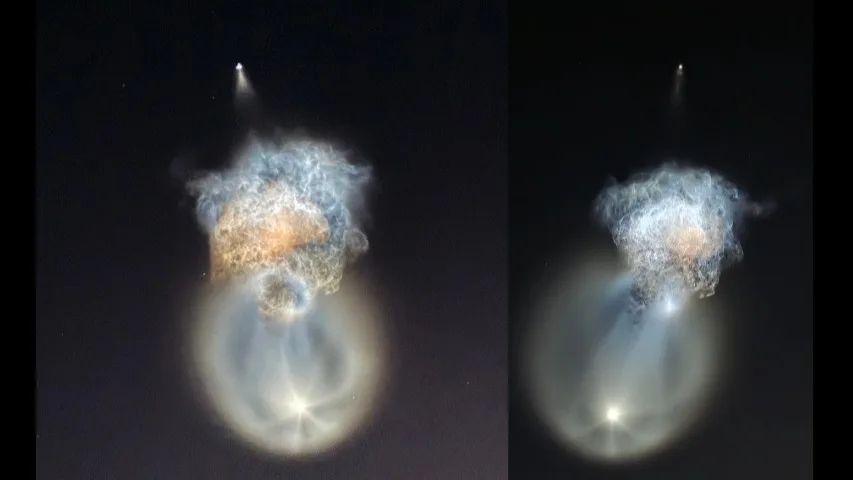
This launch created a ‘space jellyfish,’ which is an effect that sometimes appears during dawn and dusk launches. In this image, you can see how the view completely covered the dark sky.
So what exactly is a ‘space jellyfish’?

Explaining the effect, NASA's Kennedy Space Center wrote on X, “A jellyfish happens near sunrise or sunset when the exhaust plume from the rocket becomes brightly illuminated, creating a glowing shape resembling a jellyfish.”
According to NASA, more than 6,300 pounds of supplies, hardware, scientific experiments, and other cargo are headed to the station. The cargo also includes the final pair of solar arrays, which will help complete the ISS's power system augmentation. This will further boost the electricity required for operations aboard the station.
Dark ground and sunlit sky make the effect possible
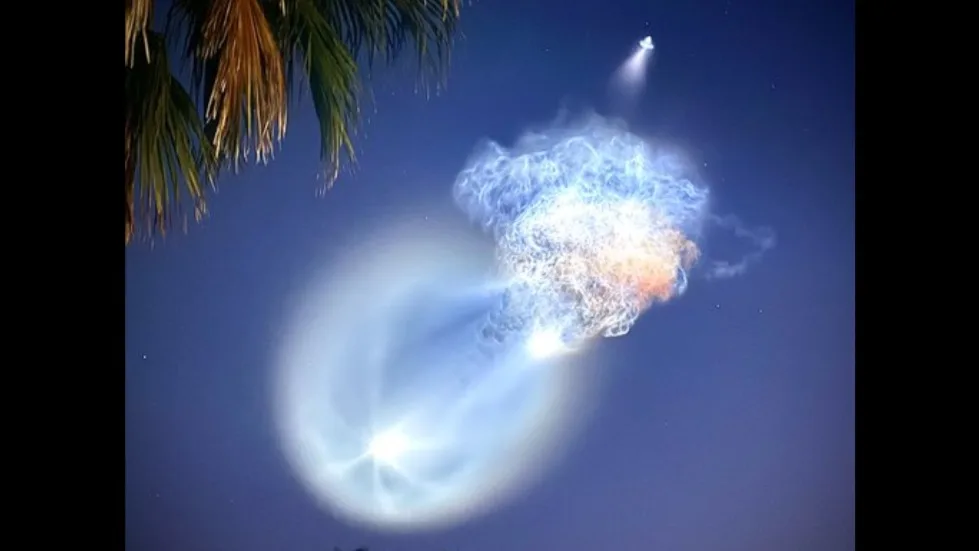
At the time of the launch, the ground was still dark, but the upper atmosphere was already in sunlight. Once Falcon 9 reached thinner air, its exhaust spread far beyond the rocket's narrow trail and caught the sunlight. This typically happens when liftoff comes roughly an hour before sunrise.
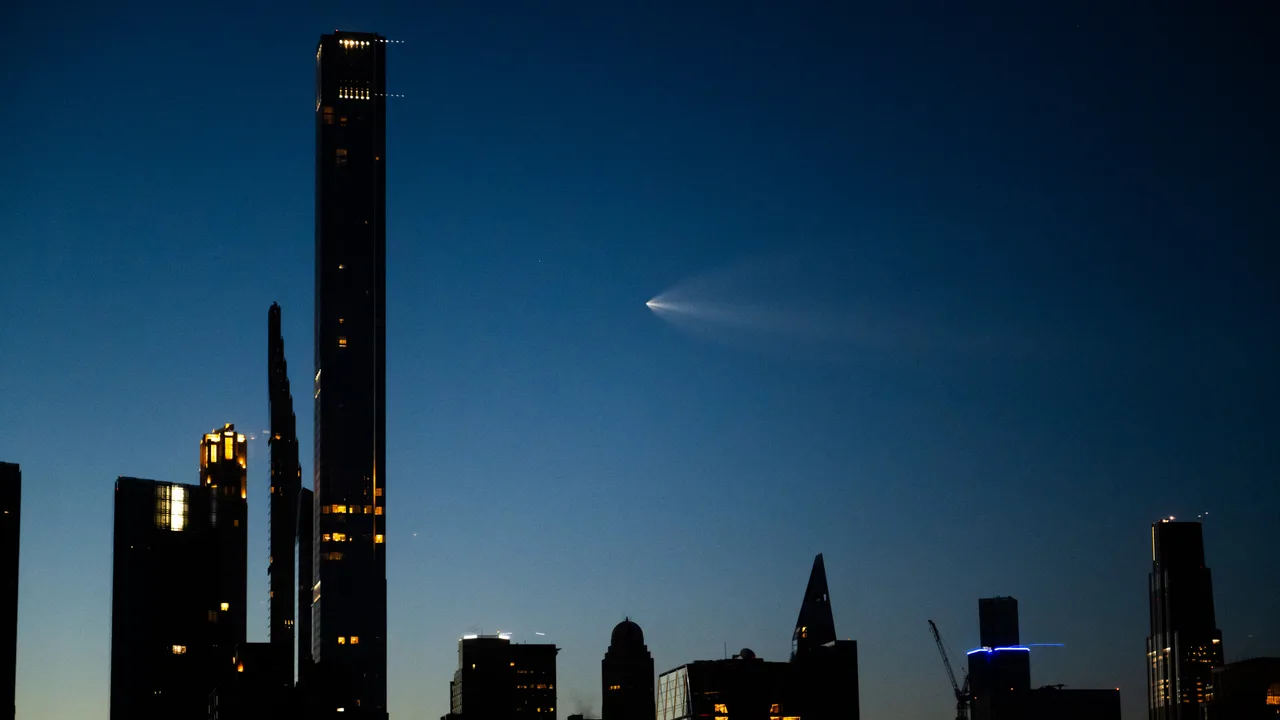
In fact, a similar sight was captured during SpaceX's final Starlink launch from Florida on August 25, 2026. This flight marked the end of Falcon 9 Starlink launches from Florida and left viewers with a stunning view of a rare "jellyfish" over New York City.
A view “beautiful beyond belief”
Richard Mack Wilson-Leigh was watching from Durham, North Carolina, just moments before the rocket’s main booster separated from the upper stage. The booster then fired its engines to adjust its path for a landing at the Cape, which caught him off guard.
“I thought it blew up at first,” he jokingly told Space.com. “At first, I thought it was a comet,” Wilson-Leigh said. “My mind jumped between two thoughts: that is just beautiful beyond belief, and it is the end of the world.”
The launch left viewers across the US amazed
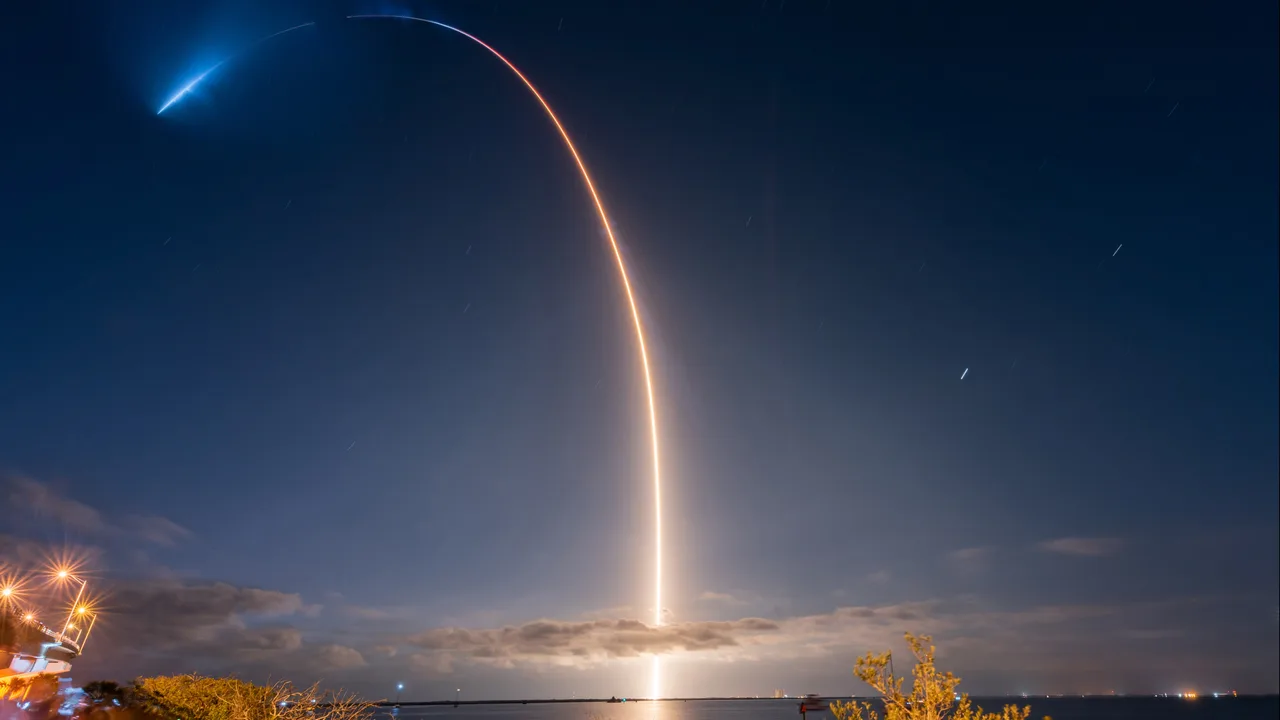
Viewers across Florida, Kentucky, North Carolina, South Carolina, Mississippi, and Georgia shared their own photos of the jellyfish. Many of the images were posted in response to a NASA post, which invited people to share what they saw.
Many described it as one of the most incredible launches they had ever seen, calling it a sight beyond imagination. SpaceX is now preparing for the upcoming USSF-481 mission, which is scheduled for October 15, 2026.
Where is Dragon headed next?
Just 2.5 minutes after launch, the rocket's stages split apart as planned. The second stage kept going toward orbit with Dragon and 6,300 pounds (2,860 kilograms) of cargo. The next step is for Dragon to spend about two days approaching the space station.
As per NASA, Dragon will “autonomously dock at 11 a.m. on Thursday, Oct. 15, to the space-facing port of the space station’s Harmony module.” The event will be streamed live, starting at 9:15 a.m. EDT, on the official channel of NASA, including its official website as well as its X account.
(The above image is from the SpaceX Falcon 9 launch of the NASA Crew-2 mission to the ISS.)