Is there a hidden cave under this Moon pit? NASA is sending instruments to find out
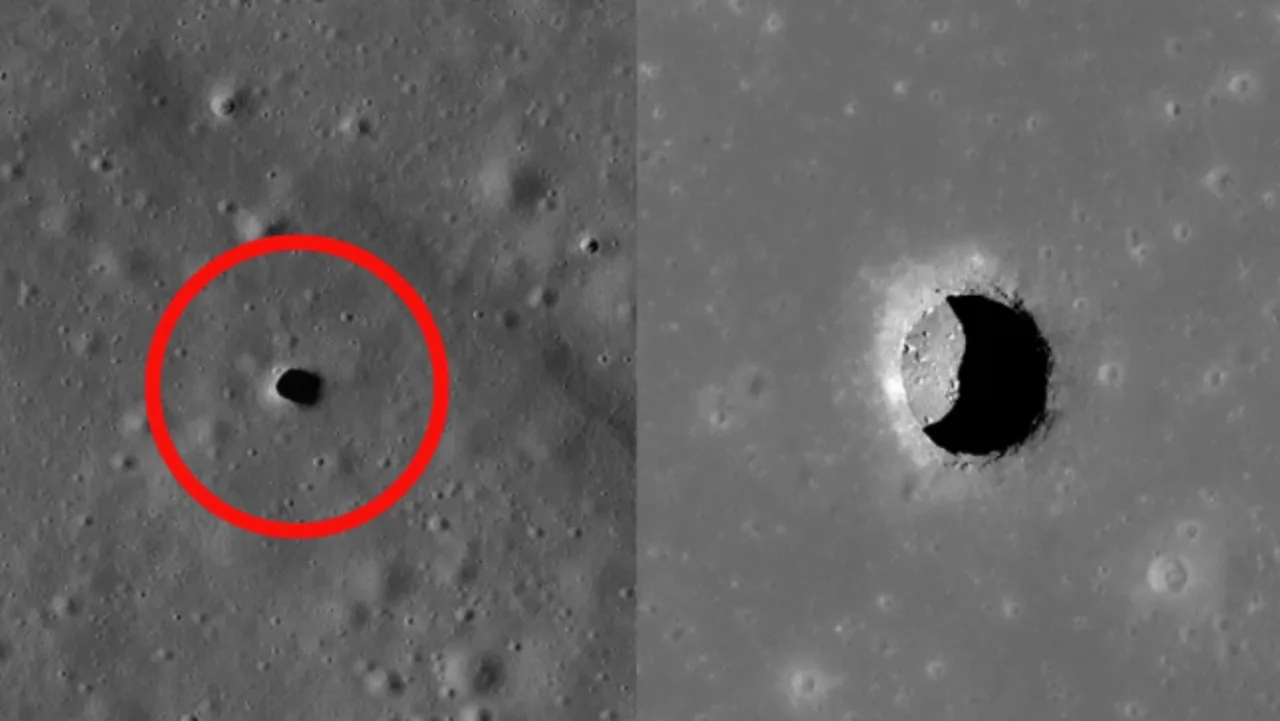
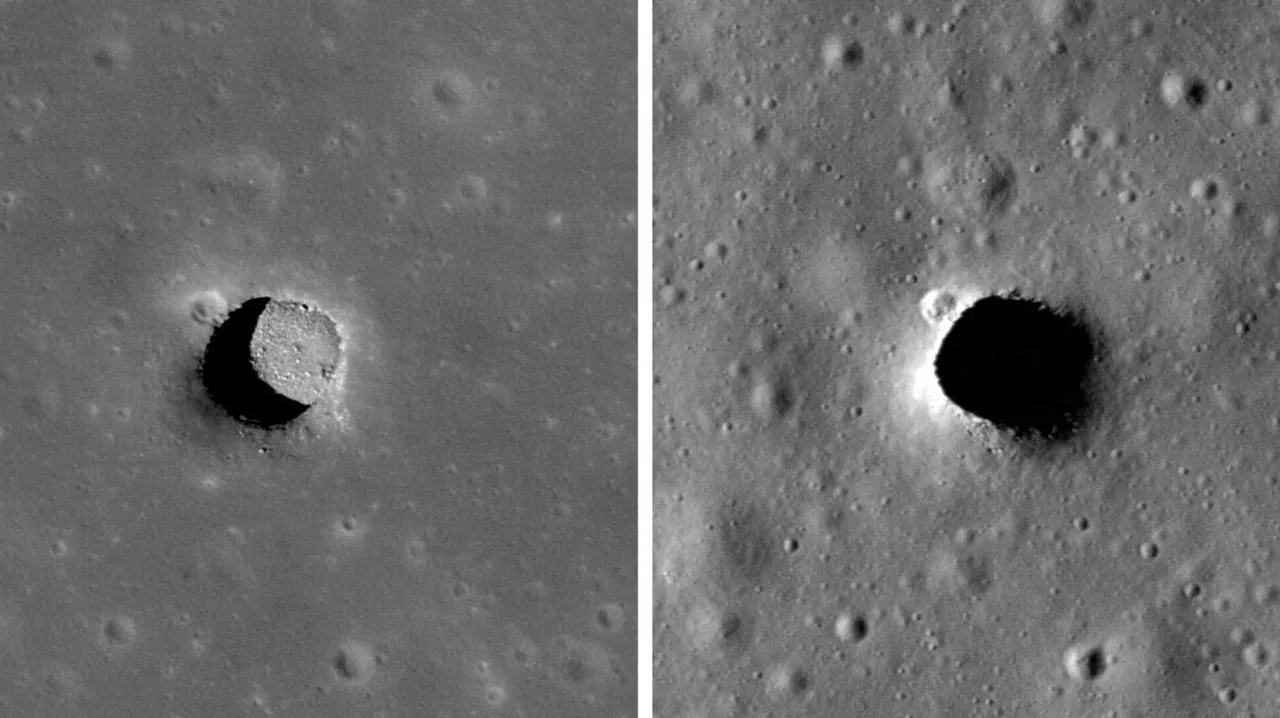
A mysterious hole on the Moon
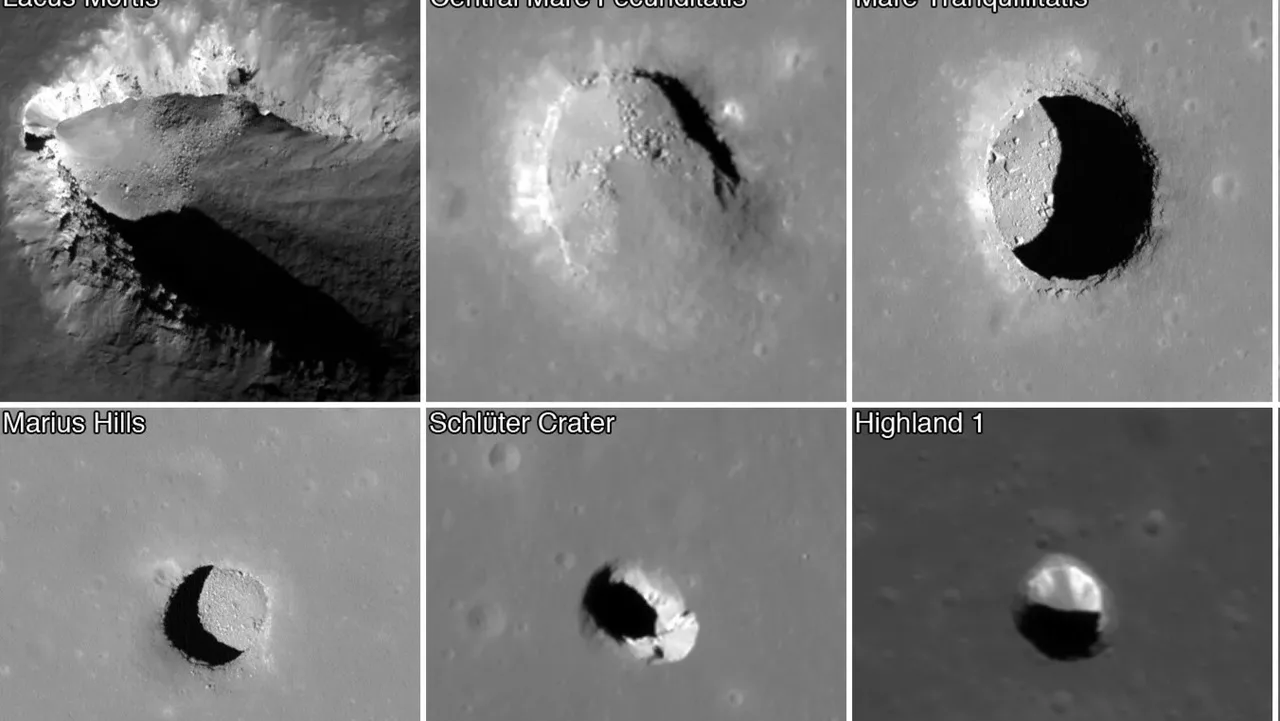
For years, scientists have gathered strong clues that suggest there are caves and lava tubes under the surface of the Moon. According to NASA, these underground structures were formed by ancient volcanic activity. And interestingly, some of the pits found on the Moon could lead the way to these hidden structures.
Now, the Marius Hill Pit is about to get a closer look. NASA has backed a plan to examine it from the ground. Here's a look at the study.
Why does this hole matter so much?
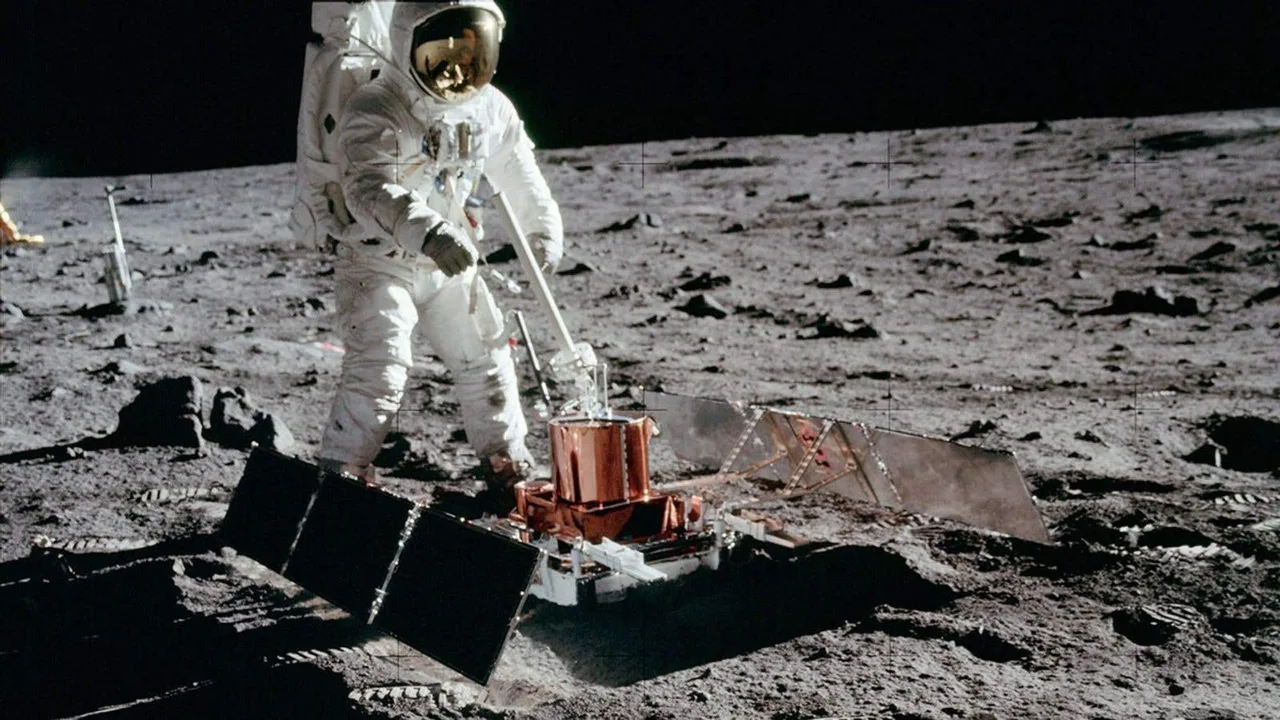
The Marius Hill Pit is a big opening in a region known for its varied volcanic history. Standing on the Moon means coping with radiation and sharp temperature swings. For astronauts who are exploring the Moon, the underground cavern could serve as a natural shield against both of these threats.
Planetary Science Institute Director and CEO Amanda Hendrix said Than Putzig, who leads the project, and his team “are taking a scientific question we've been studying from orbit and have developed a way to investigate it directly on the Moon."
Meet the mission called GIMLI
This project is called Geophysical Instruments for Marius Lunar pit Investigation (GIMLI), and it is led by Than Putzig of the Planetary Science Institute (PSI). NASA's Payloads and Research Investigations on the Surface of the Moon (PRISM) program will fund GIMLI.
GIMLI's instruments will travel on a lander and rover supplied through the Commercial Lunar Payloads Services (CLPS) initiative. Hendrix added, "We're excited to have PSI leading this effort and to be partnering with NASA and Honeybee Robotics to learn more about the Moon and its volcanic past."
How do you scan what's under the surface?
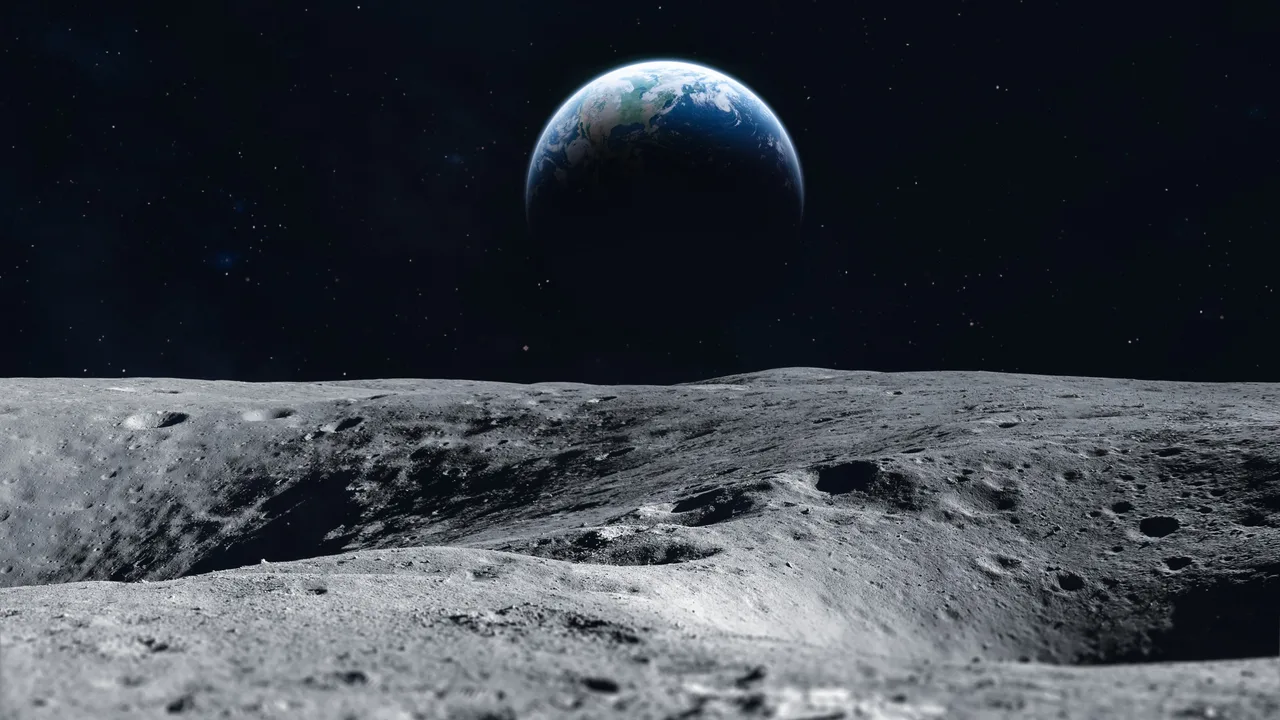
GIMLI will rely on a mix of instruments to look below the Moon's surface. These include ground-penetrating radar, seismic sensors, as well as a gravimeter. The instruments will help search for a possible underground void extending from the Marius Hill Pit.
Separately, cameras will photograph the lunar surface and the exposed walls of the pit. If the instruments detect a void, they will help scientists estimate its dimensions.
What if the cave isn't there?
Even a negative result would teach scientists something. By examining the material around and beneath the pit, scientists will learn how the Marius Hill Pit came to be. Gareth Morgan, a PSI senior scientist and the project's deputy principal investigator, said, "Confirming a substantial lava tube would give us an insight into how volcanism operated on the Moon."
Apart from the Moon, NASA has also been actively exploring the surface of Mars with the help of its two active rovers. These include NASA's Perseverance and Curiosity, both launched in 2021. The most recent milestone came from Perseverance, where the rover broke the all-time off-world driving record by covering a distance of 28.10 miles (45.22 km) on the surface.