SpaceX Starship Flight 14: Booster splashes down in the Gulf, Ship ends in a fireball (watch video)

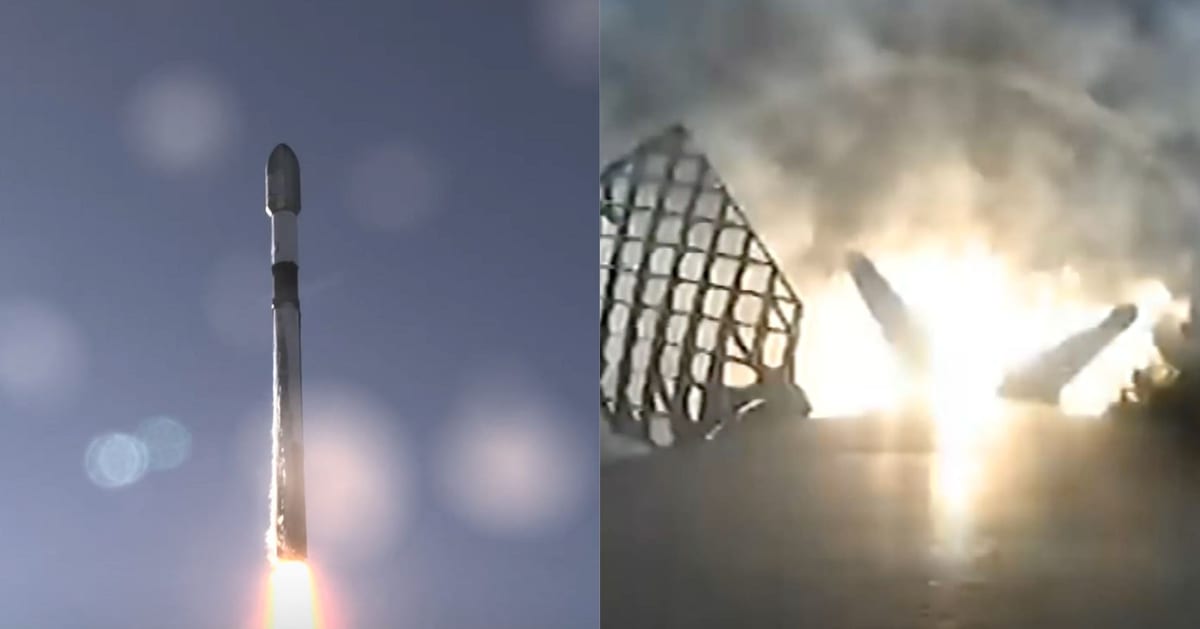
In a major milestone event, SpaceX successfully launched its first orbital flight with Starship Flight 14 on September 28, 2026. After making it into space, the spacecraft sent the 26 Starlink V3 satellites into orbit one by one. Its giant Super Heavy booster splashed down in the Gulf of Mexico afterward, though some of its engines stopped working during the descent. The upper stage, called Ship, had a rougher finish. It hit the Pacific Ocean nose-down and then tipped onto its side, and a large fireball followed.
Booster 21 lands! pic.twitter.com/1PgY1R6LPC
— NSF - NASASpaceflight.com (@NASASpaceflight) September 28, 2026
NASA Administrator Jared Isaacman congratulated SpaceX on X, commenting, “Congrats @SpaceX! Gorgeous launch, getting Ship to orbit and managing every step in a safe, responsible, and especially inspirational way. @NASA, along with the rest of the interested public, is excited to help where we can and for Starship missions to become routine!”
Splashdown confirmed. Congratulations to the entire SpaceX team on the first orbital flight of Starship! pic.twitter.com/urjmiwnvNl
— SpaceX (@SpaceX) September 28, 2026
Key highlights of Starship's first orbital flight
The rocket stood 407 feet tall and generated more than 18 million pounds of thrust at liftoff. It also marked a change from Starship’s earlier tests, all 13 of which had been suborbital. With the recent launch, Flight 14 recorded a new benchmark as it was Starship's first orbital deployment and its first revenue-generating flight. Commenting on this, Elon Musk wrote on X, "All 26 Starlink V3 operational satellites deployed and operating nominally."
Liftoff of Starship's first orbital flight pic.twitter.com/vG6QWlpwnY
— SpaceX (@SpaceX) September 28, 2026
Shortly after liftoff, one of the Ship's three main engines was shut down early. SpaceX spokesperson Dan Huot first told viewers of the live stream that the vehicle could not reach orbit, saying, "The team has made the call not to commit to orbit." A few minutes later, Huot reversed course once he got the confirmation that Ship could fire its other engines for the extra push. But due to engine trouble, SpaceX had to cut time by seven hours from the original 10-hour mission and brought Ship home early.
Starship achieved orbit on its first attempt and successfully delivered Starlink V3 satellites to space for the first time → https://t.co/LwJ4g6dNZ3 pic.twitter.com/pnd3k8x6E0
— SpaceX (@SpaceX) September 28, 2026
What comes next for Starship and SpaceX?
SpaceX is now working on using Starship on a routine basis later this year. In an earlier post, Elon Musk shared his ambitious launch cadence for Starship. He wrote, "Starship is 2 to 3 years away from hourly flights." The company is also preparing for the Crew-13 mission, which will take the crew of four to the International Space Station on October 1, 2026. The launch event will be covered live through SpaceX's official website as well as its X account.

The crew who will fly aboard SpaceX's Dragon spacecraft are Roscosmos cosmonaut Sergey Teteryatnikov, NASA astronauts Luke Delaney and Jessica Watkins, and CSA astronaut Joshua Kutryk. During their time on the ISS, they will conduct astronaut health studies that will help NASA scientists prepare better for the upcoming crewed mission Artemis IV, as well as future missions to the Moon and beyond.
More on Starlust
“Made it a reality”: Stunning Starlink view shows Starship Flight 14 deploy its payload in orbit
LIFTOFF! Watch SpaceX Starship’s first orbital launch, booster splashdown