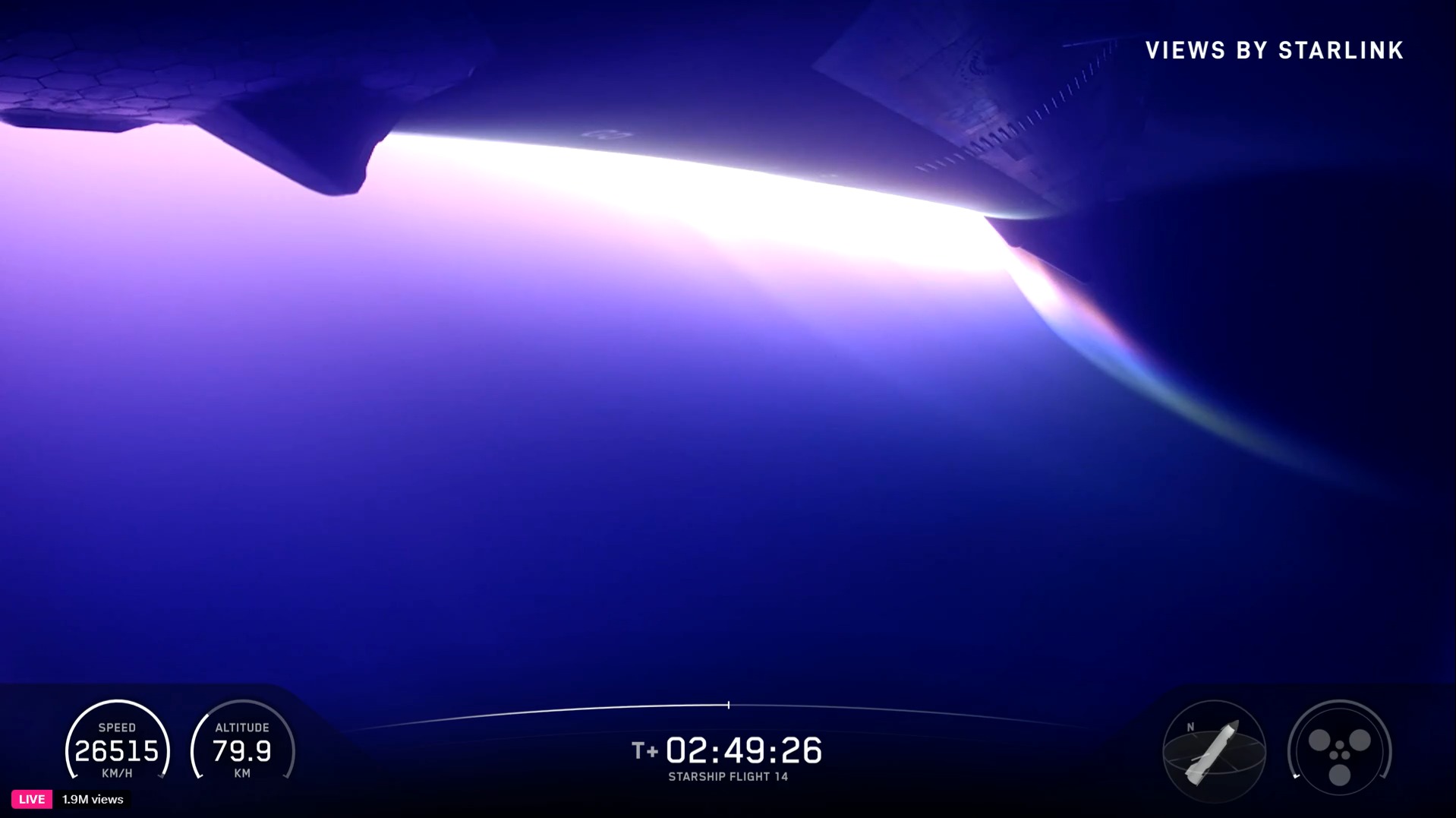
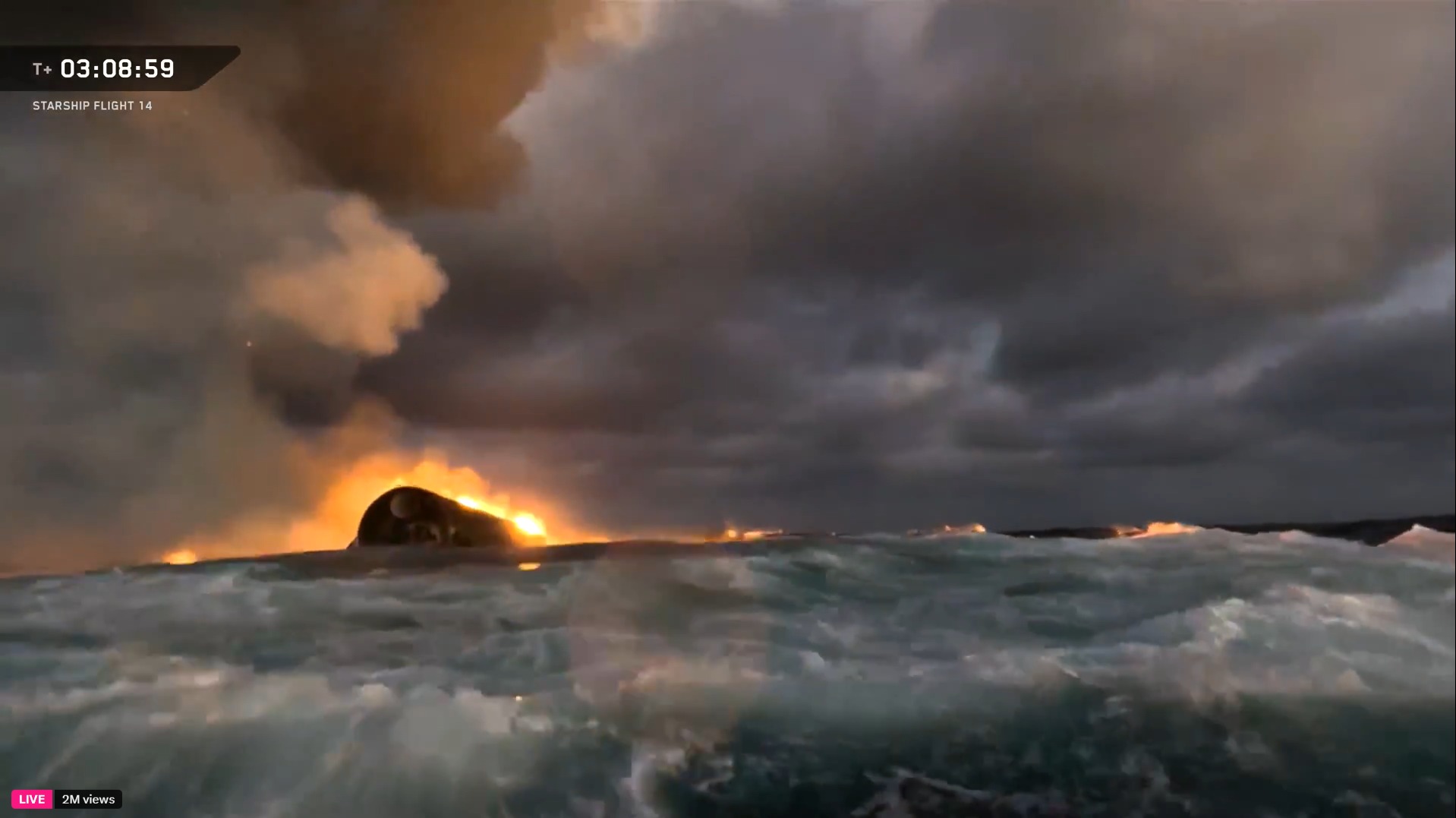
Ship 41 experienced a hard splashdown in the northern Pacific Ocean, bringing the bumpy yet historic Flight 14 to an end. Unlike Ship 40, which remained intact at the end of Flight 13, Ship 41 went up in flames within seconds of splashdown.
Ship 41 bursts into flames following splashdown in the northern Pacific Ocean. SpaceX
Ship 41 has completed a successful deorbit burn and is now headed for a splashdown in the northern Pacific Ocean. SpaceX spokesperson Dan Huot said the upper stage will enter Earth's atmosphere around the 2-hour-47-minute mark into the flight and will splash down around 21 minutes later.
SpaceX will not go ahead with a full 10-hour flight
SpaceX has chosen to end the flight early and deorbit Ship 41 over a preplanned splashdown site in the northern Pacific.
The original plan was to have Ship 41 coast for about 10 hours and fly six orbits around Earth. But the early deorbit means that splashdown will take place a little over 3 hours into the flight.
That's still three times the duration of the previous test flights.
Ship 41 has successfully deployed all 26 of the Starlink V3 satellites into orbit and continues coasting around Earth.
The first contingency checkpoint will arrive in about 20 minutes, when SpaceX will decide whether they want to go ahead with the mission or make use of the earliest deorbit opportunity over a preplanned splashdown site in the Pacific Ocean near Hawaii.
Ship 41 has started deploying Starlink V3 satellites
The first Starlink V3 satellites are in orbit, thanks to Ship 41. Once deployed, these satellites will unfold their antennas and solar arrays to establish contact with the ground and then raise their orbits using onboard thrusters. SpaceX says they'll become operational within a matter of weeks and will provide a total of 26 Tbps of capacity to the existing network.
Three of the satellites have also been fitted with cameras to send imagery of Ship's heat shield down to operators on the ground.
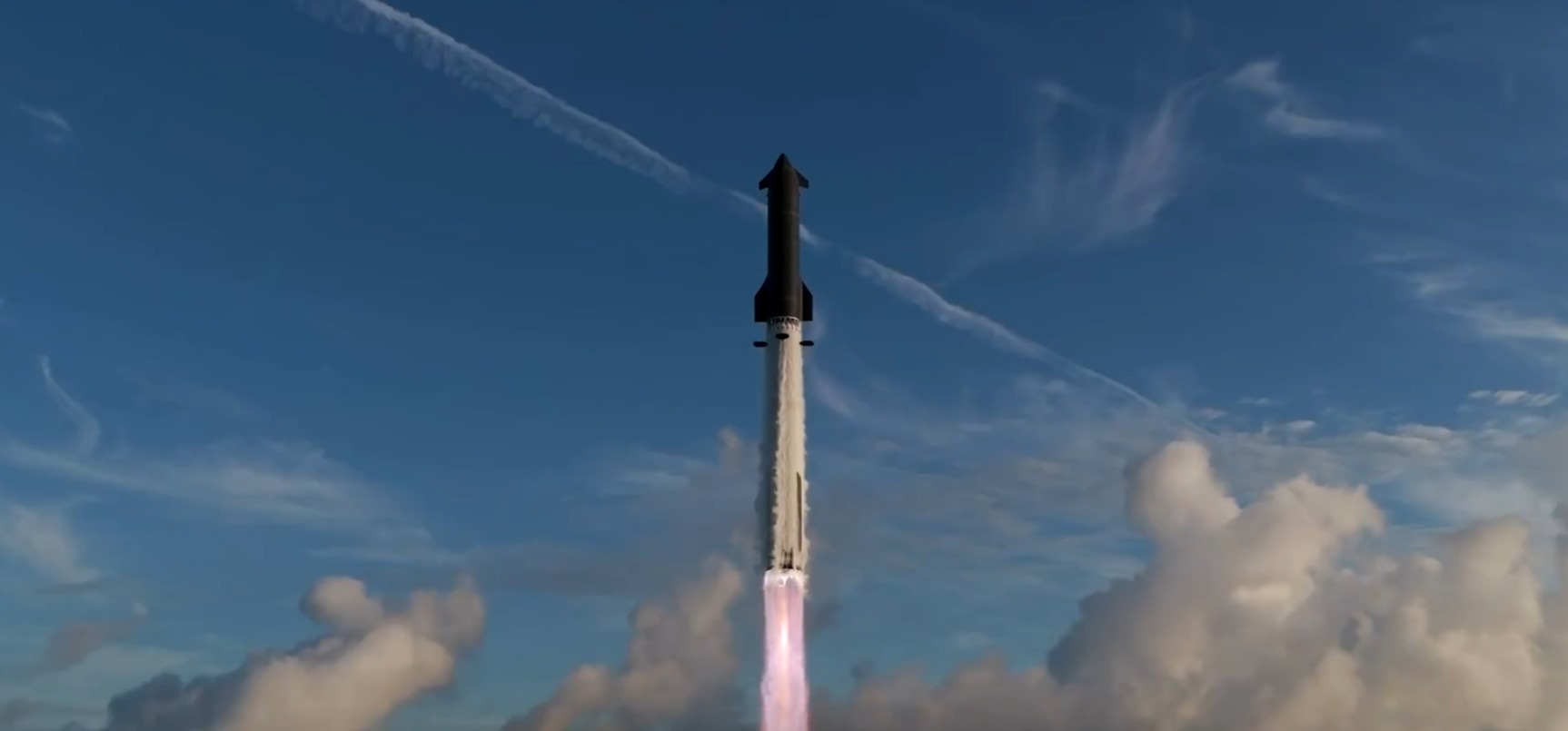
Ship 41 seen deploying one of the 26 Starlink V3 satellites on Flight 14. SpaceX
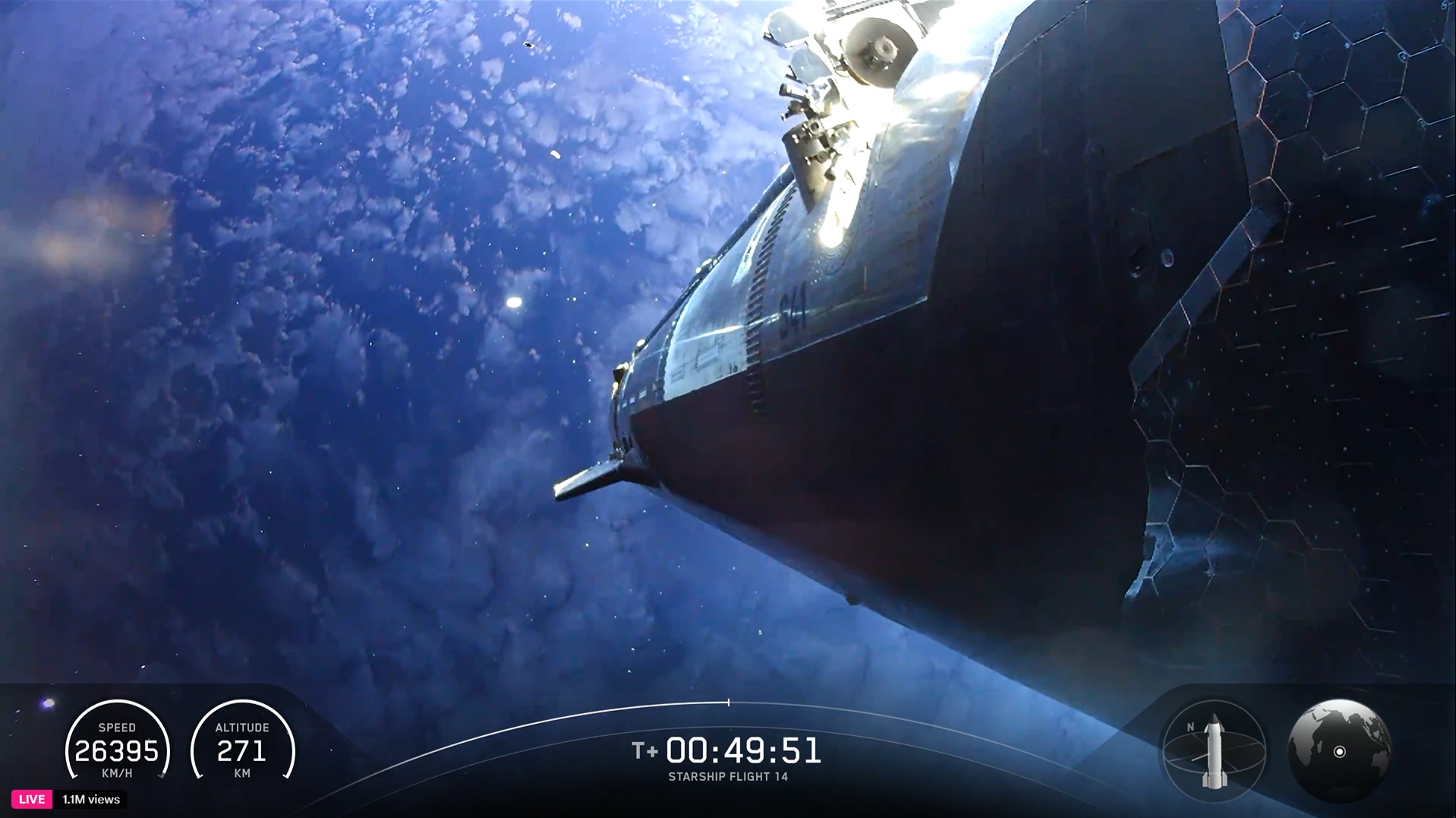
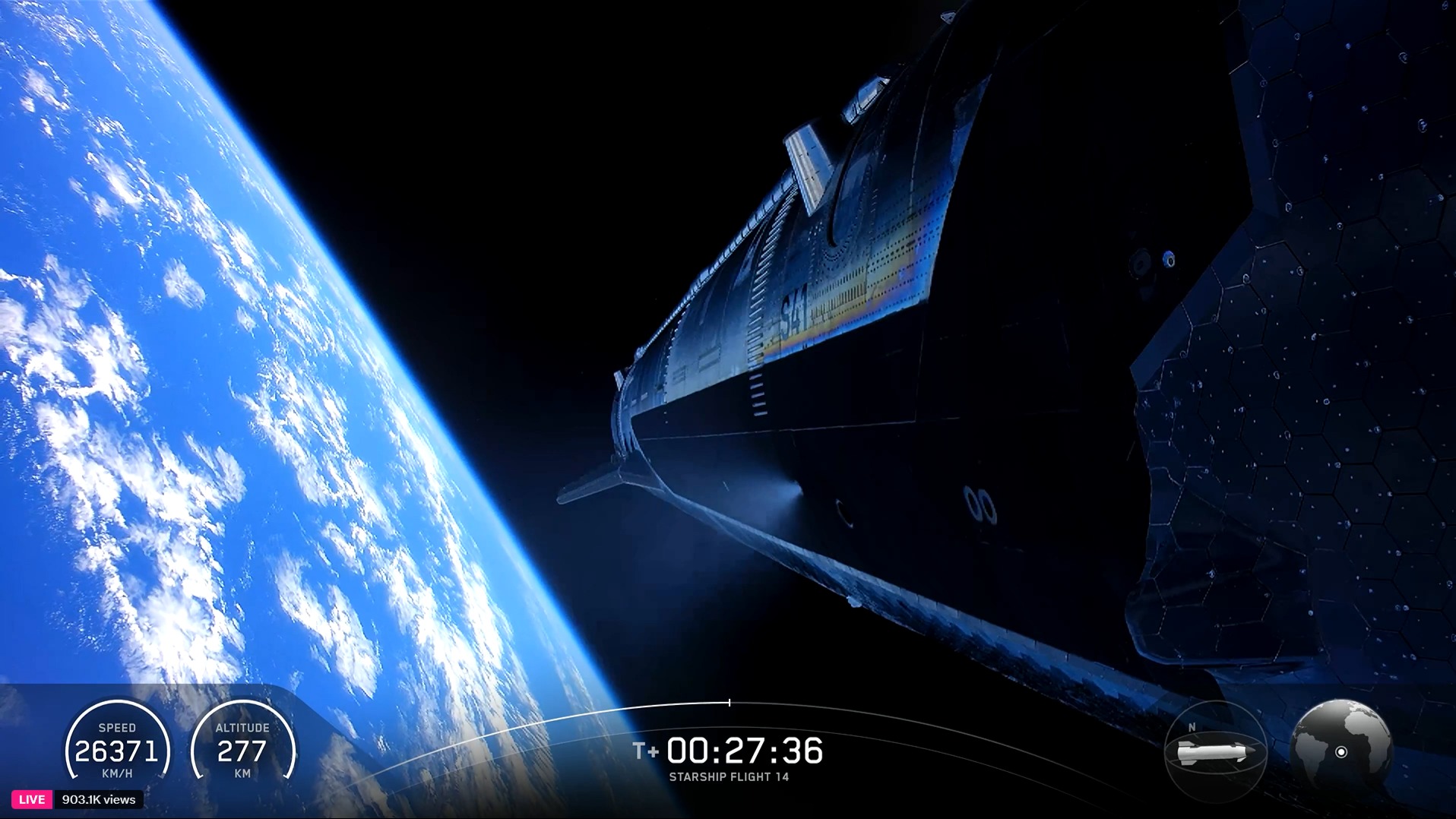
Ship 41 is in orbit around Earth after a successful orbital insertion burn. It's now in its second coast phase, during which it will deploy the 26 Starlink V3 satellites it has on board. A couple of contingency checkpoints have been built into this phase. And if SpaceX technicians notice any anomalies at these checkpoints, they can choose to deorbit Ship 41 early.
Ship 41 imaged in orbit during Flight 14 after successful orbital burn. SpaceX
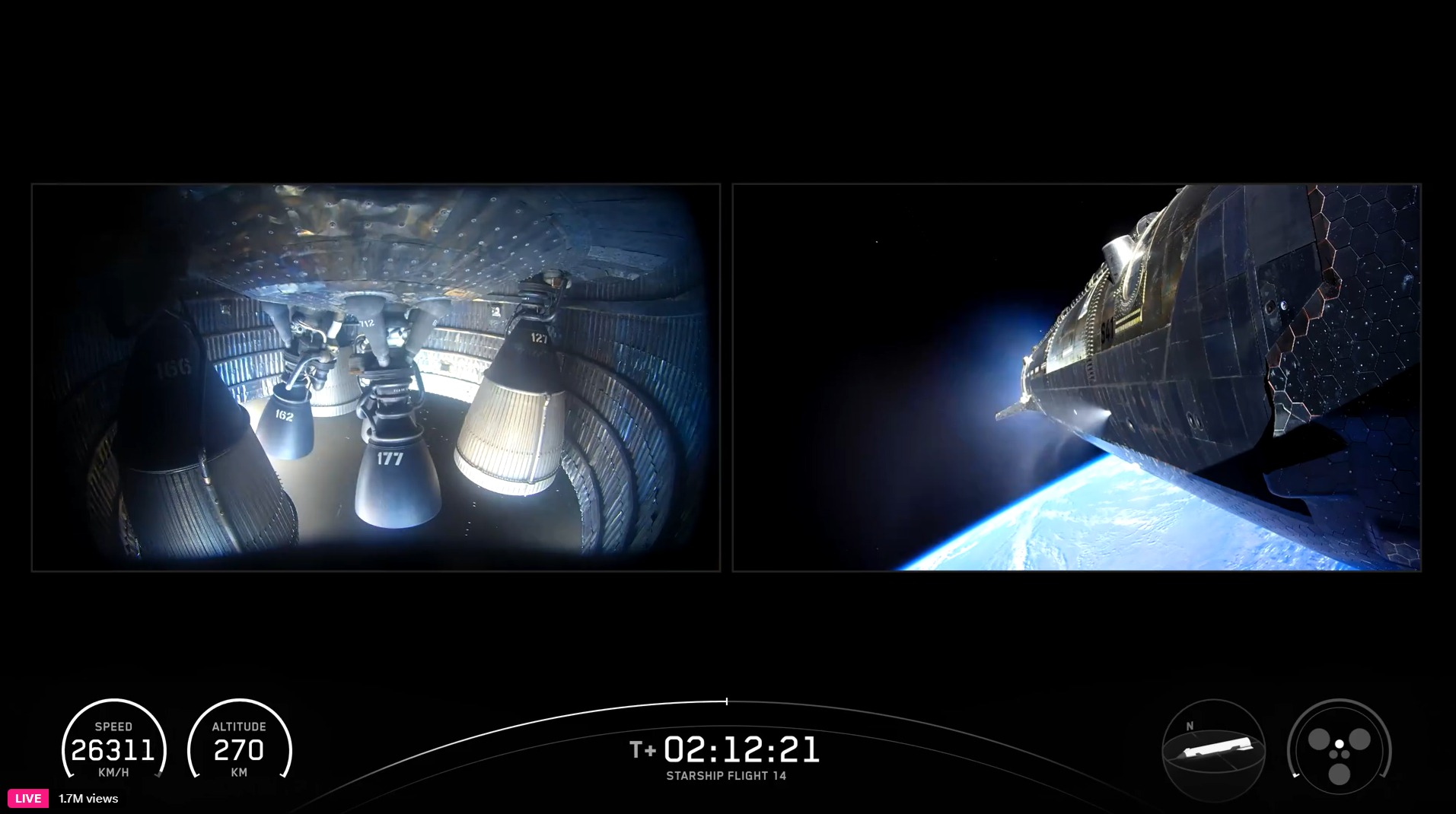
Ship 41 has lost one engine, but is still 'go' for orbit
Ship 41 is now in space even though it did lose one of its Raptor Vacuum engines early. While the anomaly made SpaceX consider not sending Ship into orbit, technicians eventually gave it the go-ahead.
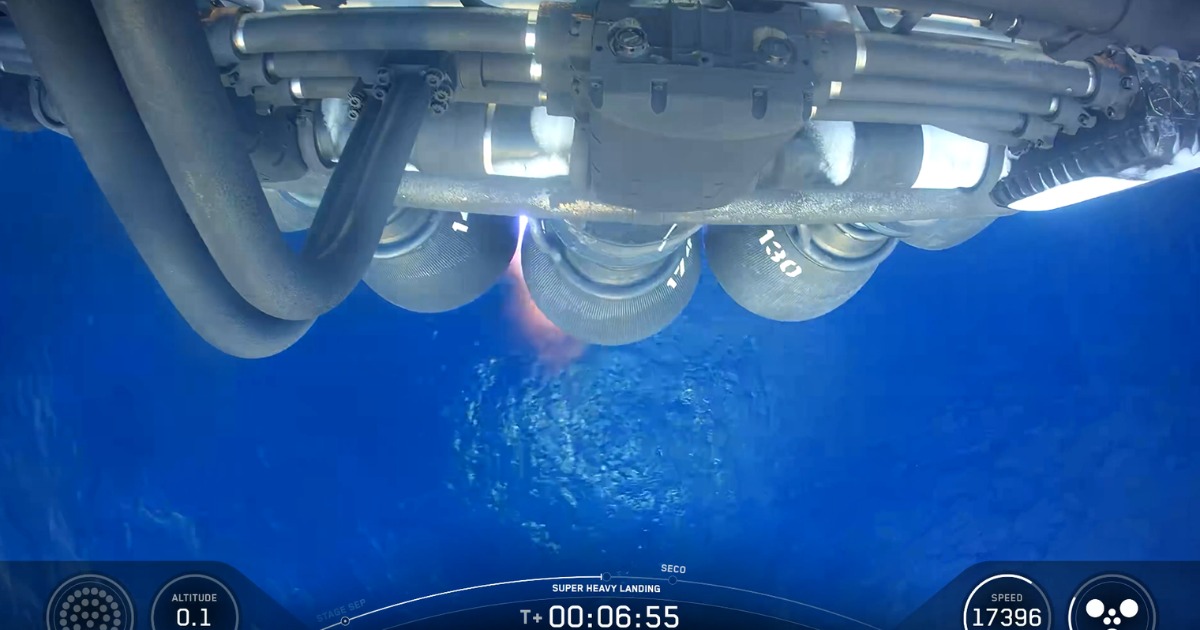
Unlike the last flight, the first stage could only relight 31 out of the 33 Raptor engines during the boostback burn. The splashdown in the Gulf of America, however, looked soft. But it’s not clear if all 13 engines required for a perfect splashdown were relit.
Super Heavy attempting a soft water splashdown in the Gulf of America. (Image Source: SpaceX)
Up, up, and away! Starship Flight 14 achieves liftoff!
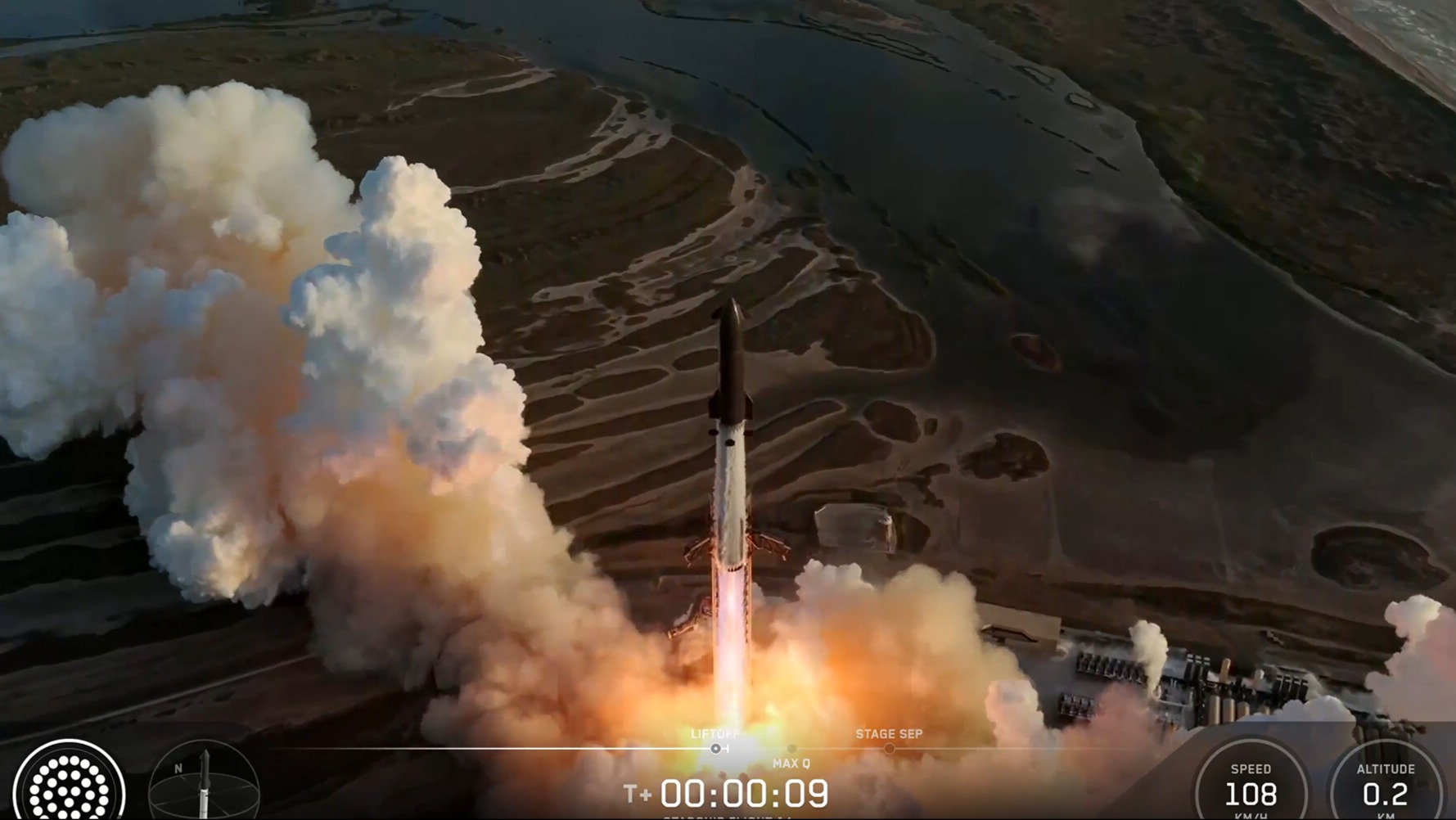
Starship’s most ambitious mission yet is officially underway. The mega rocket achieved liftoff at 7:48 a.m. CDT (8:48 a.m. EDT) from Starbase. If all goes well, the mission will last about 10 hours, as Ship 41 will attempt to reach orbit for the first time and make six trips around Earth.
Next up: Max Q, which marks the stage during a launch when a rocket endures maximum mechanical stress as it makes its way through Earth’s atmosphere.
Starship achieves liftoff from Starbase, Texas, on its 14th test flight. SpaceX
"Weather's gorgeous, providing us with some pretty great clouds. Not going to be an issue throughout the count," said Dan Huot, who's hosting SpaceX's live broadcast of the mission. Huot also mentioned that the decision to target 7:48 a.m. CDT (8:48 a.m. EDT) for launch was made to ensure better lighting conditions at the various splashdown locations.
The SpaceX flight director has given the ‘go’ for the propellant load. Teams will first begin loading Booster 21 with liquid oxygen before they start loading it with liquid methane. The same sequence will be followed for Ship 41 as well.
SpaceX is now targeting 7:48 a.m. CDT (8:48 a.m. EDT) for launch.
Today is the day. Starship is upright at its pad in Starbase, Texas, for its most ambitious flight yet.
Besides being the 14th integrated test flight of Starship, it will also mark SpaceX's first attempt to send the upper stage of the mega rocket to orbit. Once the flight control team has ensured sufficient redundancy for a deorbit burn, the upper stage (Ship 41) will enter orbit to reach an altitude of approximately 275 km above Earth. During the approximately 10-hour-long mission, Ship 41 will complete around six orbits of the planet and deploy 26 Starlink V3 satellites into orbit for the first time before splashing down in the Pacific Ocean near Chile.
Once the satellites have been deployed, they will unfold their antennas and solar arrays to establish contact with the ground teams. They will then begin raising their orbits using onboard thrusters. Three of the satellites have been fitted with cameras to image the heat shield of the upper stage.
Booster 21, the first stage of the rocket, meanwhile, will be tasked with executing a successful launch, ascent, stage separation, boostback burn, and landing burn in the Gulf of America. SpaceX has made several hardware and software modifications to the stage to address issues experienced by the booster during the last test flight.
The 75-minute launch window for Flight 14 opened at 7:15 a.m. CDT (8:15 a.m. EDT).
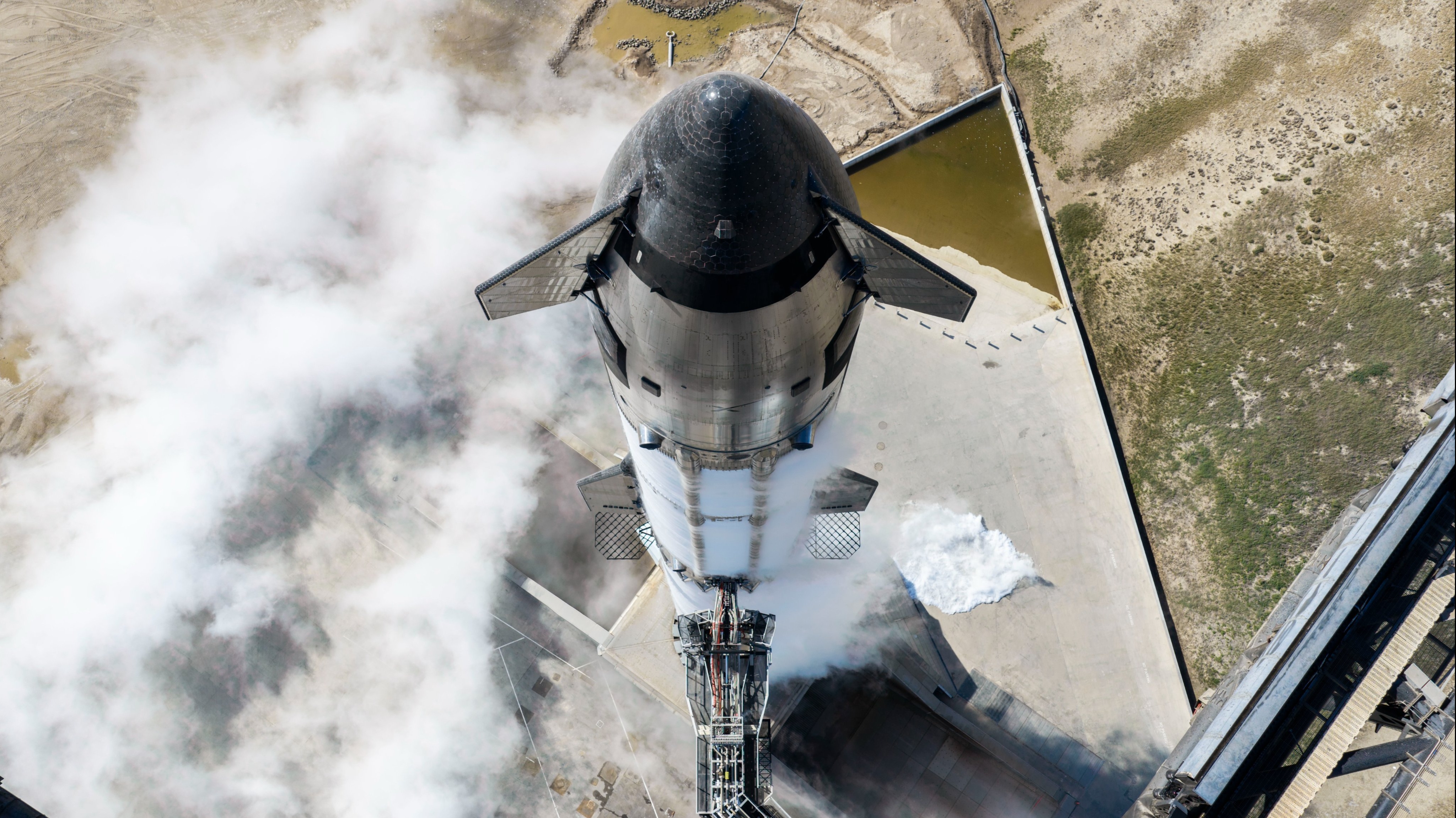
Starship pictured during launch rehearsal ahead of Flight 14. SpaceX
 Saubhagya Mukherjee