NASA’s Pioneer probes seemed to defy physics for decades. Scientists finally found out why
The space mystery that took decades to solve
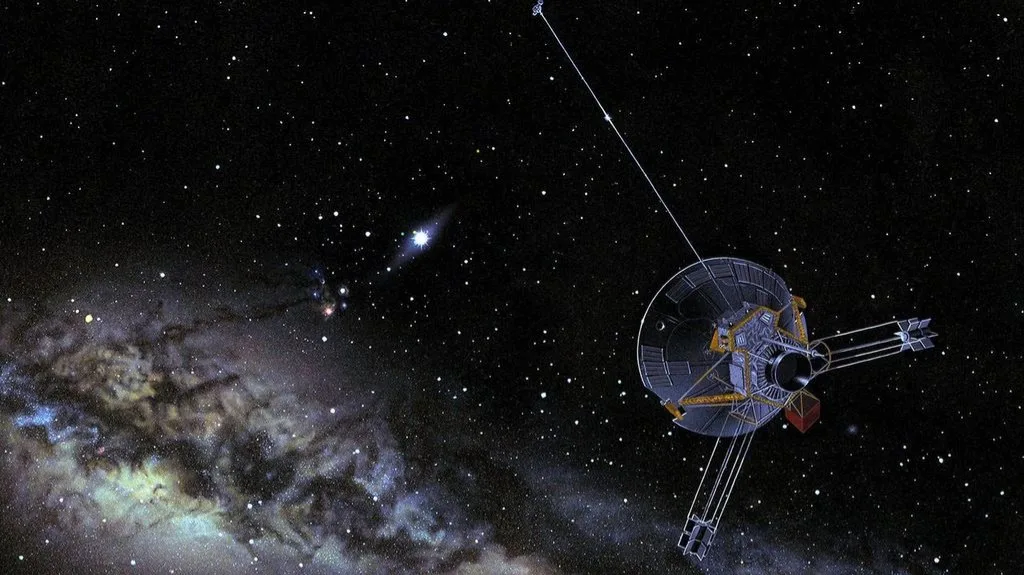
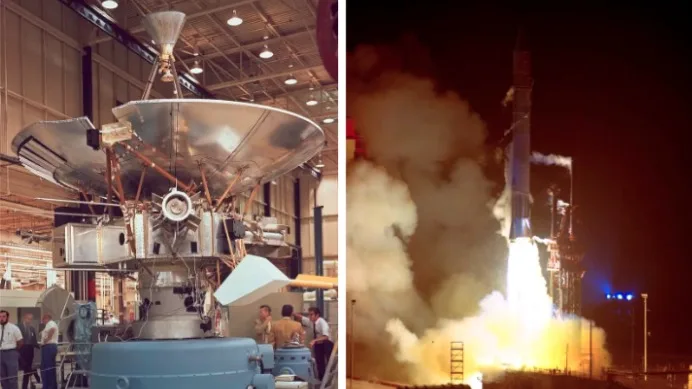
Pioneer 10 and 11 launched in 1972 and 1973 and headed out of the solar system. But each year, they ended up about 5,000 kilometers (3,000 miles) short of where scientists expected them to be. No one knew what was happening, and this puzzle soon came to be known as the Pioneer Anomaly.
So what was really holding these probes back? Finding an answer to this took decades, and here’s what NASA shared was really going on.
The probes were slowing down, but why?
Navigators first noticed the slowdown in the early 1980s. By 1998, the spacecraft were more than 13 billion kilometers (8 billion miles) from the Sun. According to a team led by John Anderson at NASA’s Jet Propulsion Laboratory, the spacecraft were indeed slowing down.
The team then measured that the slowdown was happening at about 0.9 nanometers per second squared, and this meant each probe’s speed changed by less than a billionth of a meter every second. Even so, nothing known about the spacecraft or the outer solar system could explain it.
Scientists began to ask if physics itself was wrong
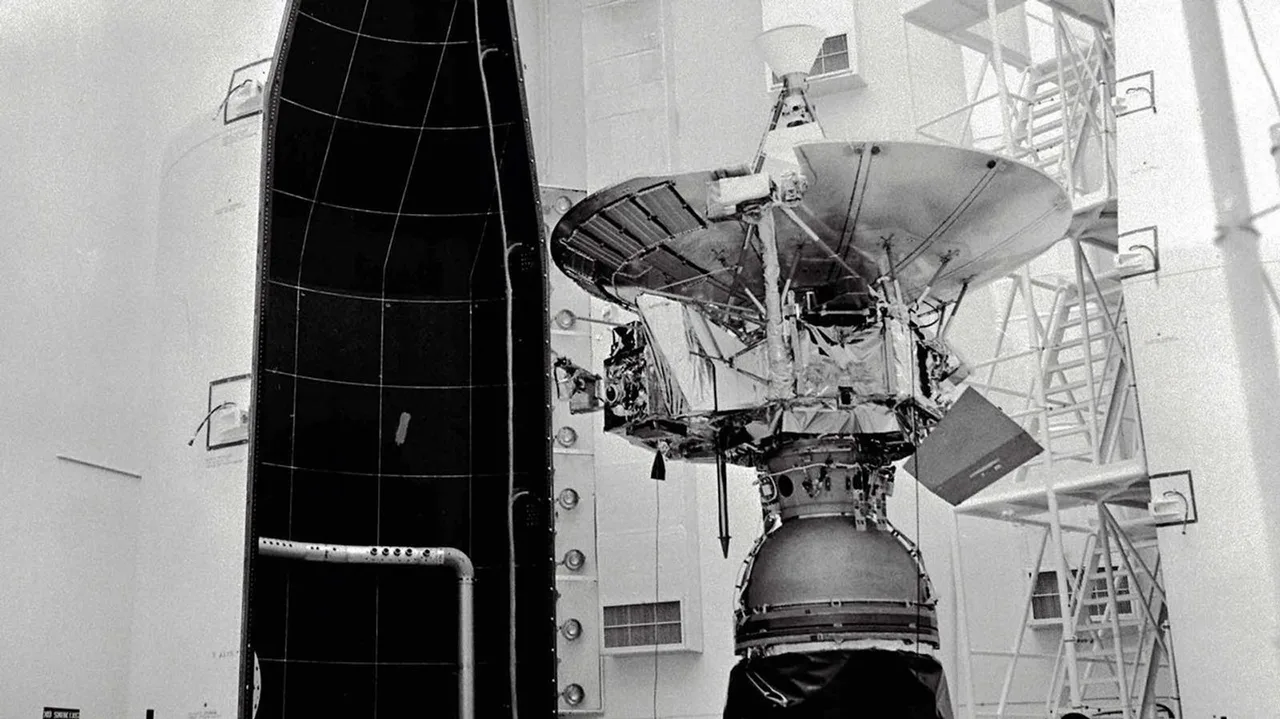
There was no answer in sight for the slowdown, and then researchers asked a bold question. They questioned whether the slowdown could point to new physics that contradicted Einstein’s general theory of relativity.
Anderson and colleague Slava Turyshev wanted to dig deeper, but according to The Planetary Society, NASA declined to fund the data recovery and analysis at first. So they asked the society for help. Soon after, its members stepped in, and NASA later added funding too.
Then scientists went looking for forgotten records
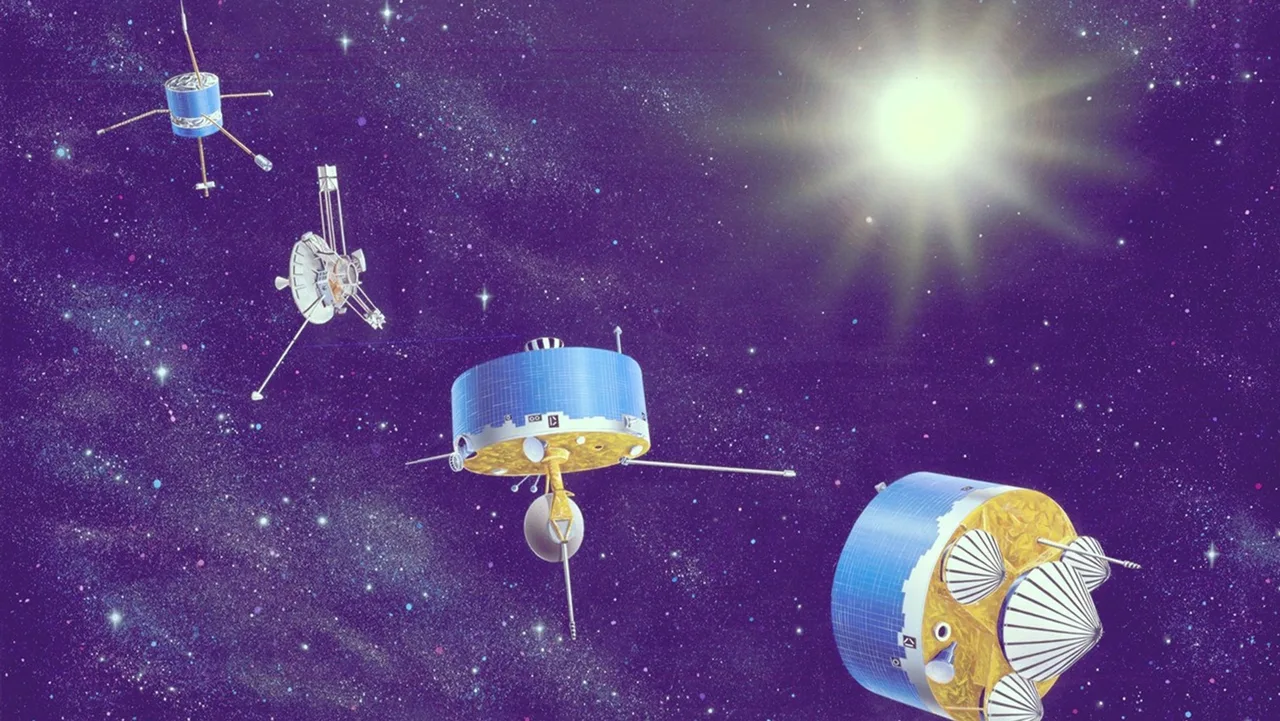
In 2004, Turyshev began looking for the original records. He copied files from the computer of JPL navigators and found over a dozen boxes of magnetic tapes stored under a staircase at JPL. More data came from NASA’s Goddard and Ames research centers. In total, he collected over 43 gigabytes. He even saved a vintage tape machine that was about to be discarded. Viktor Toth, a programmer in Canada, then helped build software to read and clean the data.
Turyshev later credited The Planetary Society’s support by saying, “Without the rescue of the Doppler data, we would have been blind, never able to claim the quantitative data we need to solve the anomaly. The recovery of Doppler and telemetry data and the entire effort in thermal analysis would not have happened without the Planetary Society.”
The culprit was the spacecraft’s own heat
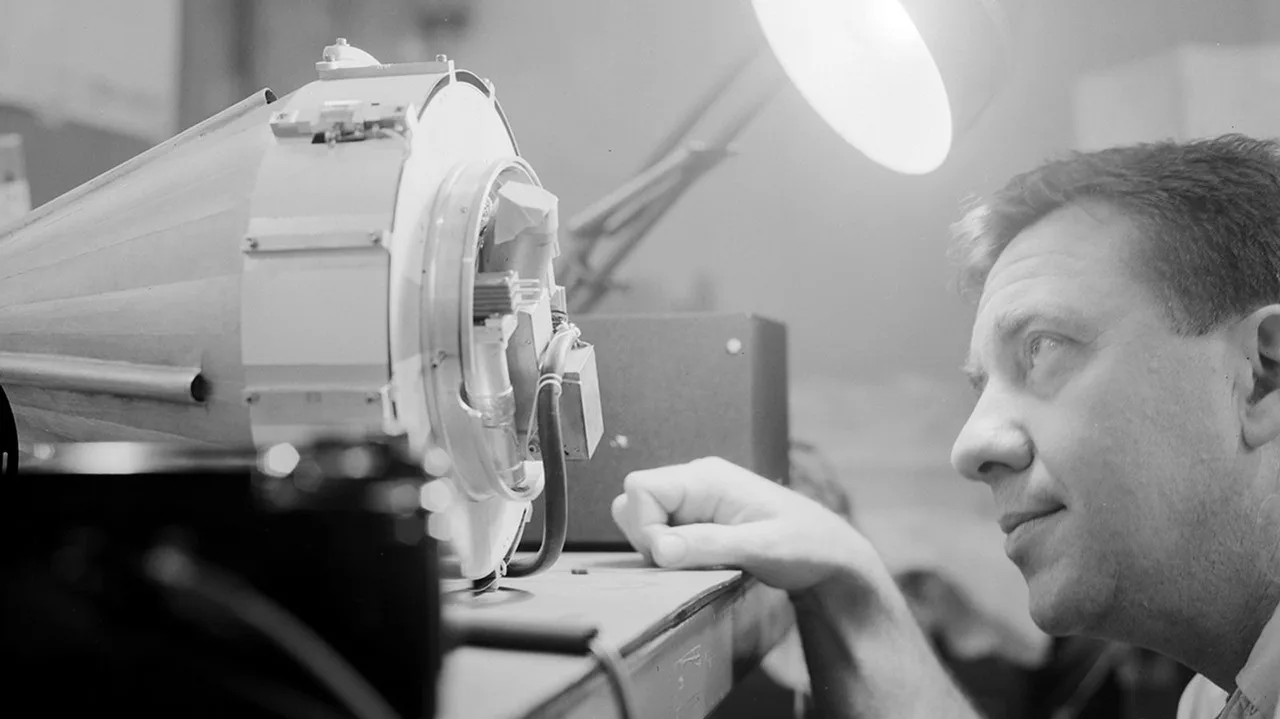
The researchers found that heat from electrical current running through the instruments and the thermoelectric power supply, which runs on decaying plutonium, was pushing back on the probes. According to NASA, the results appeared in Physical Review Letters.
Turyshev explained, “The effect is something like when you’re driving a car, and the photons from your headlights are pushing you backward.” He added, “It is very subtle.”
The mystery finally had an answer
The team built a detailed thermal model of the two spacecraft from their design documents. They then fed it actual flight telemetry to work out how heat was flowing and radiating away. As an added step, they built a simpler model of the heat’s push and estimated its values independently, using Doppler data (the pattern of data the spacecraft sent back to Earth).
According to the study, the two estimates showed no statistically significant difference. Turyshev said, “The story is finding its conclusion because it turns out that standard physics prevail.” He added, “While of course it would’ve been exciting to discover a new kind of physics, we did solve a mystery.”