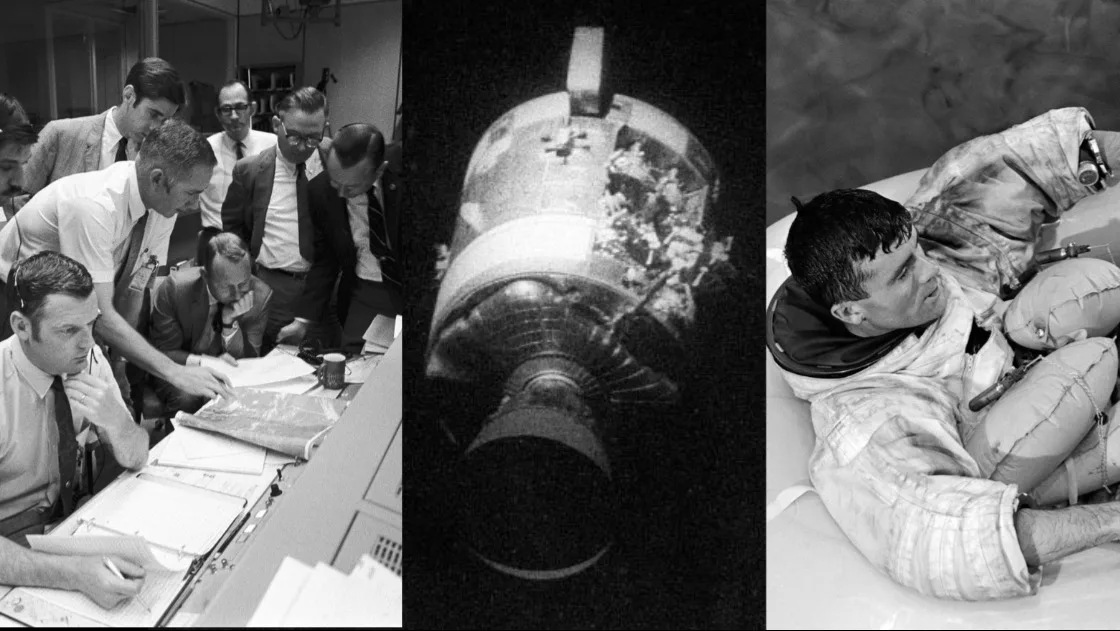
"Houston, we've had a problem": How Apollo 13’s Moon mission turned into a fight to get home
A Moon landing that never happened
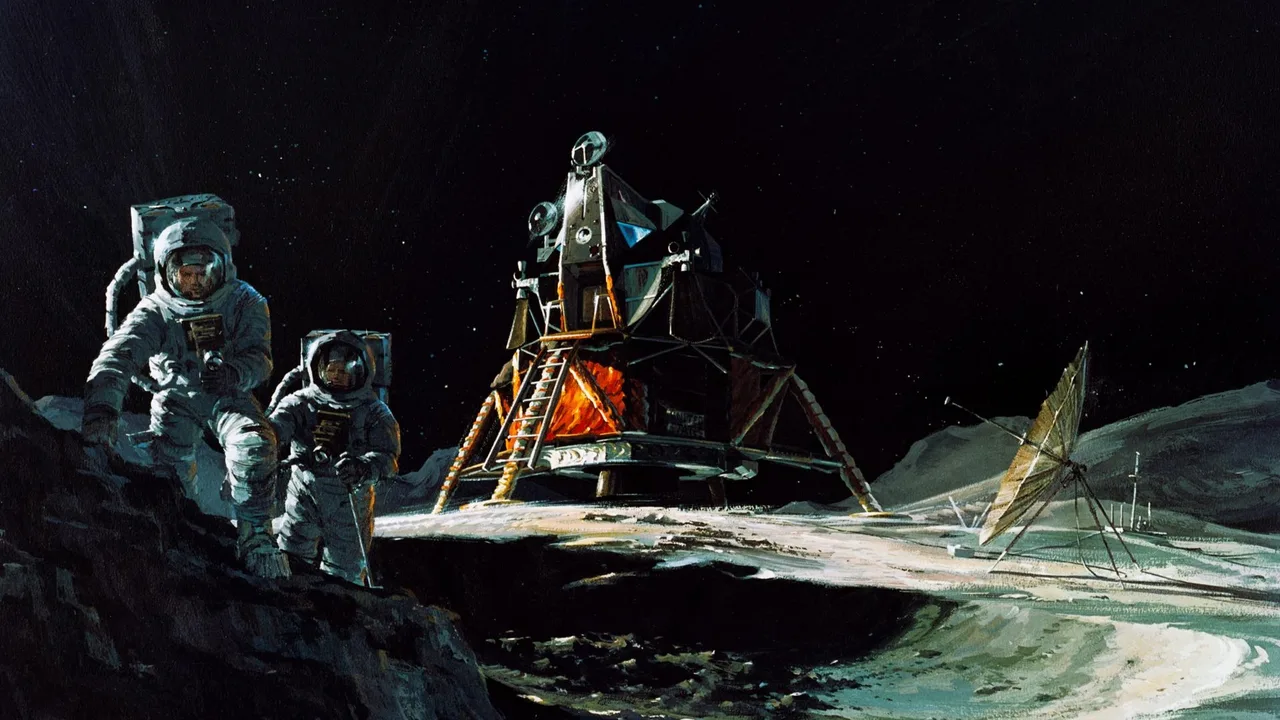
NASA’s Apollo 13 mission was supposed to land two astronauts on the surface of the Moon. According to the mission schedule, Commander James A. Lovell and Lunar Module Pilot Fred W. Haise planned to land in the Fra Mauro highlands (on the surface). They would then stay for a total of 33 hours and take two spacewalks to survey the geology and set up scientific instruments.
On the other hand, Command Module Pilot John L. “Jack” Swigert would stay in lunar orbit to do his own science. But the mission did not go as planned. Here’s what happened during the Apollo 13 mission.
“Houston, we’ve had a problem here”
On the third day of the mission (about 205,000 miles from Earth), the crew finished a TV broadcast showing their two spacecraft. These were the Command Module Odyssey and the Lunar Module (LM) Aquarius. Everything was going as usual until the crew suddenly heard a “bang.”
And within seconds, warning lights lit up in the cabin, and Mission Control saw strange data coming in. Swigert called down, saying, “Okay, Houston, we’ve had a problem here.”
And then the landing was off the table
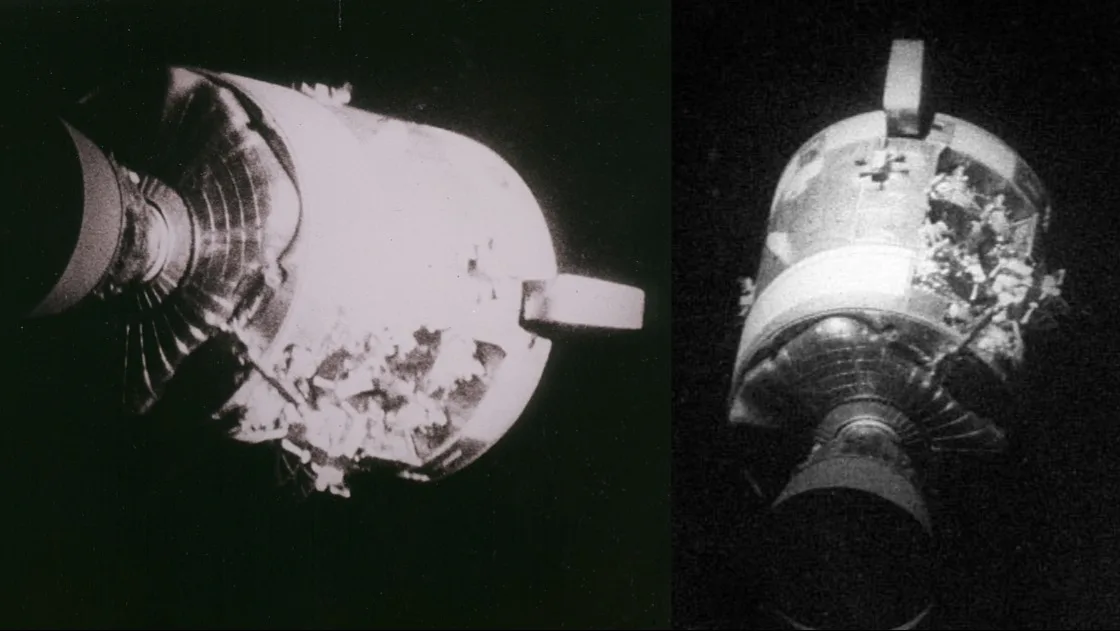
Just within the first few minutes, two of Apollo 13’s three fuel cells appeared to be offline. And about 14 minutes in, Lovell reported that oxygen tank 2 was at zero. He added, “It looks to me, looking out the hatch, that we are venting something. We are venting something out into space. It’s a gas of some sort.”
Tank 2 was empty, and tank 1 was draining. Then the controllers shut down one fuel cell, and this ended any chance of landing on the Moon. This is because flight rules barred entering lunar orbit with only two of them working.
“Okay now, let’s everybody keep cool”
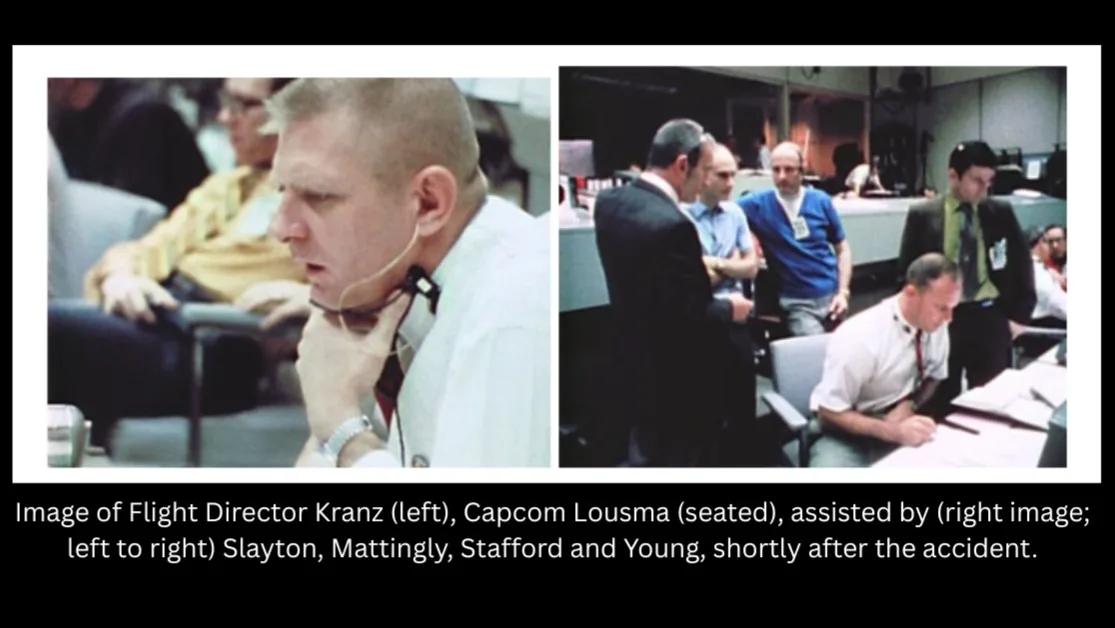
Handling the situation at hand, Flight Director Gene Kranz said, “Okay now, let’s everybody keep cool, we got the LM still attached, the LM spacecraft’s good so if we need … to get back home we’ve got a LM to do a good portion of it with.” He added, “Let’s solve the problem, but let’s not make it any worse by guessing.”
Less than an hour after the bang, Kranz told his team the new plan was to loop around the Moon and get the crew home safely as quickly as possible.
The lunar module became their lifeboat
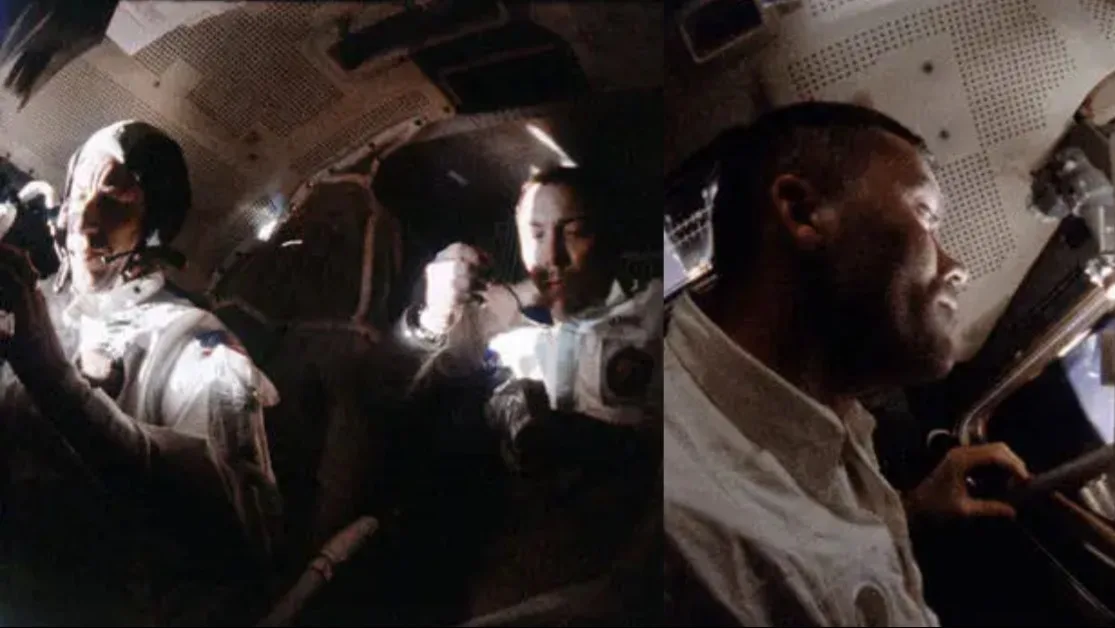
Astronaut Jack R. Lousma called the crew and said tank 1 quantity “was slowly going down to zero, … we’re starting to think about the LM lifeboat.” The crew’s command module, Odyssey, had only 15 minutes of power left.
Haise, already in Aquarius, radioed, “Jack, I got LM power on.” Aquarius was meant to serve two people for just two days, NASA noted. Instead, it now had to support three astronauts over a four-day period. Less than three hours after the crisis began, Odyssey was shut down.
The long trip home
After swinging around the Moon, the crew fired the lunar module’s engine for 4 minutes and 24 seconds, and this brought them back to Earth 10 hours earlier than planned. The astronauts then shut down Aquarius to save power, but due to this, the cabin grew colder, and it made it hard for them to get proper sleep.
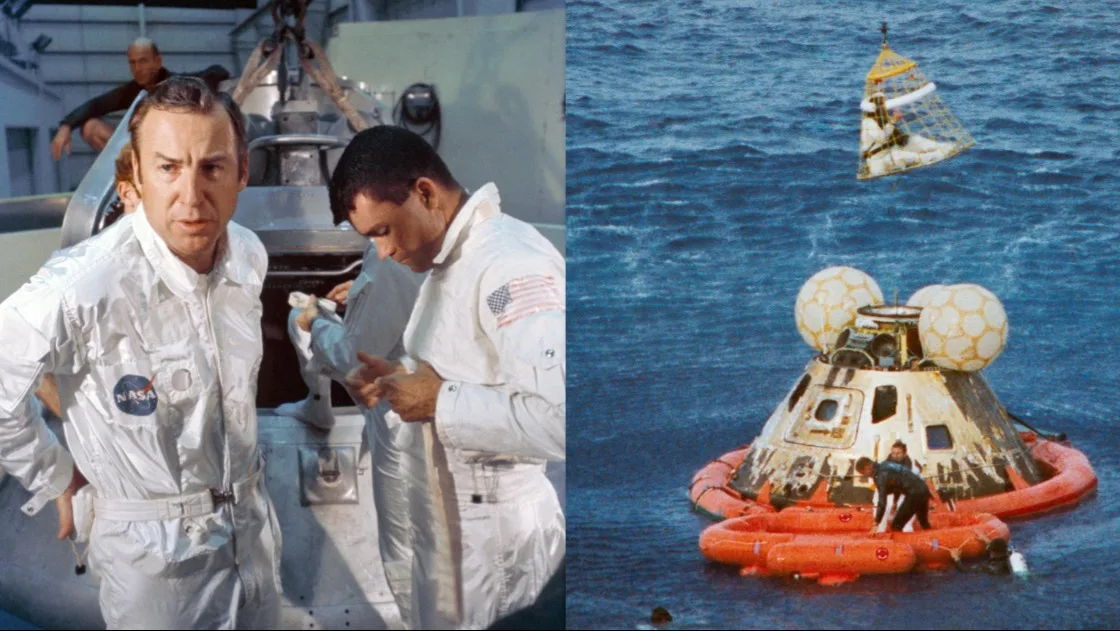
Chief of Flight Crew Operations Deke Slayton advised them, "We think you guys are in great shape, all the way around. Why don't you quit worrying and go to sleep." At 90 hours and 25 minutes, Apollo 13 crossed from the Moon’s gravity into Earth’s. On April 17, 1970, the crew safely landed in the Pacific Ocean.