New Pentagon UFO files: How close are we to alien life? Ex-NASA official explains
What’s new in the UFO files?
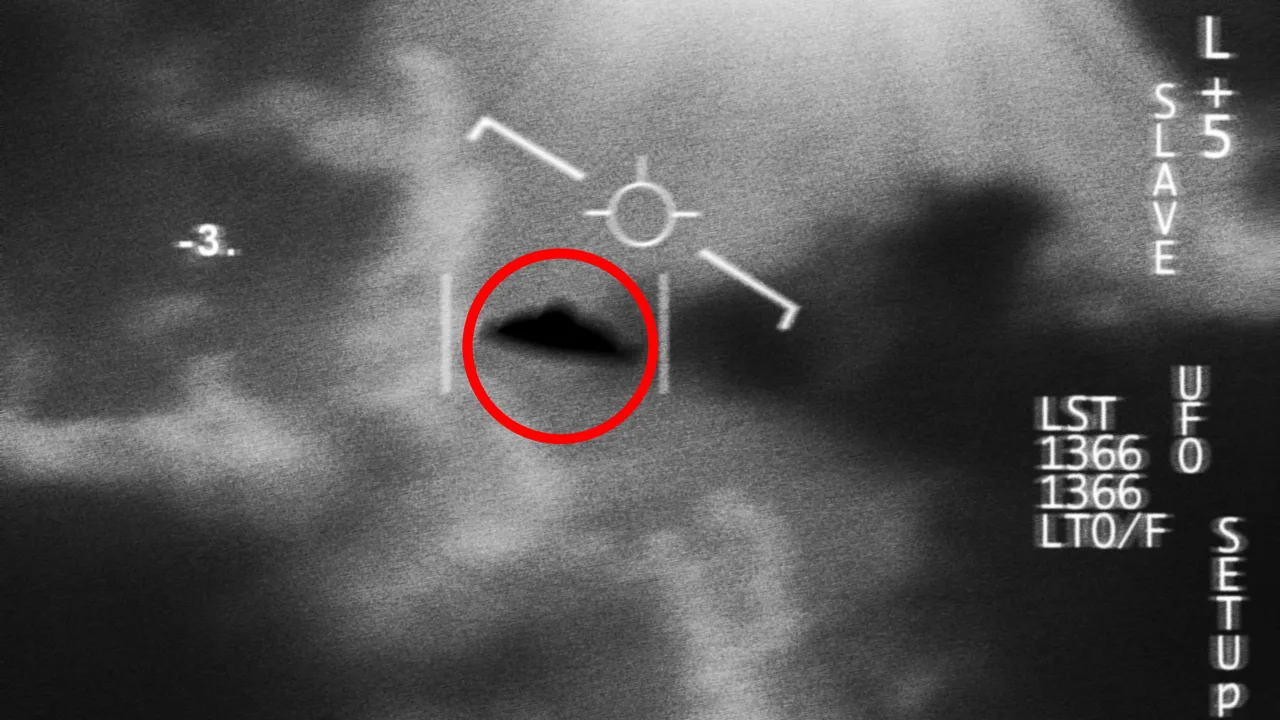
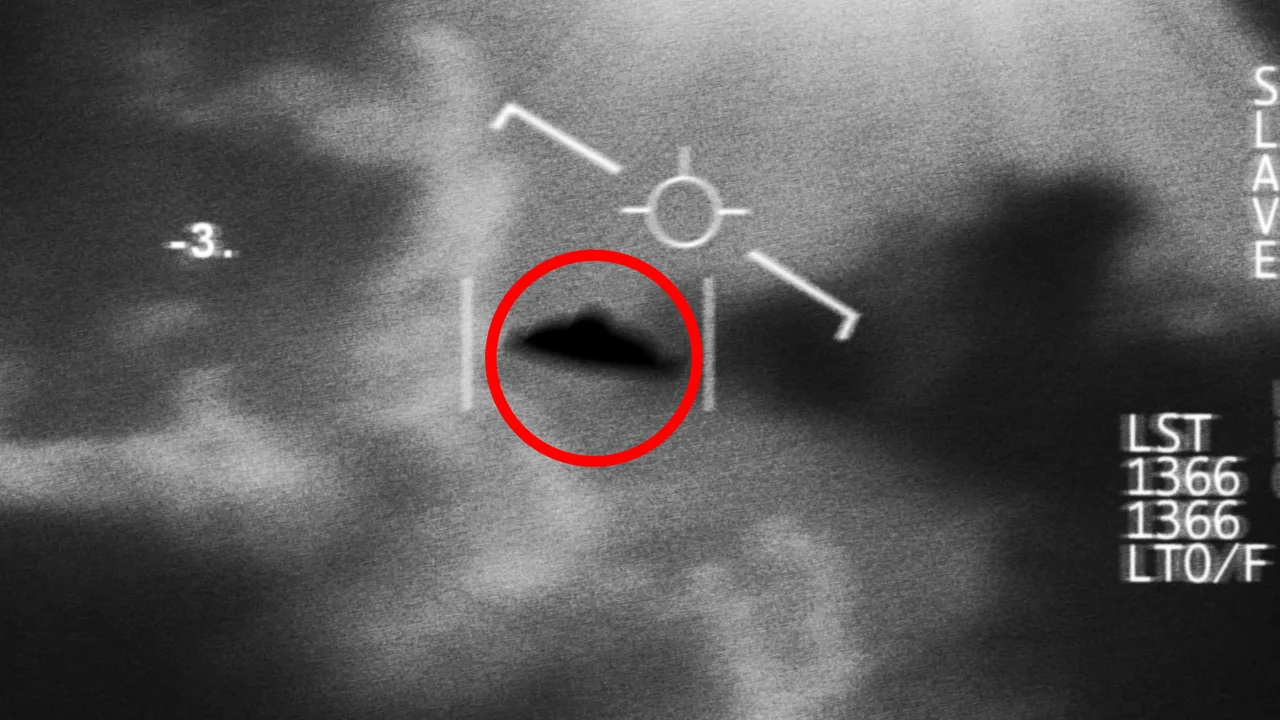
On August 7, 2026, the U.S. Department of War released a new batch of UFO files, which includes 41 materials in all, covering documents, images, and even videos from reports recorded by the FBI, the State Department, the Pentagon, the CIA, and the Executive Office of the President. These releases have caught the attention of the general public as well as researchers around the world.
Mike Gold, a former NASA official who has spent years studying UAP, or Unidentified Anomalous Phenomenon, says that this recent data is unlike anything the government has released before. Here’s what he means.
What does NASA think of the Pentagon’s UAP files?

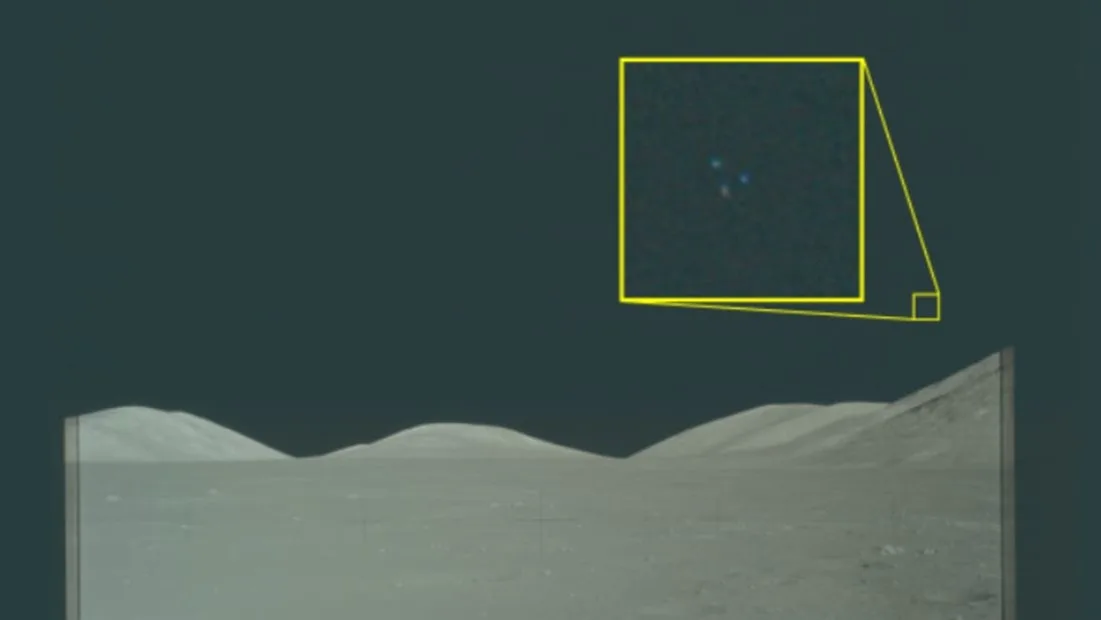
Mike Gold shares that NASA is actively supporting the Department of War's UAP releases, even though most of the material was technically public already. For this, he pointed to a 1972 report from the Apollo 17 moon landing that included an image showing three lights arranged in a triangle. It’s the same image that was flagged again in newly released documents.
"NASA is a proactive participant in all of this," Gold said. He added that having such imagery officially labeled anomalous is "very powerful in fighting the stigma." He also shared that there are members of the space agency who want to pursue the UAP issue, and when the White House includes NASA imagery in the recent files, it makes them even more comfortable doing so.
How close are we to finding the truth about alien life?

Gold doesn't see this disclosure as an announcement that aliens exist. He calls it a slow, methodical review process, but an unprecedented one. "As I think about disclosure, we are absolutely in the disclosure process. This is what the White House documents are. You have to applaud this Trump administration. This is unprecedented what's occurring. At the very least, I view this as evolutionary disclosure," he said.
"It is a process where we are objectively evaluating information and then following the data and the conclusions wherever they take us. That may be something extraordinary; it may be something ordinary. The point is that we don't know,” he further added.
Can people actually handle knowing the truth?
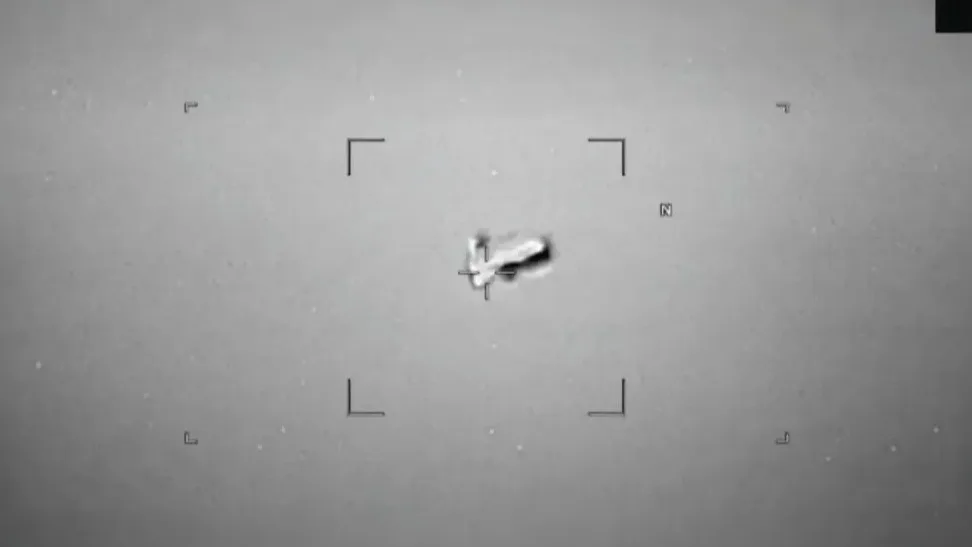
He thinks the public is more ready than people assume. "I think the public could deal with the fact that extraterrestrials exist. Polls already indicate that they believe that. I also think the public can deal with the fact that we've had an extraterrestrial crash retrieval program," he said.
The harder part, he admitted, involves deeper questions like "where we came from. Who are we? And what about the abduction phenomenon? Those secondary questions might be more difficult."
More evidence could be the key to solving the UFO mystery
Even if there were valid reasons to keep parts of this secret, Gold argues there's one line that can't be crossed. The data related to these anomalies can’t be kept a secret from Congress. "What you can't do is keep it secret from Congress, because then we are no longer a democracy. So at a minimum, our elected officials have to be briefed. They have to know. We have to have oversight," he said.
When speaking on his own stance on the subject, he believes that the data will speak for itself and he is “violently neutral." Tho, the same can't be said about other researchers who are actively studying the cases. In fact, Avi Loeb, the Harvard professor who chairs the UAP Science Council, has even asked for the UFO “biologics”, as he noted a few instances that defined a general explanation. According to him, these photos and videos aren't enough anymore.