UFO files released by US Department of War reveal strange sights Apollo astronauts saw
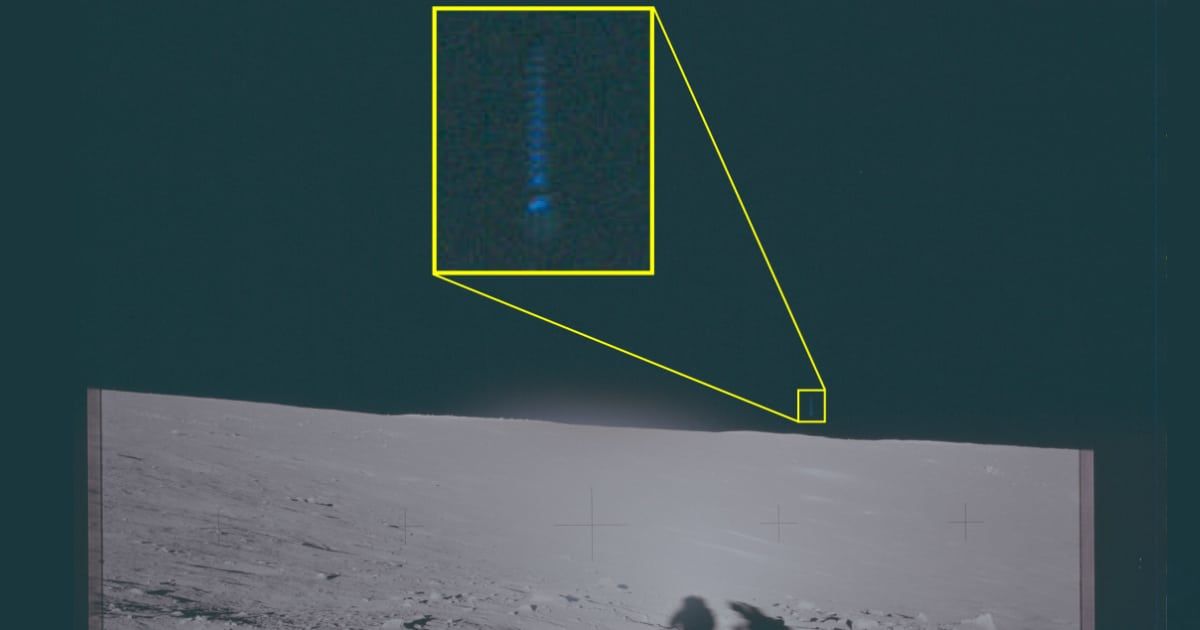
The US Department of War (DOW) declassified files relating to UFOs (Unidentified Flying Objects) on Friday, May 8, 2026, offering a look at decades of Unidentified Anomalous Phenomena (UAP) sightings. Among the 161 pieces of data, released at the direction of the Trump administration, are transcripts from NASA's historic Apollo missions where astronauts reported seeing some mysterious sights. President Donald Trump’s official directive was christened the Presidential Unsealing and Reporting System for UAP Encounters (PURSUE).
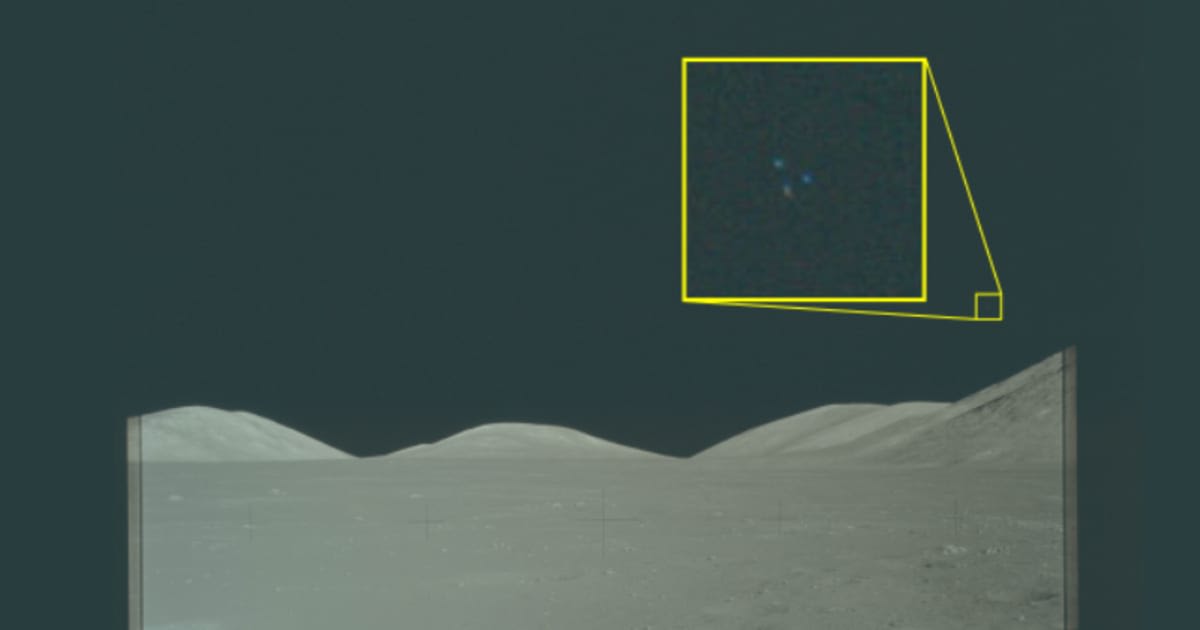
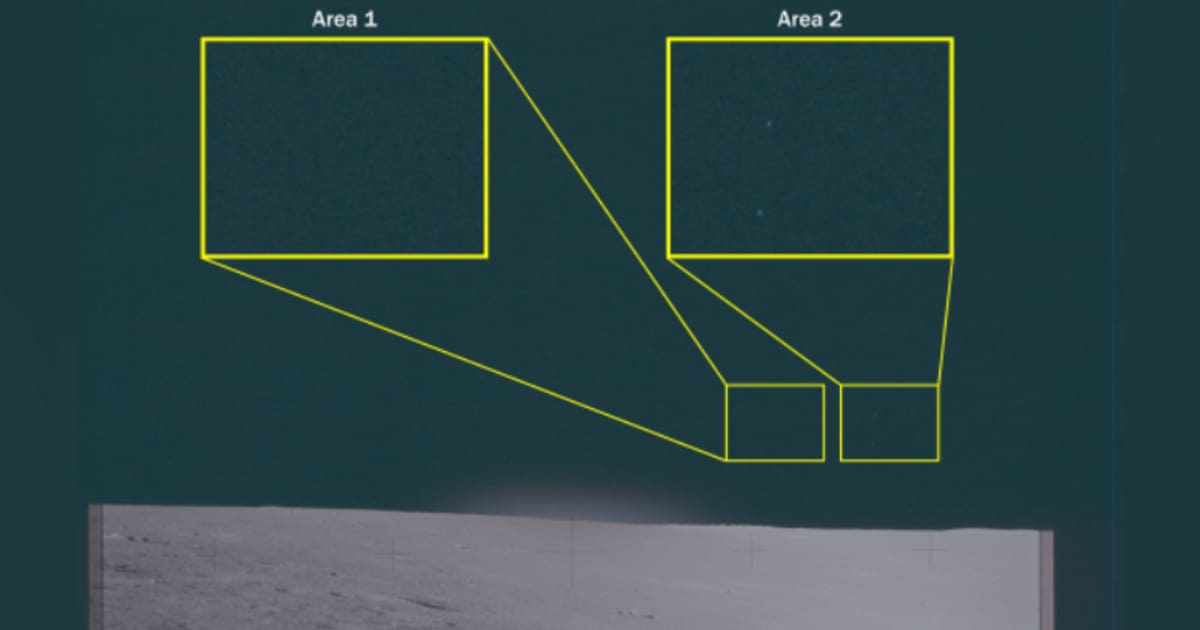
During humanity's last steps on the Moon via the Apollo 17 mission in 1972, crew members observed three "dots" in a triangular formation in the lunar sky, which the Pentagon asserted could be a physical object rather than a mere optical illusion. Astronauts Eugene Cernan, Harrison Schmitt, and Ronald Evans also described seeing bright, tumbling fragments outside the window of their spacecraft during their voyage.
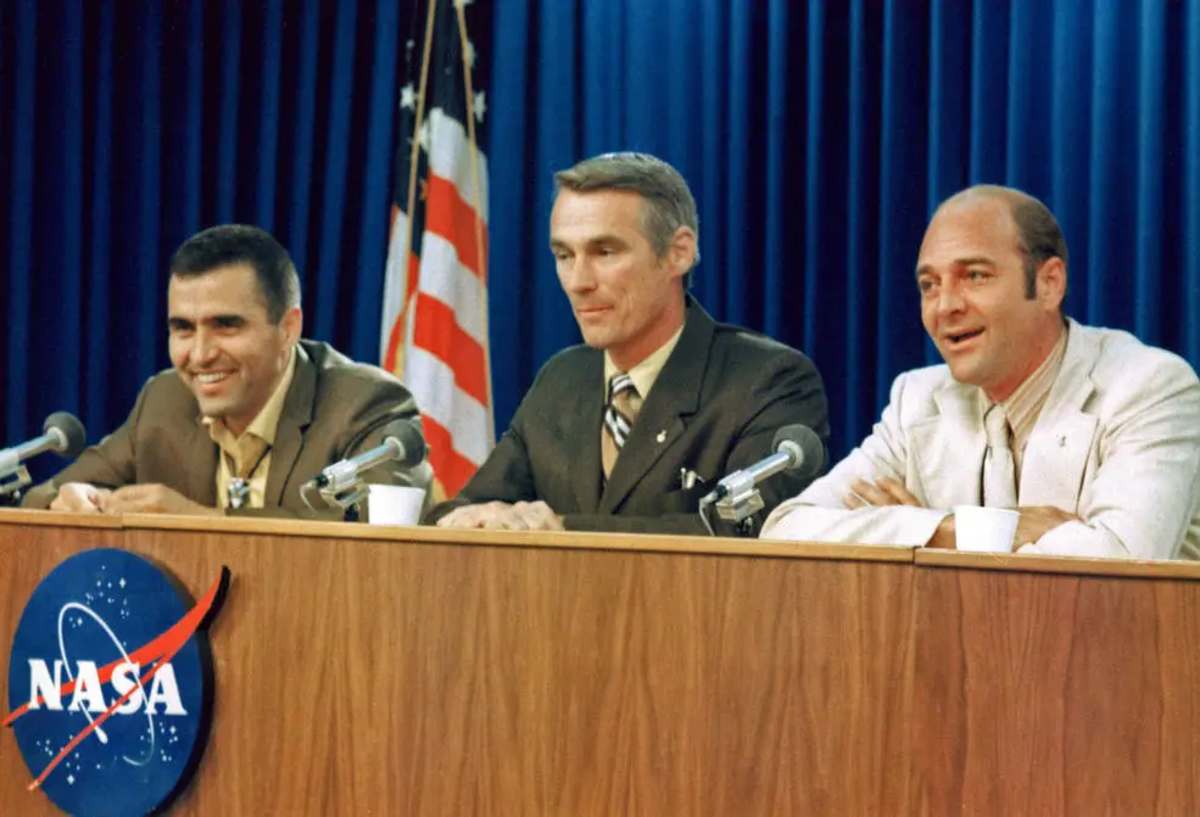
Lunar Module Pilot Schmitt quipped, "It looks like the Fourth of July out of Ron's window." Later on in the mission, Commander Cernan also mentioned a rhythmic, brightly flashing light in the distance. Speaking to mission controllers in Houston, Cernan said, "...there was a very bright spot that flashed right between my eyes like a very bright headlight - like a train coming at you, only with a flash."
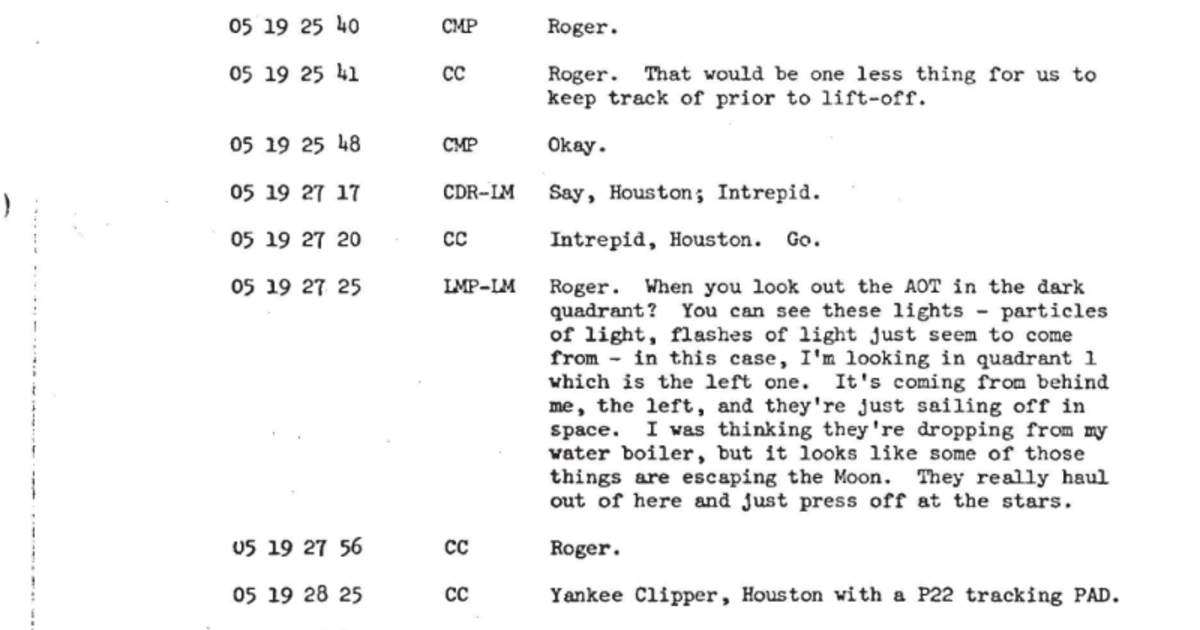
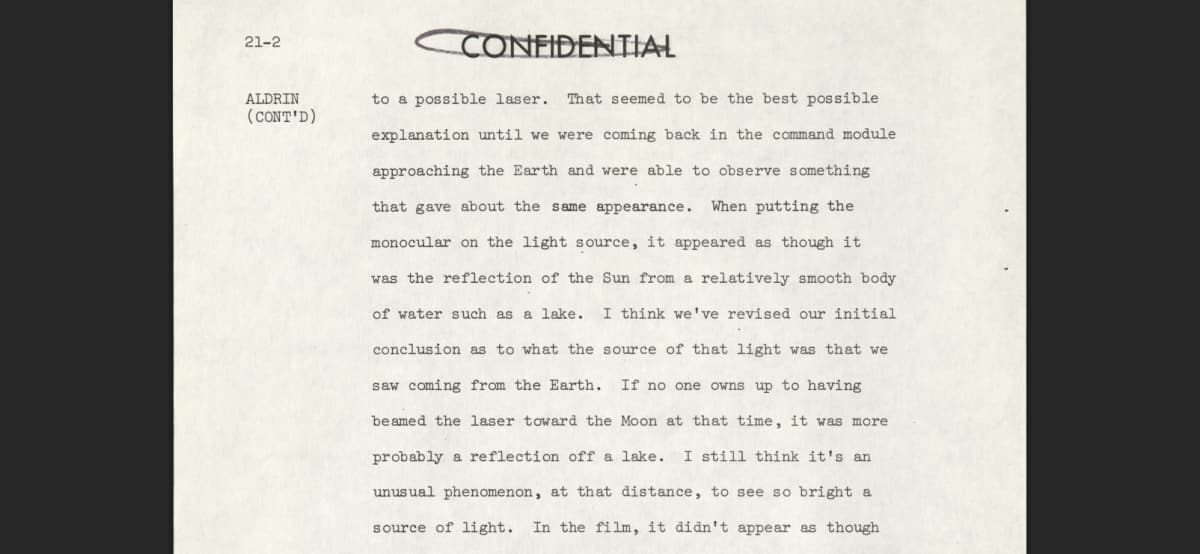
Similarly, Apollo 11 Lunar Module Pilot Buzz Aldrin recounted seeing an object of "sizeable dimension" while en route to the Moon in the mission debrief. Like Cernan, who came after him, Aldrin also recalled seeing inexplicable flashes of light inside the spacecraft cabin while on the coast back to Earth — a phenomenon that has now been understood to be the effect of cosmic rays striking the optical nerves of astronauts.
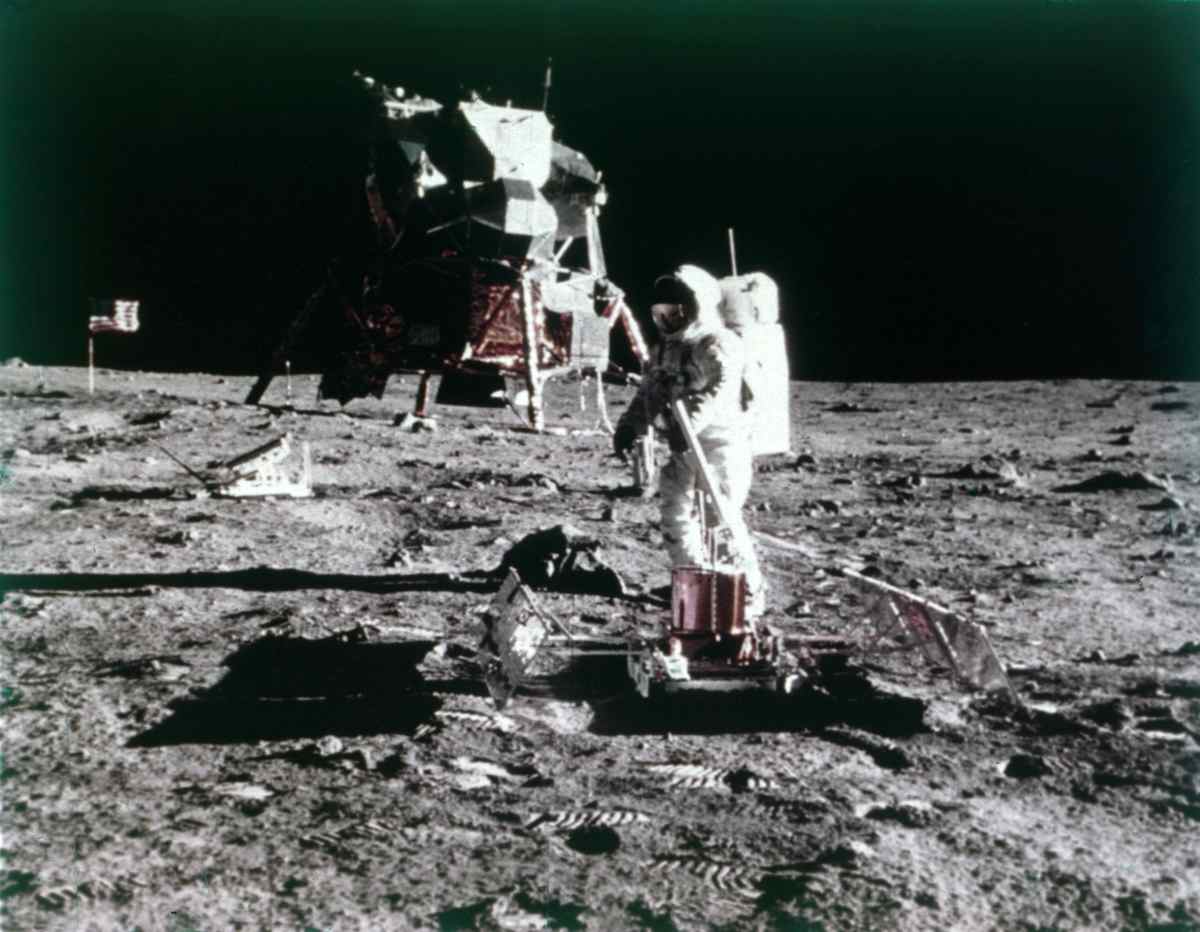
Separately, during the Apollo 12 mission, Lunar Module Pilot Alan Bean reported a separate external visual phenomenon, describing bright particles from the spacecraft as "sailing off in space" and noting that "it looks like some of those things are escaping the Moon." Additionally, the phenomenon of light flashes emanating from the lunar surface was also noted on six instances by the flight crew during the recent Artemis II mission, which was explained to be the result of meteoroid impacts on the Earth-facing side of the Moon while it was in temporary darkness. In many of these instances, the astronauts themselves who experienced the phenomena offered rational explanations: the fragments seen outside Apollo 17 could have been pieces of ice or paint peeling off from the spacecraft, according to Command Module Pilot Ron Evans, while a separate bright light observed by Aldrin on Earth was ultimately deduced to be the reflection of the Sun off a lake.
In spite of these compelling descriptions that date back to 1965 with NASA's Gemini 7 mission, the scientific community remains cautious regarding the proof of alien life, let alone of higher intelligence. Speaking to CBS News, SETI Senior Astronomer Seth Shostak noted the distinction between seeing something unexplained and proving it is alien. SETI Institute was founded as a non-profit research organization, emerging from NASA’s SETI program (Search for Extraterrestrial Intelligence). It was established close to the NASA Ames Research Center in Silicon Valley in 1984. Shostak explained that while it is statistically probable that life exists elsewhere in the universe, the current data does not provide the definitive piece of evidence required to confirm the presence of life outside Earth. This falls in line with comments from former President Barack Obama, who noted back in February that while he believes life is likely "out there" based on statistics, he saw no definitive evidence of it during his presidency.
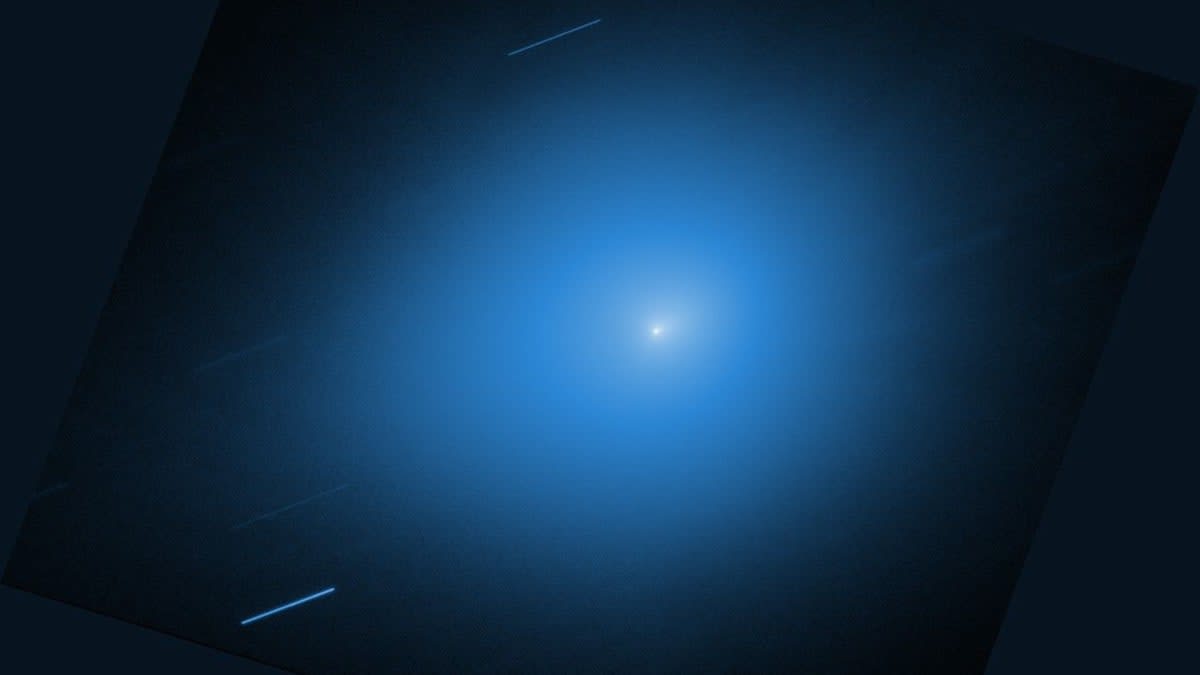
Soon after this statement, US President Donald Trump made public his resolve to increase transparency in public communication about findings on unexplained aerial phenomena (UAP) and extraterrestrial life. While critics have pointed out that the timing of the release came amidst mounting political pressure on the current administration, many experts, including Shostak, welcomed the decision. Astrophysicist Avi Loeb of Harvard University, who made headlines recently for his claims of 3I/ATLAS being an alien probe, also stated that, despite the files offering no new evidence of aliens, it was the duty of the scientific community to at least rigorously investigate the UAP sightings.
The statistically minute chances of actually coming across alien life notwithstanding, the scientific reasons for these accounts—many of which are also from military pilots and civilians—must be established. NASA Administrator Jared Isaacman spoke favourably of the releases too, in response to public demand, which had grown palpable, stating, "I applaud President Trump's whole-of-government effort to bring greater transparency to the American people on unidentified anomalous phenomena. At NASA, our job is to bring the brightest minds and most advanced scientific instruments to bear, follow the data, and share what we learn”.
More on Starlust
Japanese astronomer captures double impact flashes on the Moon’s surface
We may be missing signals from alien civilizations. Astronomer reveals why