From NASA telescope launch to total solar eclipse, list of major astronomy and spaceflight events in August
August will be a busy month for space enthusiasts as multiple astronomy and spaceflight events are lined up in the coming weeks. While NASA is launching its brand new telescope built to explore the dark universe, Europe will witness its first total solar eclipse in nearly three decades. The following are the events that you must watch out for next month.
Comet 10P/Tempel’s closest approach to Earth
On August 3, the comet 10P/Tempel will make its closest approach to Earth, passing within roughly 38.5 million miles (62 million kilometers) of our planet. Measuring 6.6 miles wide, this comet was discovered by German astronomer Wilhelm Tempel on July 4, 1873, and it completes one orbit around the Sun in 5.4 years.
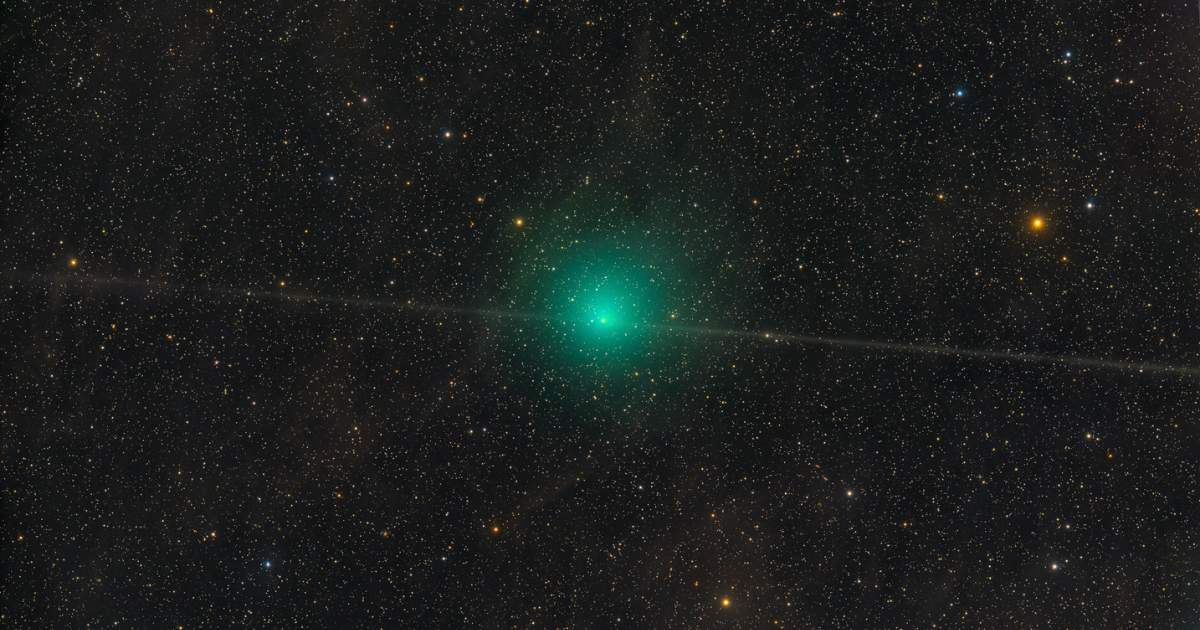
According to TheSkyLive, 10P/Tempel can be found near the constellation Capricornus. For mid-northern latitude observers, the comet will rise above the horizon after 11 pm local time, but due to its low declination, the best viewing time is after midnight, per Sky and Telescope. The comet can be viewed using binoculars or small telescopes, but the waning Moon, with more than 50 per cent illumination, could hinder the experience. Read more on how to view it here.
SpaceX rocket to crash on the Moon
The upper stage of a SpaceX Falcon 9 rocket launched in January 2025 is expected to crash into the Moon on August 5 at 06:35 UTC (2:35 am EDT). Scientists have predicted that it will impact the Moon at about 8,750 kilometers per hour (5,400 mph), creating a large cloud of dust and even a flash on the near side of the Moon.
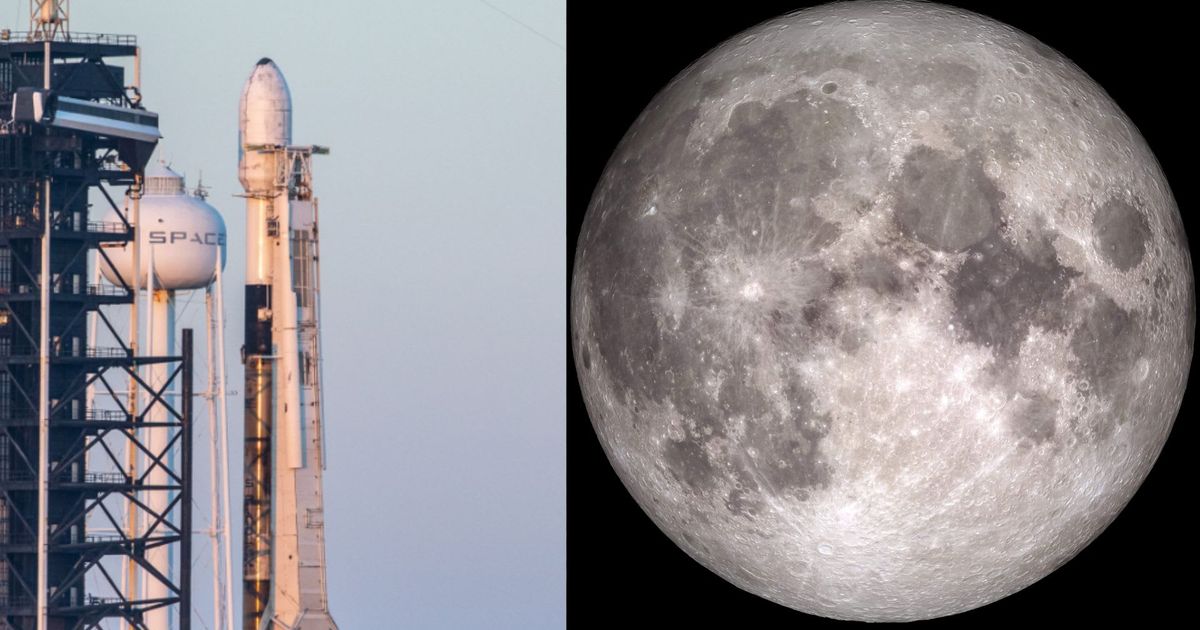
The rocket stage measures 12 meters (39 feet) long and 4 meters (13 feet) wide, and weighs approximately 4,000 kilograms (8,818 pounds). Scientists hope that the event will provide an opportunity to study an artificial impact on the Moon in real time.
NASA astronaut Anil Menon’s first spacewalk
NASA astronaut Anil Menon, who launched to the International Space Station for the first time on July 14, will conduct his first spacewalk on August 6. He will step out into the vacuum of space with Crew-12 astronaut and station commander Jessica Meir, the veteran NASA astronaut with five spacewalks to her name.
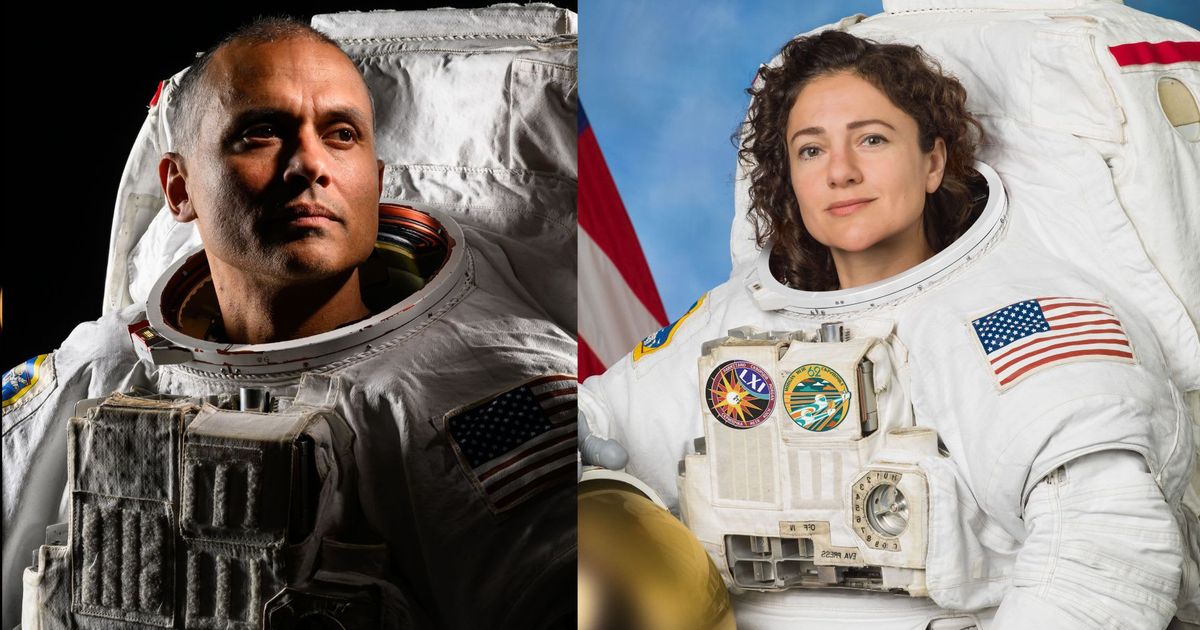
NASA says the two astronauts will “modify the station’s 3B power channel and prepare it for the future installation of an International Space Station Roll-Out Solar Array (IROSA).” The spacewalk is scheduled for 8:35 am EDT, and the live coverage will begin on NASA’s social media platforms at 7 am.
Total solar eclipse on August 12
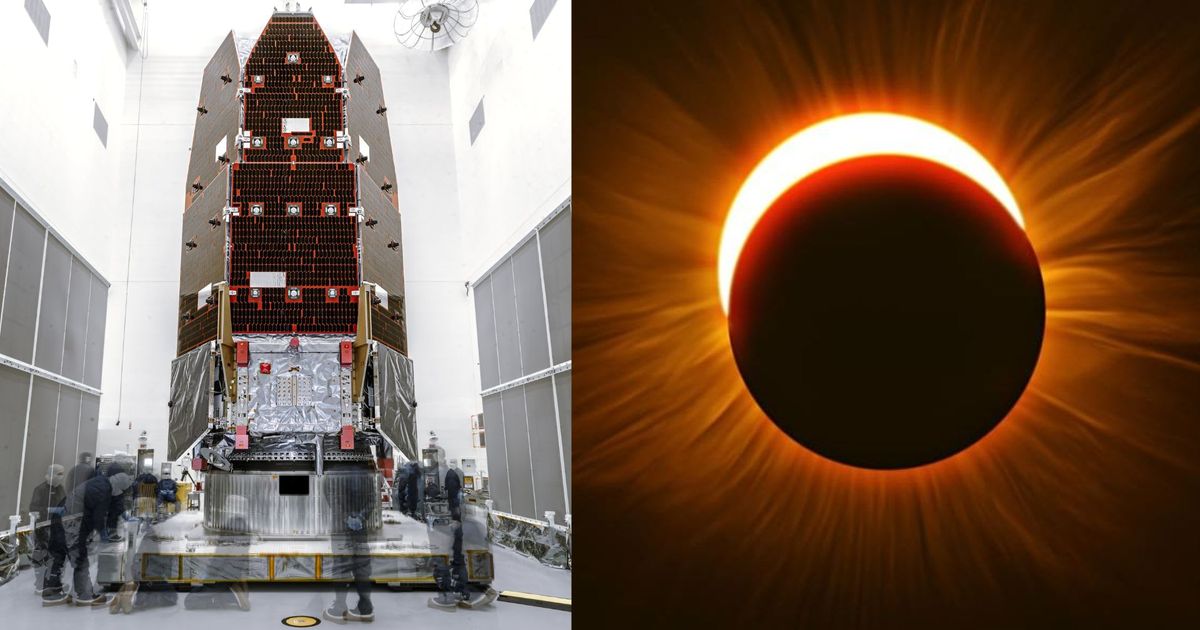
The total solar eclipse on August 12 will be the first to be witnessed from mainland Europe since 1999. While Greenland, Iceland, northern Russia, Spain, and a tiny portion of Portugal will see a total solar eclipse—when the Moon completely blocks the Sun—the northern contiguous U.S., most of Canada, Europe, and northwestern Africa will get a partial eclipse. Check out the locations and city-wise timings across the US and Europe here.
Perseid meteor shower
The Perseid meteor shower’s peak will coincide with the total solar eclipse on August 12. It is considered the best meteor shower of the year, and one can see as many as 100 meteors every hour under perfect conditions.
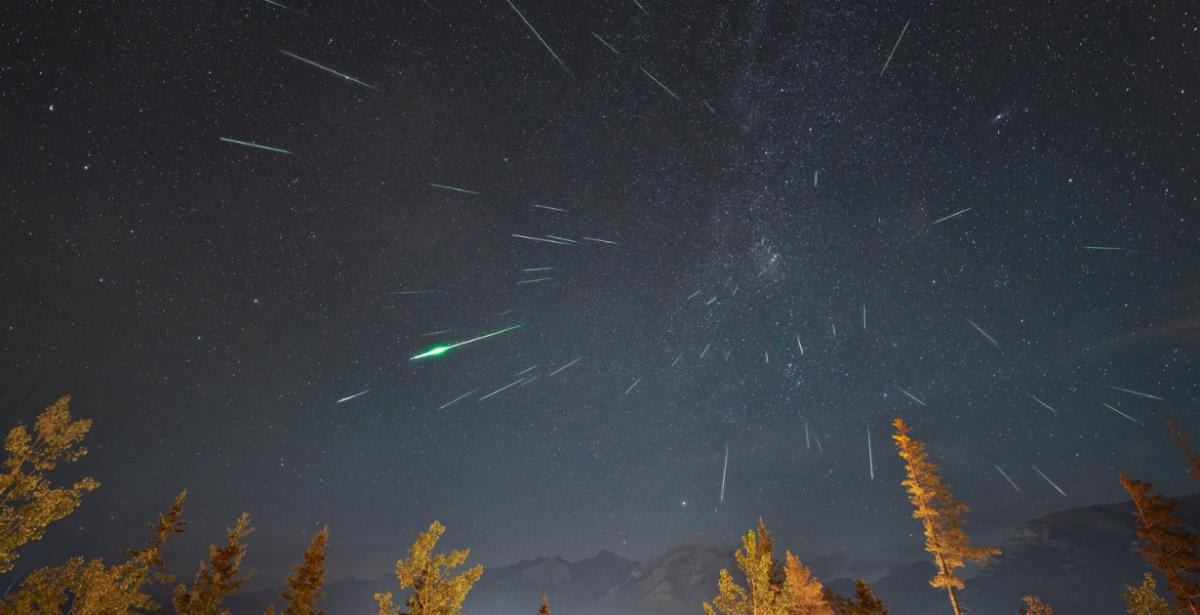
According to Time and Date, the Moon will be in the New Moon phase in the US, making the viewing much easier. To spot the meteors, look towards the constellation Perseus, where they appear to emerge from in the sky in the pre-dawn hours. Read more about it here.
The ‘almost Blood Moon’
The US, Europe, and Africa will get to witness an ‘almost Blood Moon’ overnight on August 27–28, when more than 90 percent of the Moon will be covered in Earth’s shadow. The sunlight filtering through the Earth’s atmosphere will give it a coppery-red color during what would be the best lunar eclipse until 2028.
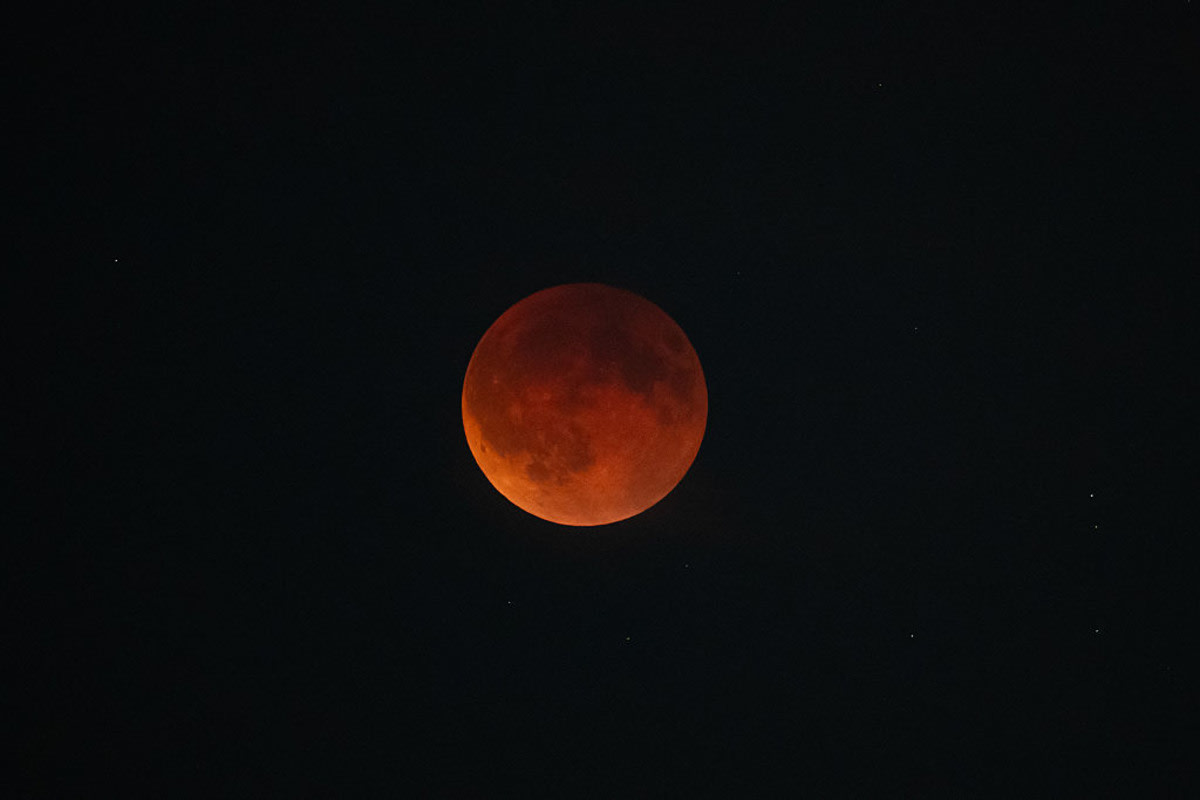
The eclipse will begin at 8:23 p.m. CDT on August 27 as Earth's penumbral shadow begins crossing the Moon's face. At 11:12 p.m. CDT, nearly the entire Moon will be in Earth’s umbra, taking on the coppery-red hue for a while. At 2:02 a.m. CDT, the Moon will slip out of the penumbra, and the eclipse will end. Read more on the eclipse here.
Launch of NASA’s Nancy Grace Roman Space Telescope
The brand new NASA telescope is set to launch on SpaceX’s Falcon Heavy rocket no earlier than 7:26 am EDT on August 30.

This telescope, according to NASA, has a field of view at least 100 times greater than the Hubble Space Telescope, which will enable it to “directly see exoplanets and planet-forming disks, complete a statistical census of planetary systems in our galaxy, and settle essential questions in the areas of dark energy, exoplanets, and infrared astrophysics.”
More on Starlust:
NASA's Swift Boost Mission encounters hitch as LINK spacecraft begins to spin—what happens next?
SpaceX’s Starship still afloat in Indian Ocean, Elon Musk says ‘sending a ship for recovery’