NASA to live stream August 12 solar eclipse, launch experiments: Here's all you need to know
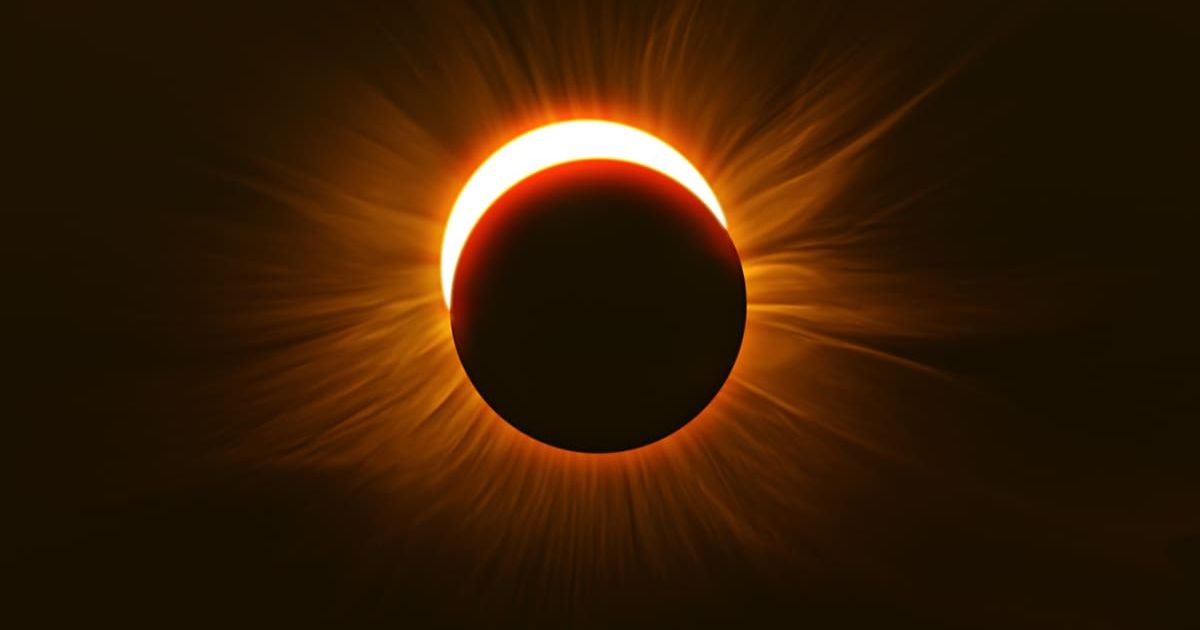
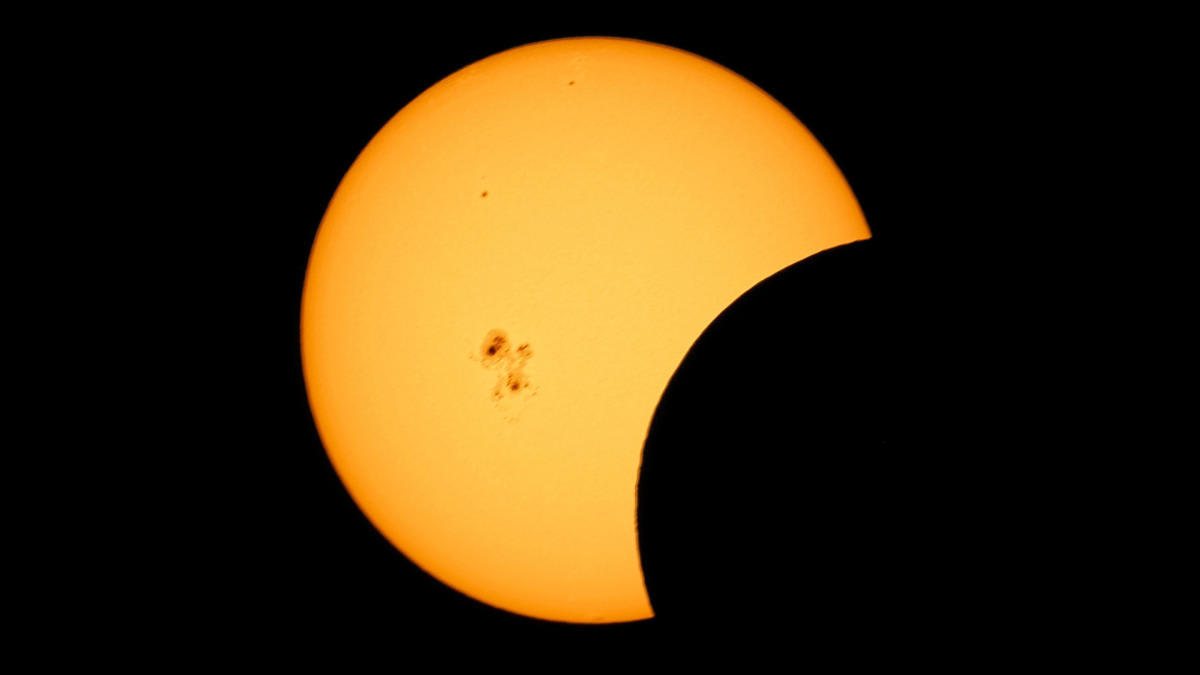
Earth is set to witness a total solar eclipse on August 12, and scientists want to use this opportunity to study its impact on our planet. NASA has said that it is launching and supporting two experiments that will study the Sun’s corona and the impact of the temporary darkness of our skies (period of totality) on Earth’s atmosphere during the eclipse. The agency is also going to live stream the eclipse and its interviews with various subject matter experts.
Where to watch the total solar eclipse live?
The total solar eclipse—when the entire Sun is covered by the Moon—will be visible in parts of Greenland, Iceland, northern Russia, the Atlantic Ocean, Spain, and Portugal to some extent. In regions other than Europe, such as the U.S., Canada, and Africa, people will experience a partial solar eclipse. Check the location and city-wise timings of the eclipse in the U.S. here.
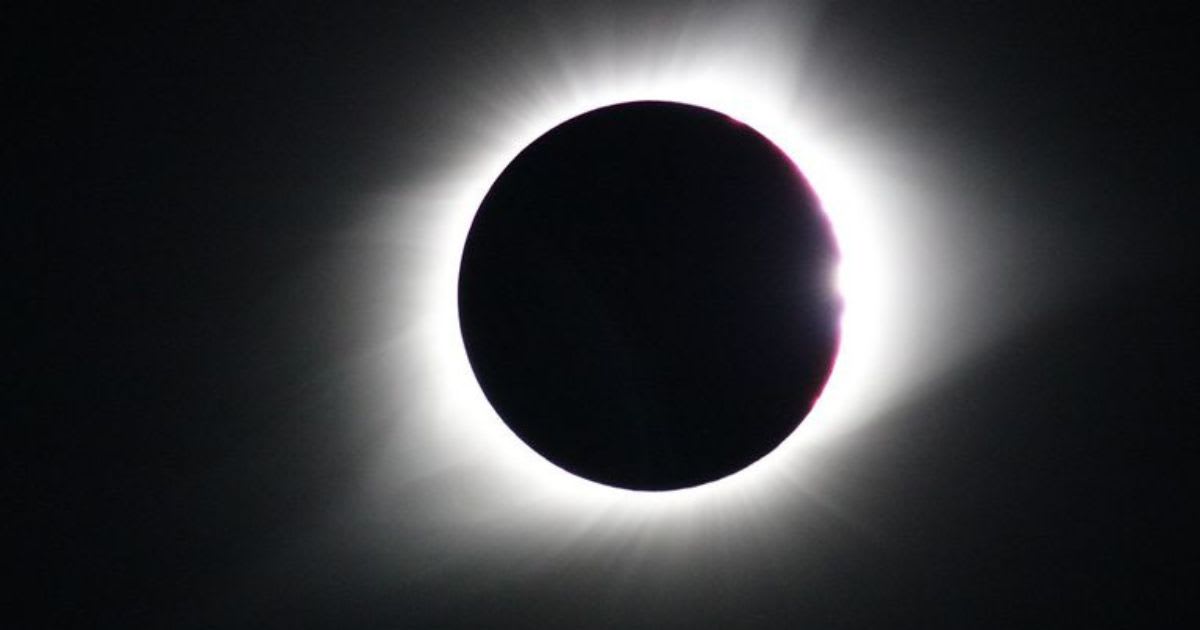
NASA has set the broadcast of the event at 1:15 pm (Eastern Time) on Amazon Prime, Facebook, Instagram, NASA+, Twitch, X, and YouTube.
What experiments has NASA planned for the eclipse?
One of the experiments involves NASA’s WB-57 high-altitude research aircraft that will fly at 50,000 feet for unobscured views of the eclipse. The aircraft will carry a suite of four cameras that will take high-resolution images of the Sun’s corona (outer atmosphere) in different wavelengths of visible and infrared light. The cameras will photograph structures, outflows, and rapid changes in the corona.
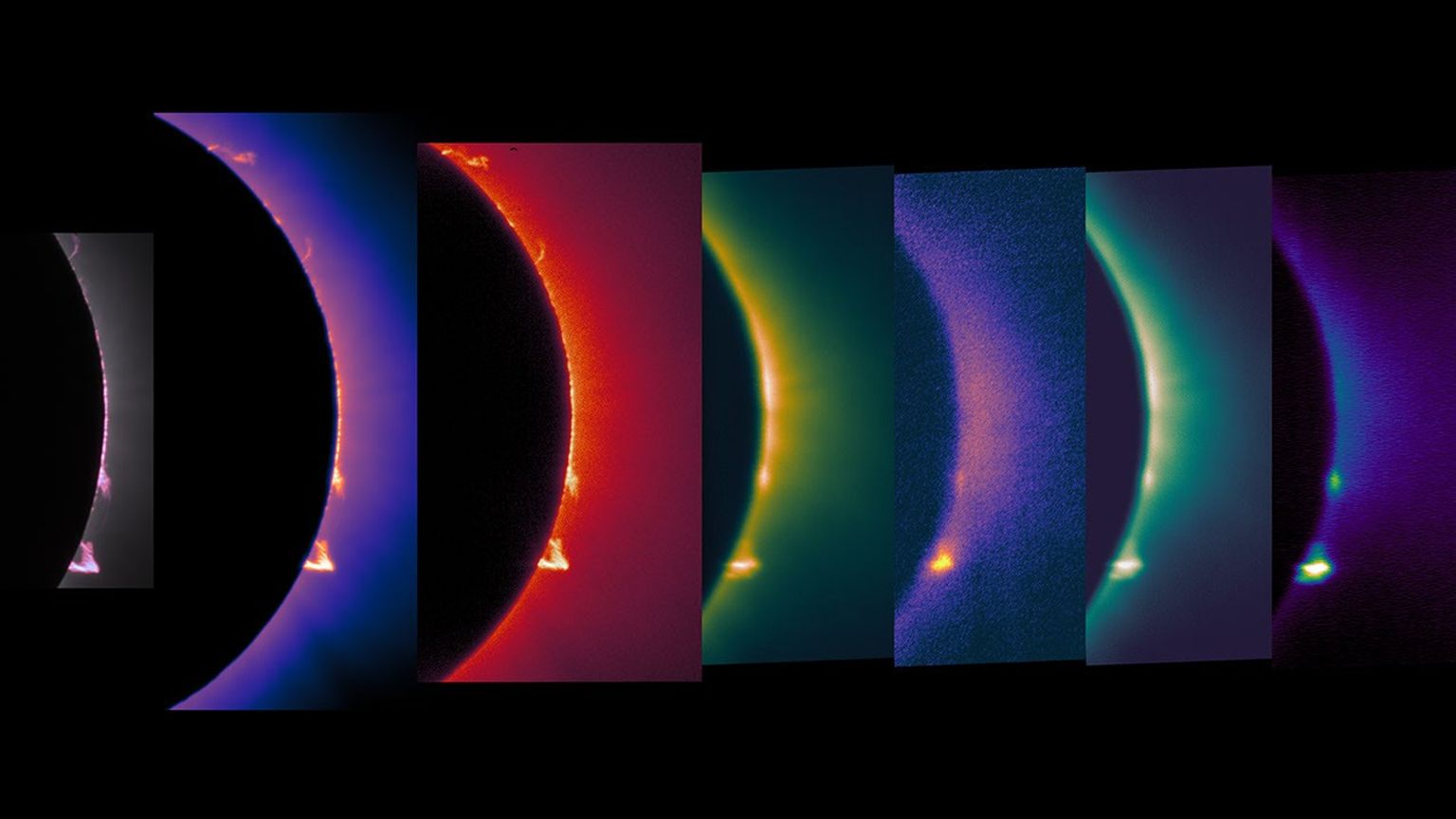
The purpose of this experiment is to help investigate how prominences (solar material that gets suspended above the Sun’s surface) form, how the corona heats to a million degrees, and how it is related to the solar wind. NASA says using a plane for this purpose would give scientists almost three minutes to observe the corona as opposed to two minutes and 18 seconds from the ground.
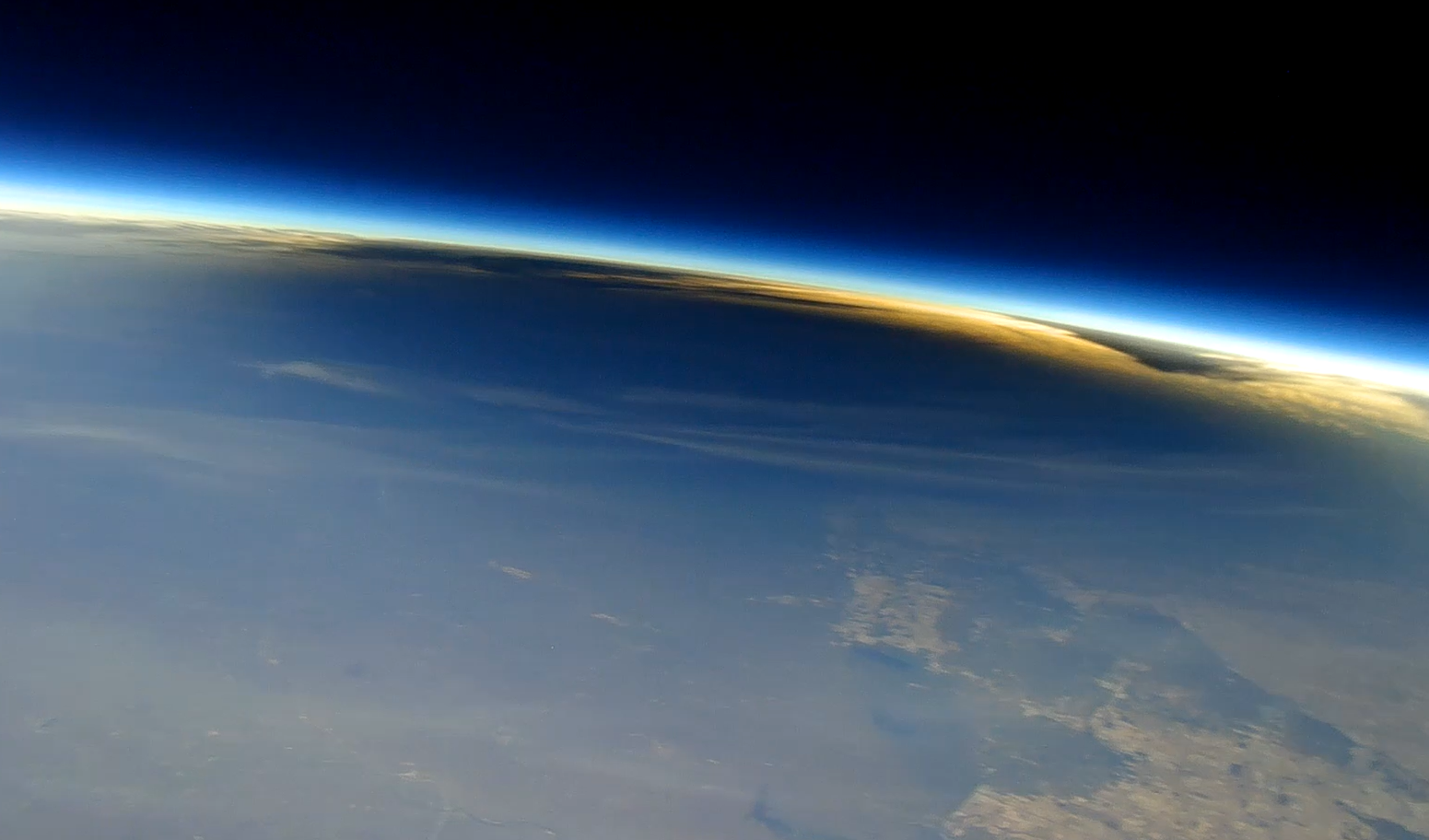
The second experiment involves scientific balloons under the Nationwide Eclipse Ballooning Project. Several U.S. students have traveled to Iceland and Spain to release the balloons before, during, and after the eclipse to understand what changes occur in our atmosphere and why when the sky turns dark during a total solar eclipse. Scientists say the eclipse affects Earth’s “boundary layer,” the part of the atmosphere that touches the ground, and two teams in Iceland will launch 80 balloons starting 18 hours before the eclipse and eight hours after it to investigate how it happens.
Similar balloon experiments during eclipses in October 2023 and April 2024 revealed that the boundary layer collapsed, or decreased in thickness, where skies were clear. Scientists want to find out whether things will be different in Iceland this time around. The second team in Spain will launch six balloons with 360-degree cameras to image the Moon’s shadow during the eclipse. In April 2024, the eclipse caused the ozone to decrease during totality, and these balloons will investigate if such changes occur again during a different time of the day and different season.
More on Starlust
SpaceX Falcon 9 rocket debris to crash into the Moon on August 5 at 5,400 mph—can you see it?