NASA's Nancy Grace Roman Space Telescope completes fueling, inches closer to launch on August 30
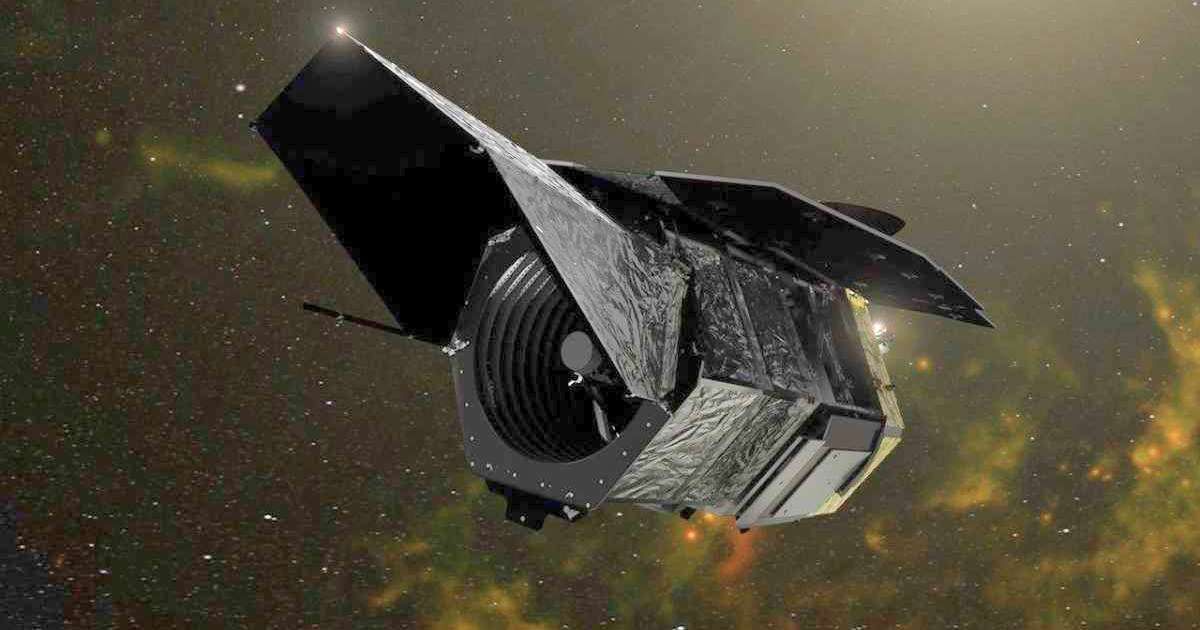
NASA's Nancy Grace Roman Space Telescope now stands fully fueled at the Payload Hazardous Servicing Facility at the Kennedy Space Center in Florida. Engineers and technicians have also cleaned and thoroughly inspected Roman's solar panels to ensure that the observatory stays protected from debris, dust, or other materials and operates optimally in space. Roman, set for liftoff no earlier than 7:26 am EDT on August 30, will be launching nine months ahead of schedule.
We've finished fueling up our @NASARoman telescope, bringing it one step closer to its targeted liftoff on Aug. 30.
— NASA (@NASA) July 27, 2026
Learn more about the process and find out what's next for our mystery-solving mission: https://t.co/sd1VuCK9Yk pic.twitter.com/Ytp0Yn8J1T
Roman's Solar Panels
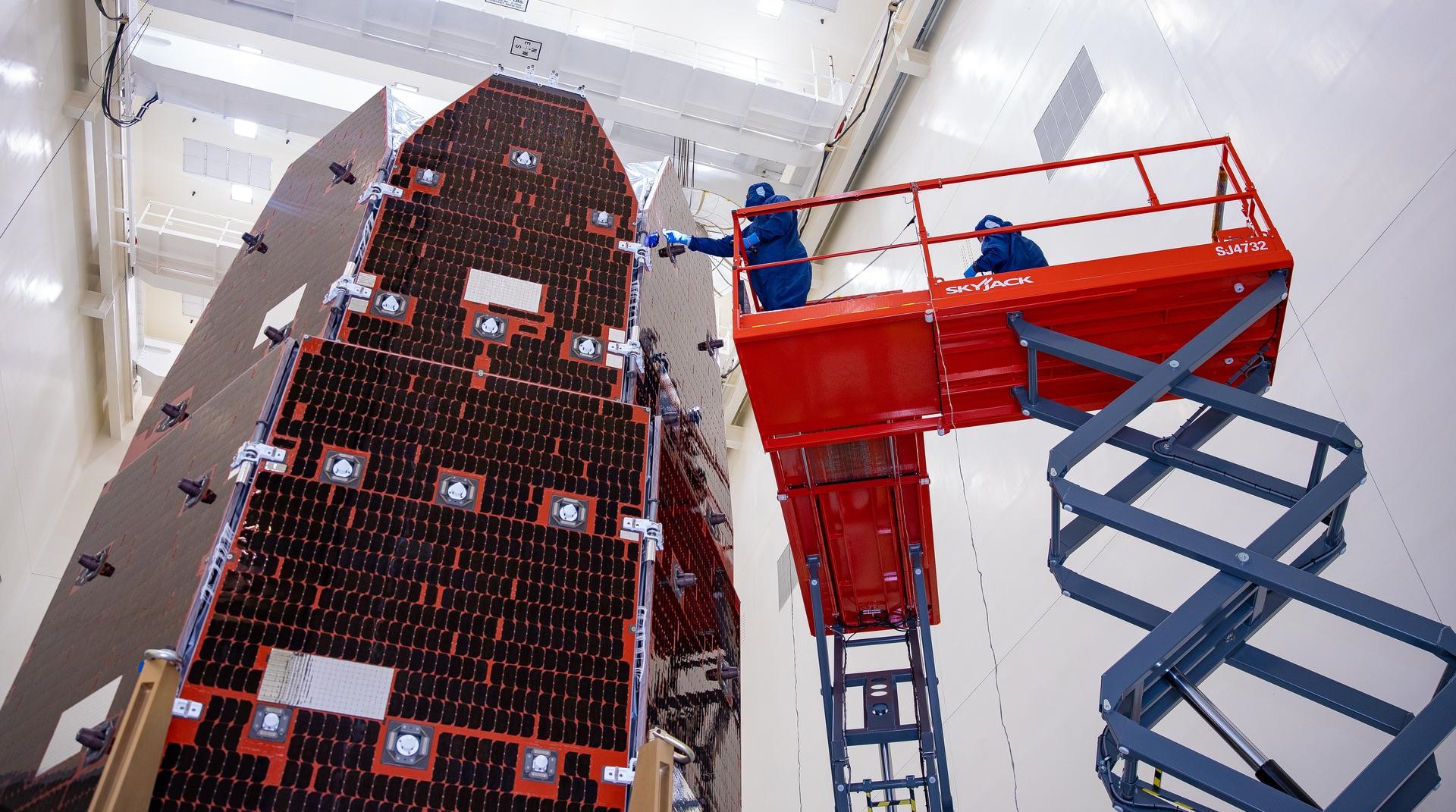
The six solar panels, each measuring roughly about 7 feet wide and 10 feet long, were checked on July 8. Put together, these panels are known as the Solar Array Sun Shield and will provide 4,100 watts of power to the spacecraft.
🔭 Milestone complete!
— NASA's Kennedy Space Center (@NASAKennedy) July 16, 2026
Solar panels that will power NASA’s Nancy Grace Roman Space Telescope finished prelaunch cleaning and checkouts at Kennedy’s Payload Hazardous Servicing Facility.
These six panels form Roman’s Solar Array Sun Shield – about 7×10 feet each and built at…
Built and integrated with Roman at the Goddard Space Flight Center in Greenbelt, Maryland, these solar panels will spend the entirety of the mission facing the Sun. They will not only supply the observatory with power but will also shade much of it so that its instruments stay cool. This is critical for an infrared observatory like Roman, as, with infrared light being detectable as heat, excess warmth from the spacecraft's own components can effectively render its detectors blind.
Hydrazine fuel loaded
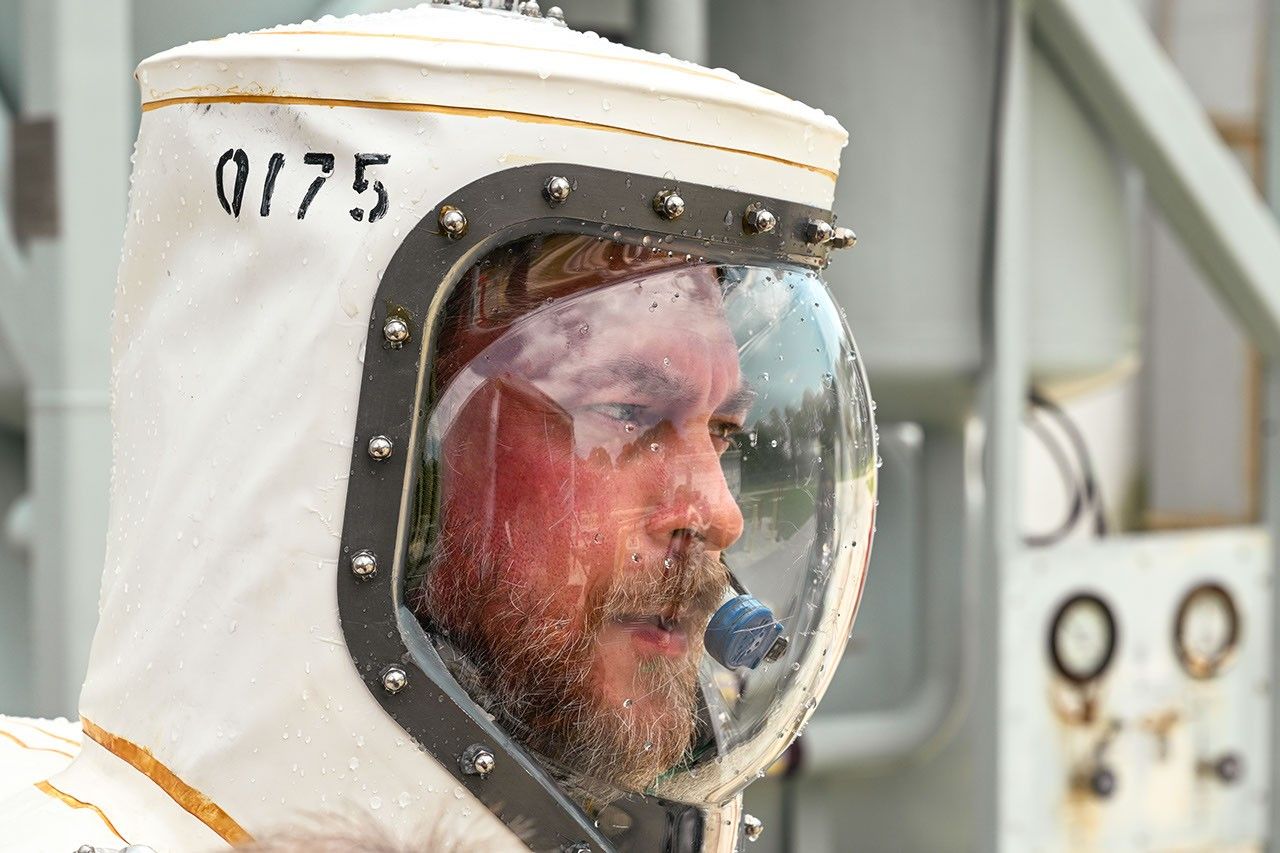
In order to get to its designated vantage point at the Sun-Earth Lagrange point 2, or L2, after launch and separation from its rocket, the Roman Space Telescope will require fuel to make calculated maneuvers on the way. Besides, the fuel will also be used to power the two types of thrusters that will help the observatory stay in orbit for the duration of its 5-year mission. Roman's propellant, safety, and quality assurance team completed the loading of 290 gallons of hydrazine fuel onto the observatory on July 25. NASA says that the quantity could potentially prove to be enough to even support an extended mission. Moreover, the observatory has been designed to be refuelable, even though NASA doesn't have the capability to service observatories at L2 yet.
Next up, Roman will be attached to a device that will secure it to the top stage of the SpaceX Falcon Heavy rocket that it is set to fly on. Once that is done, the observatory will be secured inside the rocket's payload fairing, which will protect it from heat and aerodynamic forces during ascent. The excitement for the liftoff, which is set to take place from Launch Complex 39A at KSC, is palpable, especially among astronomers. After all, Roman is expected to find thousands of exoplanets while providing clues to mysteries like dark matter and the expansion of the universe.
More on Starlust
NASA’s Roman Space Telescope may finally reveal how the universe's first black holes formed
Your name can travel aboard NASA's Roman Telescope on its journey—get your boarding pass now