Perseid meteor shower and total solar eclipse to coincide on August 12—here’s what you need to know
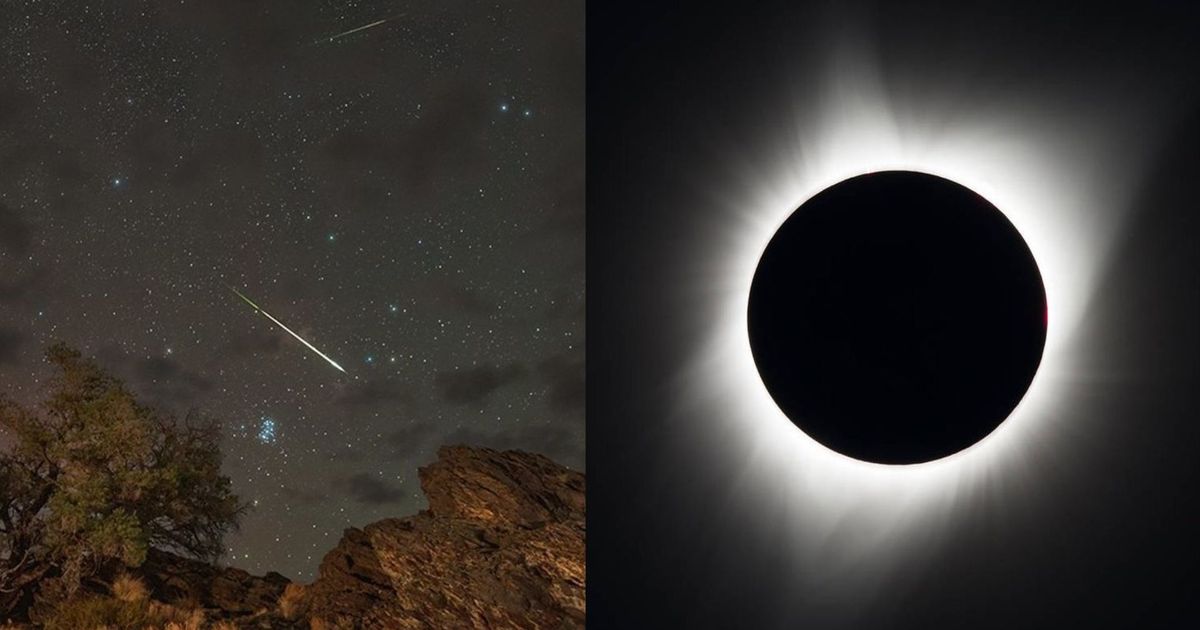
The month of August is bringing not one but two major celestial events this year. Apart from the total solar eclipse, which will be the first in mainland Europe since 1999, residents in the northern hemisphere will be able to witness the annual Perseid meteor shower—the most popular of the year. This meteor shower, which will last until September 1 per EarthSky, is expected to peak on the night of August 12 into the morning of August 13, coinciding perfectly with the day of the total solar eclipse.
The Perseid meteor shower
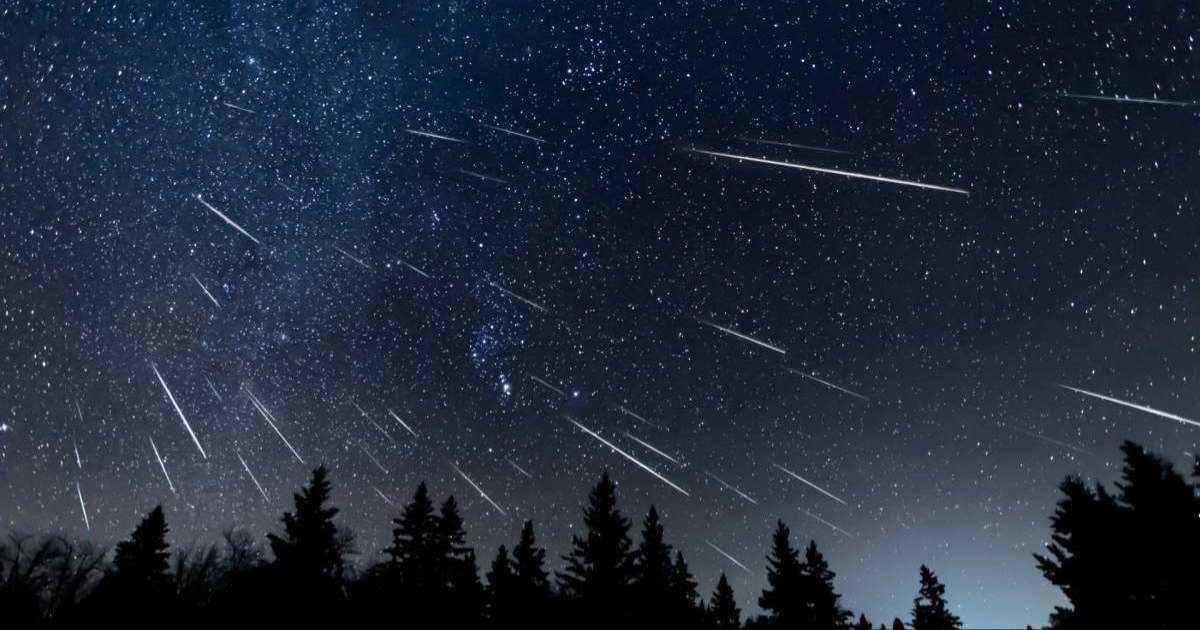
The Perseid meteor shower, which began in mid-July, is the most popular of the year and peaks around mid-August. According to NASA, one can spot more than 100 meteors per hour under perfect weather conditions as they streak across the night sky at 37 miles (59 km) per second. The warm nighttime summer weather generally makes the viewing very convenient.
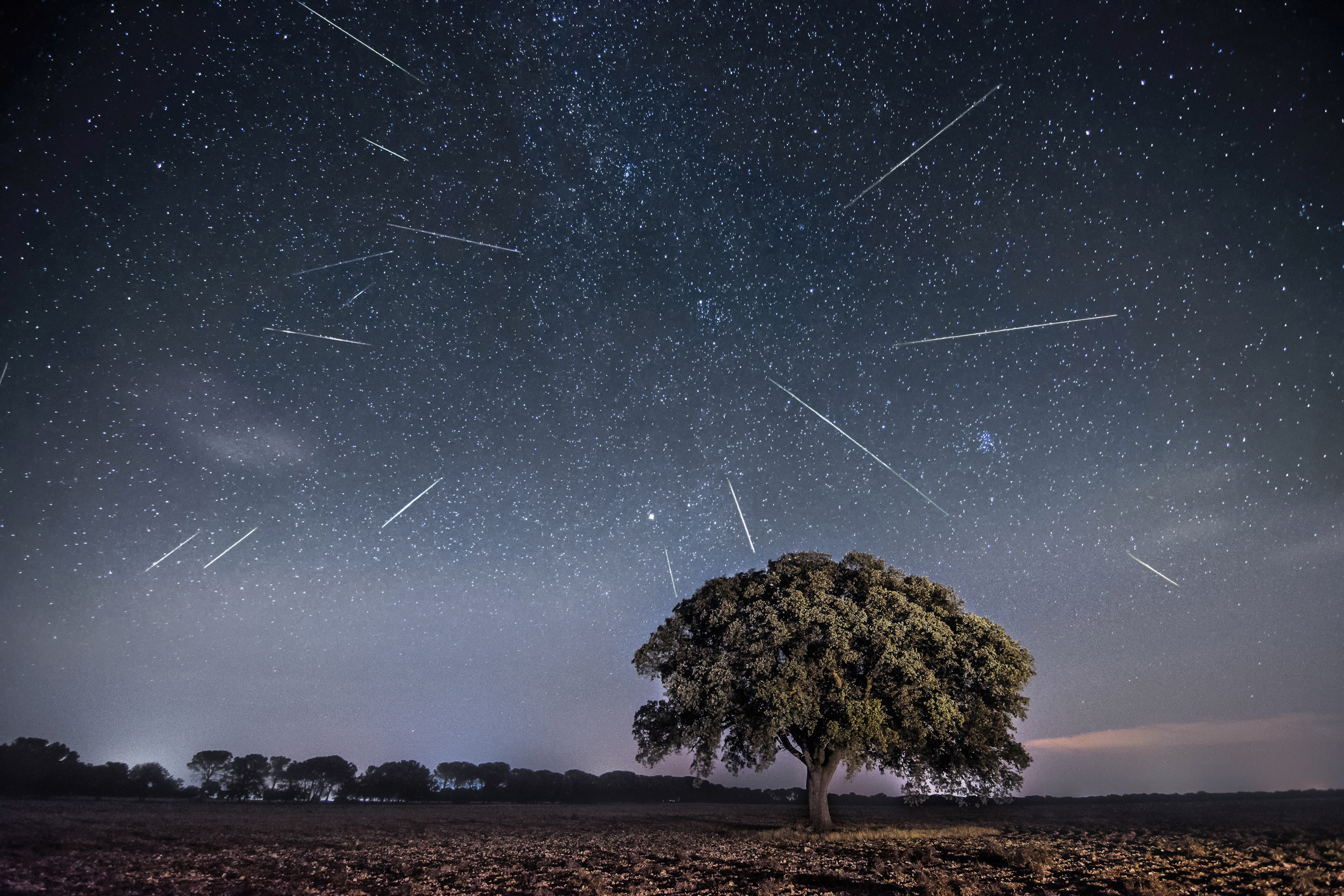
The Perseids originate from the comet 109P/Swift-Tuttle, and their radiant is in the constellation Perseus. When Earth passes through the debris trail of this comet in its solar orbit, chunks of the comet’s material burn up in our planet’s atmosphere, creating bright streaks of light. Viewing the meteor shower should be easy this time as it coincides with a new Moon, meaning there will be no moonlight to drown out the bright fireballs. To catch the event, look towards the constellation Perseus; you can find it using astronomy apps around midnight. NASA says the Perseids are best viewed in the pre-dawn hours.
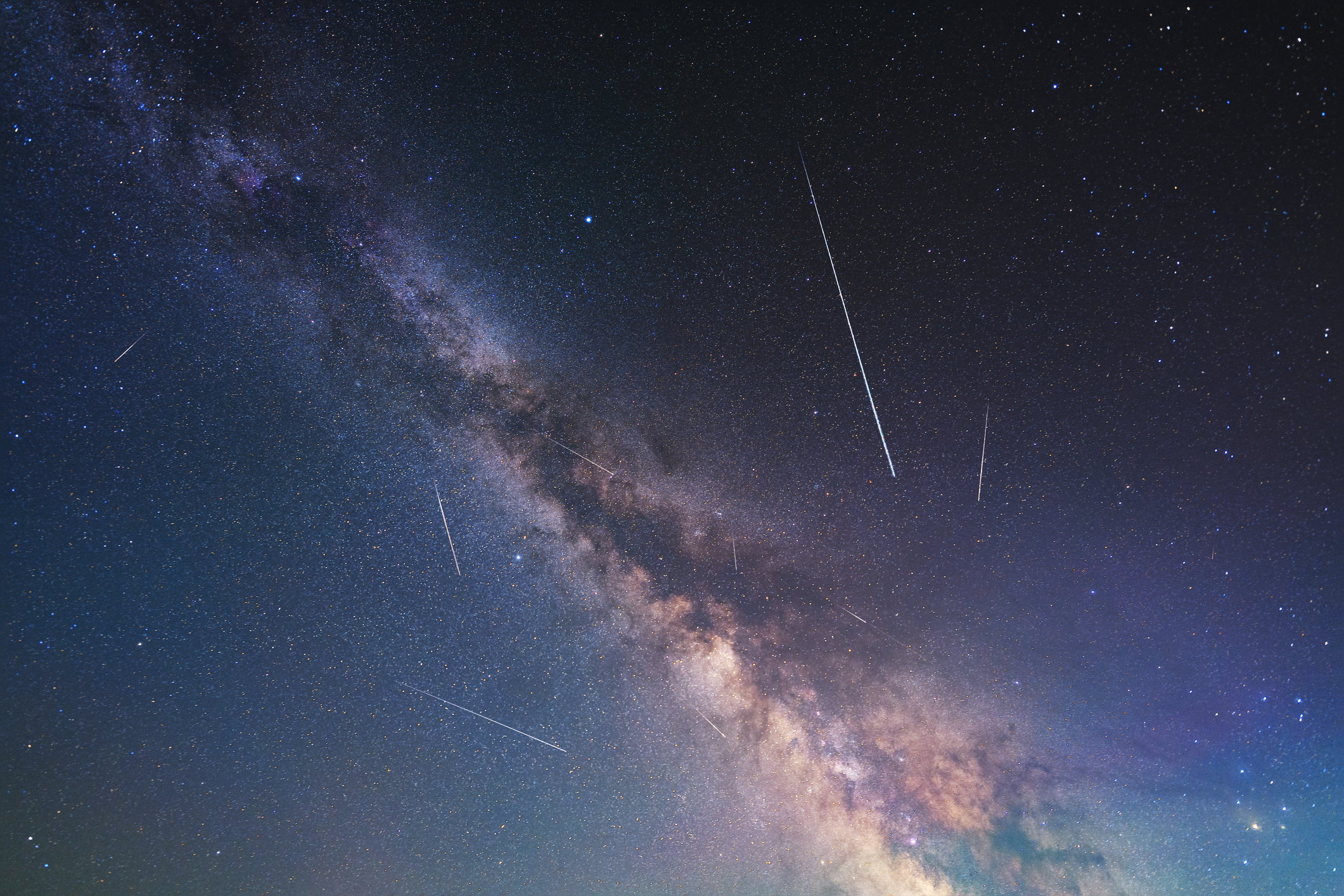
According to The Planetary Society, you don’t necessarily have to stare at the radiant to spot them, as the ideal place to look is considered to be 45 degrees away from it. Finding a dark location, however, is a must for a clearer viewing experience and for watching the fireballs glow as bright as Venus.
The total solar eclipse
The upcoming total solar eclipse will be the second solar eclipse of the year after the ‘annular’ one in February. The total eclipse will be visible in Greenland, Iceland, Spain, Russia, and a small area of Portugal, whereas most other European nations, parts of Africa and North America, along with regions in the Atlantic and Arctic Oceans, will witness a partial solar eclipse.
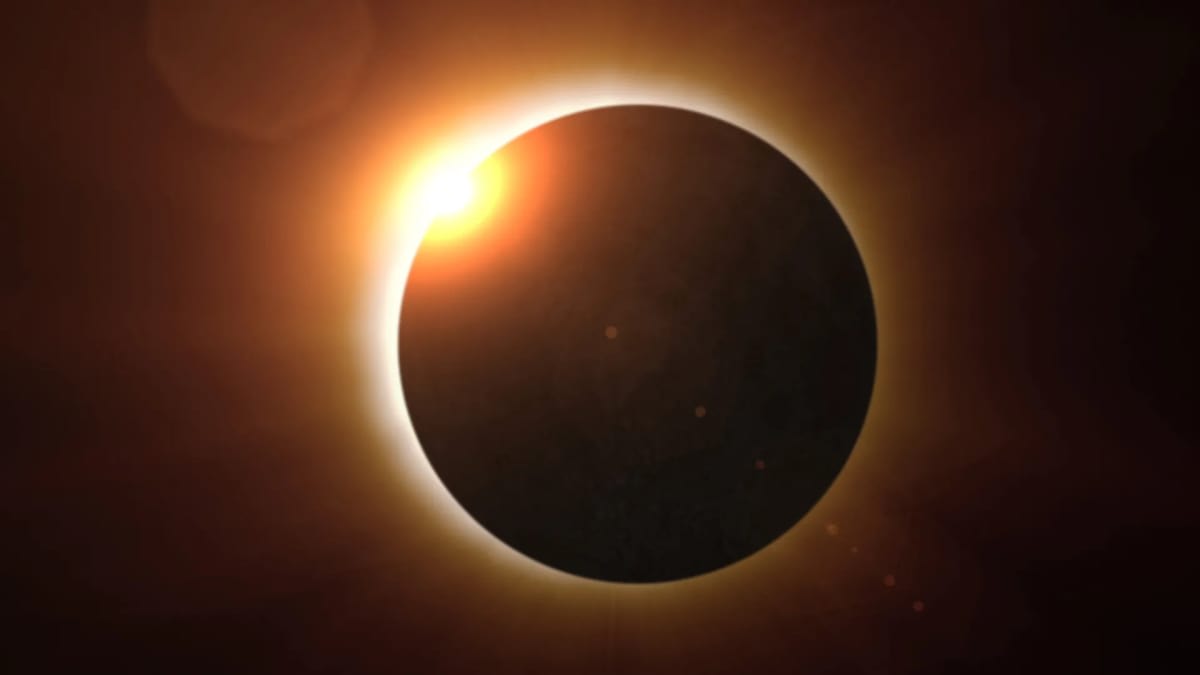
Total solar eclipses occur when the Moon fully blocks the Sun (totality), casting a dark shadow onto our planet for a brief period of time. According to NASA, the totality will begin around midday over a remote region in Russia and pass through Greenland, Iceland’s Reykjavík, and the Spanish cities of León, Zaragoza, and Valencia by late evening. In Alaska and northern Canada, the eclipse will start and end in the morning, whereas in the northern contiguous U.S., the partial eclipse will begin around midday, lasting at least an hour. European cities such as Lisbon, London, Milan, Paris, and Madrid will see the Moon cover over 90 percent of the Sun, making it look almost like a total eclipse.
More on Starlust:
Buck Moon myths and facts: What actually happens during July's Full Moon
Scientists find life-supporting organic compounds in meteorite that struck New Jersey home