August's Lunar Eclipse will be the best until 2028. Time and best places to watch this 'almost Blood Moon'
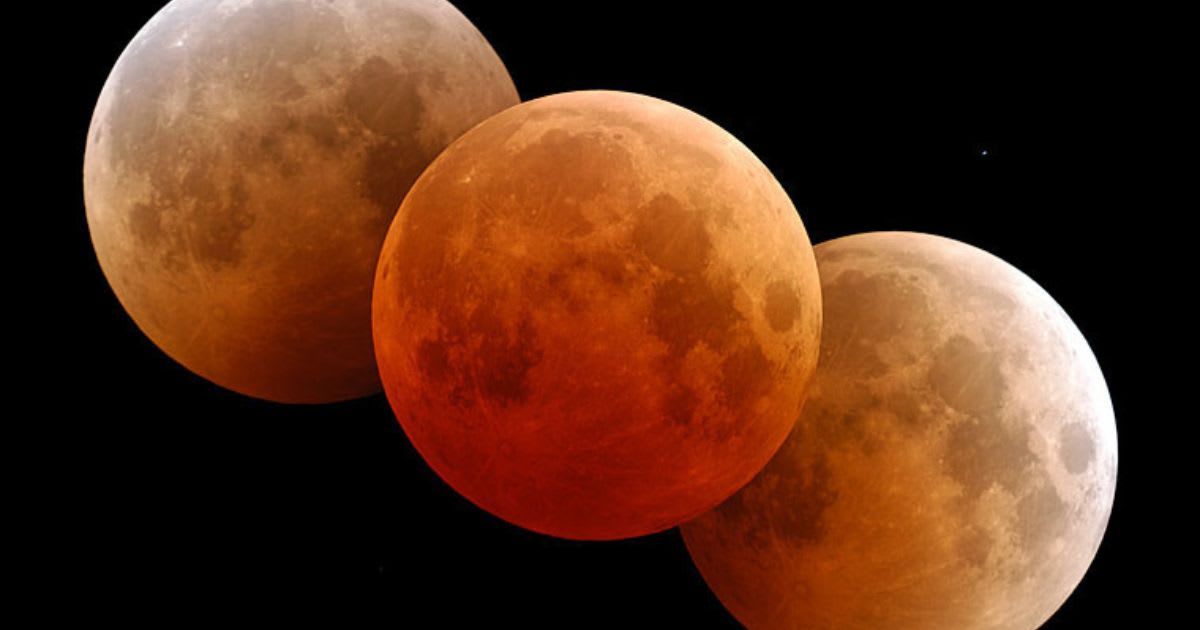
The month of August is bringing not just a total solar eclipse but a lunar eclipse as well. Residents across the US, Europe, and Africa will get to witness an ‘almost Blood Moon’ overnight on August 28 when about 93 percent of the Moon will be covered in Earth’s shadow. An eclipse with this kind of coverage won't be seen again until New Year's Eve 2028. The position of the Moon in its orbit around Earth will give it a stunning coppery-red color, and the Western Hemisphere is best placed to view it.
What makes a Blood Moon?
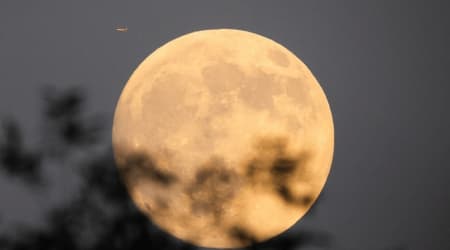
The term ‘Blood Moon’ is inspired by the color of the Moon during a lunar eclipse. A lunar eclipse occurs when Earth lines up between the Sun and the Moon, casting a shadow on the Moon's surface. During this alignment, the sunlight reaching the Moon filters through the Earth’s atmosphere, which scatters away all the blue light, letting red and orange pass through. When this red-orange combination falls onto the Moon, it glows a deep orange, red, or copper color.
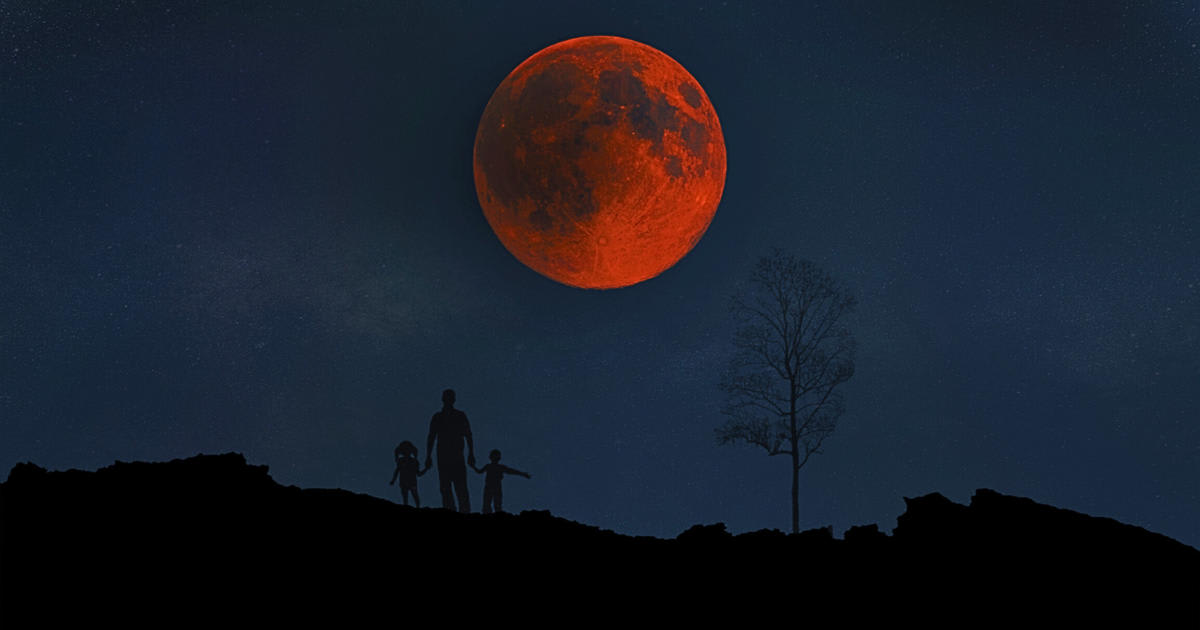
The eclipse begins when the Moon starts entering Earth’s outer shadow, called the penumbra, before entering the dark central shadow called the umbra. Then comes totality—the phase where the Moon is fully in the umbra and turns red.
Timings and best places to watch the lunar eclipse
According to EarthSky, the eclipse will begin at 8:23 p.m. CDT on August 27 as Earth's penumbral shadow begins crossing the Moon's face. At 11:12 p.m. CDT, nearly the entire Moon will be in Earth’s umbra, taking on the coppery-red hue for a while. At 2:02 a.m. CDT, the Moon will slip out of the penumbra, and the eclipse will end.
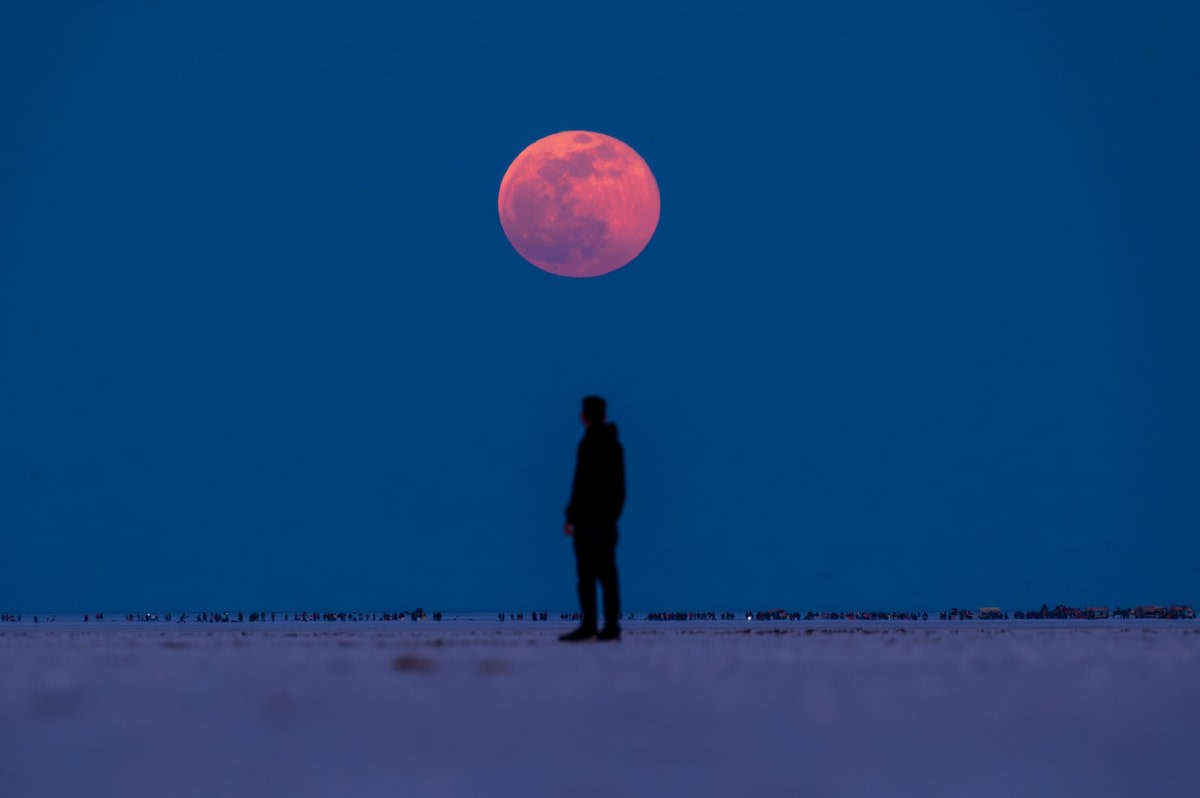
The Northern and Southern Americas will have the best views of the eclipse overall, whereas Europe and Africa will get excellent views of the predawn moonset eclipse. Asian countries are unlucky in this aspect, as they will have limited to no views of the phenomenon.
More on Starlust
What is a Total Solar Eclipse? How it works, its history and why it still matters today
Total Solar Eclipse 2026: City-wise timings to watch the rare August 12 event in US and Europe