SpaceX Falcon 9 rocket debris to crash into the Moon on August 5 at 5,400 mph—can you see it?
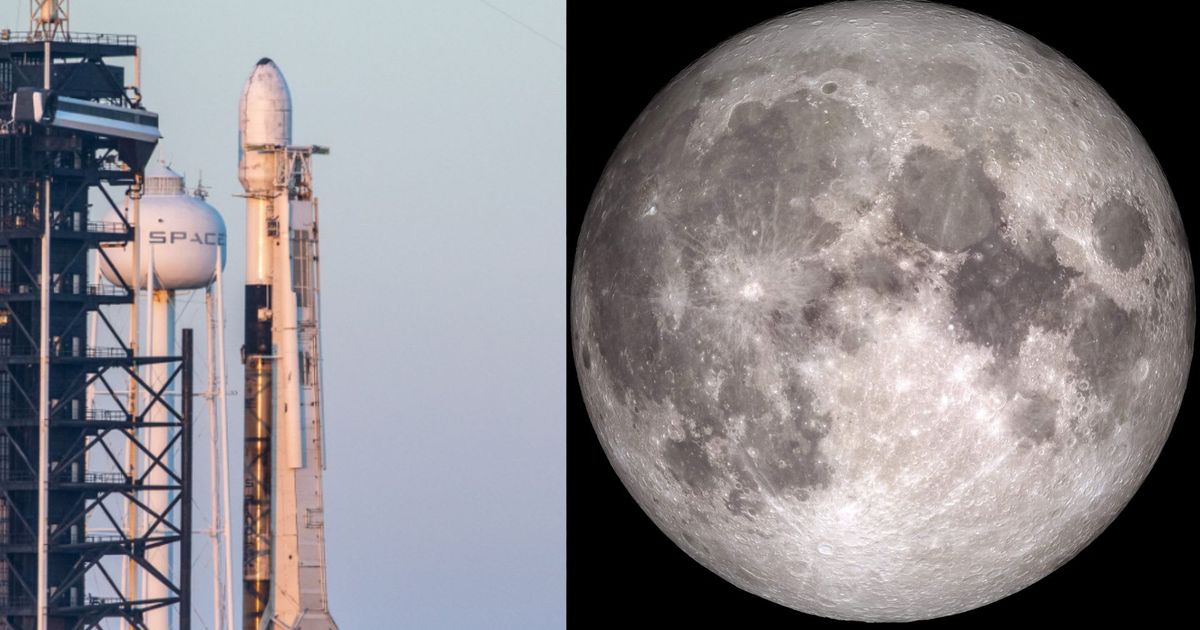
A piece of SpaceX rocket debris is set to collide with the Moon next month. A part of a Falcon 9 launch vehicle has been loitering in space since January 2025, and its unstable orbit has now put it on a collision course with the Moon. The impact is expected to create a flash and a huge cloud of dust, which could be visible from Earth.
Where did the debris come from?
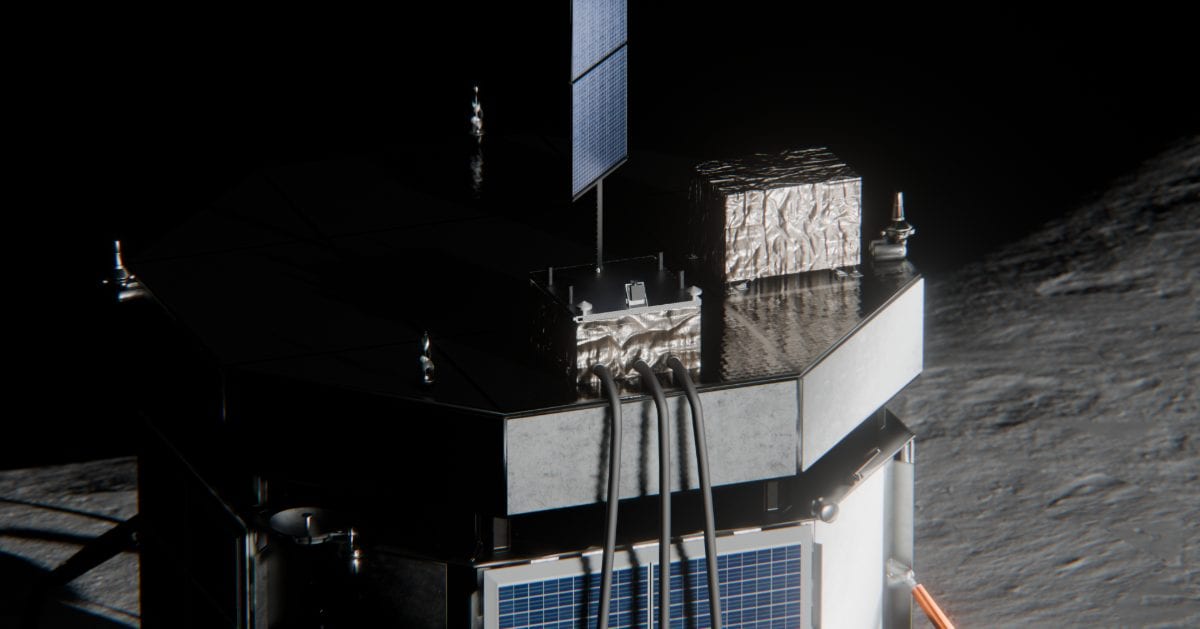
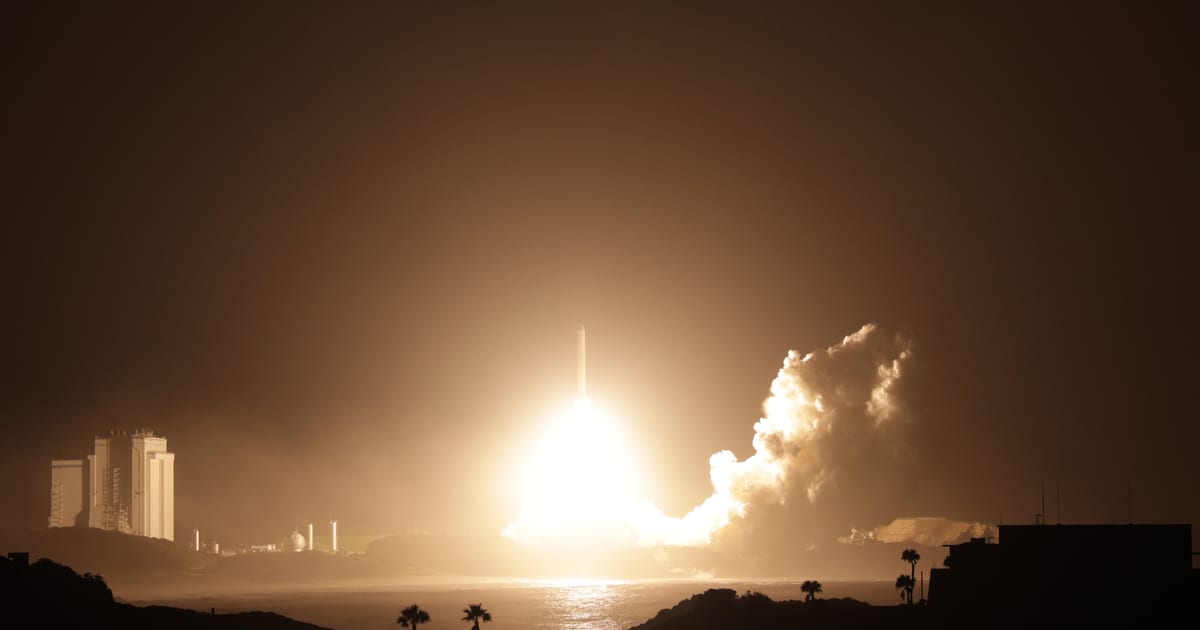
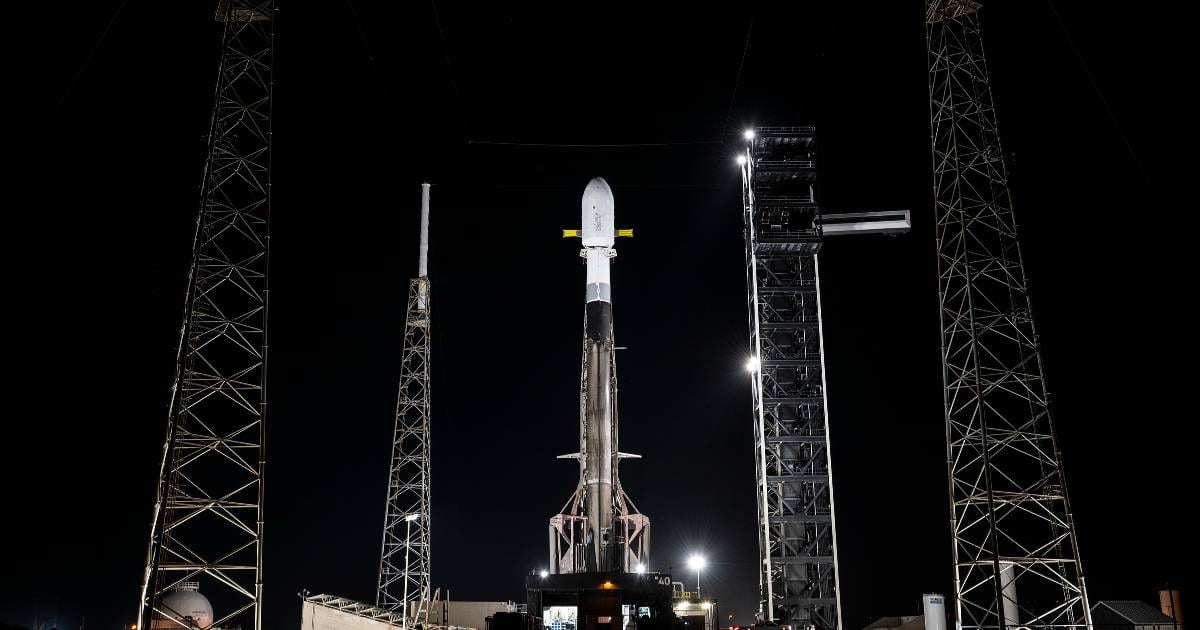
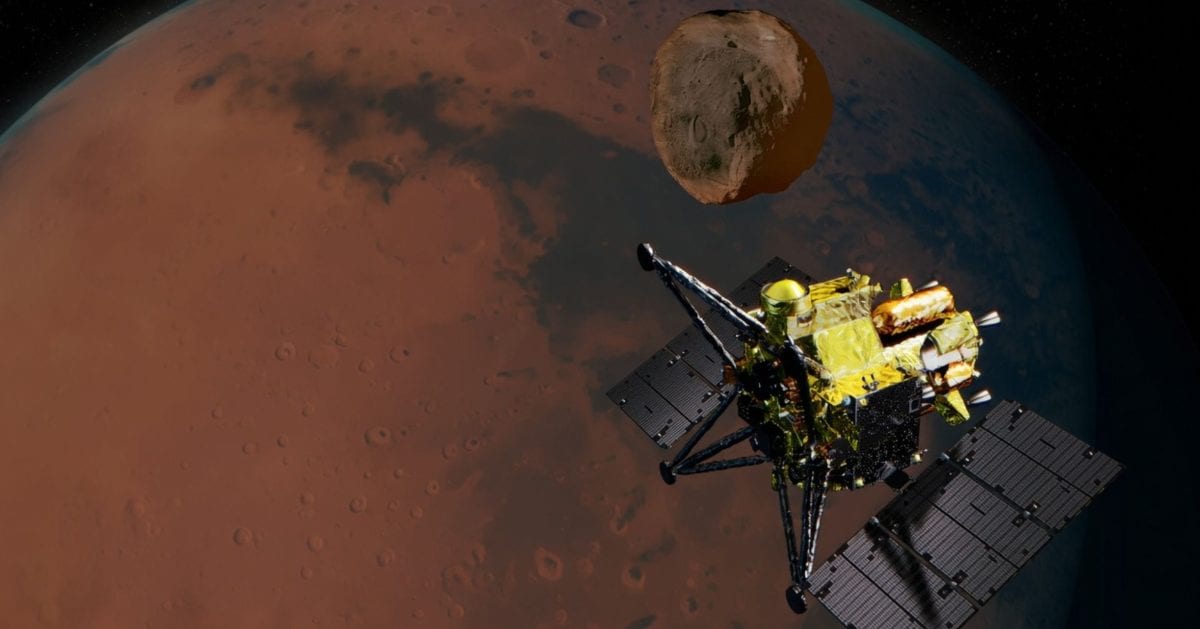
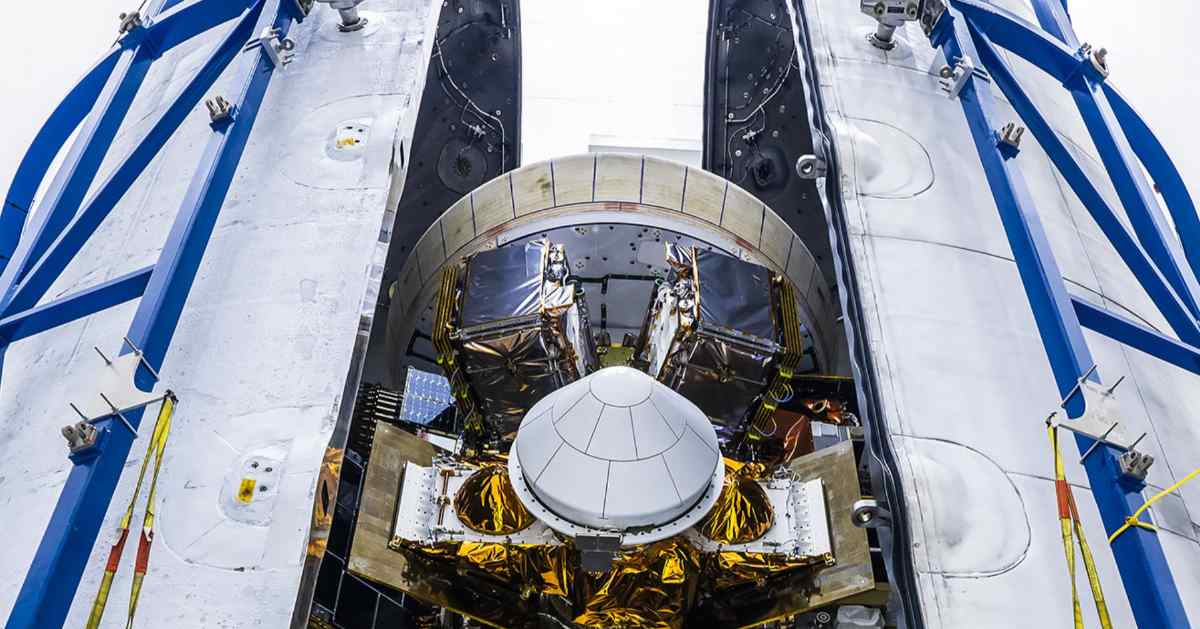
The object in question is the upper stage of a Falcon 9, which launched two private landers built by Firefly Aerospace and Japan-based ispace on January 15 last year.
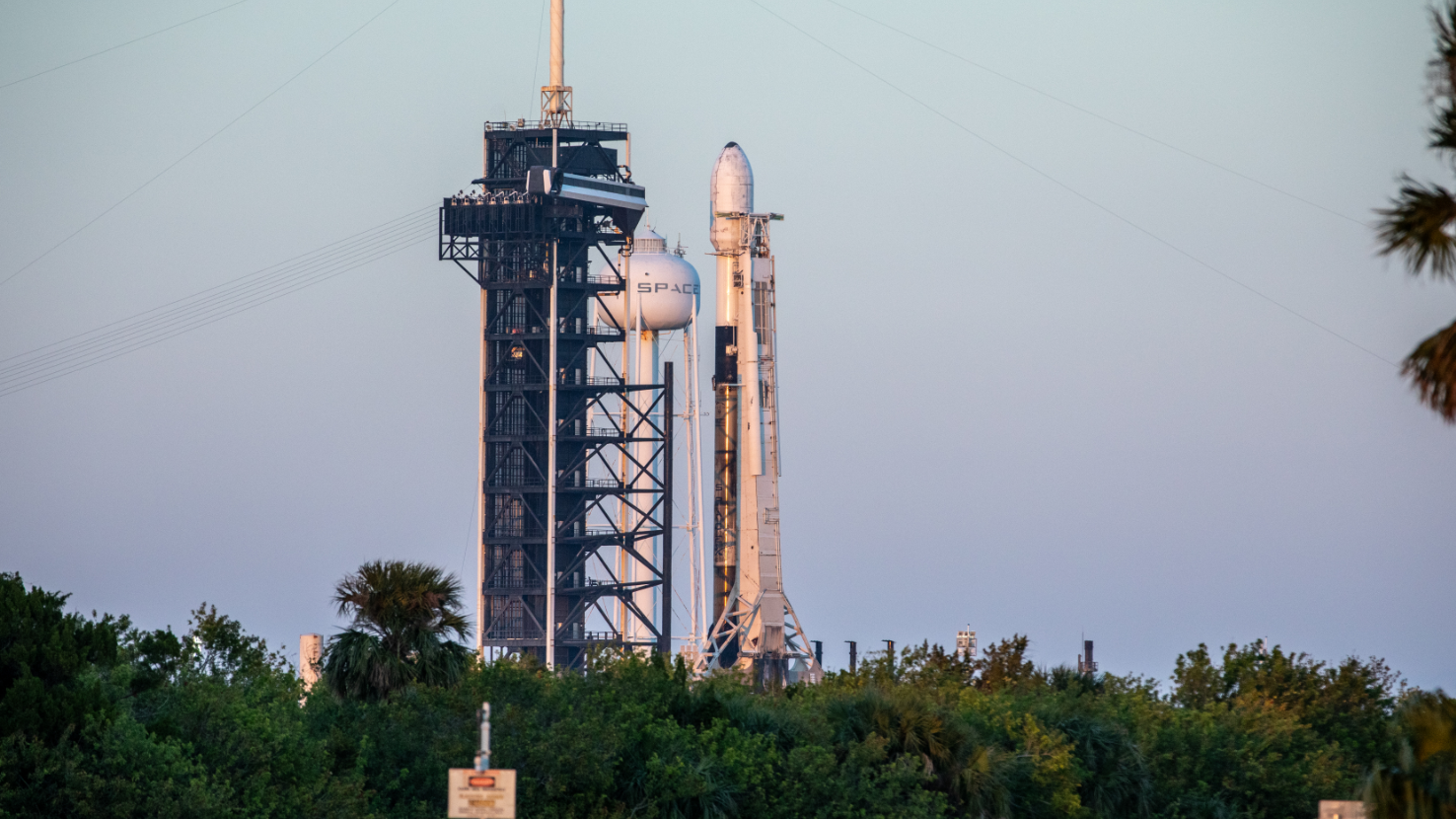
After deploying the landers in their pre-planned trajectories, the upper stage ran out of fuel, which prevented it from entering a stable orbit or returning to Earth to burn up in the atmosphere. Since then, it has been drifting in space and is now falling toward the Moon.
When and where will the collision occur?
The collision is predicted to take place on August 5 at 06:35 UTC (2:35 am EDT).
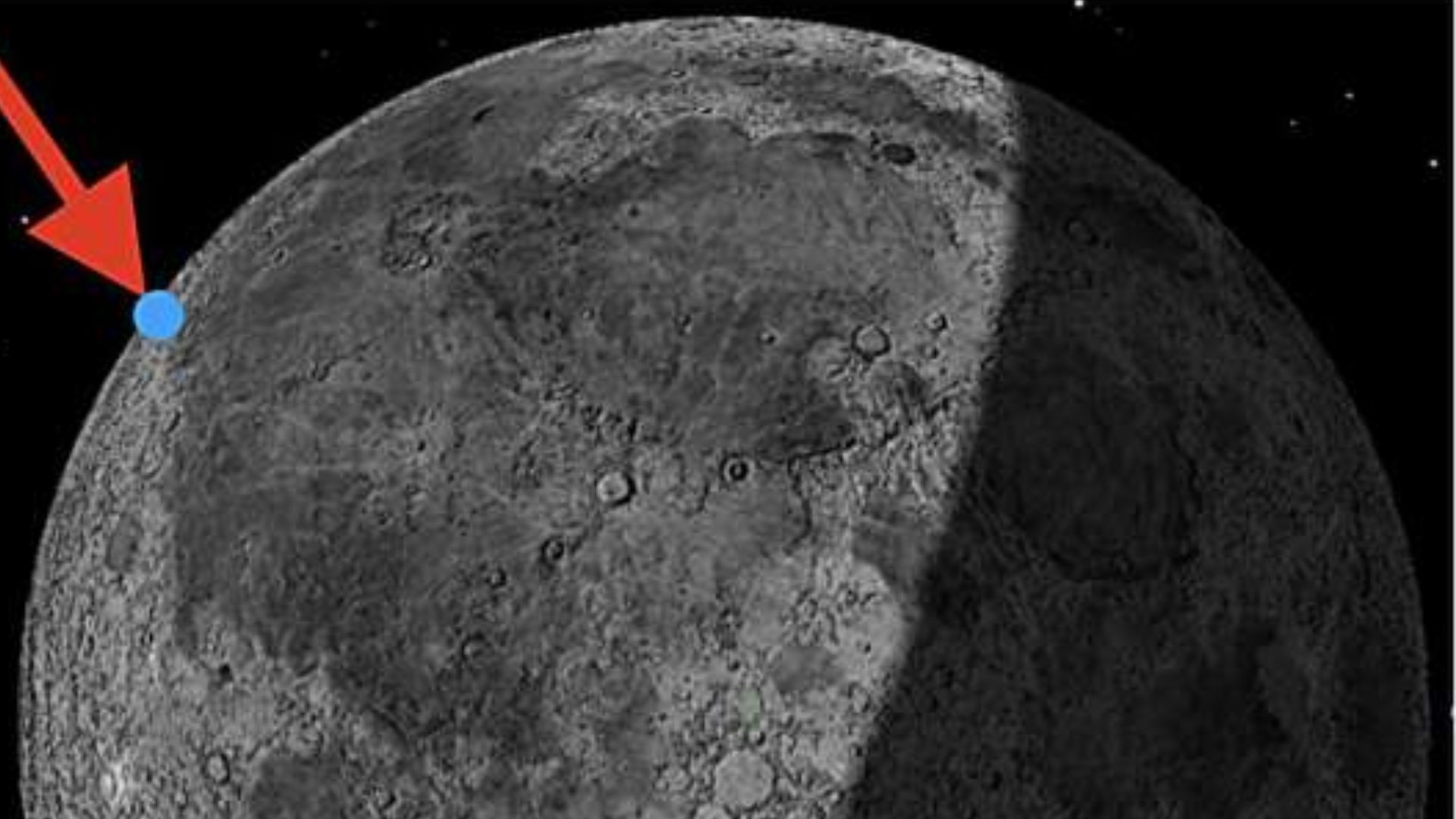
According to a new paper available on the arXiv preprint server, the rocket stage will slam near the Einstein crater, which is located on the Moon's extreme western side, near the boundary between the near and far sides.
How big is the rocket stage?
The rocket stage is said to be about 12 meters (39 feet) long and 4 meters (13 feet) wide, and weighs approximately 4,000 kilograms (8,818 pounds).
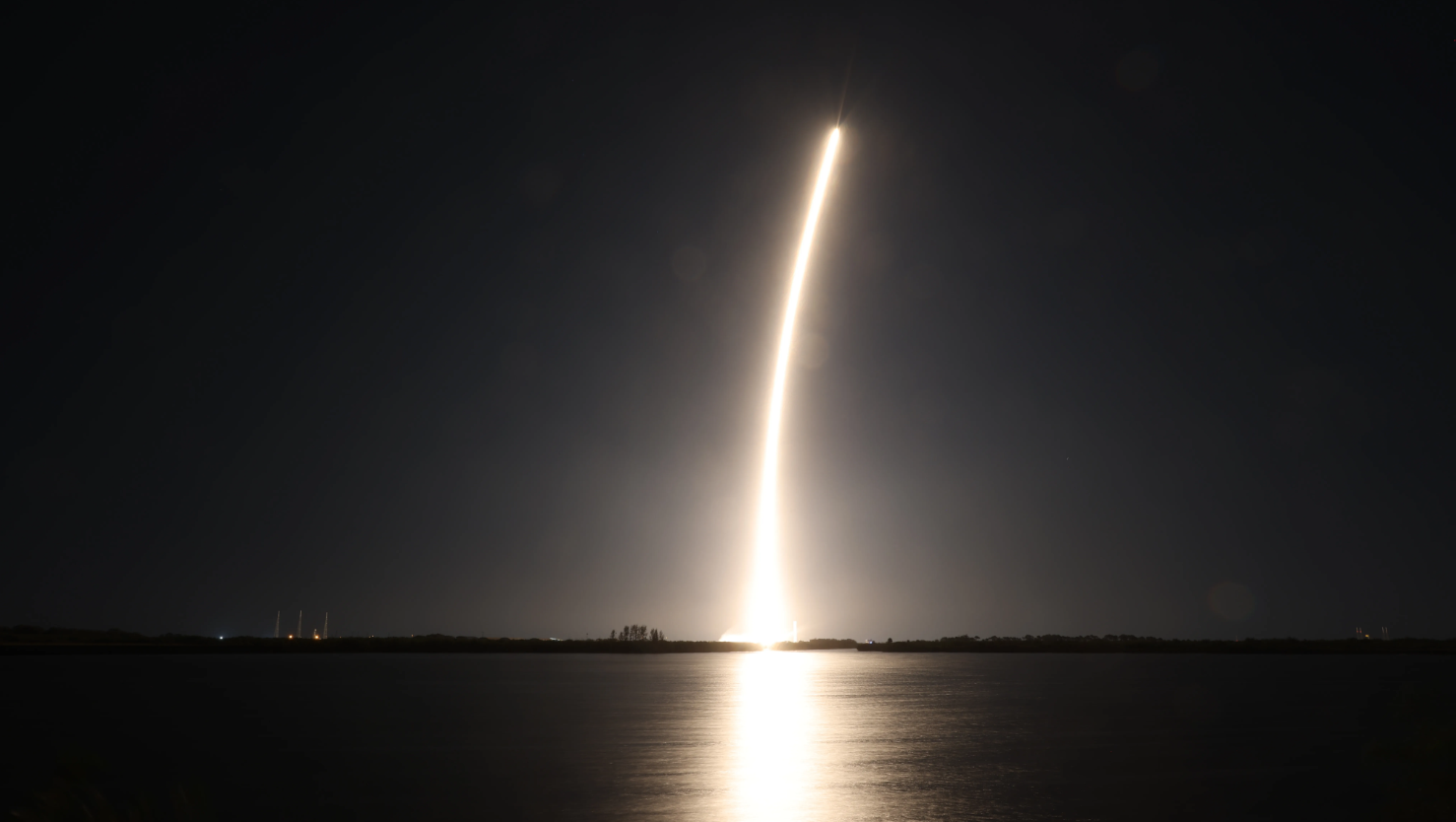
Estimates suggest it will slam into the surface at about 8,750 kilometers per hour (5,400 mph), releasing 11.8 gigajoules of energy upon impact.
What will happen after the crash?
The crash will generate an enormous dust plume along with a potentially visible impact flash. Through simulations, the scientists also predicted that the crash would create a crater 20–30 meters (66–98 feet) wide and excavate approximately 1.1 million kg (2.4 million pounds) of surface material.
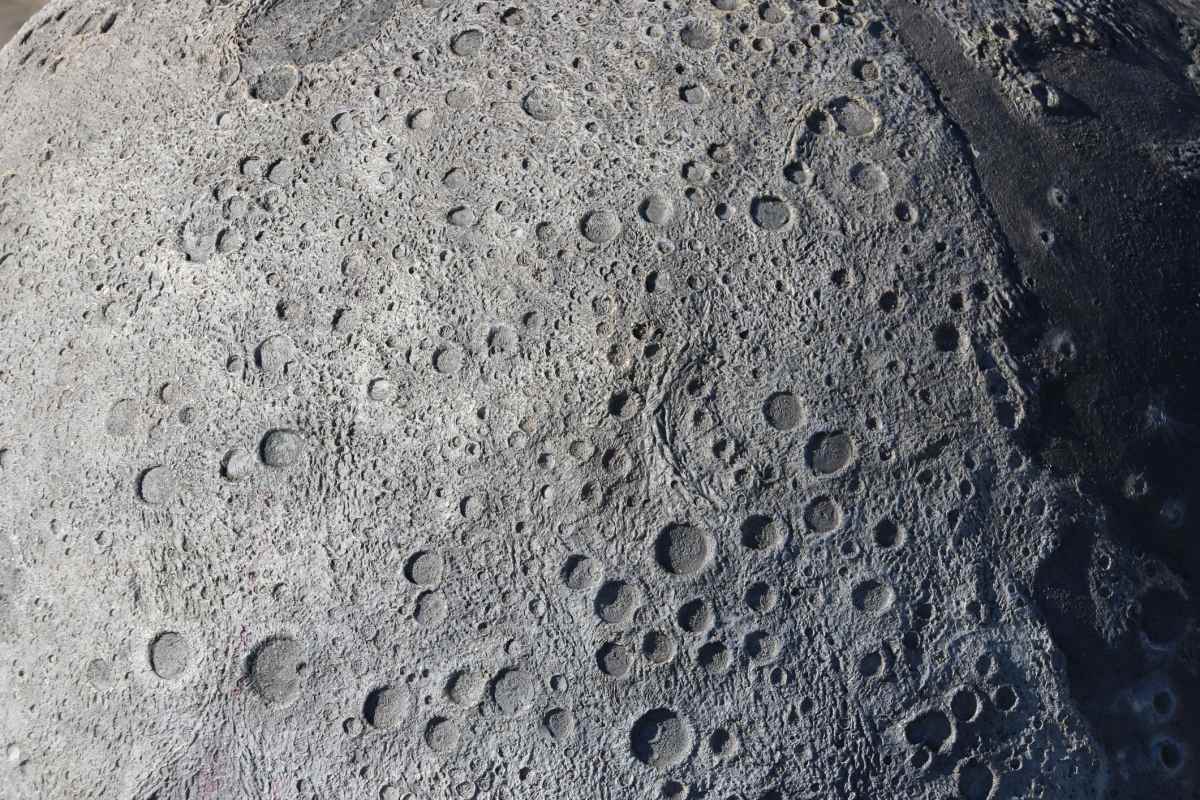
"A double crater may be produced if the impactor is decapitated, which may occur depending on the stage’s attitude at the time of impact," the paper says.
Will it be visible from Earth?
The impact flash would be a major real-time signal of the collision, but it may be hard to detect because it will occur on a sunlit portion of the lunar surface. “If any observations are to be attempted, they will require a telescope rather than binocular or naked-eye measurements,” the authors wrote, adding that imaging with a higher frame rate will be optimal to observe the flash.
Why this event matters
This event will provide an opportunity to record an artificial impact in real time and develop methods to pinpoint crash points for future seismic experiments, the experts say. This might also enable the investigation of dust and plume dynamics from artificial impact events on the Moon and the risks they pose.
More on Starlust:
Why is Starship made of stainless steel, not carbon fiber? Here's what Elon Musk had to say
Buck Moon 2026: 5 U.S. states most likely to offer clear views of July's Full Moon