Total Solar Eclipse 2026: City-wise timings to watch the rare August 12 event in US and Europe
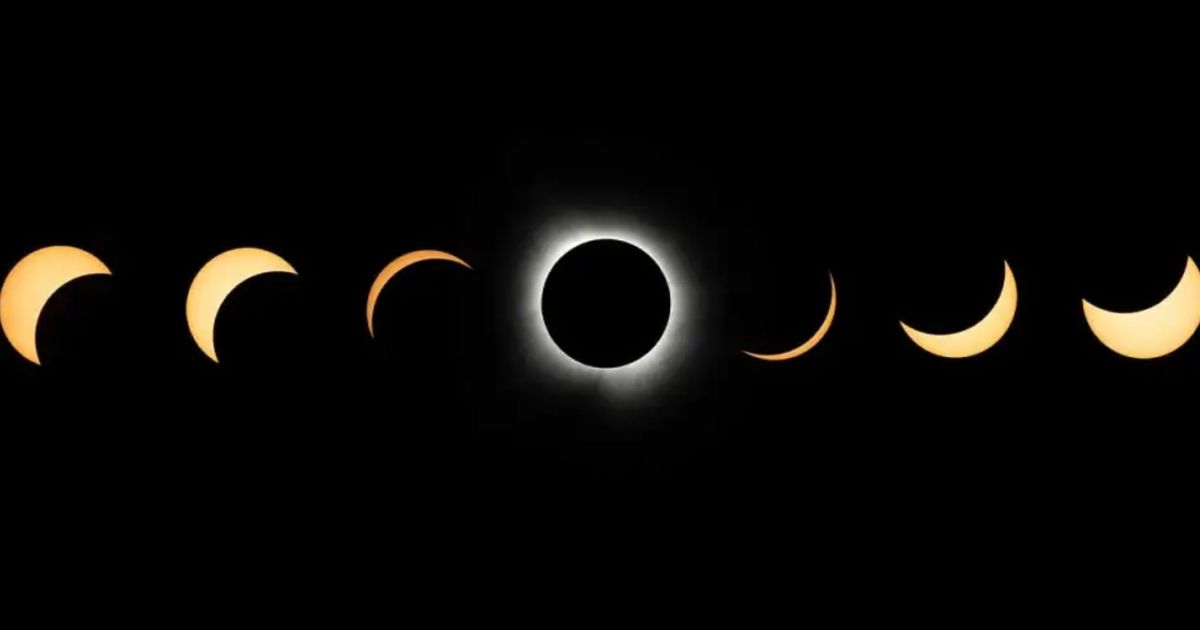
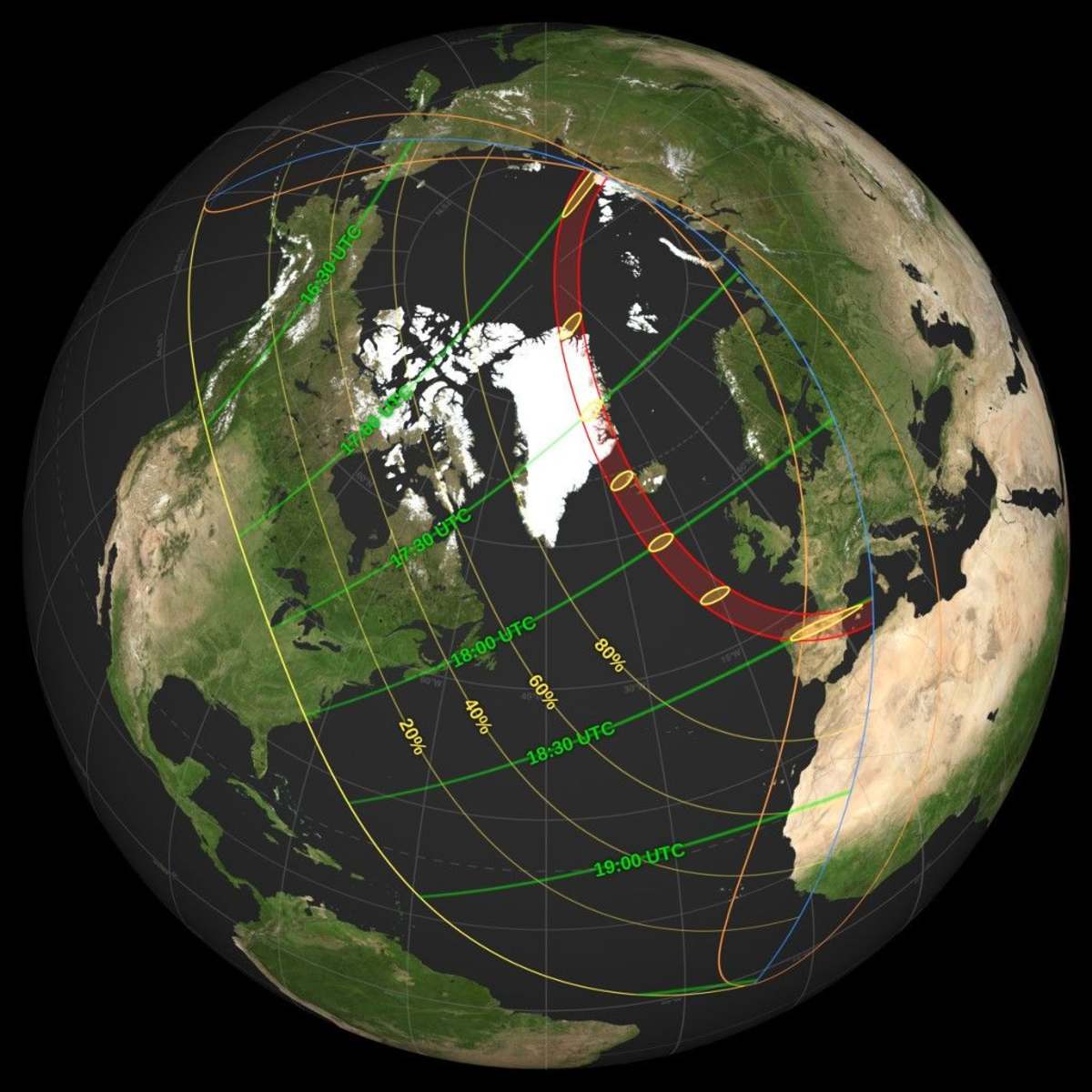
Skywatchers should mark their calendars as we are about to witness a rare total solar eclipse next month. On August 12, dozens of cities will experience at least a partial eclipse across the US, Canada, Europe and Africa in what would be the second solar eclipse of 2026. In the US, the cities witnessing the partial eclipse range from Alaska to North Carolina whereas a few Spanish cities in Europe will be the best places to watch the total eclipse. According to EarthSky, this is the first total solar eclipse to be visible in mainland Spain since 1905.
A total solar eclipse occurs when the Moon passes directly between Earth and the Sun. As the Moon completely blocks the Sun, it casts a dark shadow on Earth for a brief time called totality. Regions where the path of totality crosses see a total solar eclipse whereas locations outside this path get a partial solar eclipse.
Cities set to witness total solar eclipse
According to NASA, the eclipse will begin in a remote region of northern Russia as the day begins, and the path of totality runs through Greenland to the European cities. Here’s where totality will be seen on August 12 (all times are local time for European cities):
City |
Partial begins |
Totality begins |
Totality ends |
Partial ends |
| 1. Reykjavík (Iceland) | 4:47 pm | 5:48 pm | 5:49 pm | 6:47 pm |
| 2. León (Spain) | 7:32 pm | 8:28 pm | 8:30 pm | 9:22 pm |
| 3. Valencia (Spain) | 7:38 pm | 8:32 pm | 8:33 pm | 9:01 pm |
| 4. Zaragoza (Spain) | 7:34 pm | 8:29 pm | 8:30 pm | 9:07 pm |
Solar eclipse in US cities and timings
In Alaska and even northern Canada, the partial eclipse will start and end in the morning whereas in the northern contiguous US, it will begin around midday. Following are the American cities and timings of the eclipse (all times are local time for American cities).
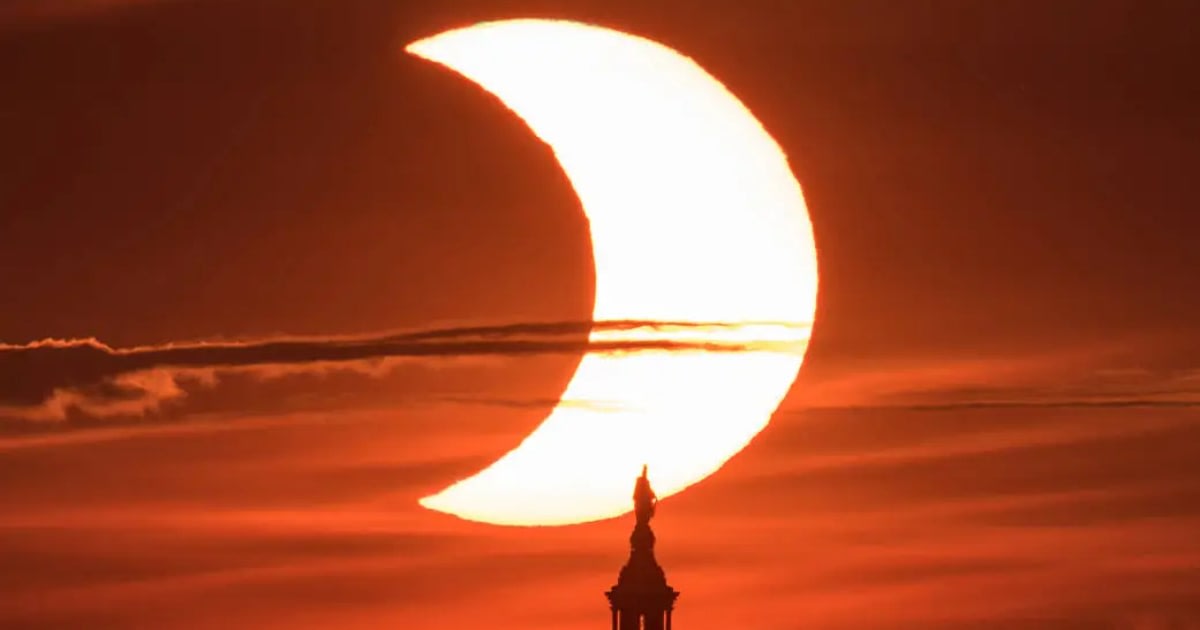
Anchorage, Alaska: Eclipse begins at 7:36 am and ends at 9:09 am with 28 per cent coverage
Bangor, Maine: Eclipse begins at 12:54 pm and ends at 2:49 pm with 24 per cent coverage
Boston, Massachusetts: Eclipse begins at 1:01 pm and ends at 2:46 pm with 16 per cent coverage
Detroit, Michigan: Eclipse begins at 1:03 pm and ends at 2:08 pm with 3 per cent coverage
Fairbanks, Alaska: Eclipse begins at 7:37 am and ends at 9:18 am with 37 per cent coverage
Juneau, Alaska: Eclipse begins at 7:41 am and ends at 9:08 am with 17 per cent coverage
New York City, New York: Eclipse begins at 1:07 pm and ends at 2:38 pm with 9 per cent coverage
Philadelphia, Pennsylvania: Eclipse begins at 1:11 pm and ends at 2:35 pm with 7 per cent coverage
Portland, Maine: Eclipse begins at 12:57 pm and ends at 2:27 pm with 19 per cent coverage
Washington, D.C.: Eclipse begins at 1:17 pm and ends at 2:27 pm with 4 per cent coverage
Solar eclipse in European cities and timings
The upcoming total solar eclipse will be the first in mainland Europe since 1999. Several cities in the UK and Ireland along with France, Belgium, Switzerland and northern regions of Italy will see as much as 95 per cent of coverage during the event. Following are timings of the eclipse in different cities (all times are local time).
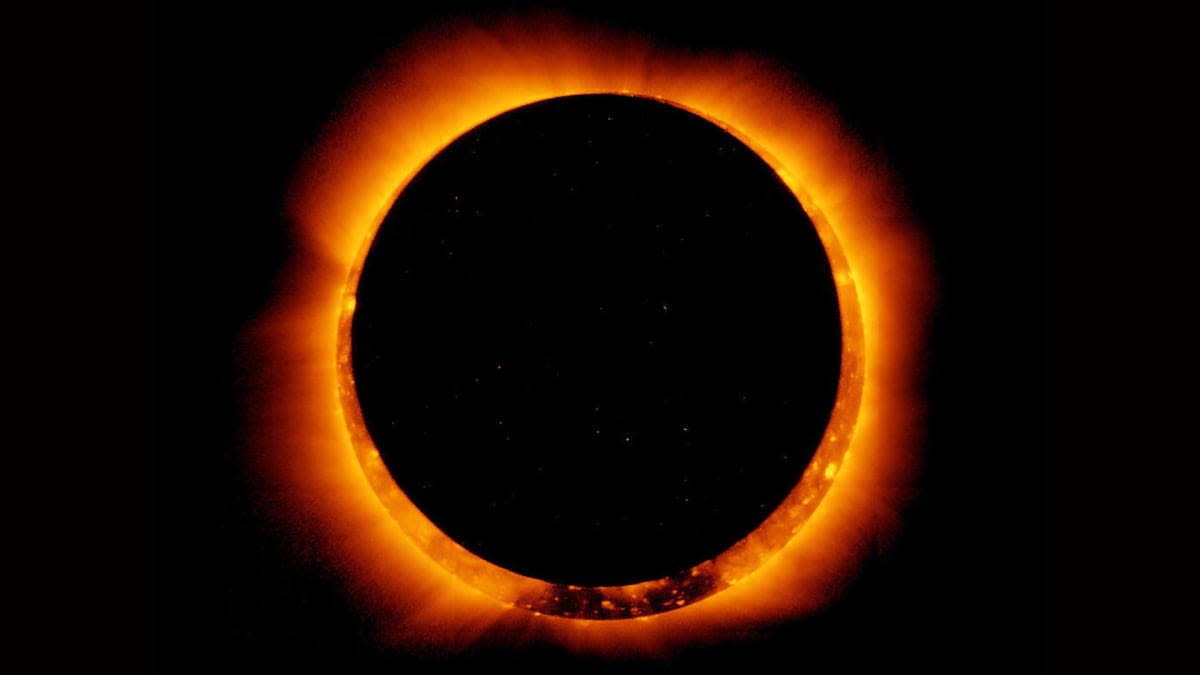
Barcelona, Spain: Eclipse begins at 7:35 pm and ends at 8:54 pm with 99 per cent coverage
Berlin, Germany: Eclipse begins at 7:15 pm and ends at 8:38 pm with 85 per cent coverage
Dublin, Ireland: Eclipse begins at 6:12 pm and ends at 8:05 pm with 94 per cent coverage
Kraków, Poland: Eclipse begins at 7:18 pm and ends at 8:04 pm with 64 per cent coverage
Lisbon, Portugal: Eclipse begins at 6:39 pm and ends at 8:29 pm with 95 per cent coverage
London, U.K.: Eclipse begins at 6:17 pm and ends at 8:06 pm with 91 per cent coverage
Madrid, Spain: Eclipse begins at 7:36 pm and ends at 9:16 pm with 99 per cent coverage
Milan, Italy: Eclipse begins at 7:27 pm and ends at 8:35 pm with 92 per cent coverage
Nuuk, Greenland: Eclipse begins at 3:30 pm and ends at 5:39 pm with 79 per cent coverage
Oslo, Norway: Eclipse begins at 7:02 pm and ends at 8:49 pm with 83 per cent coverage
Paris, France: Eclipse begins at 7:22 pm and ends at 9:09 pm with 92 per cent coverage
Stockholm, Sweden: Eclipse begins at 7:03 pm and ends at 8:46 pm with 81 per cent coverage
Vienna, Austria: Eclipse begins at 7:22 pm and ends at 8:13 pm with 85 per cent coverage
More on Starlust:
Buck Moon 2026: Why July's Full Moon will look unusually large and golden on July 29
Buck Moon 2026: What else can you see in the sky during July's Full Moon?