SpaceX’s Starship still afloat in Indian Ocean, Elon Musk says ‘sending a ship for recovery’
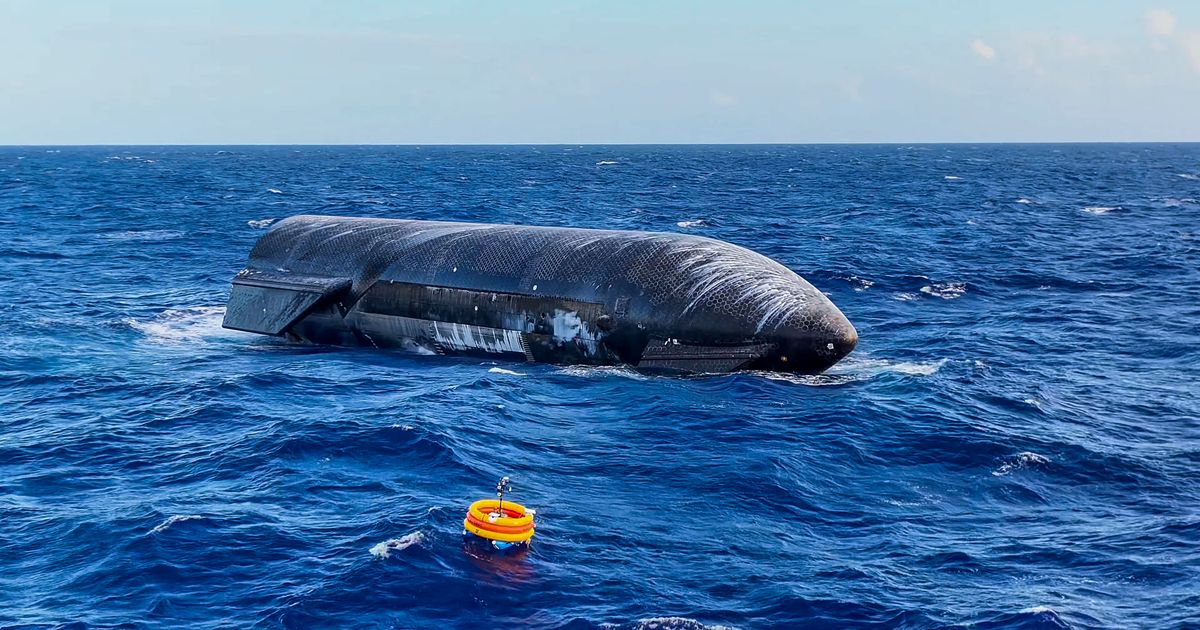
SpaceX on Wednesday shared a thrilling new video of Starship’s ‘softest’ splashdown in the Indian Ocean during its 13th integrated test flight on July 24. The 408-foot-tall rocket lifted off from Starbase, Texas, at 6:51 pm EDT, and flew on a suborbital trajectory before its intact water landing for the first time. According to SpaceX, the upper stage of the rocket is still afloat in the Indian Ocean, and efforts are underway to recover it.
We’re sending a ship out to recover Starship https://t.co/fUqUZTITO9
— Elon Musk (@elonmusk) July 28, 2026
Taking to X, SpaceX CEO Elon Musk said, “We’re sending a ship out to recover Starship.” Earlier today, the company shared new pictures of Starship and the recovery team onboard a vessel to facilitate the rescue operations.
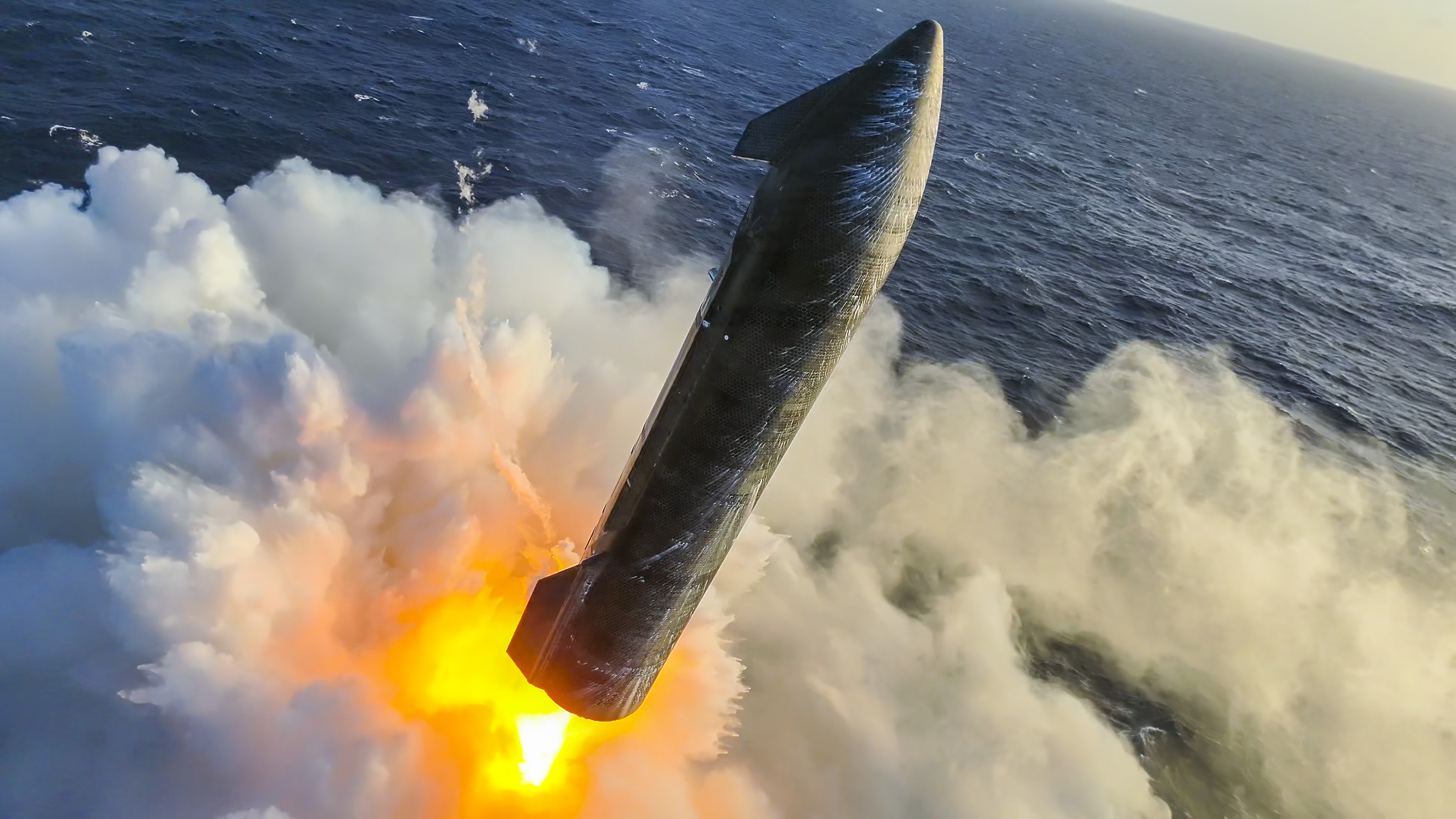
Flight 13 was the second flight for the Version 3 (V3) of Starship, and while it ended relatively successfully, the rocket’s Super Heavy booster faced issues yet again. It was supposed to relight 13 of its 33 Raptor engines for the initial phase of its landing burn but failed to execute this completely, making a hard splashdown into the Gulf of Mexico. Its engines failed to ignite in May as well, causing the booster's crash into the sea earlier than planned. The upper stage, however, successfully deployed all 20 Starlink V3 satellites, which transmitted key telemetry data to the mission team.
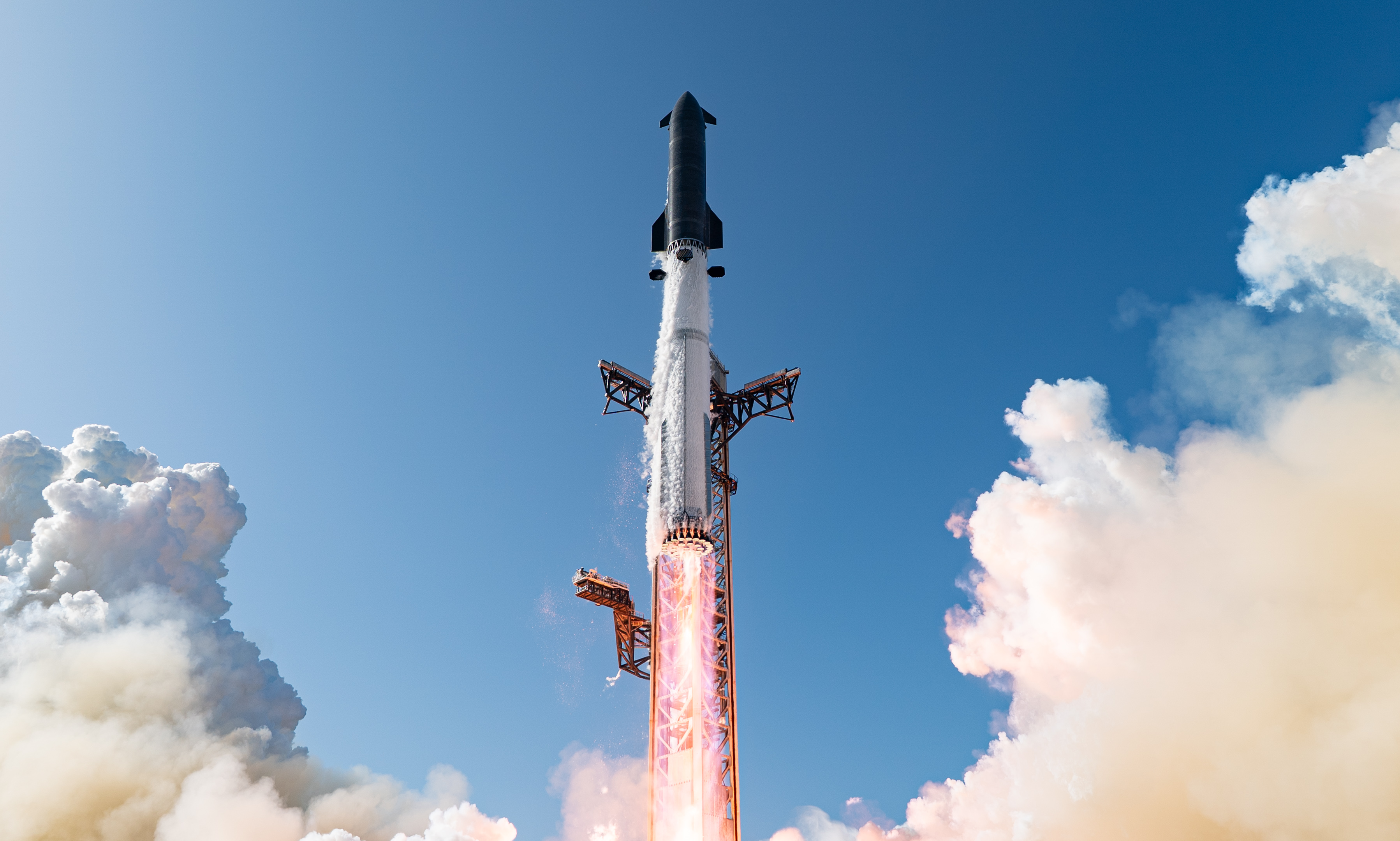
These satellites, which were on a pre-planned trajectory, burned up upon reentry approximately 20 minutes after deployment. This stage also reignited a single Raptor engine in an in-space demonstration of a core capability for future orbital missions. On Flight 12, the upper stage had faced issues with its engines, causing it to explode after splashdown.
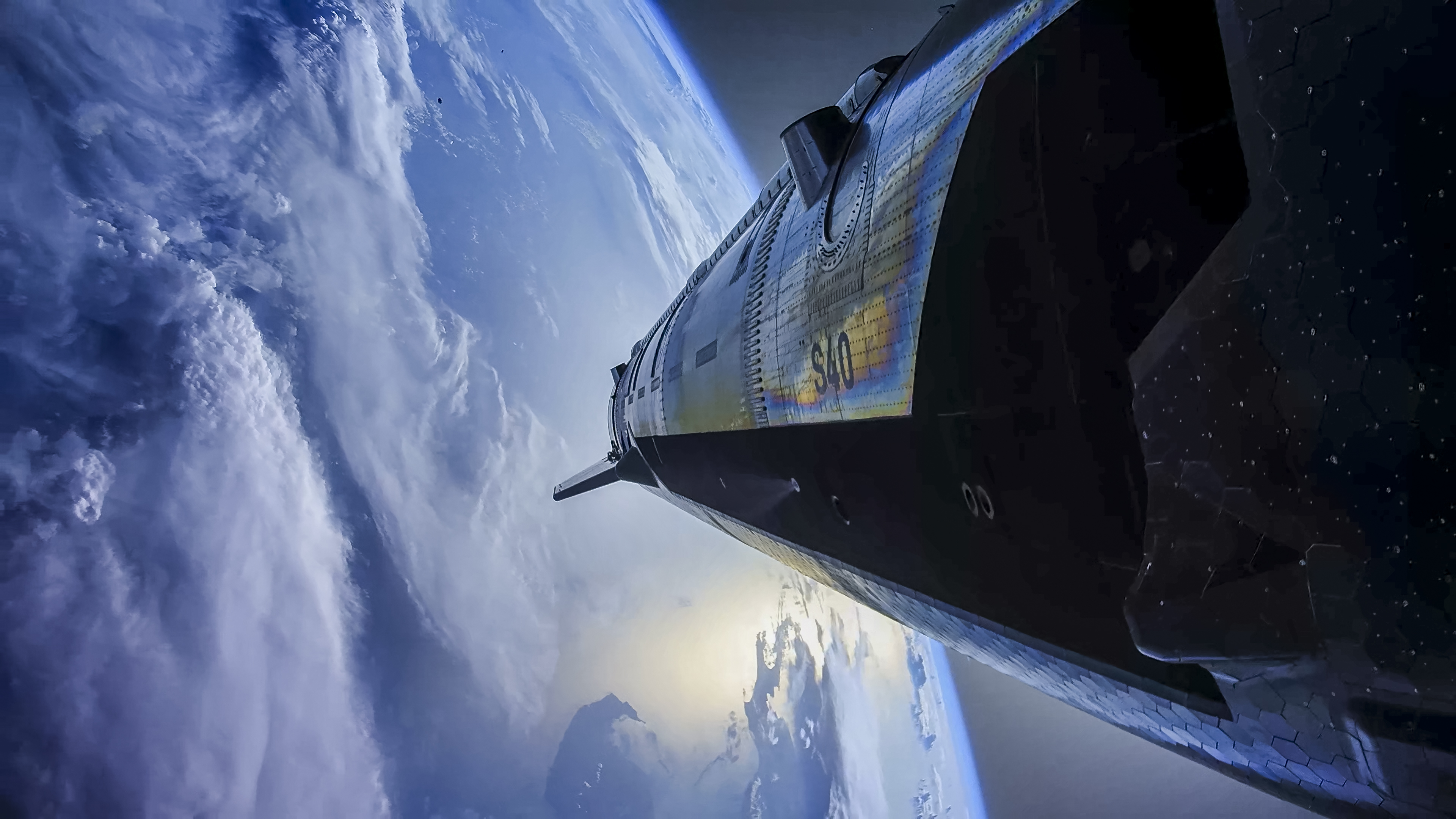
“Starship re-entered the Earth’s atmosphere and was able to gather critical data on the performance of its heatshield before executing a dynamic banking move to mimic the trajectory that future missions returning to Starbase will fly,” SpaceX said in a statement. “After relighting all three Raptor engines, Starship executed a landing flip, landing burn, and soft splashdown, coming to rest intact in the Indian Ocean and providing critical views of an intact heatshield for the first time.”
Interestingly, the company might catch the upper stage on its next test flight using the Mechazilla tower, which has already proven its functionality catching the booster on previous occasions. “Unless we discover problems after mission data review, SpaceX will attempt to catch the ship with the tower on the next flight,” Musk posted on X on July 25.
More on Starlust:
NASA astronaut Anil Menon to conduct his first spacewalk with veteran Jessica Meir on August 6
NASA's Nancy Grace Roman Space Telescope completes fueling, inches closer to launch on August 30