China unveils bold plan to complete first AI-driven geological map of Mars by 2028
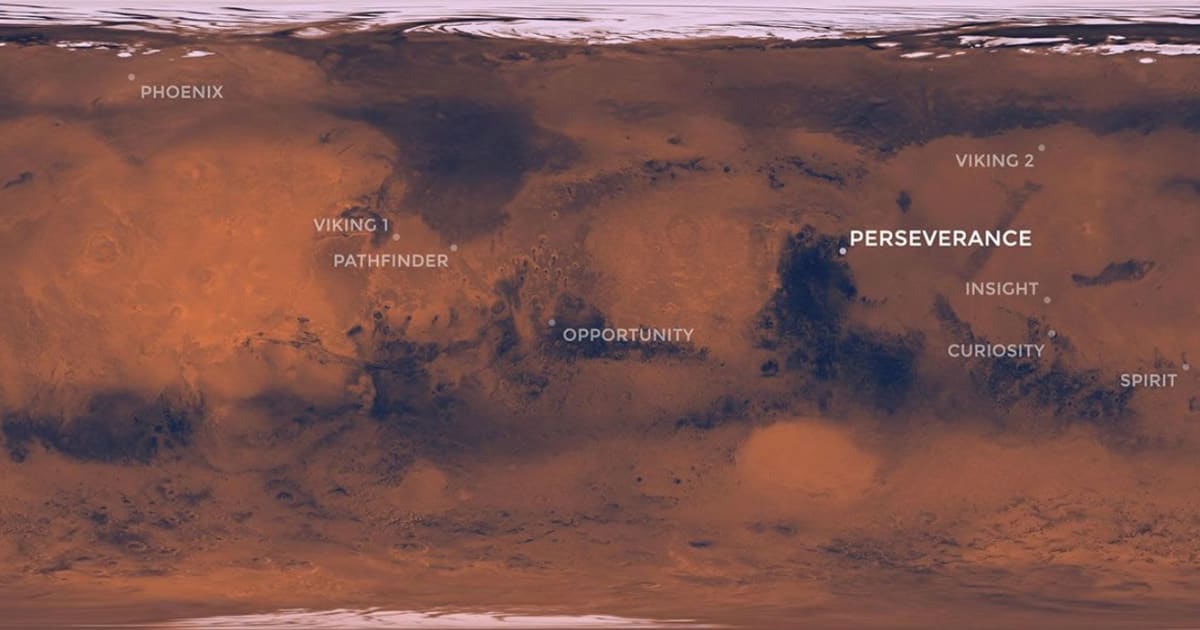
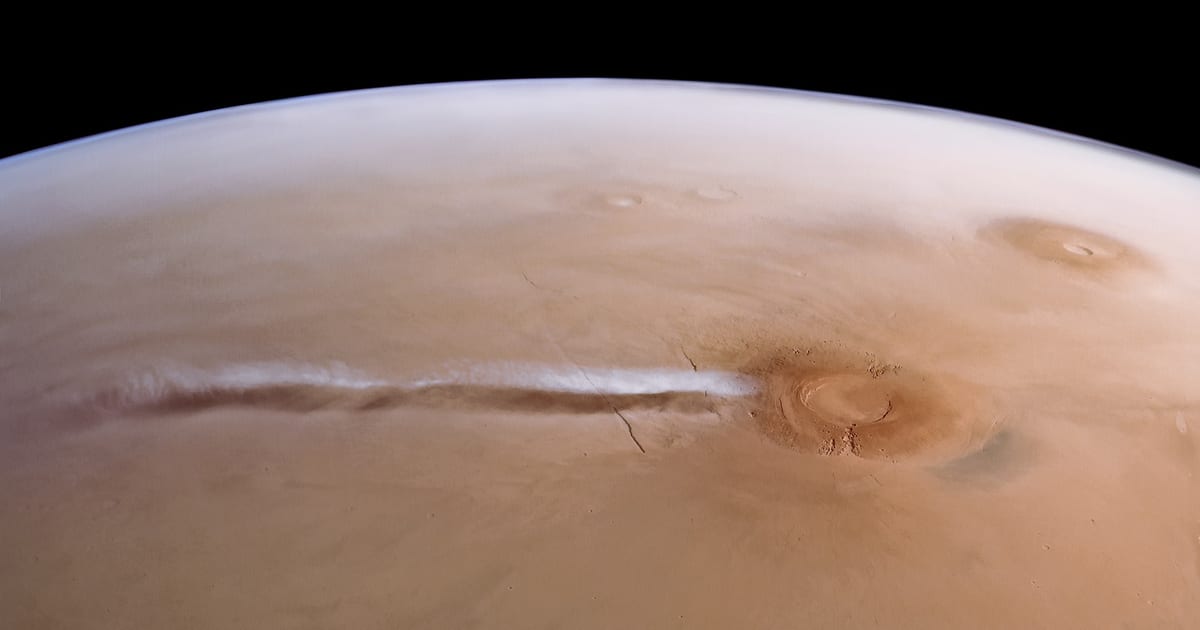
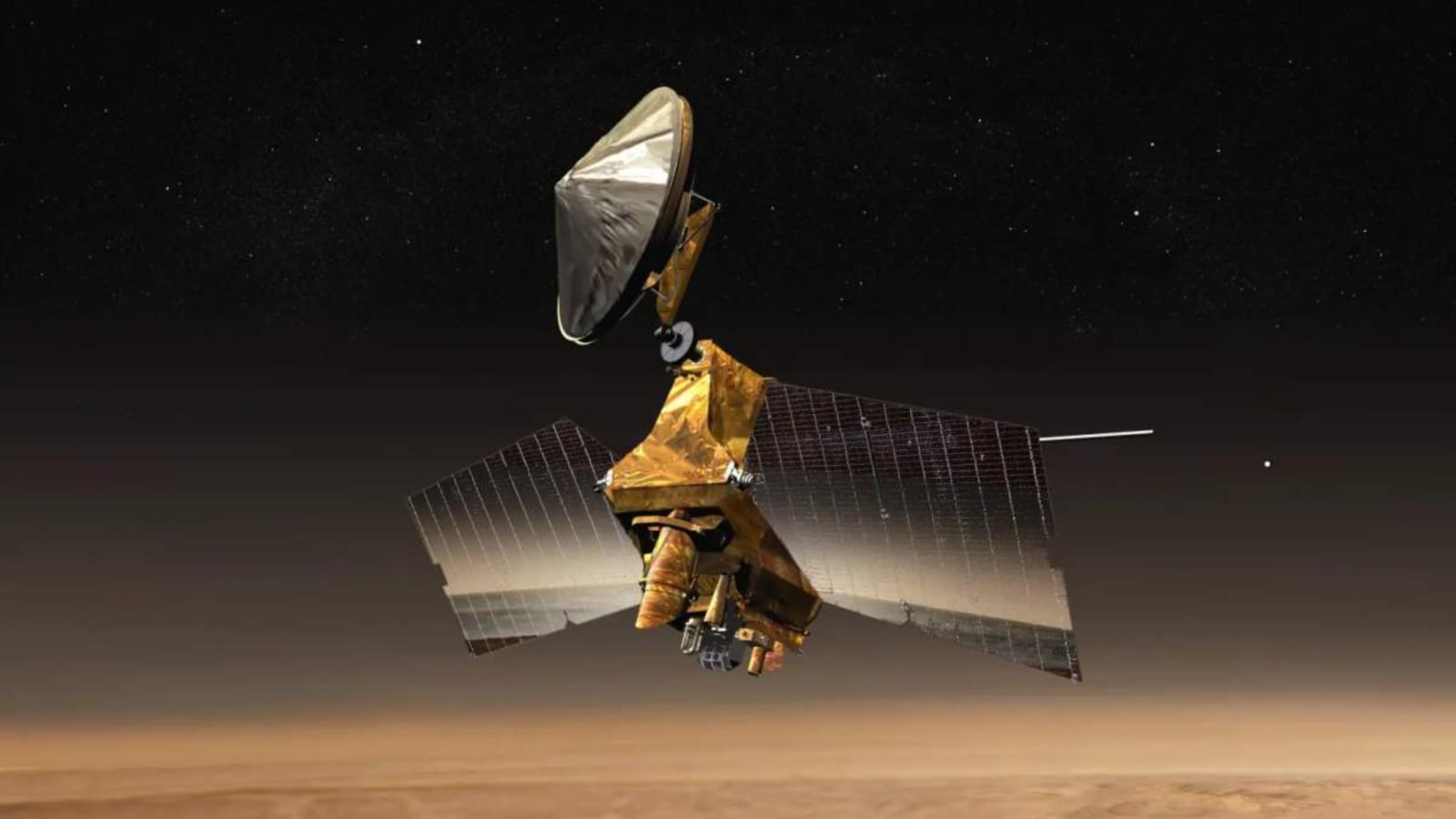
China is set to take some significant steps forward in its exploration of Mars. According to reports, an AI-driven geological map of Mars is set to be completed by Beijing by 2028. While a map of the Red Planet has already been made by NASA through its Mars Reconnaissance Orbiter, the one being created by China is being promoted as the world's first intelligent geological map of Mars. It will also serve to complement the readiness of the upcoming Tianwen-3 mission, which will return Martian samples. "The mission will be a critical step in China's planetary exploration. We hope to provide the international community with an unprecedented opportunity to understand Mars," said Hou Zengqian, chief scientist of the mission.
A complete map of Mars
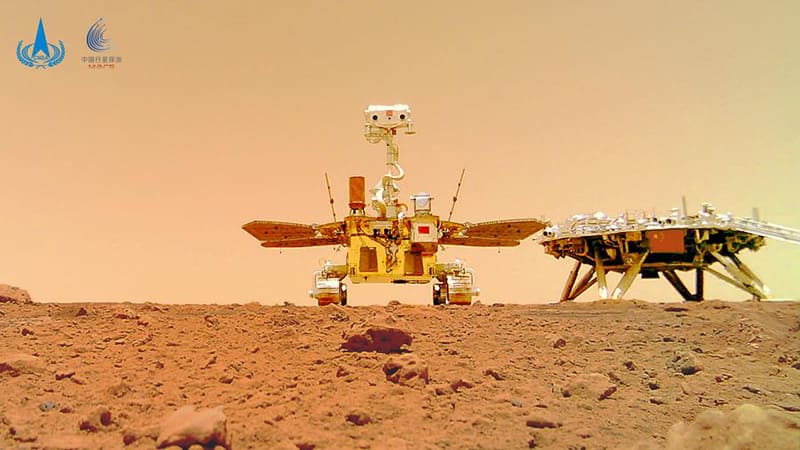
Even though seven space agencies have managed to send missions to Mars thus far, China is one of only two nations to have successfully operated rovers to explore the Red Planet. Its Zhurong rover, which reached Mars in May 2021, has traversed more than a mile of the surface to tell scientists about the ancient geology of Mars. Zhurong was also accompanied by an orbiter as part of the Tianwen-1 mission, which spent over 650 days circling the planet. Both helped provide data about the complex terrain of Mars, together compiling more than 940 gigabytes of data. This data will be used to create the aforementioned map, and the process will be adopted as a template for how other celestial bodies are mapped. Now, with Tianwen-3 scheduled for a 2028 launch, the China National Space Administration (CNSA) hopes to also produce what will be 1:50,000-scale geological maps of its potential landing sites.
Sample return
Tianwen-3 is being designed to bring back 500 grams of Martian samples to Earth by 2031, for which the aforementioned map will help pinpoint the optimal landing spot. "The selection of the landing site on Mars is crucial, as it directly impacts the achievement of the mission's scientific objectives. From an initial pool of over 80 candidate sites, we have narrowed it down to 19, and by the end of 2026, three final candidate sites will be selected", stated Hou. He also mentioned how the landing sites will be limited to latitudes between 17 degrees and 30 degrees north. In terms of a sample return, no country or space agency has managed to succeed until now. Even though NASA's Perseverance rover has already drilled into the Martian regolith and has stored samples in tubes as a part of the Mars Sample Return project, a follow-up mission in collaboration with the European Space Agency (ESA) has been cancelled.

NASA's space race with China
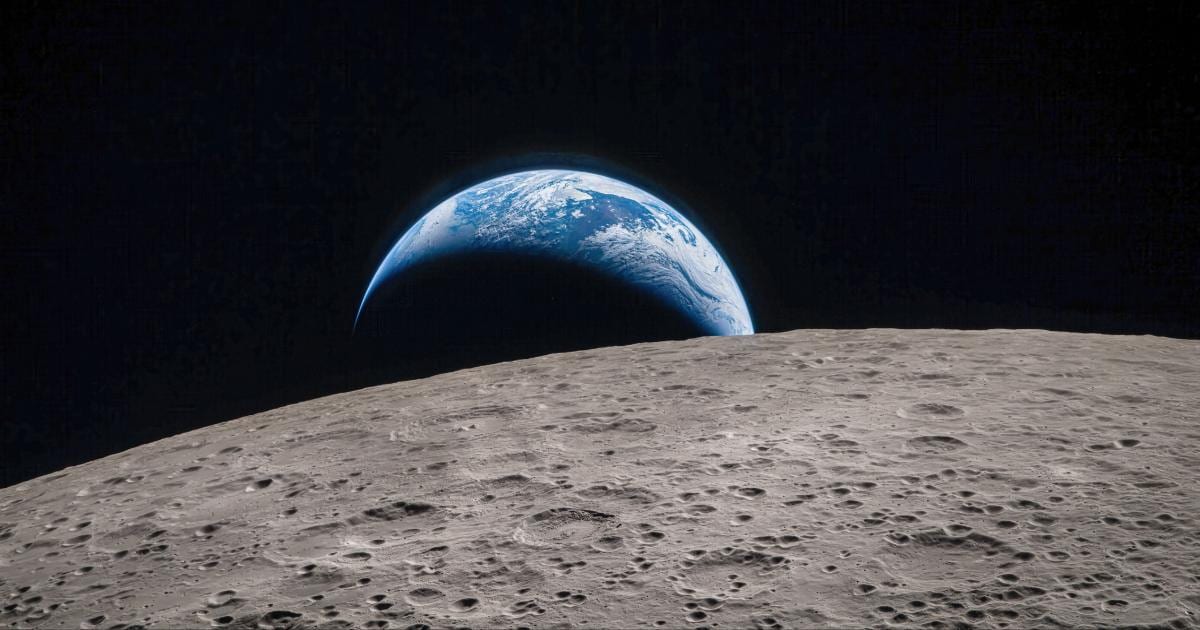
While catching up fast with NASA in the exploration of Mars, China is also rivaling the U.S. to establish a presence on the lunar south pole. While NASA is full steam ahead with its Artemis and Moon Base programs, China was originally slated to put its Chang'e-7 mission on the Moon later this year. Both agencies have a particular interest in the region near the Shackleton crater that is thought to have ice stored in its permanently shadowed depths, which could be extracted for oxygen and fuel. The race has been so intense that the recent news of Chang'e-7 getting delayed elicited a response from NASA Administrator Jared Isaacman, who equated the postponement to the U.S. "dodging a bullet". China is also not a signatory to the Artemis Accords, which is essentially a diplomatic framework drafted by NASA and the U.S. Department of State.
More on Starlust
Can NASA restrict China's access around its Moon Base? Here's what space law says
The space race then and now: From the erstwhile US-Soviet rivalry to the current China factor