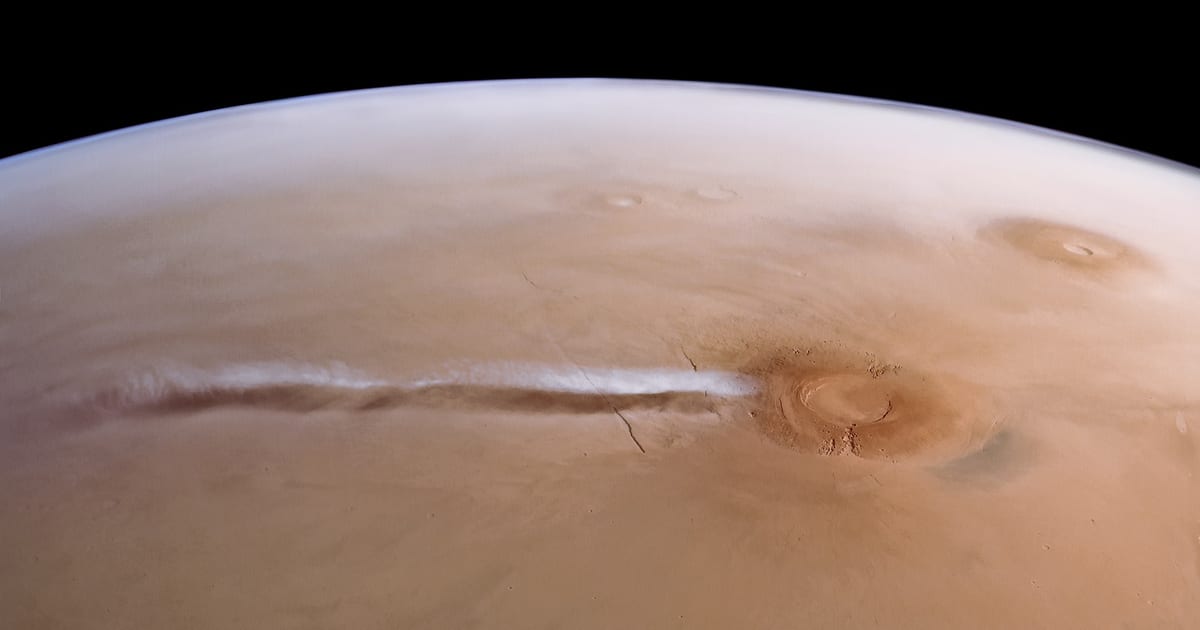
NASA's Perseverance rover finds ‘astonishingly complex’ record of water activity on early Mars
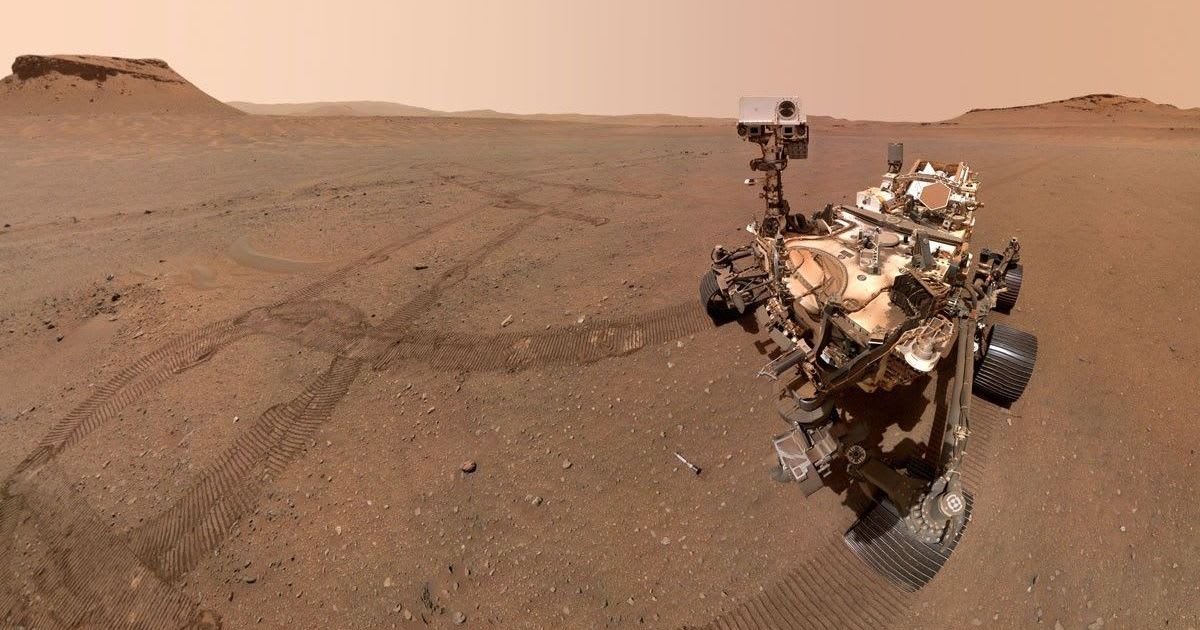
Mars has surprised scientists yet again. Data from NASA’s Perseverance rover has revealed an "astonishingly complex" record of water activity on early Mars in the Jezero Crater, which used to house an ancient lake. The findings, which were published in the journal Communications Earth & Environment, concern a region called the "Margin Unit." Since it runs along the shoreline of an ancient Martian lake, scientists had expected to find sedimentary rocks there. Mars orbiters, in fact, had picked up signals of carbonate minerals, but the rover team found something else altogether.
Sometimes following the water can lead to surprising places💧
— NASA Mars (@NASAMars) September 21, 2026
A new study of data from Perseverance reveals that rocks in Jezero Crater were shaped by a complex sequence of ancient lakes, groundwater systems, and hydrothermal fluids. 1/2 pic.twitter.com/HUFfQMHiYG
The SuperCam aboard Perseverance, which determines the mineral composition of rocks using lasers, found igneous rocks in the region. Candice Bedford, who's a research scientist at Purdue University and lead author of the study, said that they thought the carbonates seen in the rocks resulted from their interaction only with the lake in the Jezero Crater. "But now we know that this location became a sort of crossroads for aqueous systems."
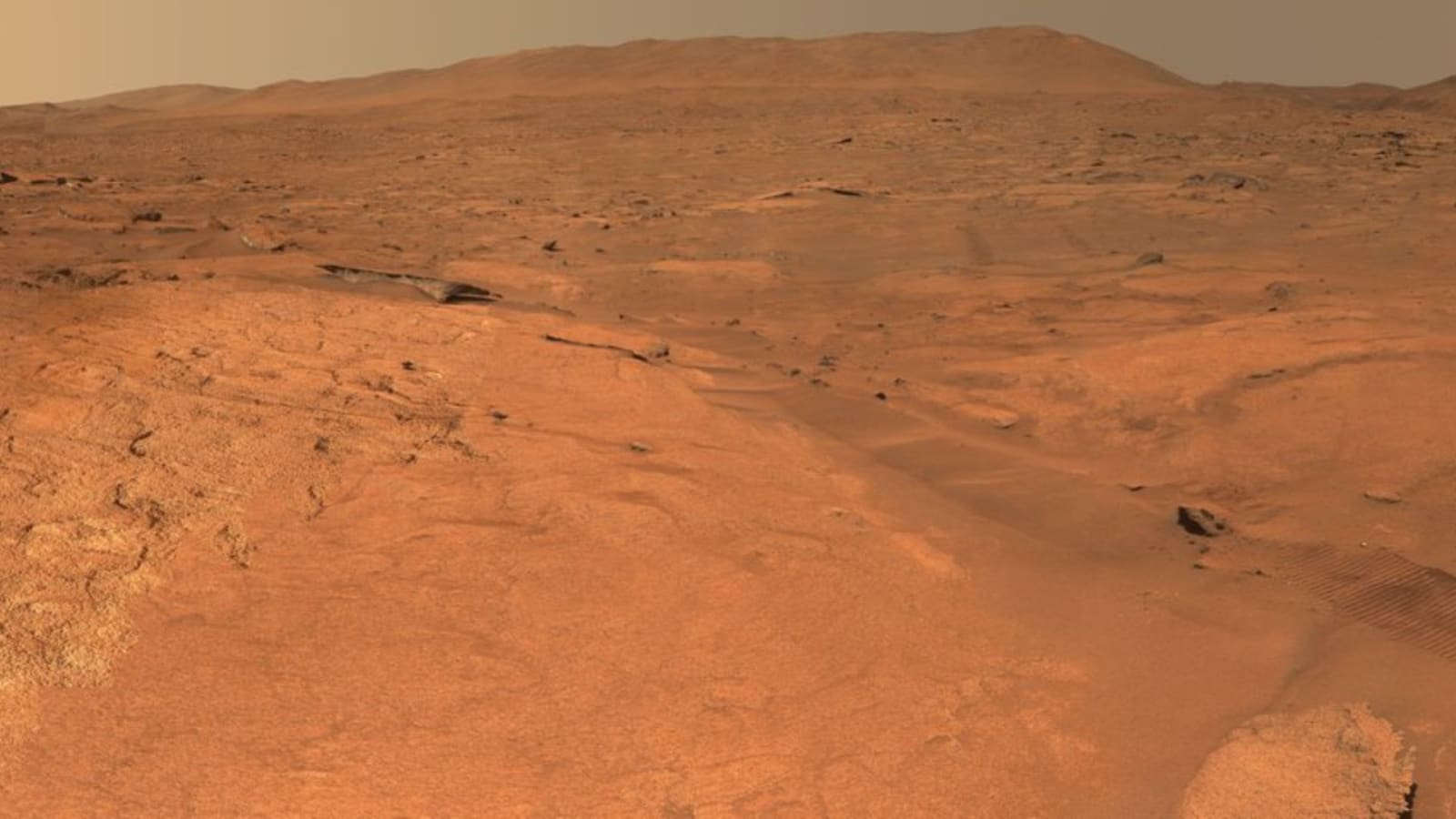
On our planet, carbonates and silica are known to preserve hints of ancient microbial life. The reaction between olivine and water on Earth releases hydrogen, which can be fed on by some microbes. Igneous rocks, which form deep underground from magma and on the surface from volcanic activity, are also said to be excellent record keepers, and in this case, they preserved signs of their encounter with water on ancient Mars and how it changed them.
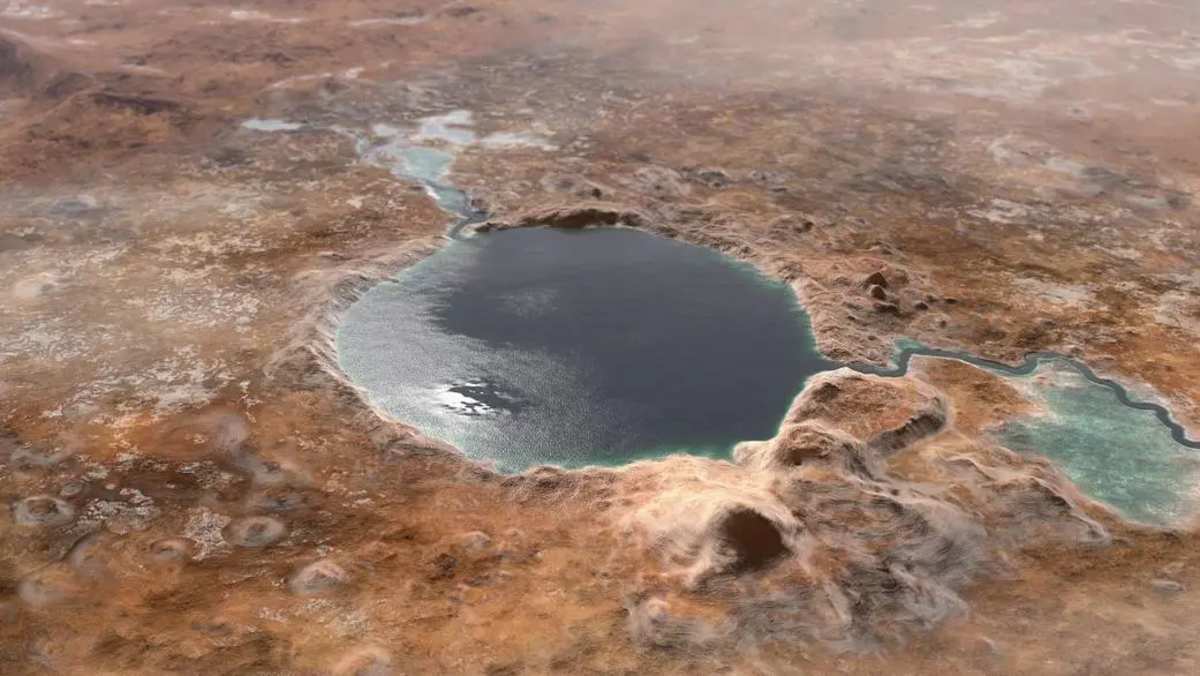
The authors noted that there were three different water episodes in the Margin Unit, whose records the igneous rocks have preserved. On the first occasion, the carbon dioxide-rich groundwater reacted with olivine and formed ridges of carbonate in the fractures of the bedrock. The interaction probably happened the second time when there was a lake in the Jezero crater and it left behind silica.
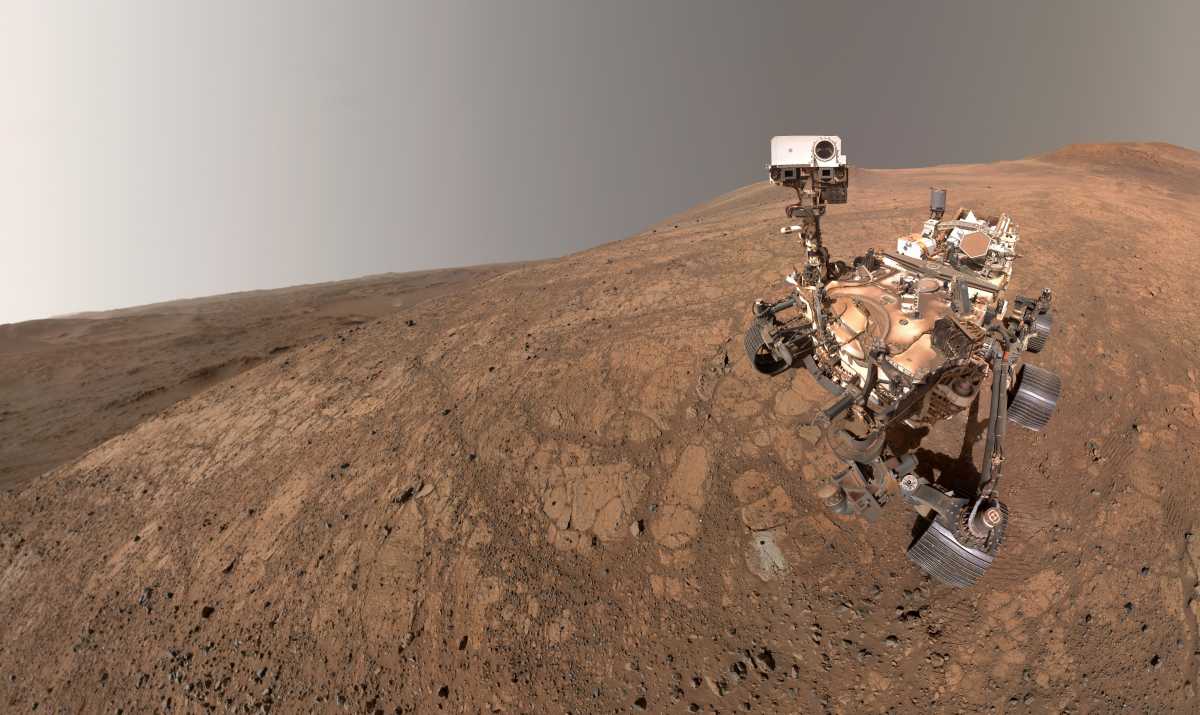
Finally, when the third interaction happened, heated underground water created 10-inch-thick mineral veins containing calcium sulfate and fluorite in the eastern part of the Margin unit. Interestingly, this transformation of igneous rocks occurred only on the lakebed, lower in the Margin Unit; rocks at higher elevation had no signs of encounter with water. “If there is one thing I have learned after 10 years working with Mars rovers, it is that Mars constantly throws surprises at you,” said Bedford. She believes that these findings may shed new light on the watery past of the Jezero Crater and reveal new secrets about the Martian climate.
Where did the water on Mars go?
Mars is believed to have had oceans billions of years ago, but the planet eventually lost its magnetosphere and atmosphere, which ultimately left it dry. A recent study based on data from China's Zhurong rover suggests that the red planet may have had water as recently as 757 million years ago. A popular theory suggests that since Mars lost its magnetosphere, the solar wind and radiation stripped away the atmosphere, which caused water molecules to break apart and escape into space. NASA’s now-retired MAVEN orbiter also revealed that dust storms on the planet would loft water molecules into the atmosphere, which also contributed to their loss into space.
More on Starlust
NASA's Perseverance rover discovers clues to multiple habitable areas on Mars
Mars looks purple in a stunning new ESA image. Here's what's behind the color