China's Mars mission Tianwen-1 captures rare images of interstellar comet 3I/ATLAS
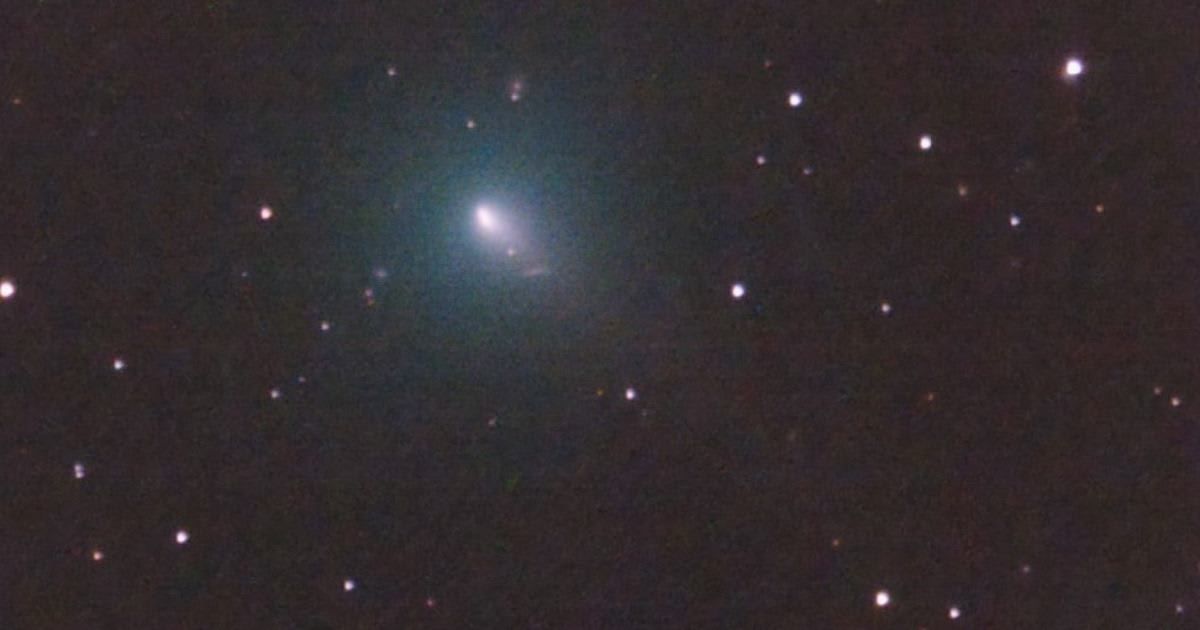
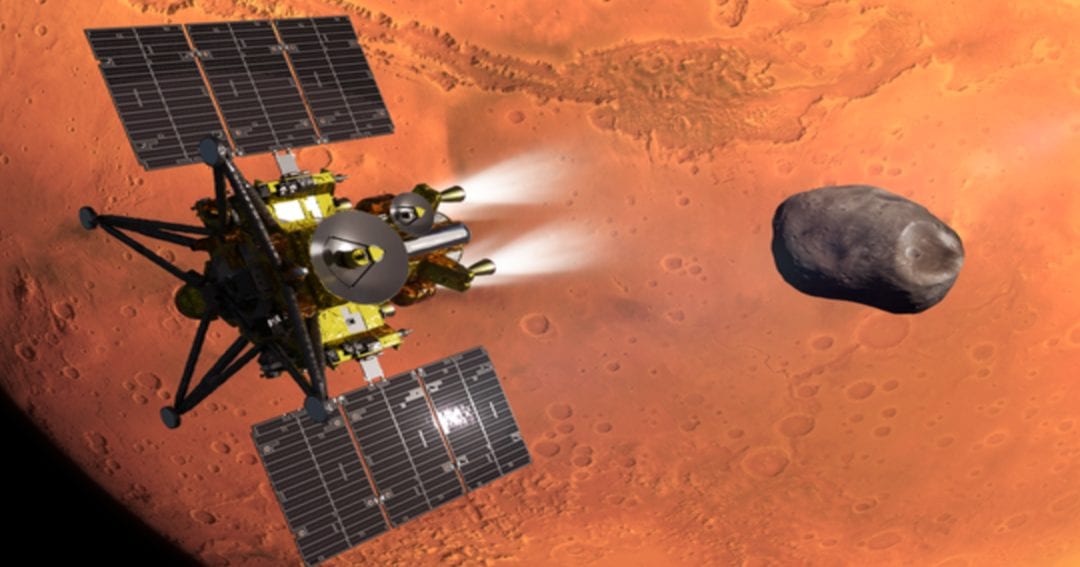
The Tianwen-1 orbiter has successfully photographed the interstellar comet 3I/ATLAS, providing one of the closest-ever observational snapshots of the fleeting visitor. Operating from approximately 18.64 million miles or 30 million kilometers away, China's Mars mission captured detailed imagery of the object as it passed through the solar system, according to the China National Space Administration.

Data analysis confirmed the comet's distinct structure, revealing a nucleus surrounded by a massive coma, resulting in a total diameter spanning several thousand kilometers. The imaging effort, which involved capturing a series of 30-second exposures to generate a trajectory animation, pushed the limits of the orbiter's instrumentation. The observation was a significant technical extension for the Tianwen-1 mission. The orbiter’s high-resolution camera, primarily designed for imaging the bright surface of Mars, was repurposed to target an object 10,000 to 100,000 times dimmer.
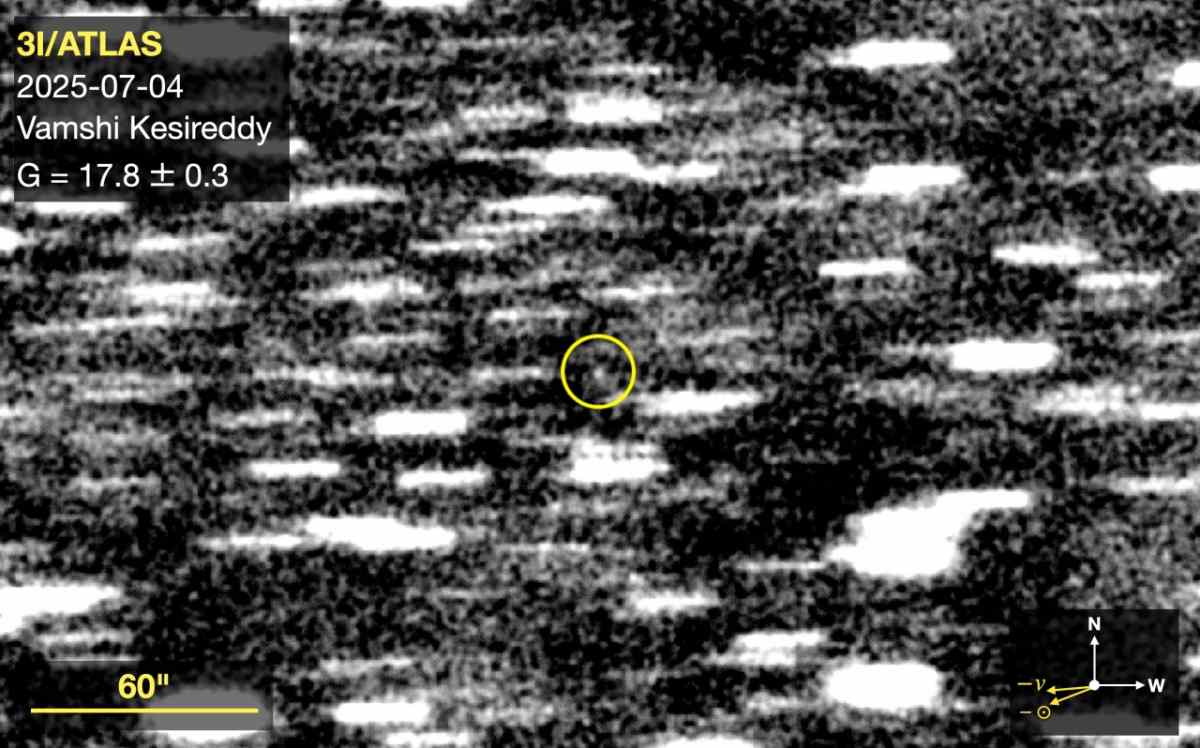
The imaging effort presented substantial mission challenges due to the target's kinematics and luminosity. The comet, 3I/ATLAS, was moving at a relative velocity of approximately 36.04 miles per second (58 km/s), while the Tianwen-1 orbiter itself was traveling even faster at about 53.44 miles per second (86 km/s). Compounding these speed differentials was the object's extreme faintness; with an estimated nucleus diameter of only 3.4 miles (5.6 km), the comet was far too dim to be observed from Earth at its current position.
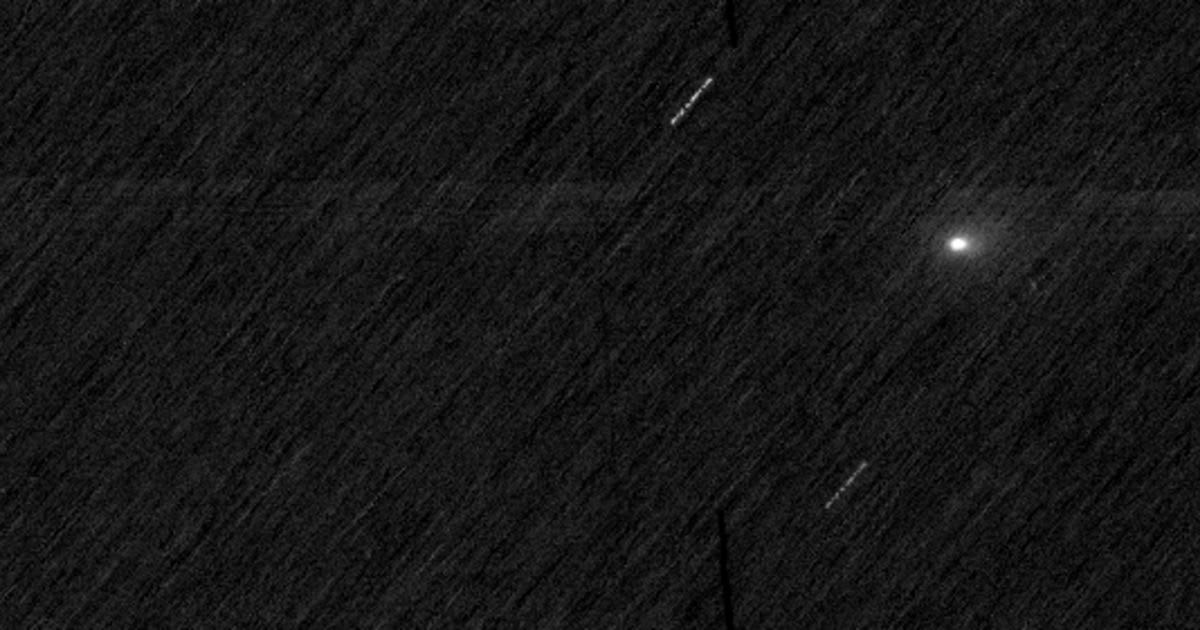
Comet 3I/ATLAS, the third confirmed interstellar visitor, was first detected in July 2025. Traveling on a hyperbolic orbit, it is believed to have originated near the center of the Milky Way, with an estimated age between 3 and 11 billion years, potentially predating our own solar system. This successful capture is scientifically invaluable, offering researchers a rare chance to study the composition and evolution of material from ancient, distant stars and providing vital experience for the upcoming Tianwen-2 asteroid exploration mission. The Tianwen-1 orbiter, which has been operational since February 2021, remains in excellent condition.
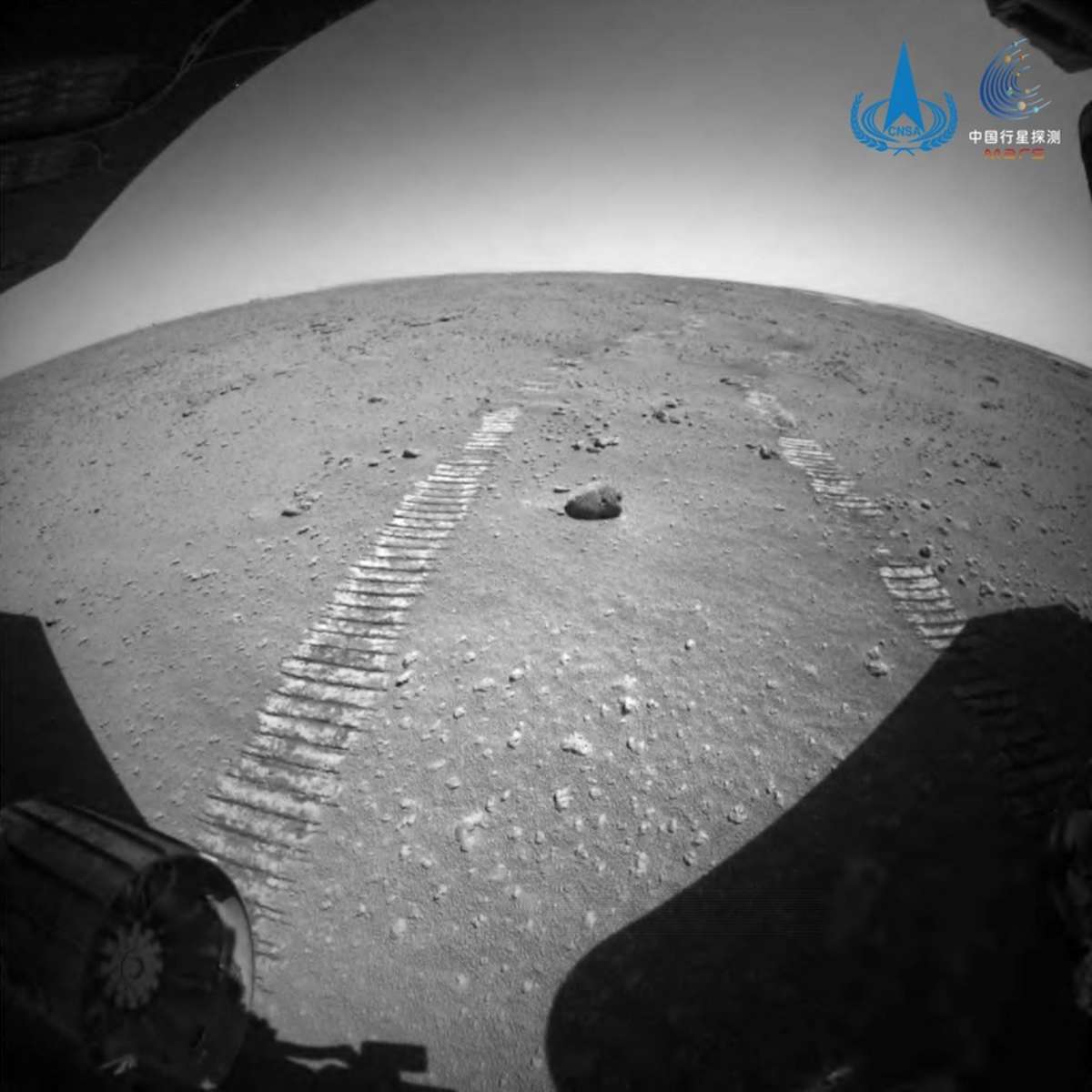
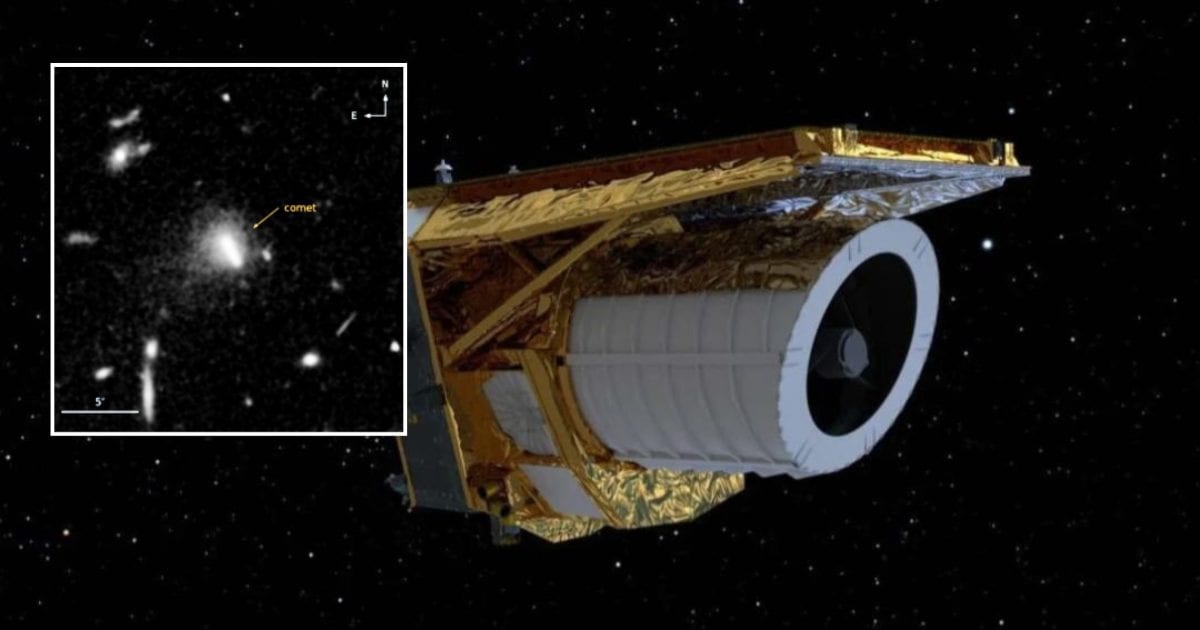
Comet 3I/ATLAS, following 'Oumuamua in 2017 and 2I/Borisov in 2019, has spurred global efforts to study its composition, per Space.com. Space agencies worldwide have been leveraging assets across the solar system to gather data. Both the European Space Agency and NASA directed their Mars orbiters and rovers to observe the ancient object during its early October flyby. Now, the China National Space Administration has confirmed that Tianwen-1 successfully imaged the comet between October 1 and October 4, releasing both a standalone photograph taken on October 3 and an animation illustrating the object's path.
As of the latest data on Sky Live, Comet 3I/ATLAS is positioned within the constellation of Virgo. Its apparent coordinates are Right Ascension 13h 11m 46s and Declination -05° 34’ 08” when viewed from Earth, currently placing it at a vast distance of nearly 205.39 million miles or 330.5 million kilometers from our planet, with an observed magnitude of 9.8. The comet's trajectory will bring it closest to Earth on Friday, December 19, 2025, at a distance of approximately 268.9 million kilometers (or 1.797 Astronomical Units).
More on Starlust
Astrophysicist explains how Mars Orbiters captured closest view of interstellar comet 3I/ATLAS