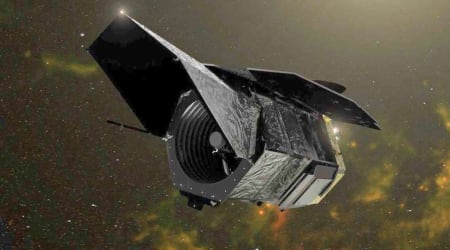
NASA's mission to bring back Mars sample halts in its tracks
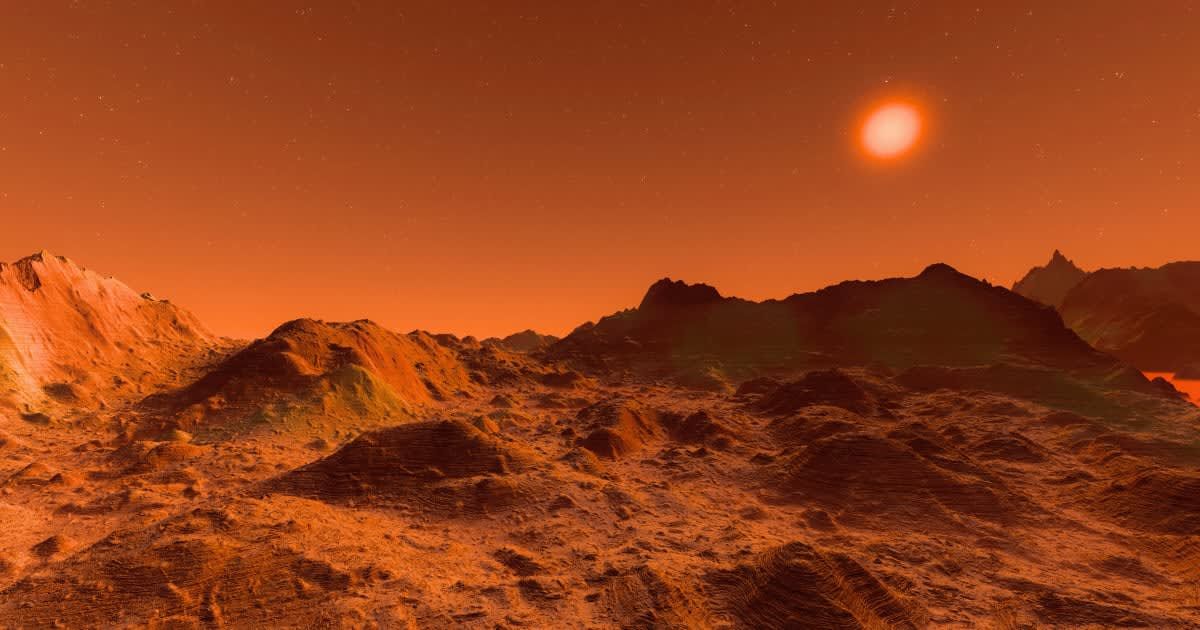
NASA's Mars Sample Return (MSR) mission could have been a major breakthrough in assessing the habitability of the Red Planet. Unfortunately, however, it has effectively been cancelled, as the U.S. Congress drastically cut the mission’s funding.

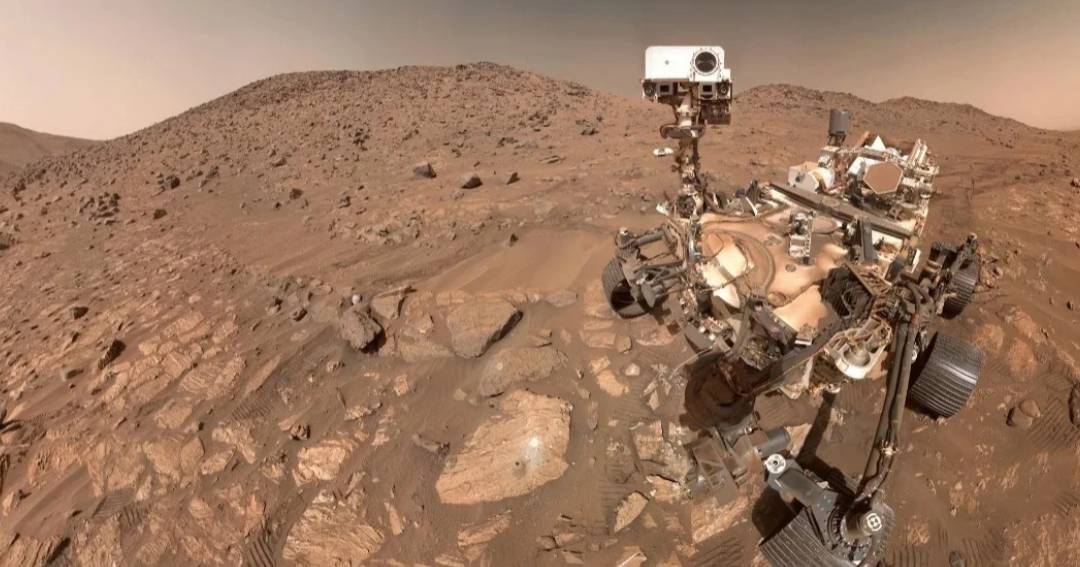
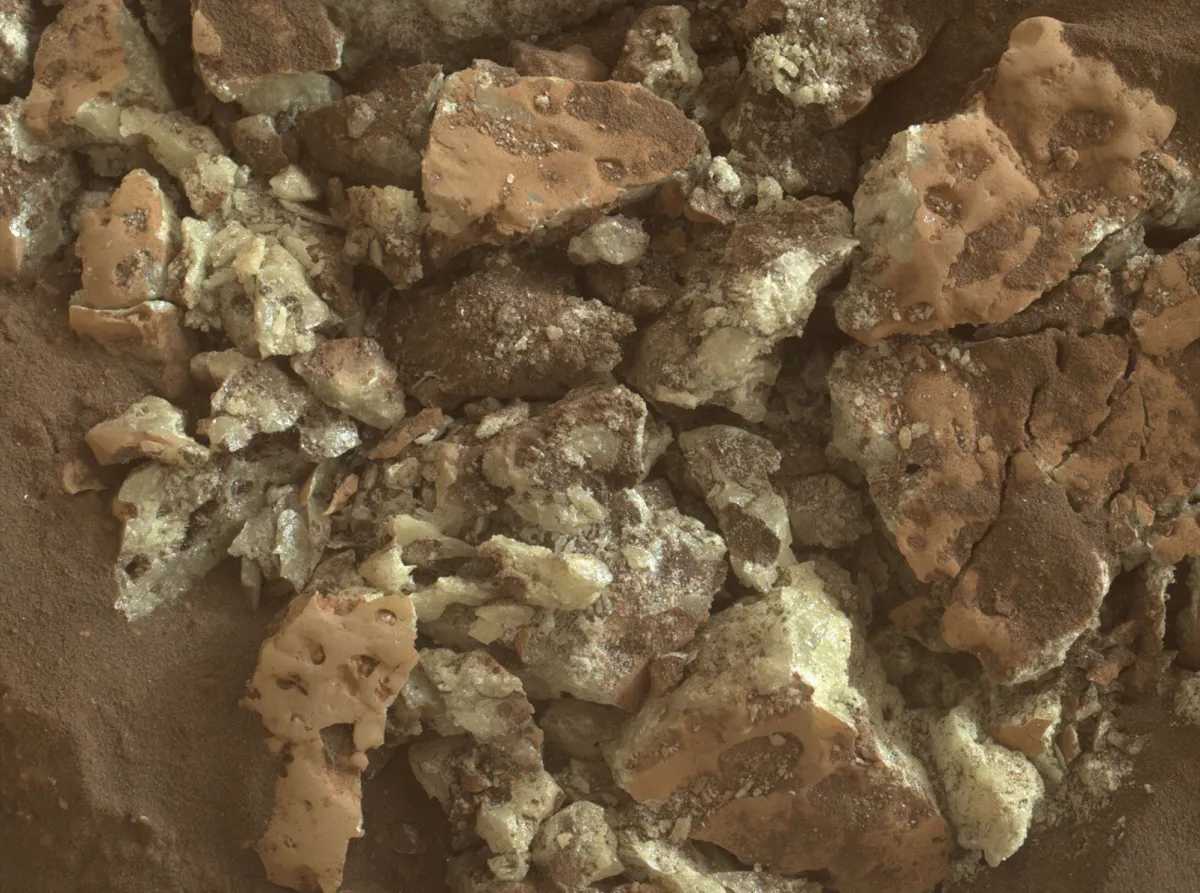
The question of Martian habitability has been an intriguing one, and the rovers MSL Curiosity and Perseverance helped gain better insights. They gave evidence for warm, wet periods on Mars, indicating life, and collected samples to confirm the same. The next step was to bring them back to Earth to be investigated in laboratories, according to Universe Today. The Perseverance rover has collected 33 sample tubes of interesting rocks and dust, and since 2011, returning these to Earth has been a high priority for NASA. However, the latest decisions have left the fate of these samples hanging.
At $11 billion, the initial estimated cost for the mission was huge. And although it was later brought down to $7 billion, it was still just an estimate and still a pretty big one at that. After all, NASA has been under a lot of pressure to cut down on its budget. The MSR had to be scrapped, especially given its complexity.

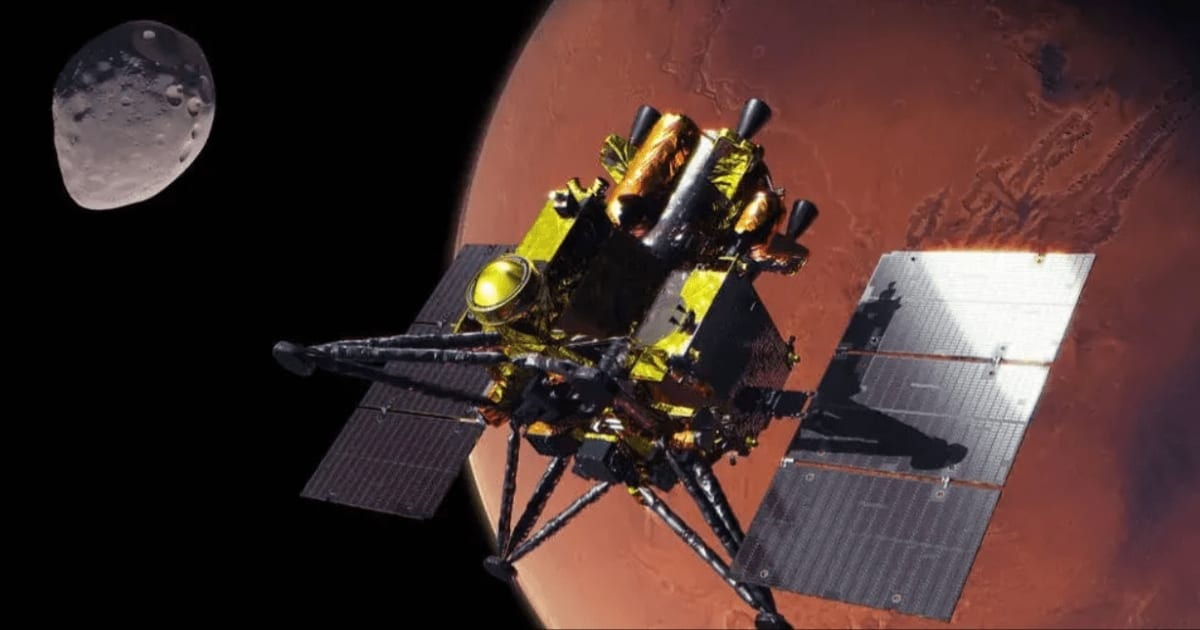
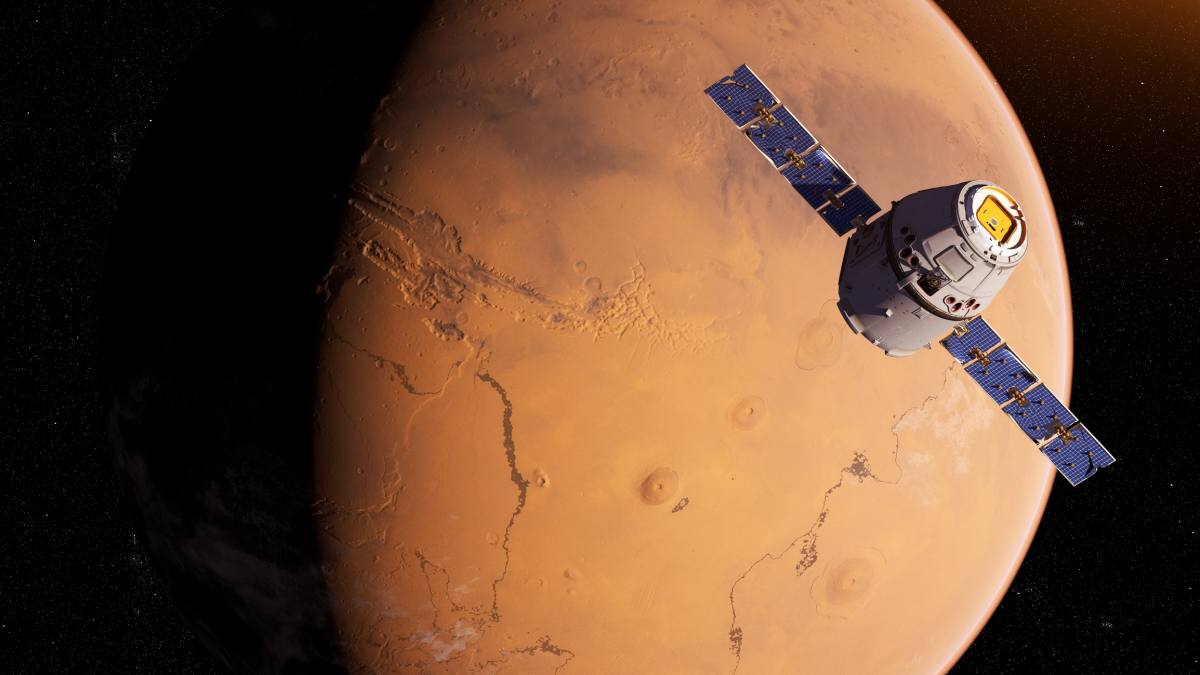
The initial design for the retrieval mission involved sending a lander to the Martian surface, with Perseverance on standby to deliver the samples to it. In the event that it was not possible, a pair of small sample return helicopters would take over the job. The sample would be carried into Martian orbit by a rocket that was fitted into the lander. This rocket, mounted on the lander, would then rendezvous with an orbiting spacecraft to send the samples back to Earth. That's anything but simple. However, all that said and done, the budget has still allocated some funds for future Mars missions, albeit a small amount.

"As proposed in the budget, the agreement does not support the existing Mars Sample Return (MSR) program. However, the technological capabilities being developed in the MSR program are not only critical to the success of future science missions but also to human exploration of the Moon and Mars (sic)," the document entitled "DIVISION A - COMMERCE, JUSTICE, SCIENCE, AND RELATED AGENCIES APPROPRIATIONS ACT, 2026" notes. "Therefore, the agreement provides the request of $110,000,000 for the Mars Future Missions program, including existing MSR efforts, to support radar, spectroscopy, entry, descent, and landing systems, and translational precursor technologies that will enable science missions for the next decade, including lunar and Mars missions. (sic)"
There is a chance that the Mars samples might be retrieved in a more budget-friendly manner, but the future is uncertain. The mission was also in collaboration with the ESA, and now, with the uncertainty, China might pull ahead in the game. Fortunately for NASA, the chances of the samples getting ruined in Mars' cold, dry environment are negligible.
More on Starlust
NASA and Department of Energy announce collaboration to develop lunar nuclear reactor
NASA’s Carruthers Observatory, designed to study Earth's geocorona, reaches targeted 'halo orbit'