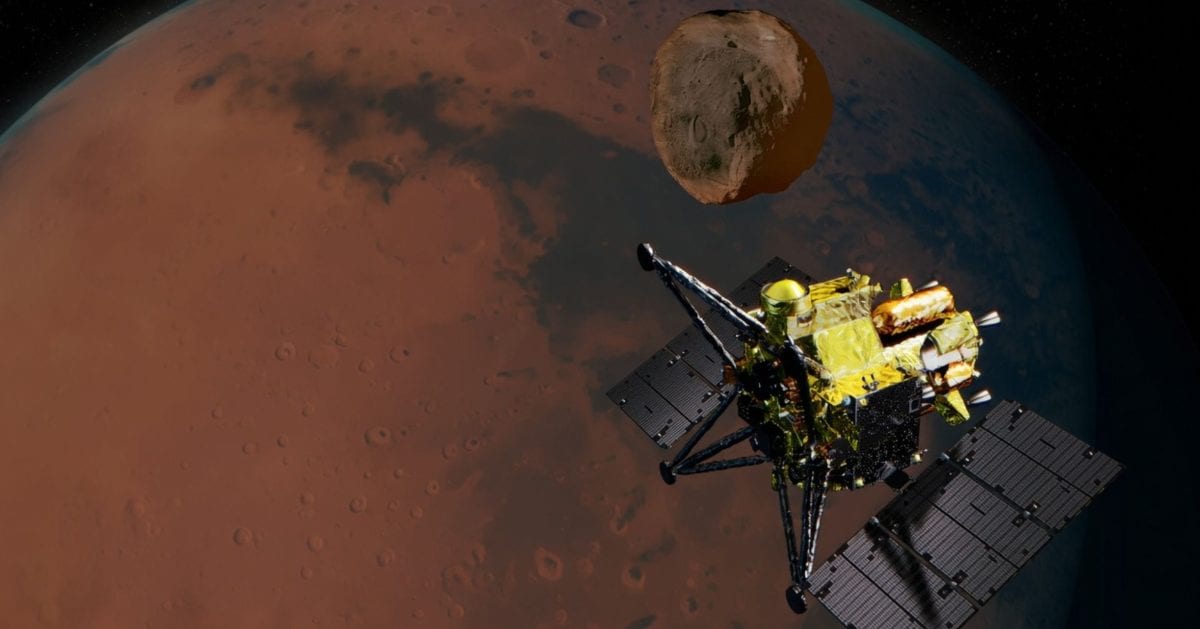
China to beat NASA? Tianwen-3 plans to bring back Mars samples by 2031 to search for signs of life
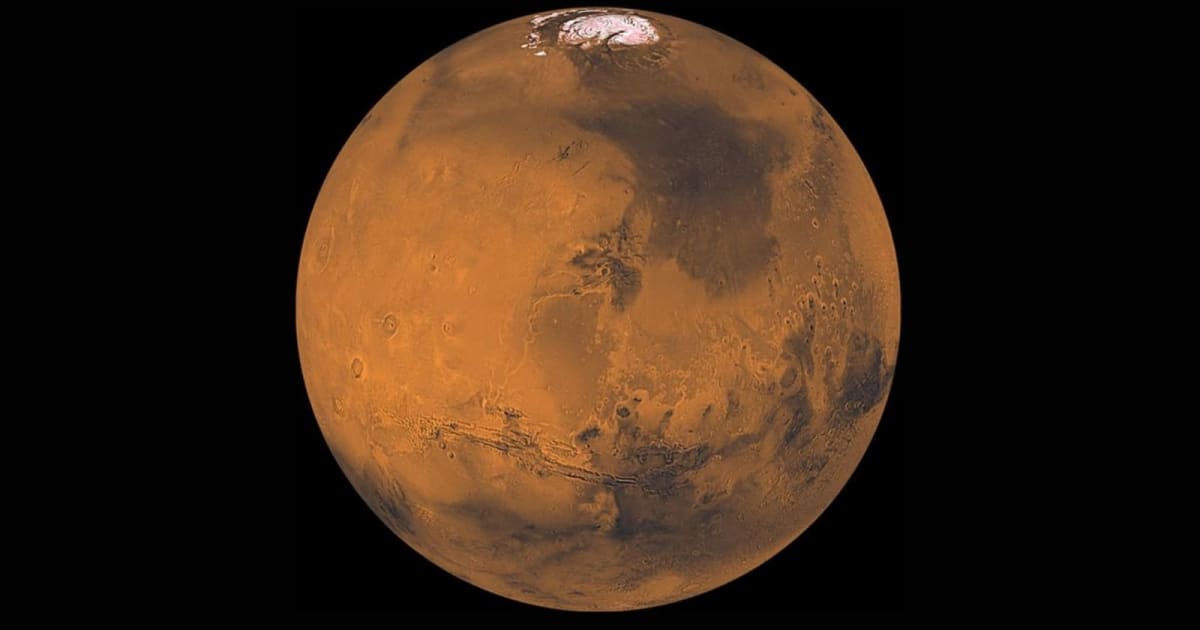
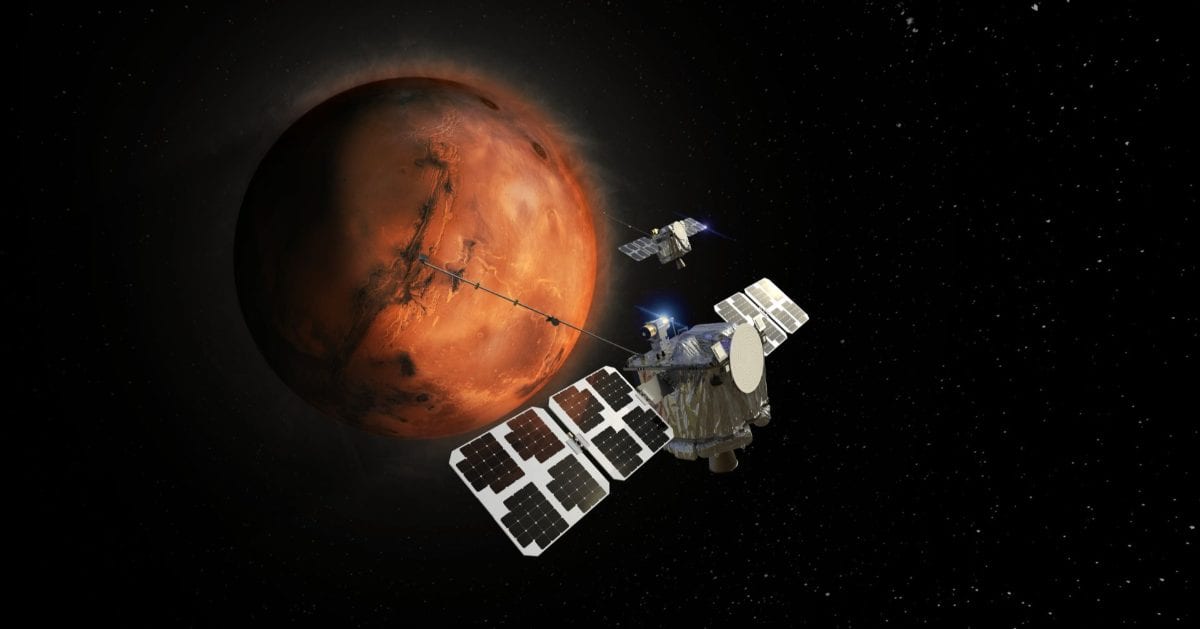
While the original plans of the American program for bringing samples from Mars has been cancelled, China has shared new details of its Tianwen-3 mission, which might become the first to bring the pristine Martian rocks to Earth. According to multiple reports, China has planned to launch the robotic mission in 2028 and return with about 500 grams (1.1 pounds) of samples by 2031, a year after its planned crewed Moon landing. The mission will pursue the same goal which NASA has been chasing for decades—to find signs of past microbial life and answer the fundamental question of whether life existed in the past beyond Earth.
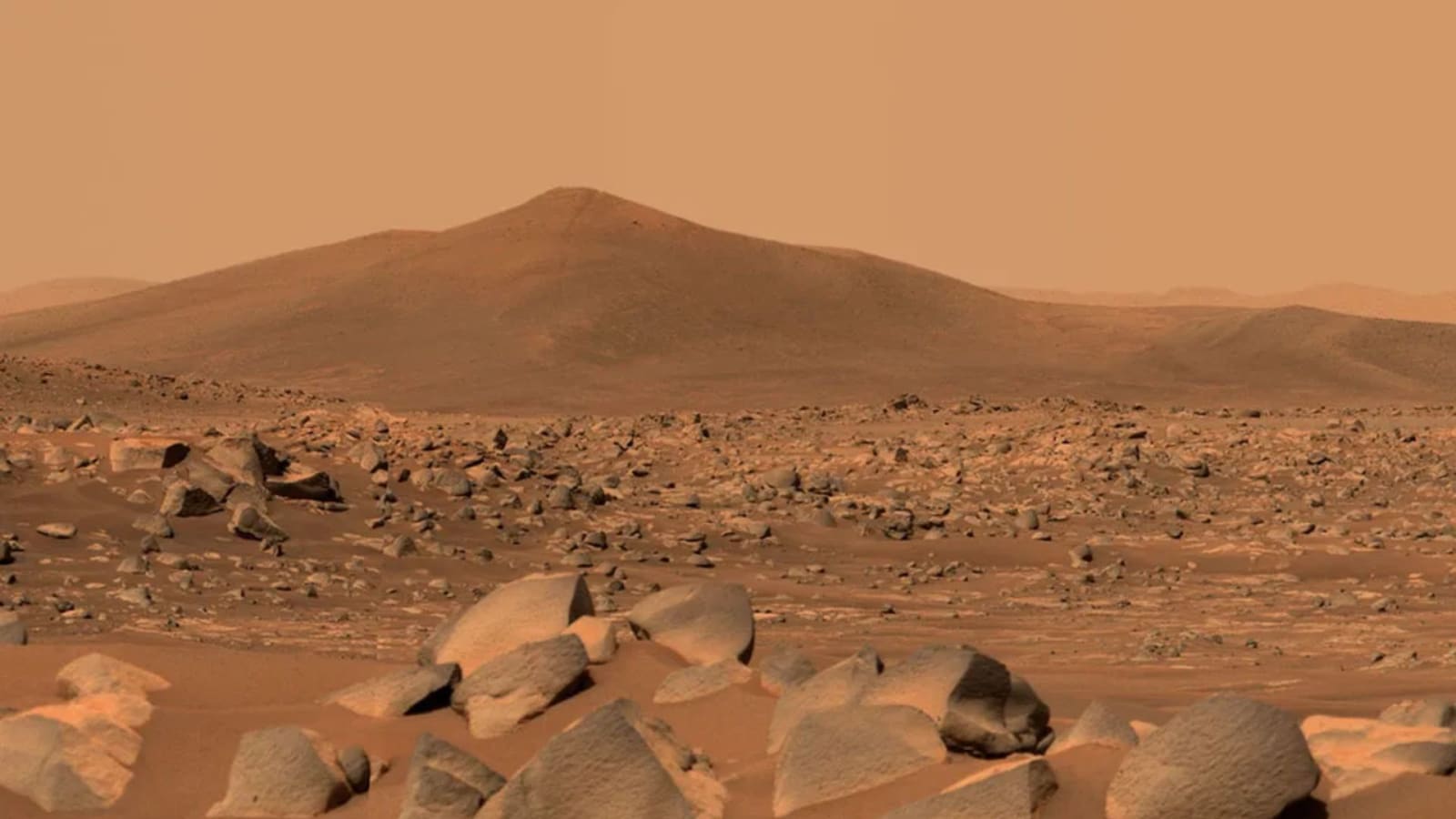
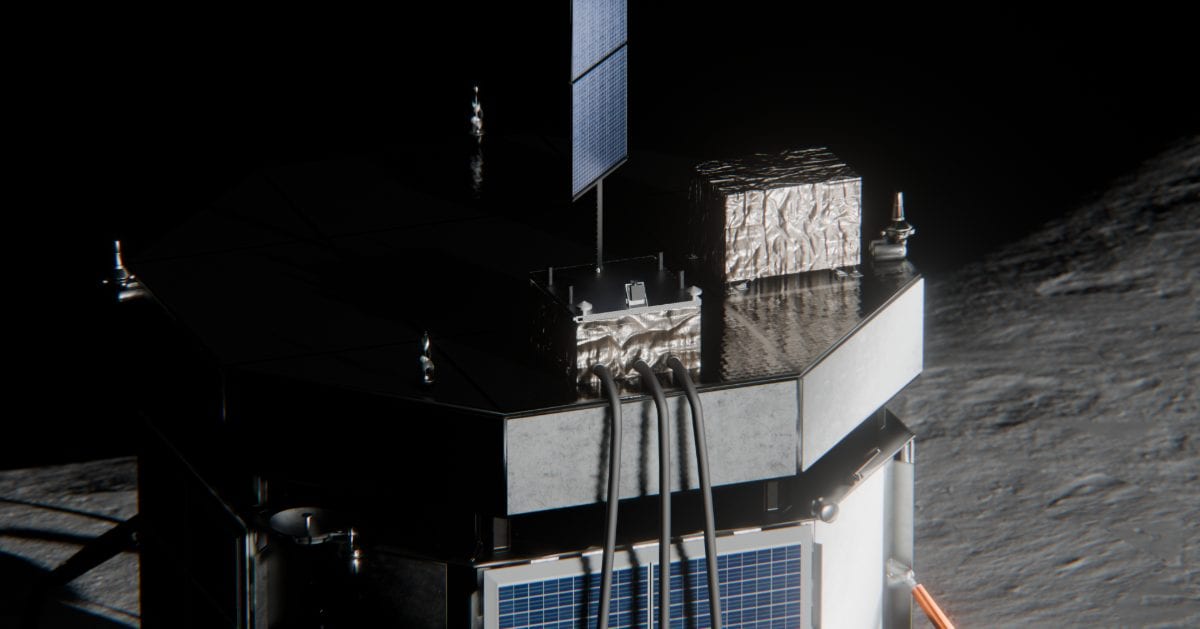
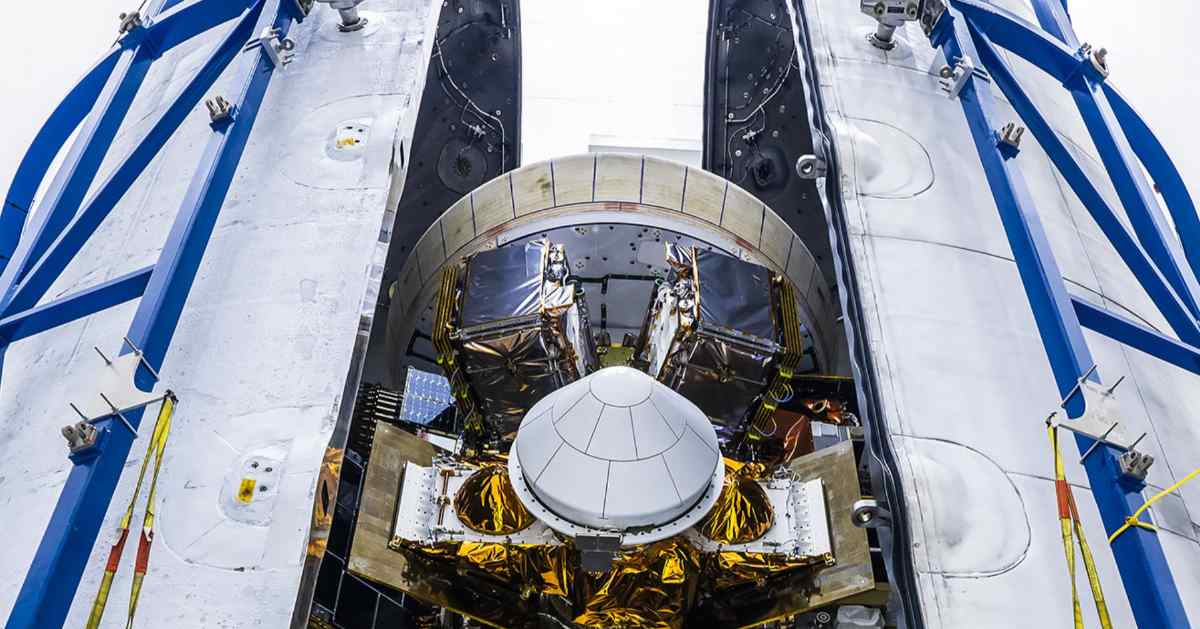
Hou Zengqian, an academician of the Chinese Academy of Sciences, said on the sidelines of the International Deep Space Exploration Conference 2026 last week that finding signs of past life on Mars is the main objective of the mission. The Tianwen-3 mission will have five components, namely a lander, an ascender, a service capsule, an orbiter, and a reentry module, and they will be launched on two different Long March 5 rockets from the Wenchang Space Launch Center in China’s Hainan province. Hou says that scientists have identified eight candidate sites where the lander might touch down on the Red Planet.

“The plan is to drill up to 2 meters beneath the surface and collect subsurface samples, reducing damage to potential biosignatures from surface radiation, oxidation and weathering, thereby better preserving the planet's original geological information,” Hou said per China Daily.
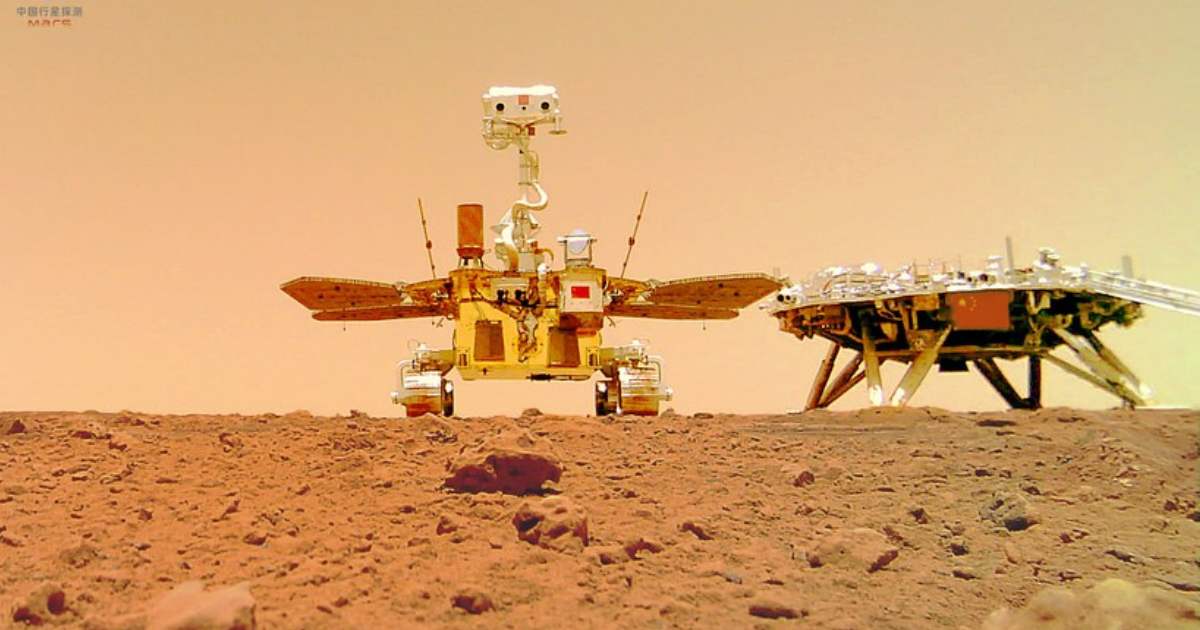
Scientists want Martian rocks on Earth because there are limitations to analyzing them using instruments on rovers present there. Apart from NASA, China also landed a rover (Zhurong), which launched during the Tianwen-1 mission and looked for chemical biosignatures before falling permanently silent in 2022. But on Earth, the scope of investigation widens greatly. Interestingly, China is also developing what it says will be the world's first planetary protection laboratory to ensure Mars is not contaminated by Earth-based microbes when the mission is launched and Martian samples are free of contamination when they’re brought to Earth. According to Hou, engineers have started working on the prototype of the Tianwen-3 spacecraft, marking the first major step in beating NASA in this endeavor.
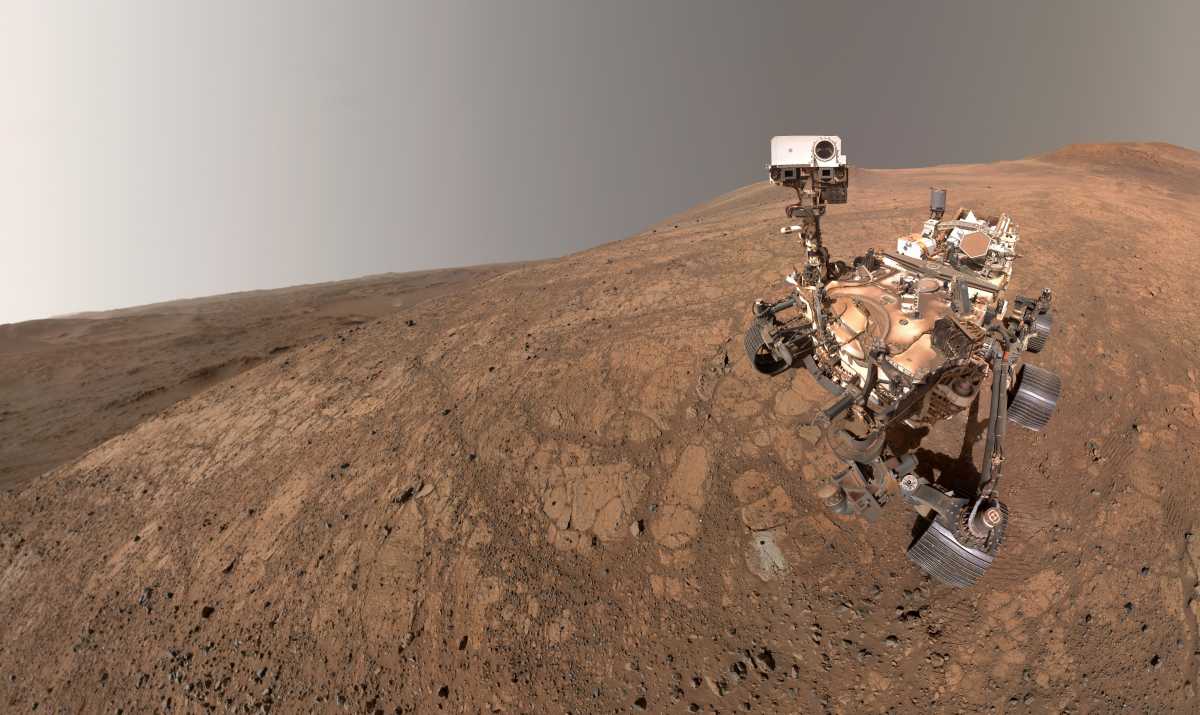
Meanwhile in the US, the Mars Sample Return (MSR) campaign was halted after the government proposed major budgetary cuts in January this year. The cost of the program had reportedly ballooned to $11 billion, which many experts, including former NASA administrator Bill Nelson, said was too expensive and a potential return in 2040 was too far away. In 2024, the agency even started inviting private companies with ideas to collect and return the samples sooner via low-cost missions. The Perseverance rover, which landed on Mars in 2021, has dropped a backup cache of ten sample tubes at a depot, which was specially created as part of the MSR campaign, while safely carrying the primary samples inside its belly. For the moment, those sample tubes are likely to lie there without any purpose until NASA comes up with a new mission to retrieve them.
More on Starlust:
NASA’s Curiosity rover crosses more than 5,000 days on Mars, defying its odds of survival