China postpones its ambitious Chang’e-7 mission to the Moon’s South Pole, possibly until 2027
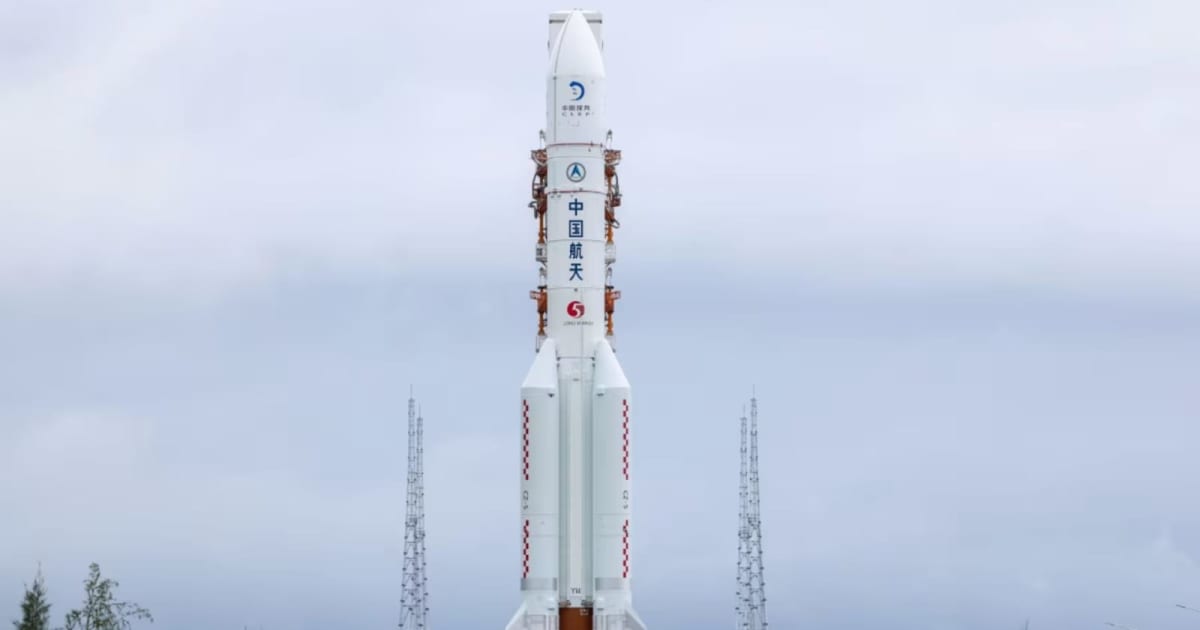
China has postponed its historic Chang’e-7 mission, designed to hunt for water ice on the Moon’s South Pole. The China Manned Space Agency (CMSA) reportedly cited unfavourable launch conditions that will prevent the launch from happening this year. “The Chang’e-7 mission does not meet the launch conditions and cannot be carried out within the scheduled launch window this year,” CMSA said per state news agency Xinhua. It was scheduled to launch atop a Long March 5 rocket from the Wenchang spaceport in southern China’s Hainan province as early as Monday.
According to the South China Morning Post, the National Astronomical Research Institute of Thailand (NARIT), which built an instrument for Chang'e-7, said that the delay was caused by Tropical Storm Narra, which in the South China Sea. "Due to the target landing site on the lunar South Pole, this makes for a very particular launch window in which the sun lined up just right for the lunar crater," NARIT said, adding that the delay by a few days would push the launch window by at least a month.
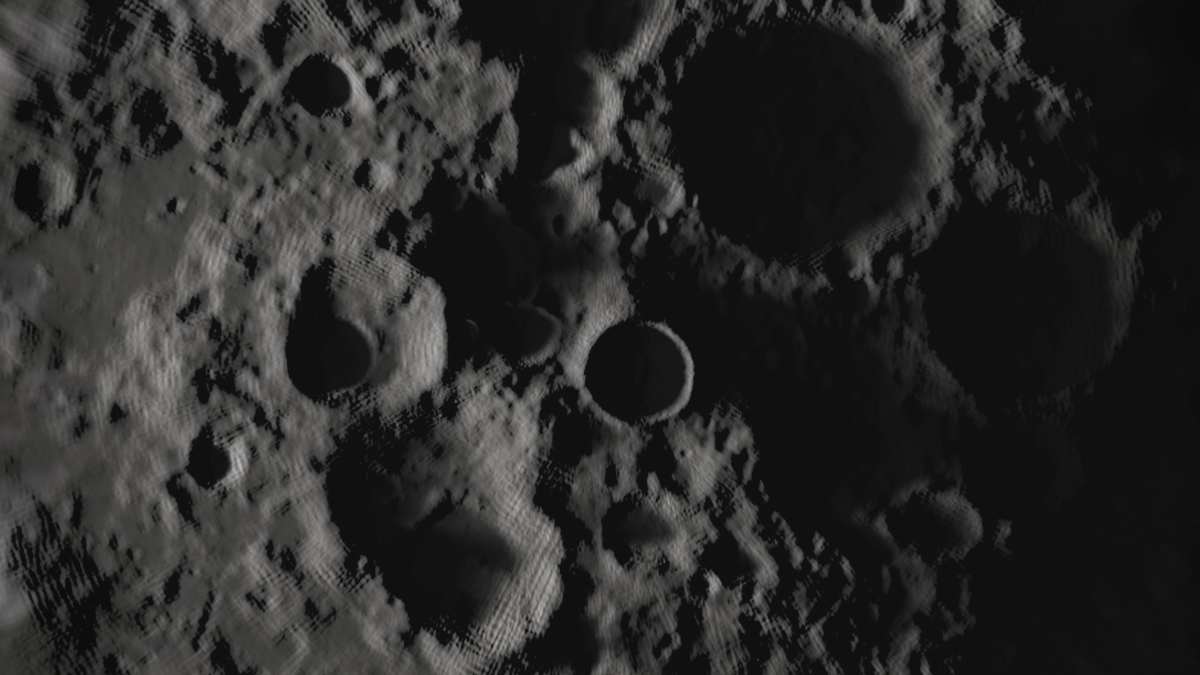
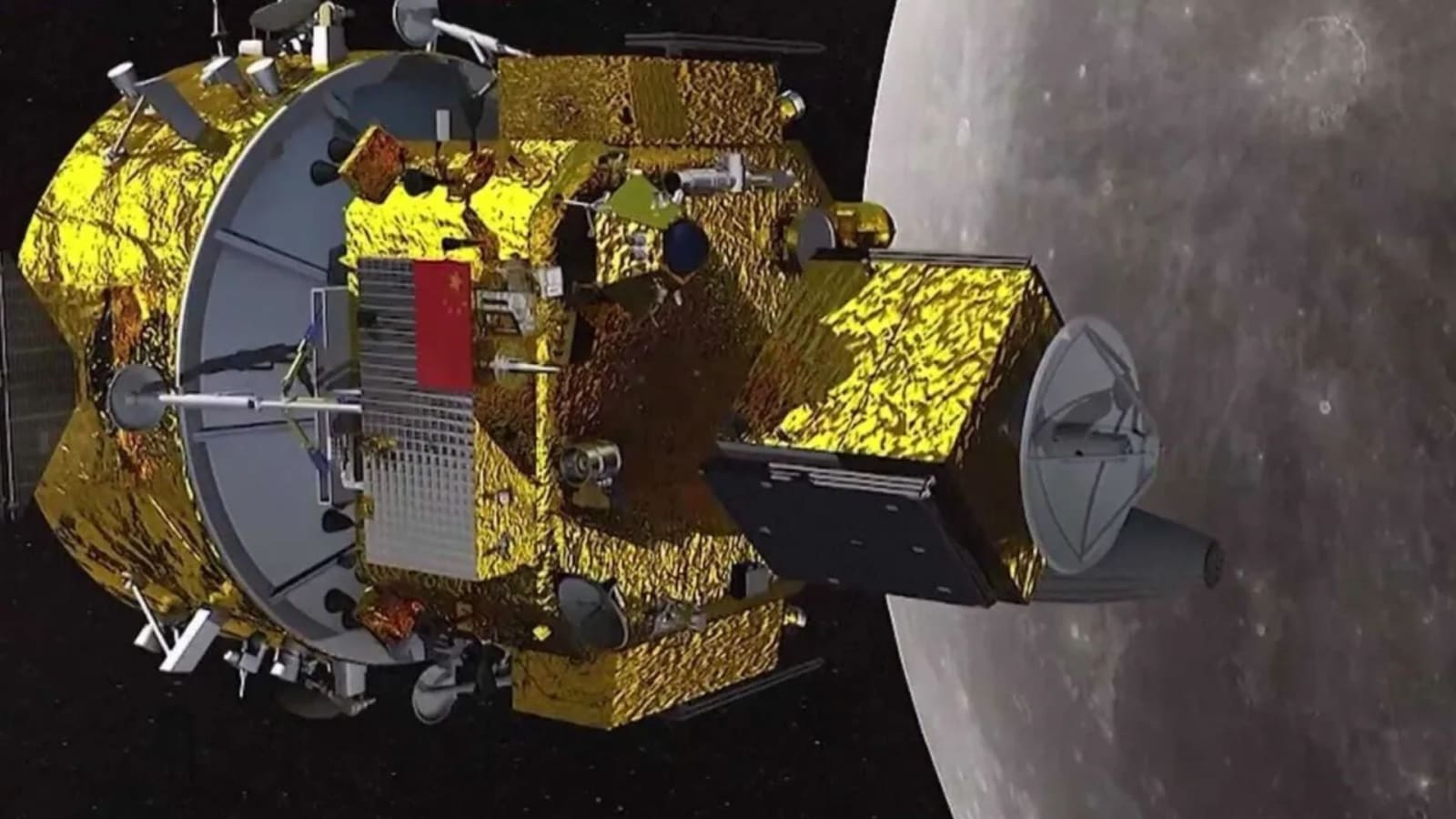
The Chang’e-7 mission, which includes an orbiter, a lander, a rover and a hopping robot, is meant to look for water ice in the permanently shadowed regions at the Moon's South Pole. Once the mission reaches lunar orbit in about five days, the orbiter will spend weeks mapping the landing site before sending the lander on its way to the surface. The lander will then touch down near the 13-mile-wide Shackleton Crater in the lunar South Pole and release the rover and hopper for an independent survey of the lunar environment. The Shackleton Crater is also being targeted by NASA, which, like China, plans to build a permanent settlement on the Moon. The frozen water reserves that the crater is thought to have could be converted into drinking water and breathable oxygen for astronauts living on the lunar surface and may even be used to make rocket fuel.
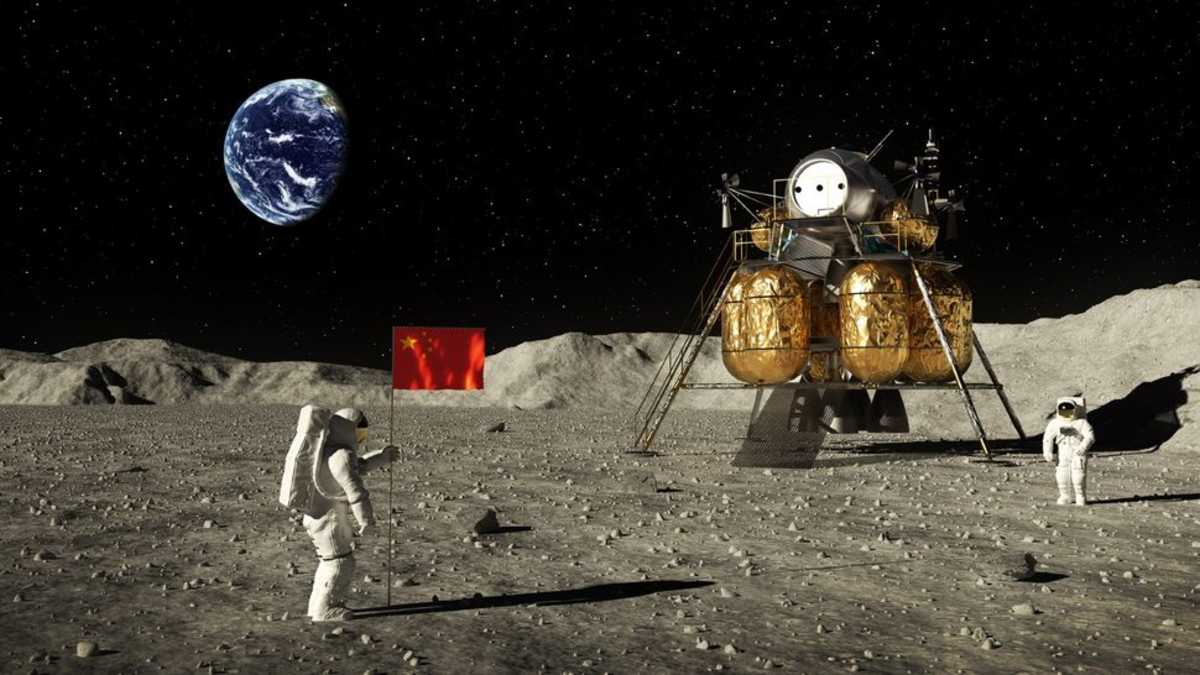
Chang’e-7, in fact, is part of China’s fourth phase of lunar exploration, and it’s supposed to lay the foundation for its Lunar Research Station. The country has partnered with Egypt, Bahrain, Italy, Russia, Switzerland, Thailand, and the Hawaii-based NGO International Lunar Observatory Association for Chang'e-7, and each of them has contributed essential payloads for various purposes. The orbiter will carry out tasks such as monitoring the lunar environment during solar storms, while the lander will detect moonquakes and observe the Milky Way galaxy and the Earth using its telescope.

Both the rover and the hopper, on the other hand, will venture far out to analyse the lunar environment—with the latter’s primary objective being diving into the permanently shadowed regions, which are some of the coldest regions in our solar system. For now, however, it is unclear when Chang’e-7 will launch.
More on Starlust
Stream NASA's Moon base construction in 4K: Blue Origin's Lunar Express could make it possible
Northrop Grumman to reuse components of postponed Gateway lunar space station for Moon Base missions