Stream NASA's Moon base construction in 4K: Blue Origin's Lunar Express could make it possible
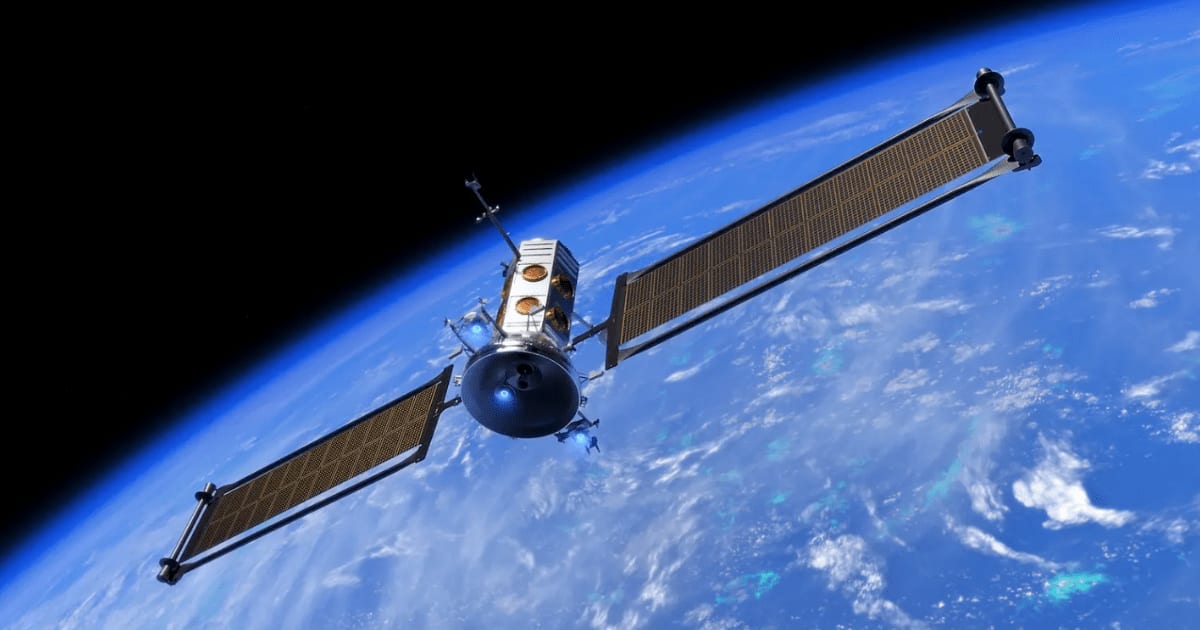
Blue Origin has announced that it will deploy its own architecture in lunar orbit to facilitate the live and high-definition viewing of NASA's Moon Base construction. The Jeff Bezos-owned company on August 20, 2026, shared an X post in which it described its Lunar Express project, which will provide the capability to transmit 4K video from the lunar surface as well as from the orbit of the Moon to people back on Earth. This technology is set to be delivered with the help of the company's Blue Ring spacecraft.
Your live view from the Moon: coming up!
— Blue Origin (@blueorigin) August 20, 2026
Lunar Express's architecture will deliver multiple simultaneous 4K video links — from the lunar surface and orbit all the way to Earth — with the capacity to scale further. For the first time ever, humanity will witness a Moon Base being… pic.twitter.com/j7g8uOpDz9
Lunar Express will rely on a combination of traditional radio frequency communications and optical communications. The latter method of signal transmission was tested during Artemis II, and is also going to be tested during the Artemis III mission next year, but this time by Elon Musk's SpaceX through Starlink mini laser terminals installed on the Orion spacecraft. Like Lunar Express, SpaceX's laser-enabled communications will allow NASA to stream its mission in 4K. Blue Origin has stated that its Lunar Express has a bandwidth of up to 1 gigabit per second for seamless video coverage. Because Blue Origin's Lunar Express uses two types of communications, it has been described as highly reliable for handling mission communications and imagery simultaneously.
Lunar Express, a Blue Ring spacecraft built to provide critical lunar infrastructure and delivery services, provides the communications architecture that U.S. government missions need: radio frequency and optical working together, interoperable, scalable, and built around mission… pic.twitter.com/yZDLiSbMJI
— Blue Origin (@blueorigin) August 10, 2026
Earlier this year, NASA announced the commencement of Phase I of establishing its outpost on the lunar surface a few days prior to the landmark Artemis II mission that took a crew of four beyond the Moon and back. This phase will include the establishment of reliable transportation of humans and cargo to and from the lunar surface, deployment of early communications and navigational infrastructure, as well as the landing of a whole host of robotic explorers like MoonFall drones, landers, rovers, and lunar transportation vehicles. The second phase will expand on this infrastructure by adding more science and heavier payloads, such as pressurized rovers and nuclear thermal power systems. The last phase, which will begin around 2032, will finally see the construction of habitation modules for longer-term stays at the lunar south polar region.
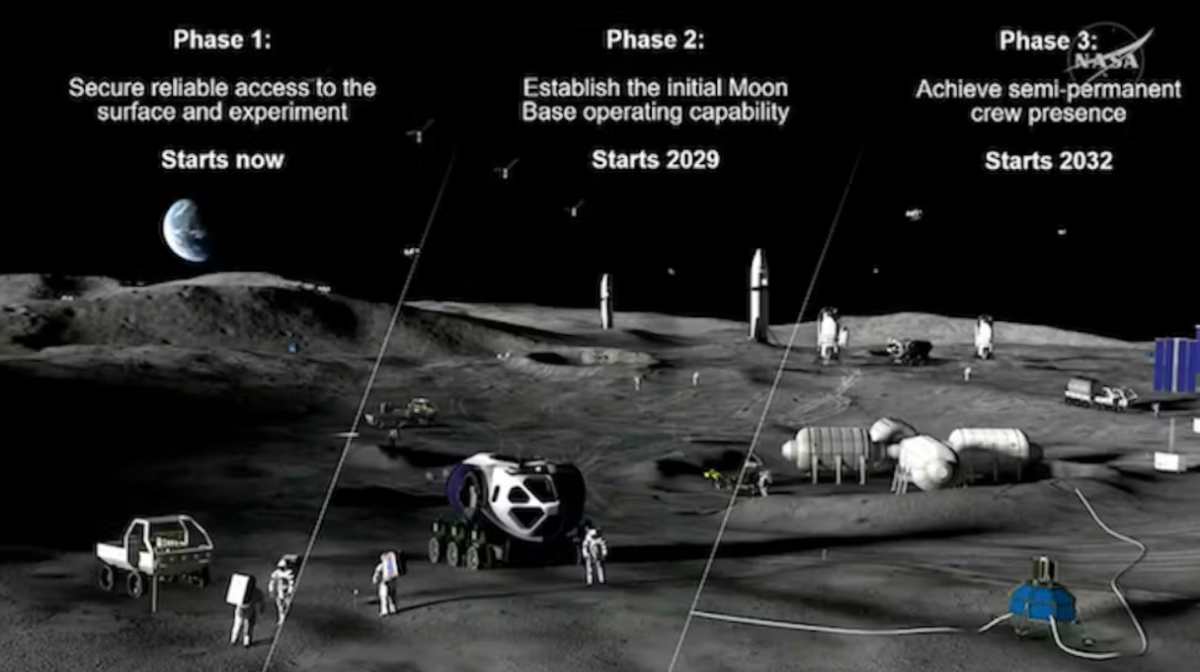
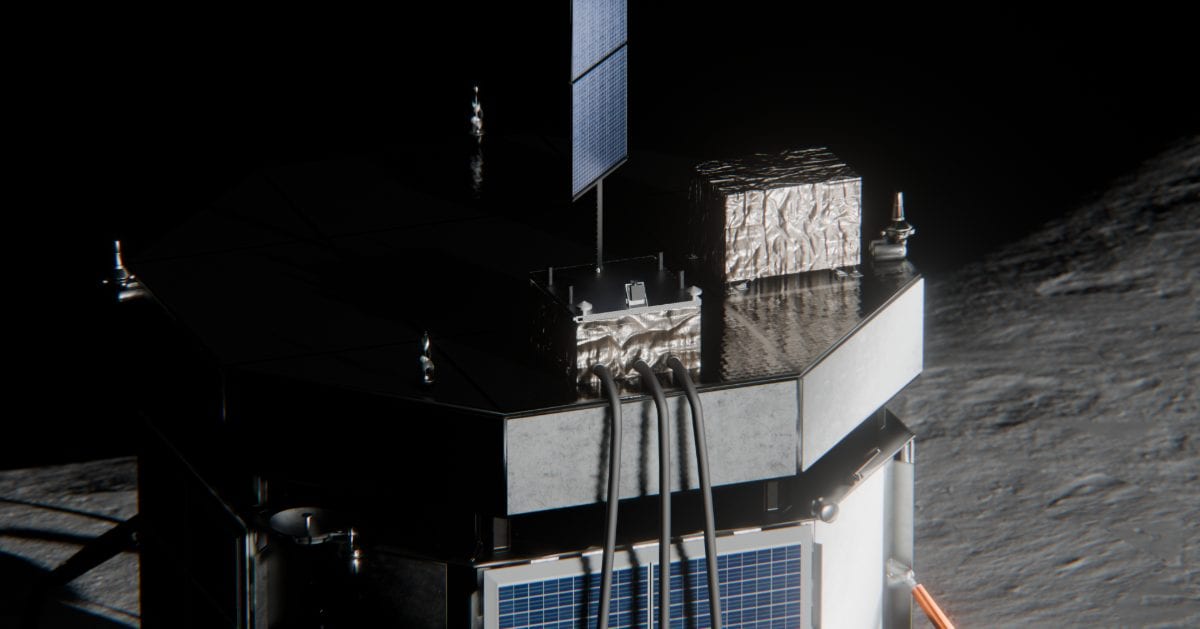
Lunar Express is essentially a version of the Blue Ring spacecraft built to make all of the missions and their activities accessible over all of the above-mentioned phases of the Moon Base establishment. Since an increasing amount of hardware is going to be delivered to the Moon with each passing phase—seeing an ever-growing and expansive Moon Base—the fact that the technology has been built to scale up in the future will allow for comprehensive coverage over a long period of the Moon Base construction. It will be fully compatible with NASA's communication networks and commercially managed ground stations.
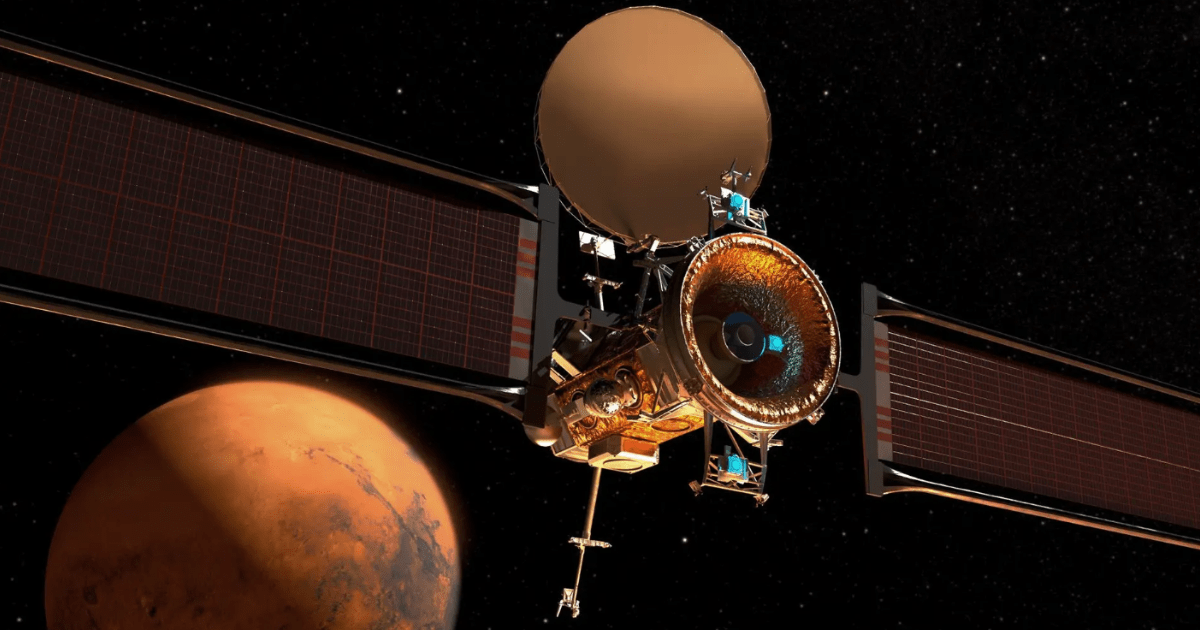
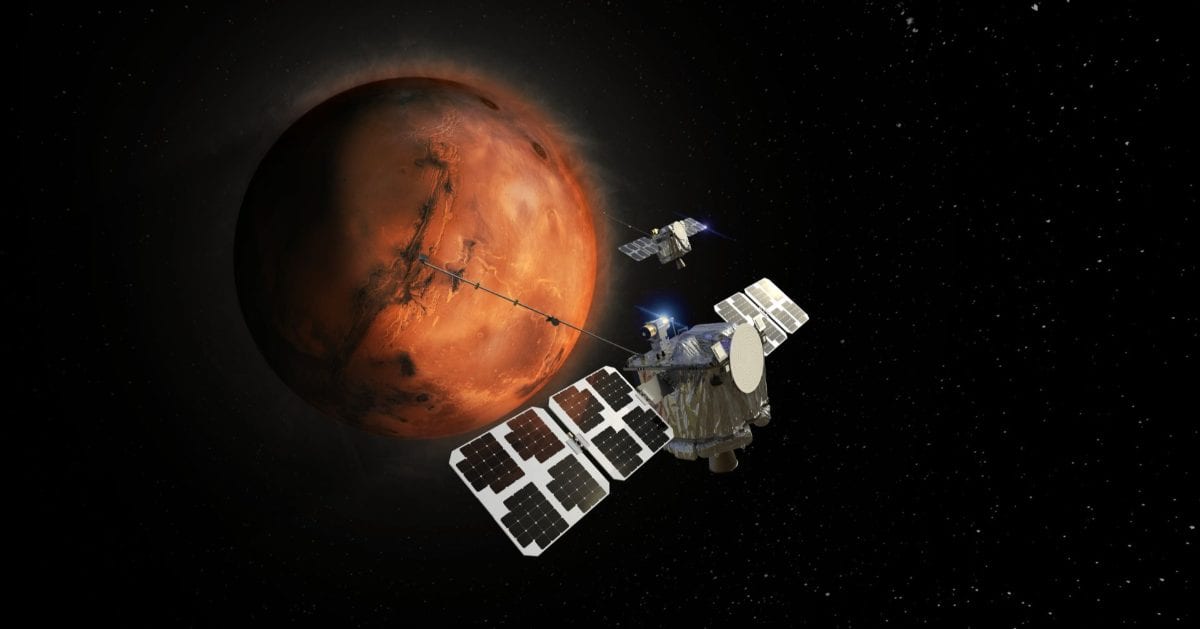
The Kent, Washington-based aerospace giant's Blue Ring spacecraft provides a platform for a variety of space missions. According to Blue Origin, the platform has the capacity to deploy payloads weighing up to roughly 8,800 pounds to low Earth orbit, near-Earth asteroids, lunar orbit, and Mars. Blue Ring is also Blue Origin's proposed platform for its own Mars Telecommunications Orbiter mission, putting the company in direct competition with fellow California-based aerospace company Rocket Lab, which has pitched a separate orbiter for the contract. This mission will provide a continuous link between the Red Planet and our own, and is slated to launch by 2028. The mission will also fulfill many of the science and communications objectives NASA has for establishing its Mars Telecommunications Network, which should become operational no later than the end of this decade.
More on Starlust:
Northrop Grumman to reuse components of postponed Gateway lunar space station for Moon Base missions
NASA Moon Base Update: Major progress revealed on Blue Origin, Firefly, and other landers