Blue Origin wants New Glenn to return to flight this year—but how much progress has it made?
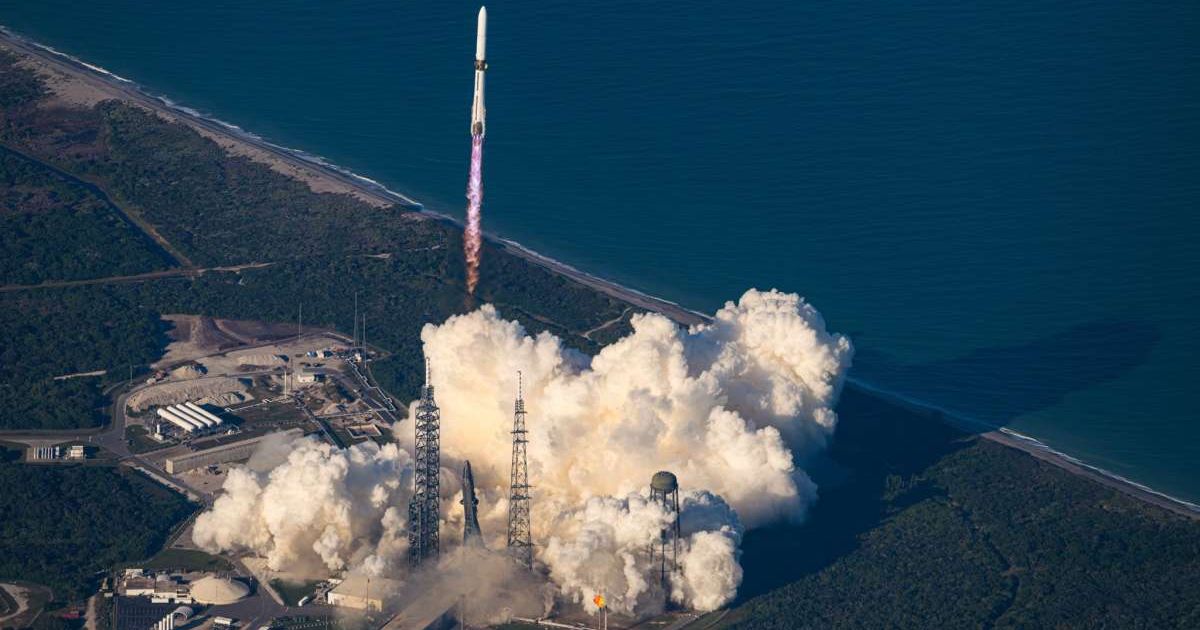
Blue Origin's CEO, Dave Limp, has provided updates on the company's road to recovery from the NG-4 hotfire test explosion that destroyed the rocket along with some launch pad infrastructure on May 28. In a statement published on June 30, Limp mentioned that to deliver on Blue Origin's objective of launching the New Glenn rocket again this year, a new concept of operations (ConOps) is being adopted—that is to say, a new method of putting the rocket together, bringing it to the launch pad, and getting it ready for liftoff. Limp also clarified that Launch Pad 36A, where the explosion took place, is being upgraded for this ConOps, rather than being reconstructed back to its former state.
We're not rebuilding the same pad for New Glenn. We're moving to a horizontal/vertical hybrid configuration to get us flying again this year at 36A. We were already working on something similar for 9x4 at 36B. Let me explain what that means. We mate the stages horizontally in… pic.twitter.com/5I0f8GEojs
— Dave Limp (@davill) June 30, 2026
This "horizontal/vertical hybrid ConOps'"—as it has been described by Blue Origin—will see the company assemble the majority of the rocket while it is horizontal inside the company's Integration Facility (IF), from where it will be driven down to the launch pad before being hoisted vertically by a crane and topped off by the payload. Limp had earlier stated that this new ConOps was being developed for the upgraded 9x4 configuration of its New Glenn rocket, which has two more engines in each stage, at Launch Pad 36B.
600+ feet of crane assembled incredibly fast by the team. We will start pulling down the tower (segment by segment) so we can modify each piece in parallel. pic.twitter.com/rMPp3eiXLo
— Dave Limp (@davill) June 28, 2026
This approach means that Blue Origin won't need a new transporter erector, which was destroyed in the explosion alongside the lightning tower and the hydraulic cylinders. The vehicle access tower and the water tower, however, are in good shape. And so is the integration facility, to which the booster Never Tell Me the Odds and the three GS2 second stages, both of which also survived the explosion, have been relocated. Overall, the hardware recovery and debris removal operations are complete, and the reconstruction of the pad has also begun.
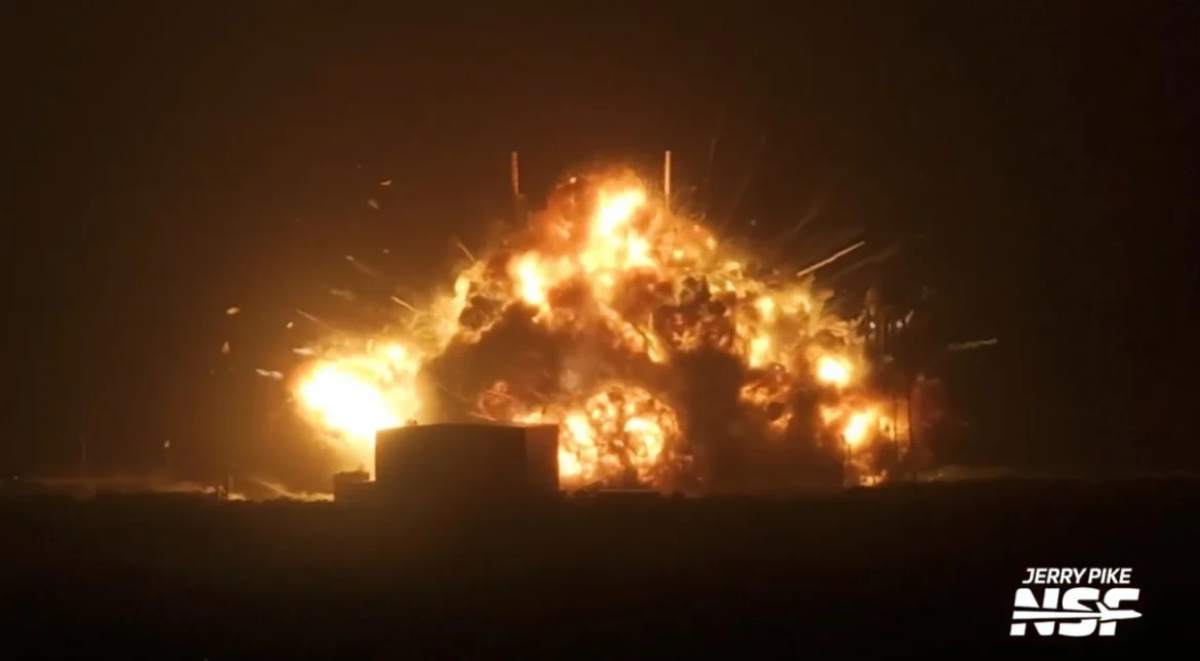
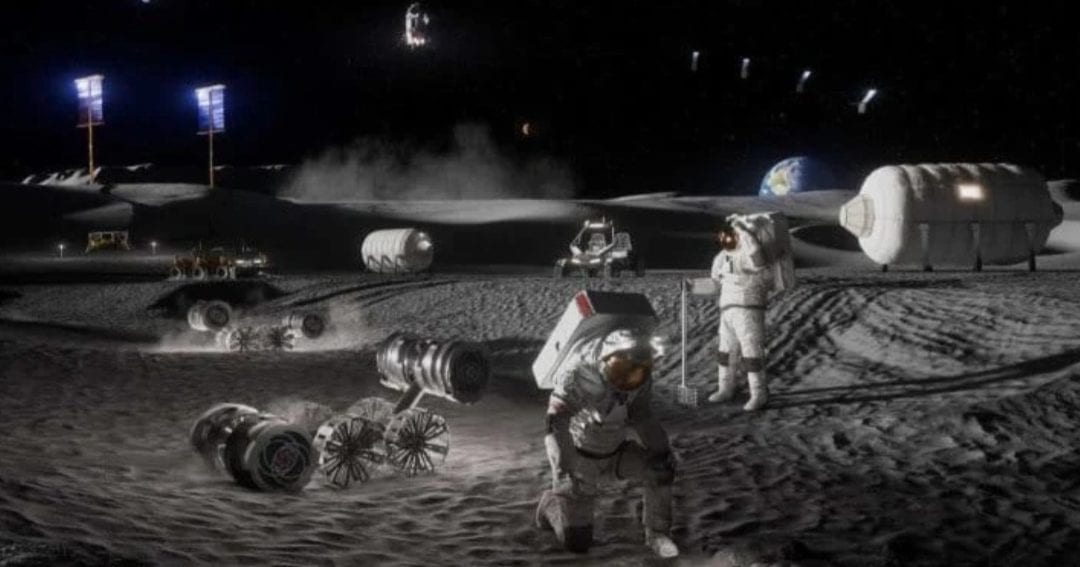
On being able to review all of the data and imagery from the NG-4 explosion to be able to identify where the blast originated, Limp stated, "The vehicle is highly instrumented with extensive data from multiple camera angles and sensors, giving us confidence in our ability to identify and correct the root cause. Early analysis points to the aft section of the first stage." He also clarified that Blue Origin will continue with its due diligence to investigate the cause of the anomaly. For context, the explosion not only led to questions being asked of the company, but uncertainties surrounding NASA's Moon Base and Artemis III became apparent as well, given the huge roles Blue Origin's New Glenn rocket would have played in both.
Endurance testing continues! We completed a shock test last week, introducing our MK1 lunar lander to the environment generated when it separates from New Glenn.
— Blue Origin (@blueorigin) July 1, 2026
21 accelerometers were positioned around the vehicle to characterize the shock response. All components exceeded… pic.twitter.com/xXTj77pPu2
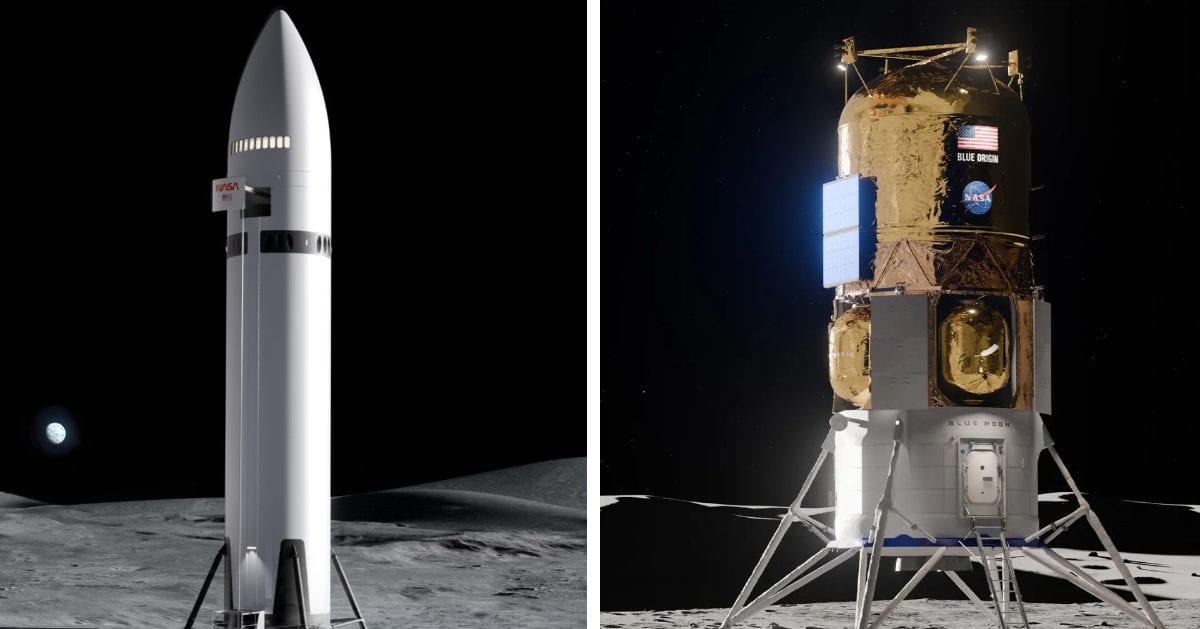
Away from Cape Canaveral, the company also saw progress made in preparing its Endurance Blue Moon MK 1 lander for the Moon Base I mission for NASA, with the vehicle completing a critical shock test last week. Since this spacecraft was to hitch a ride to the Moon on top of a New Glenn rocket as well, there is uncertainty over this Moon Base mission's launch date too. While earlier reports suggested a launch by this year's fall, latest hints from NASA's Moon Base Program Manager Carlos García-Galán suggest that it could be postponed to next year. In any case, Limp seemed ever-so-determined to at least get Blue Origin's flagship rocket back in action: "Our road to space doesn't pause here. We will return to flight by the end of this year."
More on Starlust
Blue Origin's rocket explodes on launch pad in Florida—a look at New Glenn's troubled past
Artemis III: Blue Origin's test lander can launch on another rocket if New Glenn isn't ready on time