Artemis III: Blue Origin's test lander can launch on another rocket if New Glenn isn't ready on time
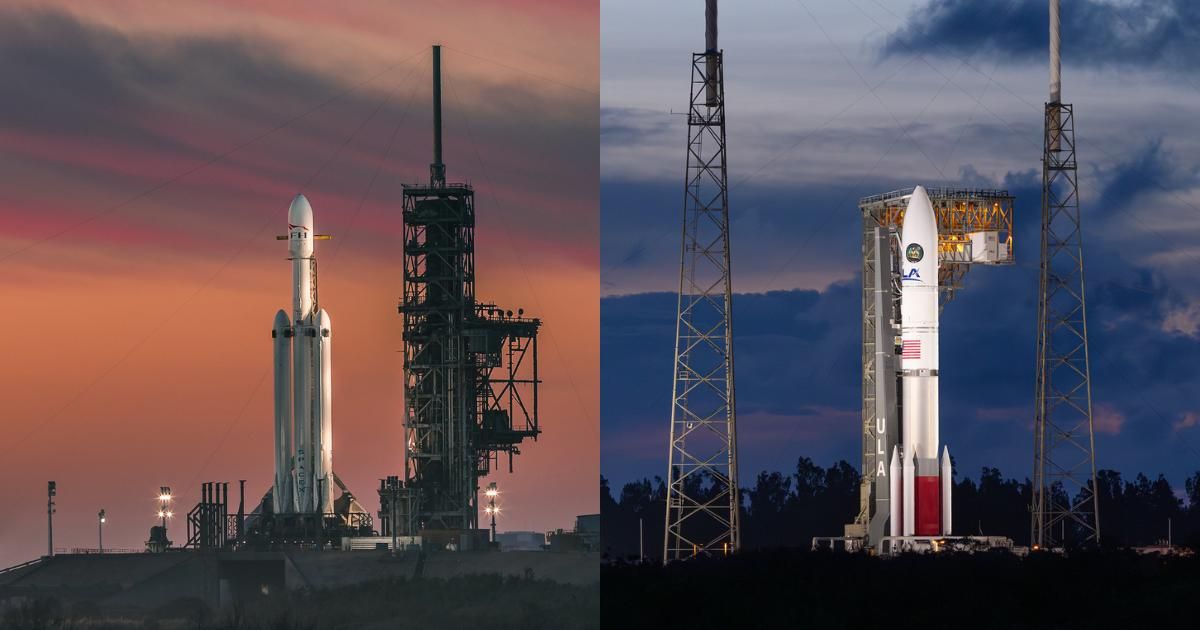
A senior NASA member has disclosed that Blue Origin's HLS lander test article for Artemis III could well be delivered to space by rockets other than the company's New Glenn. When asked in an interview with Ars Technica if rockets like SpaceX Falcon Heavy and ULA Vulcan could get the job done should Blue Origin be unable to get the rocket ready in time, Jeremy Parsons, the acting assistant deputy associate administrator for the Moon to Mars Program Office, acknowledged that such a scenario could indeed occur.
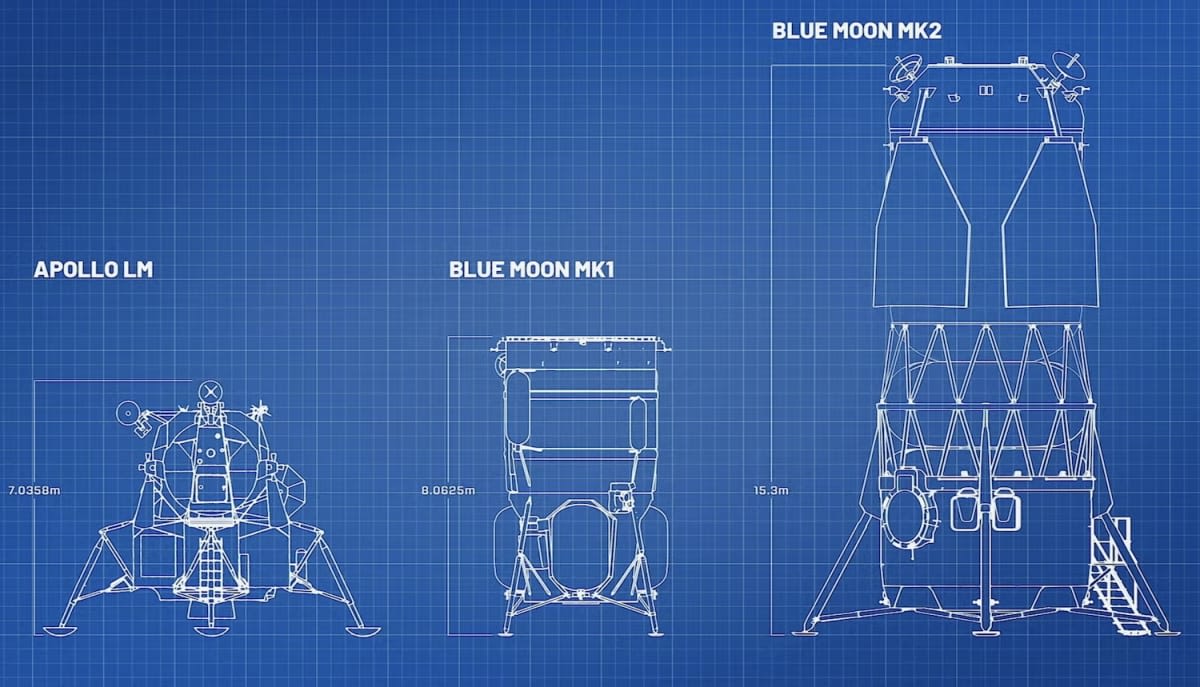
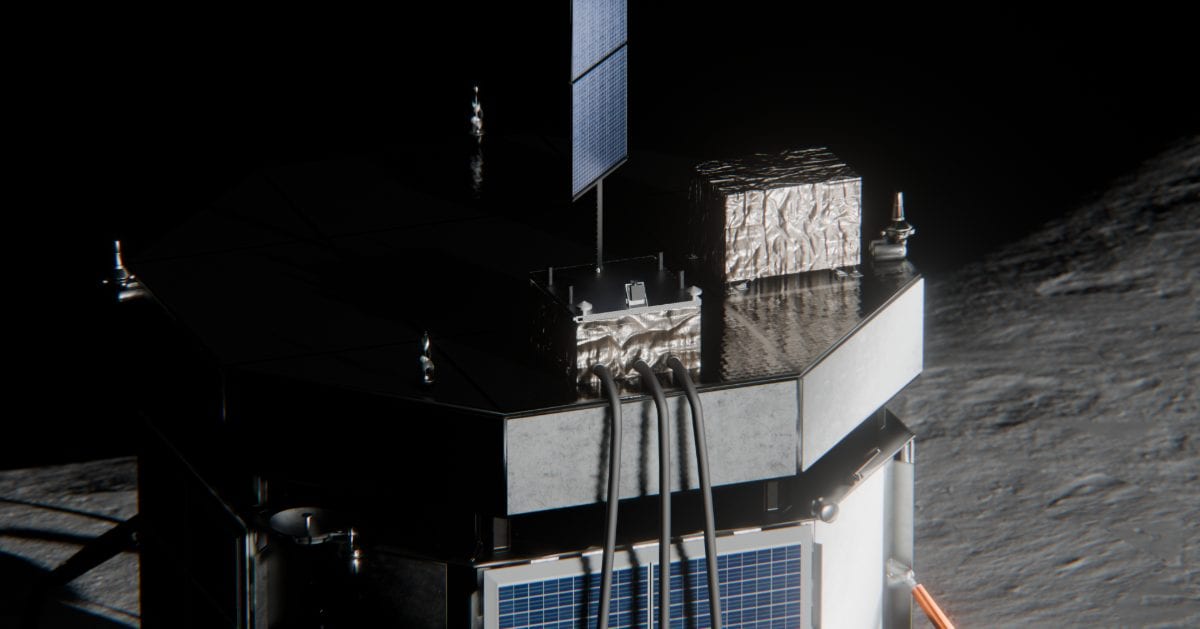
"The fairing size is part of what can drive that," said Parsons. New Glenn has a 7-meter fairing, as opposed to the 5-meter-class fairings that SpaceX's Falcon Heavy and ULA's Vulcan offer. Parsons explained that the test article, which will fly on the Artemis III mission, will be something between the uncrewed Mk1 and the crewed Mk2 landers, which are very different when it comes to size. That being said, the NASA official also mentioned that the test article will feature the same lunar crew module as the final lander. So, it makes sense to assume that it will likely be closer to the Mk2 lander in terms of dimensions, even though it won't feature the BE-7 engines.

Even as the possibilities of using alternative rockets are being explored in the aftermath of NG-4's catastrophic explosion, NASA's primary focus remains on being in constant communication with the teams at Blue Origin to be on the same page about the readiness of New Glenn ahead of the 2027 mission. "We’re going to be working with them hand in hand every single day, and we are bringing every assessment to bear. Like, if I needed to fly on another vehicle, what would that look like? What are the technical changes? So I would say all of that is in parallel," Parsons explained. "I want to be careful, though, because the Blue team is confident and is moving forward. We’re looking at this from a broader risk perspective." During the recent Artemis III crew announcement event, the NASA official had expressed his confidence in Blue Origin being able to deliver on time for the mission.
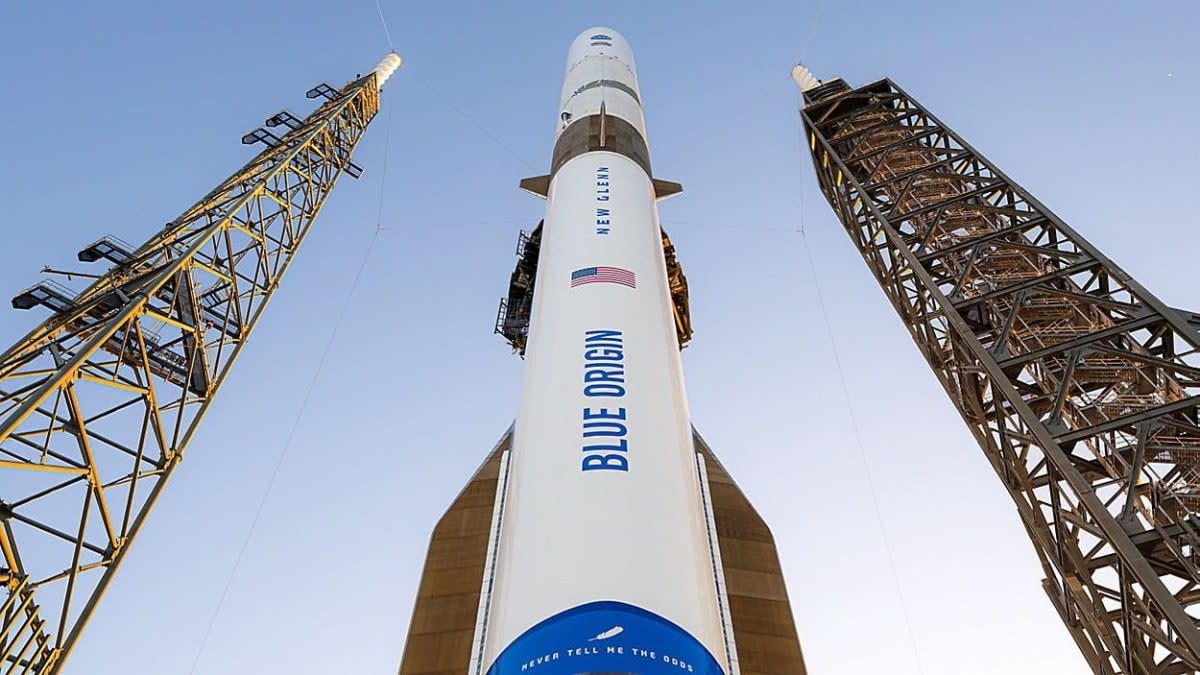
Blue Origin has been developing a more powerful 9x4 variant of the New Glenn, featuring nine booster-stage BE-4 engines and four BE-3U engines, keeping in mind the heavy-lift capabilities required for future Moon missions. However, despite the larger 8.7-meter fairing, which offers 70% more space than its 7x2 counterpart, Blue Origin has dropped the idea of moving directly on to the 9x4 variant. Should Blue Origin indeed succeed in recovering ahead of the mission, New Glenn will be the first rocket to launch for Artemis III. It will be followed by the launches of NASA's SLS, which won't feature an interim cryogenic propulsion stage, and SpaceX's Starship, which won't see the Artemis III crew enter its upper stage during the mission.
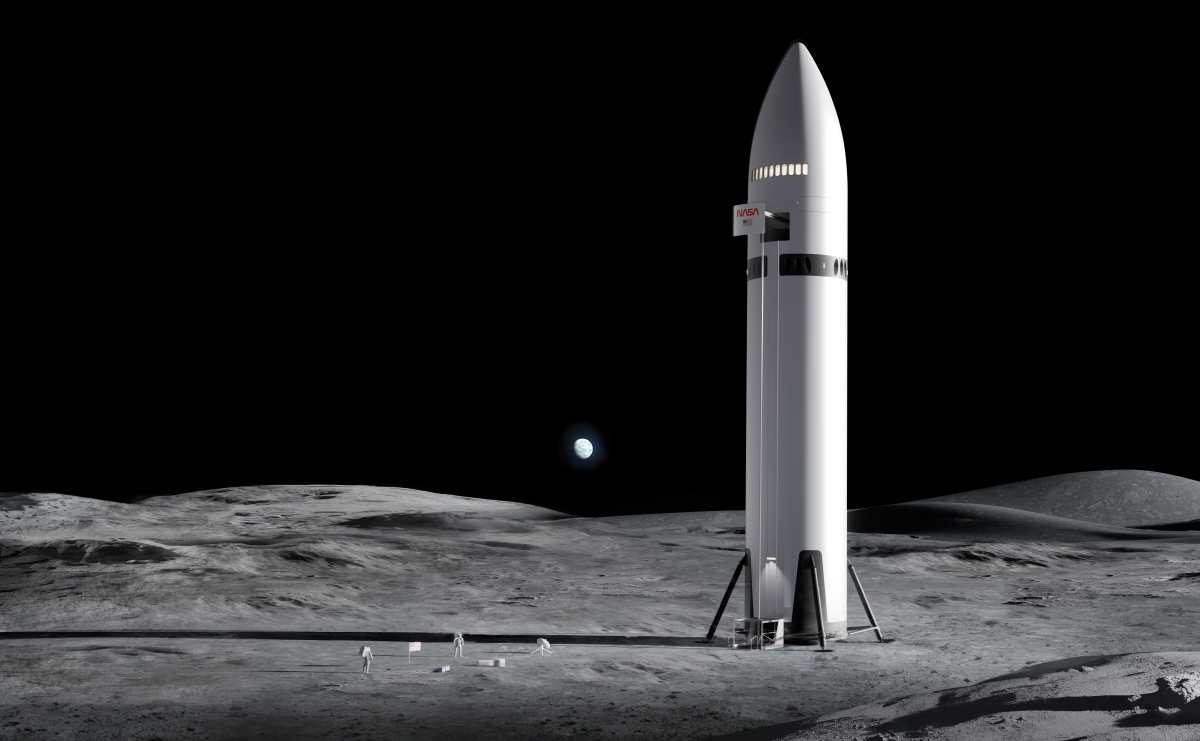
Addressing the latter, Parsons talked about what his primary concerns with Starship are. "I will tell you a couple of things I’m most worried about from a testing perspective, things that we’re not going to get with the uncrewed demo," he said, referring to the lunar landing demonstration that SpaceX will undertake without a crew. "One is integrated stack control. You have a very large Starship vehicle, and [a] much smaller Orion. Also, your avionics flight software is always tricky to integrate. You can test on the ground, but until you’re up there commanding, those are things that you really want to check out. So those two things are some of the biggest bangs for the buck that we can get with this test."
More on Starlust
When will New Glenn fly again? Here's Blue Origin's latest update on the hotfire test explosion
Moon landers for Artemis III: SpaceX, Blue Origin provide progress updates at NASA event