NASA announces four new lunar lander missions worth nearly $600 million to advance Moon Base science
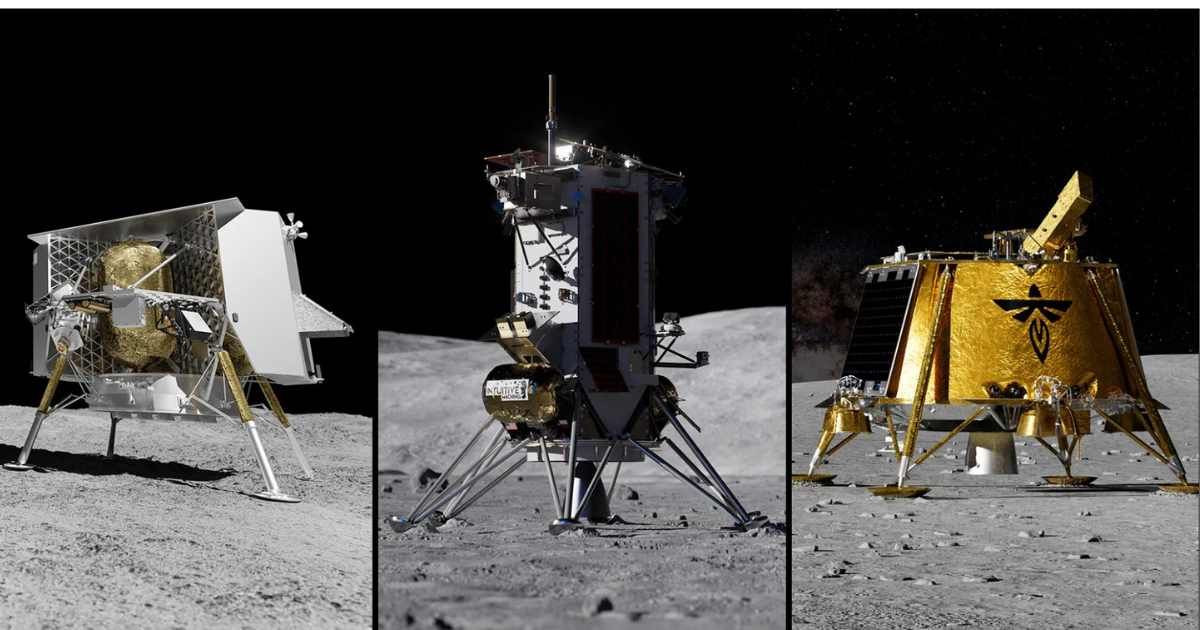
NASA announced four new commercial lunar lander missions on Tuesday, June 30, that will fly in late 2028 as part of the agency's ambitious $30 billion Moon Base Program. Contracts with a cumulative value of nearly $600 million were awarded to three companies for the development of these landers, which will fall under what the agency calls the "backbone" of the Moon Base—the CLPS (Commercial Lunar Payload Services) initiative.
Four new Moon deliveries. One shared goal. 🌕 @NASA is increasing the cadence of lunar exploration with four newly announced commercial lunar lander missions that will deliver NASA science and technology payloads to expand scientific discovery and help advance the capabilities… pic.twitter.com/02hKTkDReg
— NASA Moon Base (@NASAMoonBase) June 30, 2026
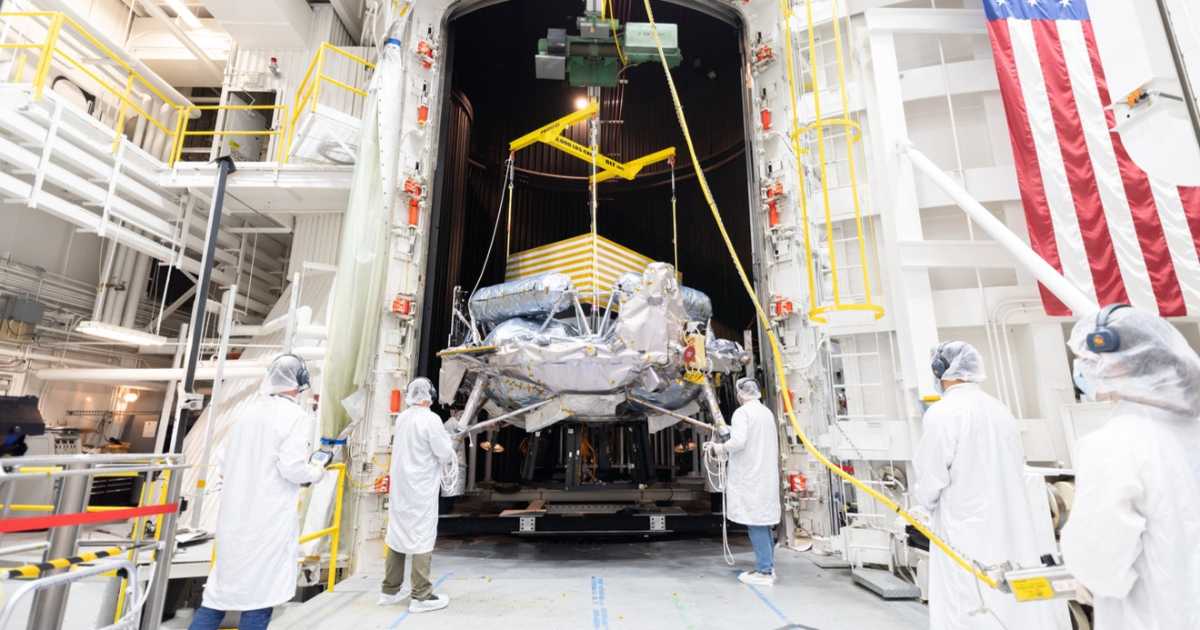
Each of the four landers will be an updated version of designs that have already flown. This is being done to maintain an accelerated mission cadence. "We’re building a proving ground for Moon Base operations. Accelerating our Moon mission ordering cadence and launch opportunities enable us to move quickly to learn, iterate, and improve," said Ryan Stephan, NASA’s Moon Base acting director of cargo landers, in a statement. Astrobotic, which was recently acquired by Voyager Technologies, was given $297 million total for two deliveries. The company is also supposed to deliver its Griffin lander for the Moon Base II mission, which Moon Base program manager Carlos García-Galán said could still take place this year, even if Moon Bases I and III are postponed to 2027. The other two CLPS contracts worth $144.2 million and $148.3 million were awarded to Firefly Aerospace and Intuitive Machines, respectively.
Congratulations to @Astrobotic on being awarded two @NASA Moon Base missions! The future of lunar exploration is in great hands, and we can’t wait to build it together.
— Voyager Technologies (@voyagertech_) June 30, 2026
To the Moon!
Learn more here: https://t.co/vCfGIiI5Dc$VOYG #America250 #AcceleratingtheAdvantage… pic.twitter.com/CBtn1CCW52
Each of the four missions will transport an identical suite of three scientific instruments to the lunar surface: the Laser Retroreflector Array (LRA), the Linear Energy Transfer Spectrometer (LETS), and the Stereo Camera for Lunar Plume Surface Studies (SCALPSS). Simply put, the LRA is a cookie-sized device that reflects laser beams from lunar orbiters and landing spacecraft to help them locate themselves in orbit or find their way to the surface. The LETS is designed to characterize the radiation environment at different locations on the lunar surface, while the SCALPSS is an array of four cameras that will produce 3D views of the impact of engine exhausts on lunar dust.
Joel Kearns, deputy associate administrator for exploration, Science Mission Directorate, NASA Headquarters, likened the aforementioned payloads to weather stations, except on the Moon. "By flying the same science instruments on multiple landers, we will better understand potential hazards during landing and build out a global network of environmental data and location markers on the Moon," he explained.
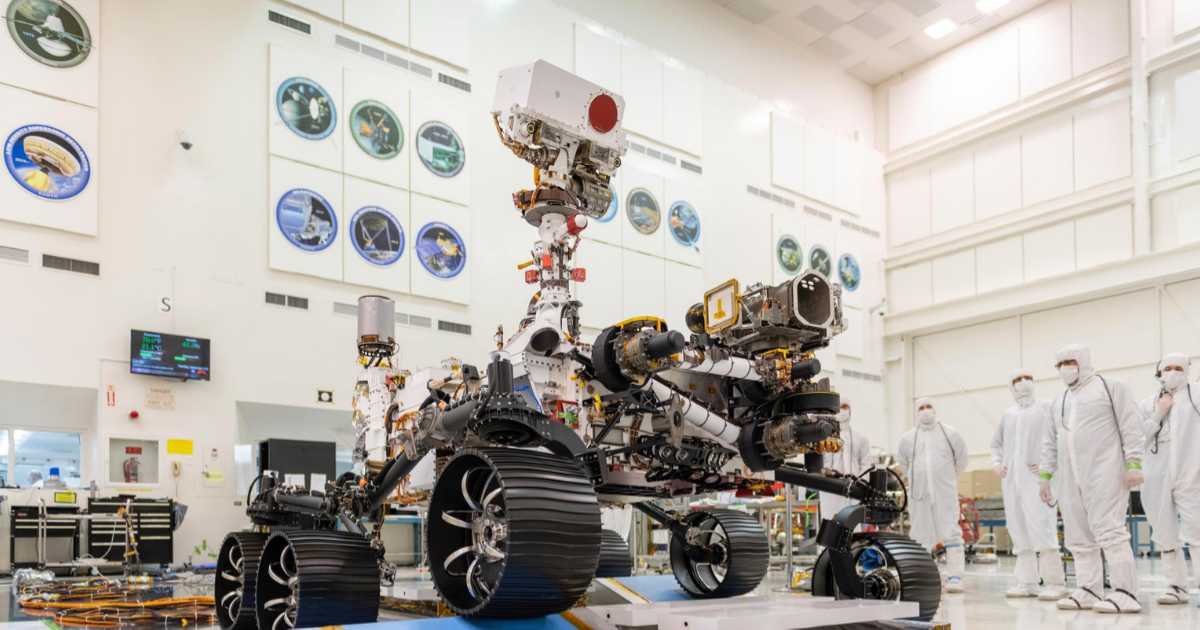
NASA also announced on Tuesday that it is planning on sending PROMISE (Polar Rover for Observation, Mapping, and In-Situ Exploration) to the Moon. While a tentative date has not been announced for its launch, it has been described as a hybrid rover based on the designs of the Perseverance and Curiosity rovers operating on Mars. Its task will not only be limited to prospecting the lunar terrain but also characterizing what's below the surface. NASA Administrator Jared Isaacman highlighted the repurposed nature of PROMISE, stating, "We've had years now of experience operating the two rovers on the surface of Mars... and the question was posed—'What if we send it to the Moon?'" He mentioned that since taxpayers have already invested a lot in the hardware of the two rovers, it made sense to begin developing it further, adding, "It's existed; you just didn't know its name, and you may not have seen it very often if you weren't at the Jet Propulsion Laboratory, but it'll probably find its way to the lunar South Pole."
More on Starlust
Artemis III: Blue Origin's test lander can launch on another rocket if New Glenn isn't ready on time