When will New Glenn fly again? Here's Blue Origin's latest update on the hotfire test explosion
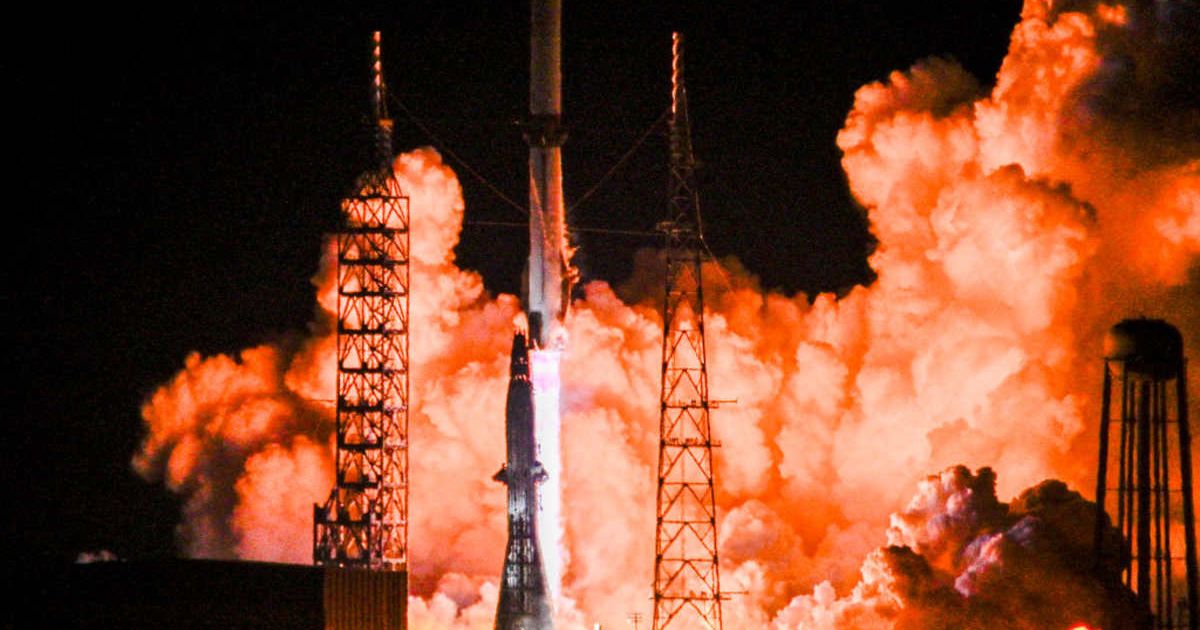
Blue Origin has issued its most significant update yet on the New Glenn hotfire test explosion that shook Launch Complex 36 (LC-36) in Florida's Cape Canaveral Space Force Station. CEO Dave Limp took to X on Monday, June 1, to share that the New Glenn booster "Never Tell Me The Odds" and the three second stages (GS-2s) that were housed onsite in the integration facility were not damaged by the explosion, thereby confirming what he had hinted at in the update issued a couple of days earlier on May 30.
We have regained some access to Launch Complex 36 and are actively investigating the hotfire anomaly. We will start clearing the pad soon and have a good rebuild plan in place. The booster and GS2s in the integration facility appear healthy from quick looks.
— Dave Limp (@davill) May 30, 2026
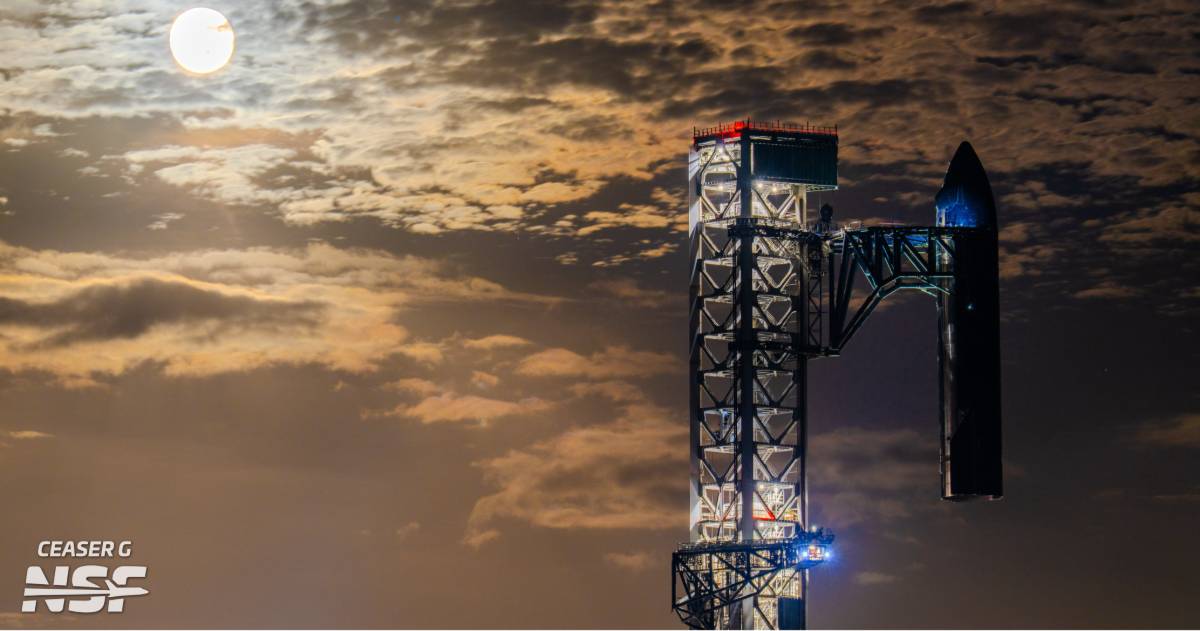
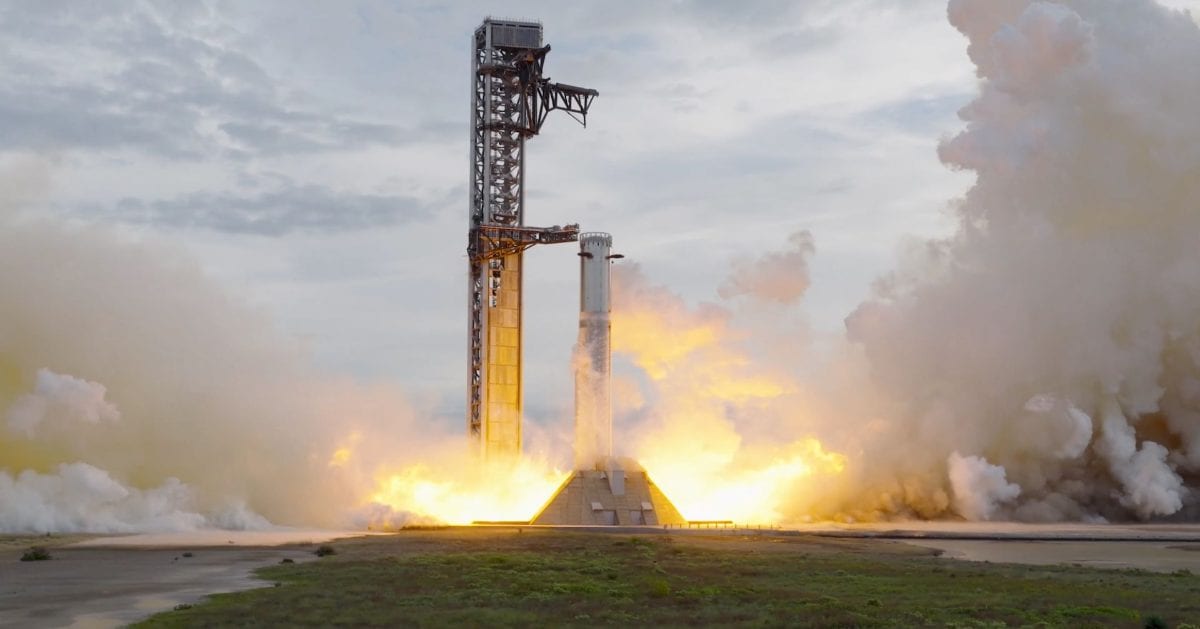
“Now that we’ve had access to the pad and integration facility, we can share a bit of good news," Limp wrote. "The propellant farm, oxygen, liquid hydrogen, and LNG tanks are all in good shape. This is good luck because these are very long lead items. The water tower is also good. The big support tower is damaged, but it can be repaired in place rather than torn down and replaced."
Some LC-36 updates. Now that we’ve had access to the pad and integration facility we can share a bit of good news. The propellant farm, oxygen, liquid hydrogen and LNG tanks are all in good shape. This is good luck because these are very long lead items. The water tower is also…
— Dave Limp (@davill) June 2, 2026
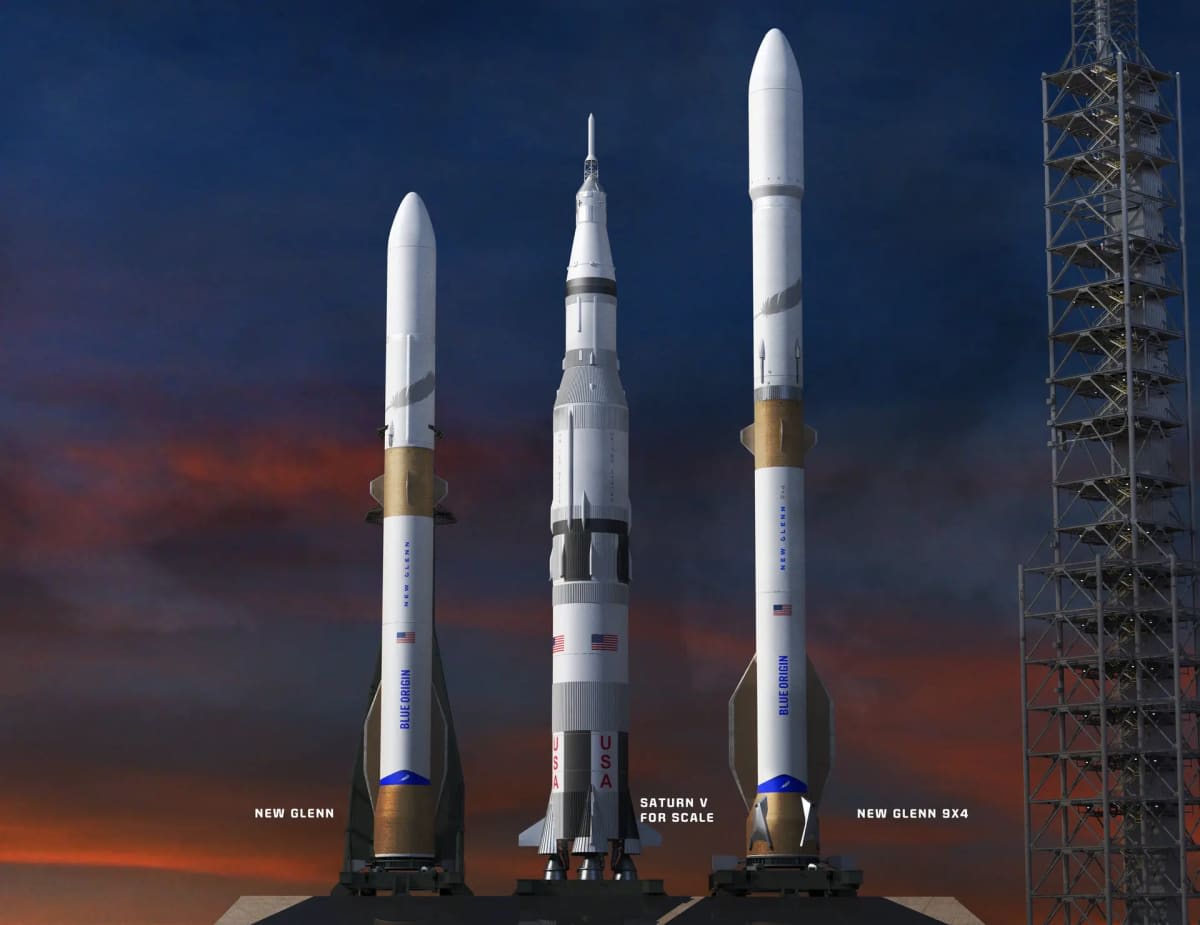
Limp also touched upon the idea of whether the setback would compel Blue Origin to switch to New Glenn’s 9x4 super-heavy configuration. The usual 7x2 configuration contains seven BE-4 engines to power the booster stage, while the upper stage comes with a couple of BE-3U engines. The super-heavy configuration, on the other hand, has nine BE-4 engines in the first stage and four BE-3U engines for the second stage. It also comes with a larger 8.7 m diameter fairing, which has 70% more volume than that of the 7x2 configuration. "I’ve seen some speculation that we might move directly to the 9x4 configuration, but we won’t do that. Rate manufacturing of 7x2 is going well, and we’re going to continue that at pace as planned and store the stages for use," wrote Limp, addressing the speculation.
In what was another major update, Limp revealed that Blue Origin has already been putting in efforts to remove the launch complex’s current transporter-erector and replace it with a vertical concept. This means that the rockets will be fully assembled upright inside the integration facility before rollout—something that has already been seen in the case of NASA's Artemis SLS rockets.
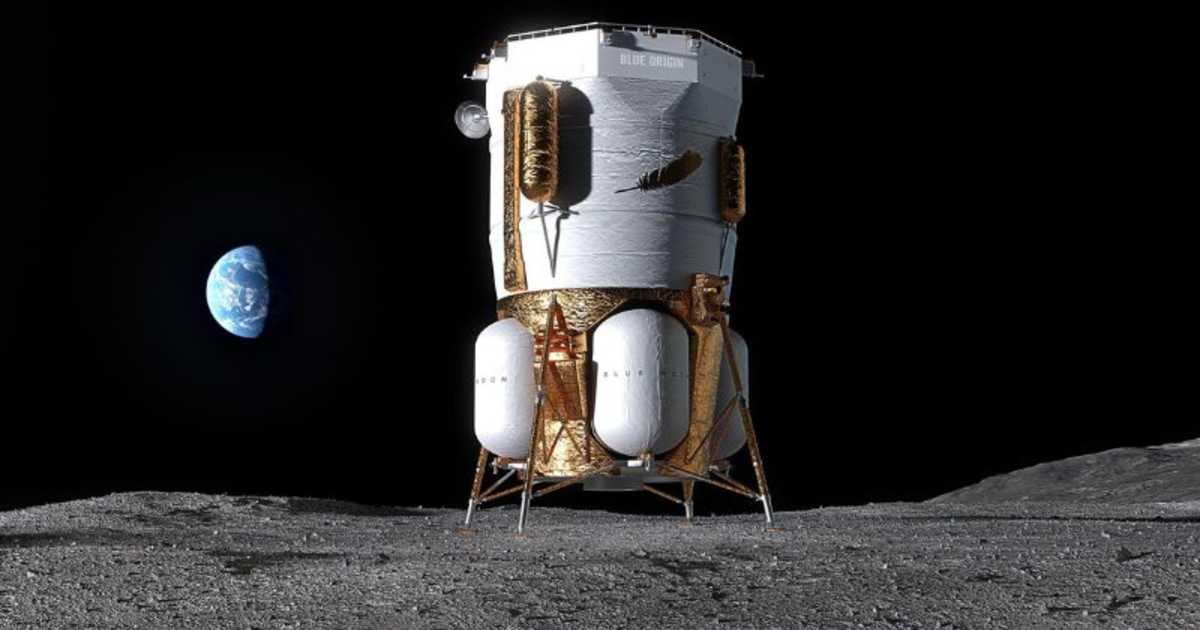
"We will fly again before the end of this year. Gradatim Ferociter," concluded Limp. Now, while that's a shorter turnaround time than what most would've guessed, given the scale of the explosion, we may still be looking at a significantly long pause. NASA was planning to use Blue Origin's Blue Moon Mark 1 Endurance lander for its Moon Base I mission, scheduled for fall this year. The space agency was also hoping to test human landing systems from both Blue Origin and SpaceX during the redesigned Artemis III mission scheduled to launch in 2027. How Blue Origin's setback affects these missions and NASA's lunar ambitions at large is something that remains to be seen.
More on Starlust
Who are the astronauts for Artemis III? NASA is going to reveal the names on this date
Blue Origin's rocket explodes on launch pad in Florida—a look at New Glenn's troubled past