Blue Origin vs. SpaceX: How their landers fit into Artemis III
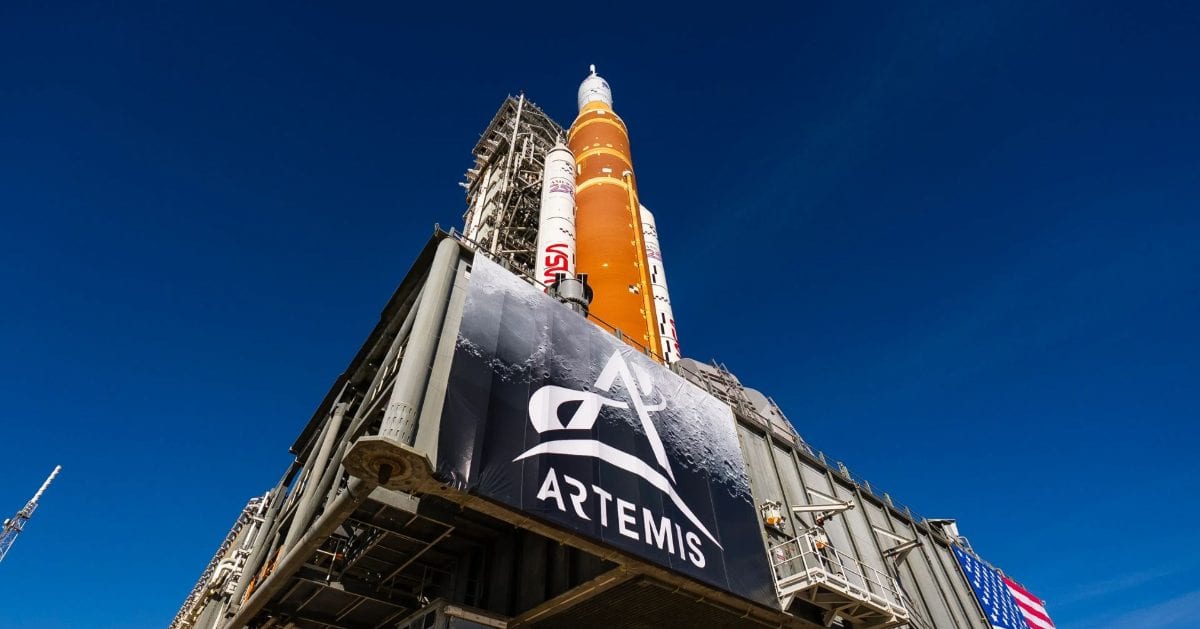
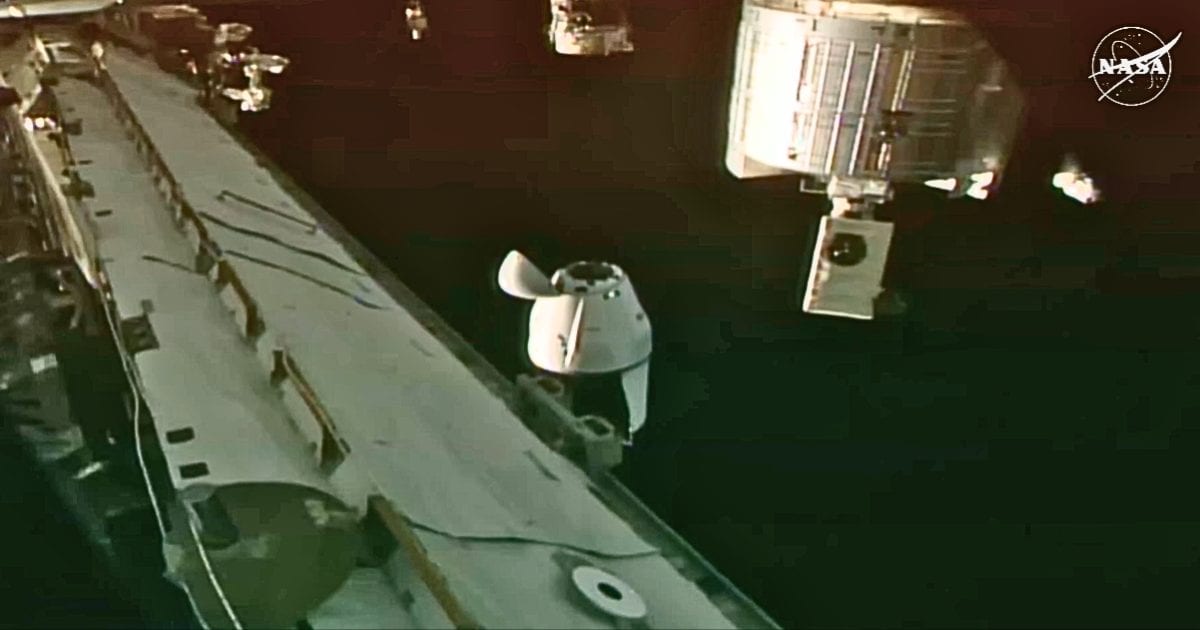
Unlike their predecessors, the Artemis III astronauts won't be going anywhere near the Moon. But that doesn't make their mission any less complicated. NASA, in fact, is referring to it as "one of the most complex missions in history." Indeed, it has a lot of moving parts, but all eyes will be on the two commercial landers from SpaceX and Blue Origin with which the crewed Orion spacecraft is expected to rendezvous and dock in low-Earth orbit.

After all, questions surrounding the readiness of the two landers have been swirling ever since NASA announced that it was bringing up the Artemis III launch date. And the New Glenn explosion last month only fanned doubts about Blue Origin's participation in the mission. However, Tuesday's crew announcement event appears to have put much of the speculation to rest—at least for now.

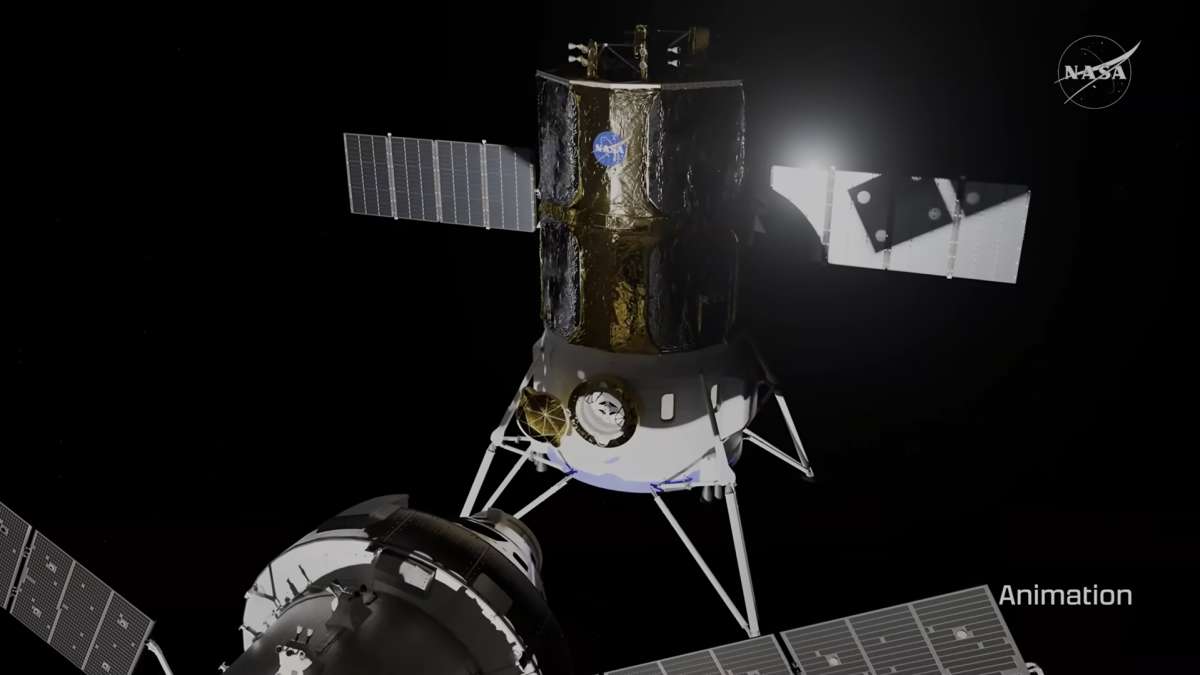
"Orion and the Blue Origin lander design will rendezvous in space, spending about two days in docked operations, conducting tests, technology demonstrations, including inside Blue Origin's spacecraft," said Jeremy Parsons, the Acting Assistant Deputy Associate Administrator for the Moon to Mars Program Office. "More importantly, we intend to dock, perform integrated stack control, have crew cross the hatch, operate the lander, and get critical test of the life-support system that can only be done in space." This will yield important information regarding the systems that the lander crew will depend on when they descend onto the surface of the Moon in 2028. Parsons also noted that the Blue Origin test lander will be able to loiter in space for about 90 days, which will give NASA enough time to launch the crew aboard the SLS rocket.
As for Starship HLS (Human Landing System), Orion will be docked with the test vehicle for about a day before the crew starts to prepare for undocking and return to the surface, according to Parsons. In an earlier update, NASA had said that the astronauts would enter at least one test lander article during the mission. Now, from what Parsons had to say, it seems like the SpaceX test lander may not be in the running, even though the company announced it is in the middle of building a flight-fidelity Starship HLS cabin.
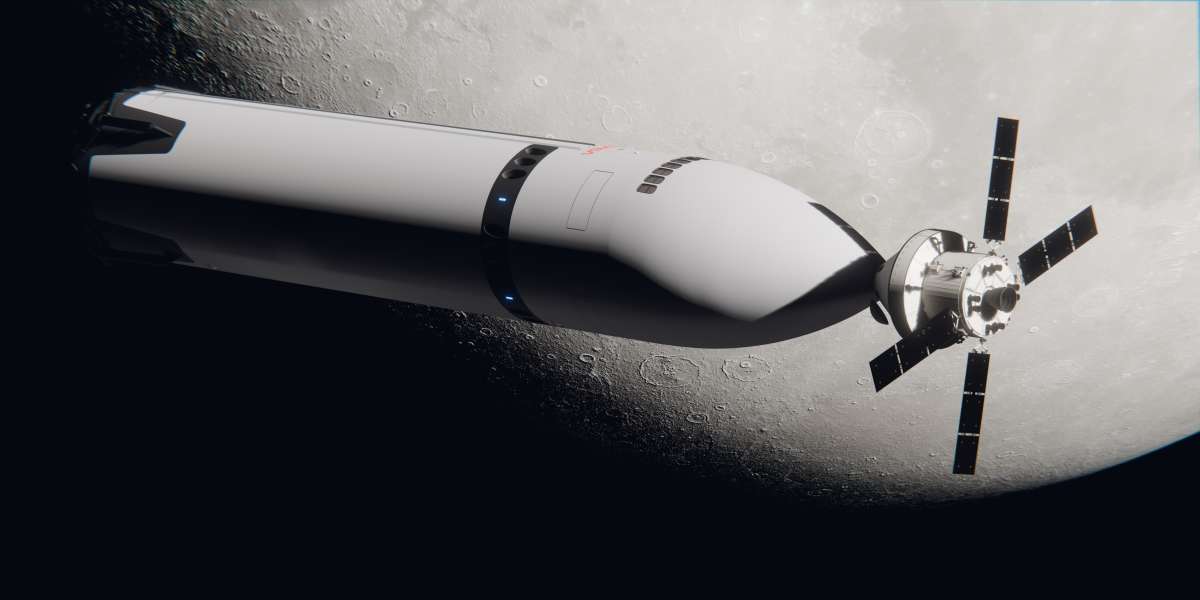
It must be noted that the Starship HLS was initially supposed to return humans to the surface of the Moon via the Artemis III mission. But now that the Artemis program is following a different roadmap altogether, thanks to NASA's decision to take a more incremental approach to realizing its lunar ambitions, Blue Origin could get a crack at the feat as well with Artemis IV. Needless to say, the race to the Moon is on—be it between the U.S. and China, or between Elon Musk and Jeff Bezos.
More on Starlust
Artemis III update: NASA ships final solid rocket booster segments for SLS to Kennedy Space Center
Blue Origin's rocket explodes on launch pad in Florida—a look at New Glenn's troubled past