NASA has adopted a 3-phase approach to establish a Moon Base: Here's what it looks like
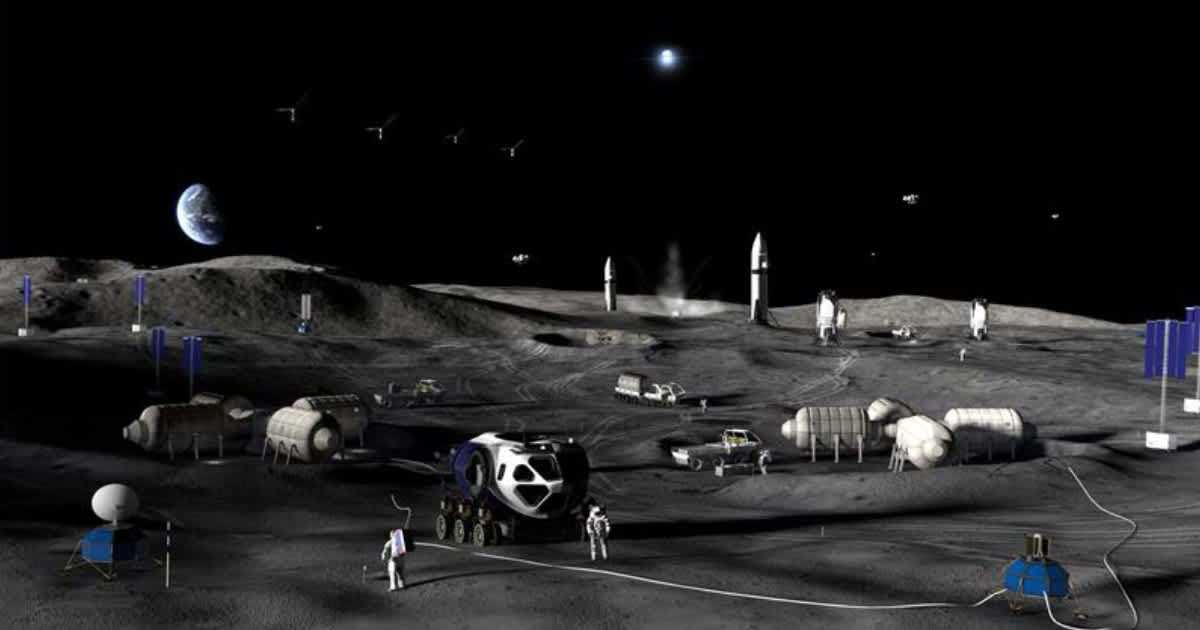
NASA has shared insights into a new phased approach to establishing a surface base on the Moon. Part of implementing America’s National Space Policy, this approach will accelerate the return of humans to the Moon with the intention of staying. At Tuesday’s Ignition event, NASA's Moon Base Program Executive Carlos Garcia-Galan let the audience know about the commencement of Phase 1 of this plan, starting on the very day of it being announced on March 24, 2026.
LIVE: @NASAAdmin and agency leaders are sharing updates on our implementation of the National Space Policy and our preparations to return to the surface of the Moon by 2028. https://t.co/A28HKqedDD
— NASA (@NASA) March 24, 2026
The phased approach of sending astronauts to the Moon will include the delivery of a whole host of equipment, scientific instruments, and infrastructure for living and working. They will be provided by NASA’s partners, and in return, the agency will lend its expertise in helping their development. The destination chosen for the Moon Base could be the lunar south polar region, which is also the target for Artemis IV. The features there, such as the Shackleton crater, are thought to be treasure troves of water ice, though recent revelations suggest water ice may not be as abundant on the Moon as previously thought.
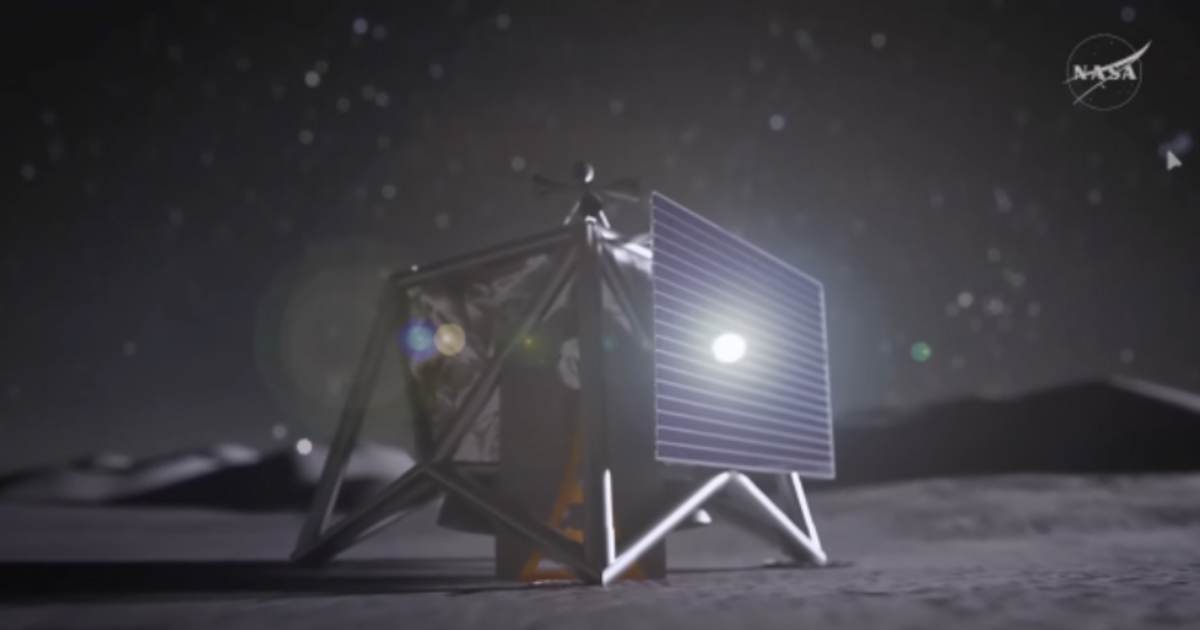
Phase 1
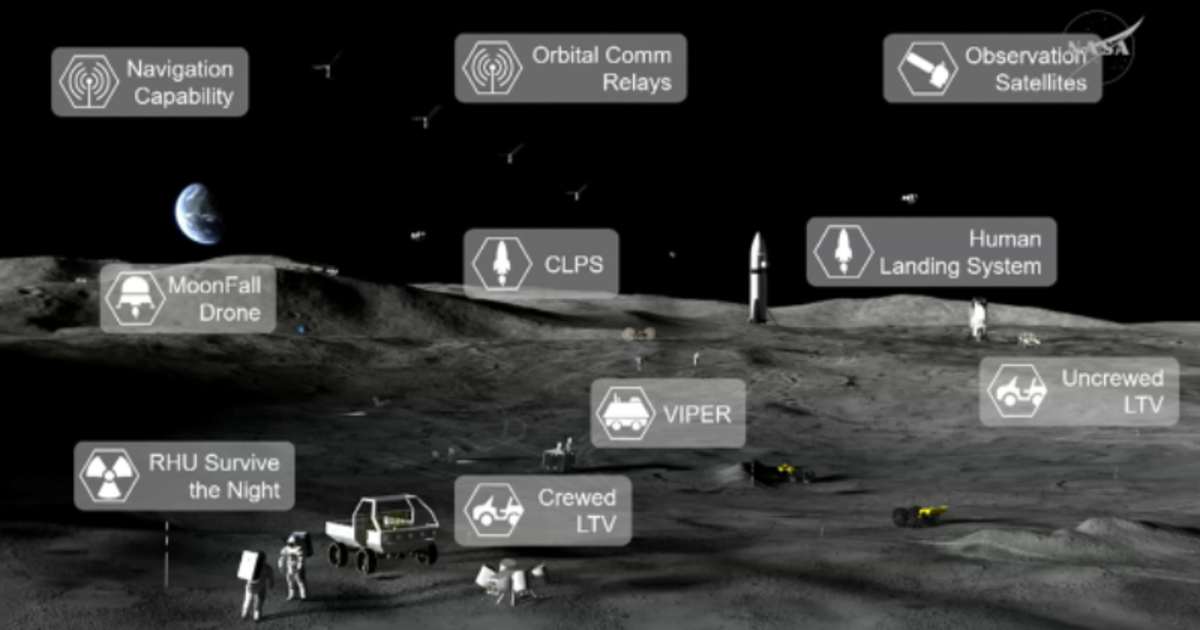
Set to continue through 2028, some of the objectives of this initial phase of developing a Moon Base include creating a reliable system of reaching the lunar surface at a high rate. Missions that are part of Phase 1 will understand the lunar surface so as to determine the exact location for the Moon Base. During this time, the program executive also stated that 25 launches will be made, with 21 landing on the Moon to bring over 4,000 kg of payloads, such as the ‘hopping’ MoonFall Drone and Lunar Terrain Vehicles (LTVs). A couple of lunar orbital constellations composed of communication satellites and Radioisotope Demos (meant to provide heat in darkness) will also be deployed. The first crewed Moon Base mission will also be executed before the end of this phase.
Phase 2
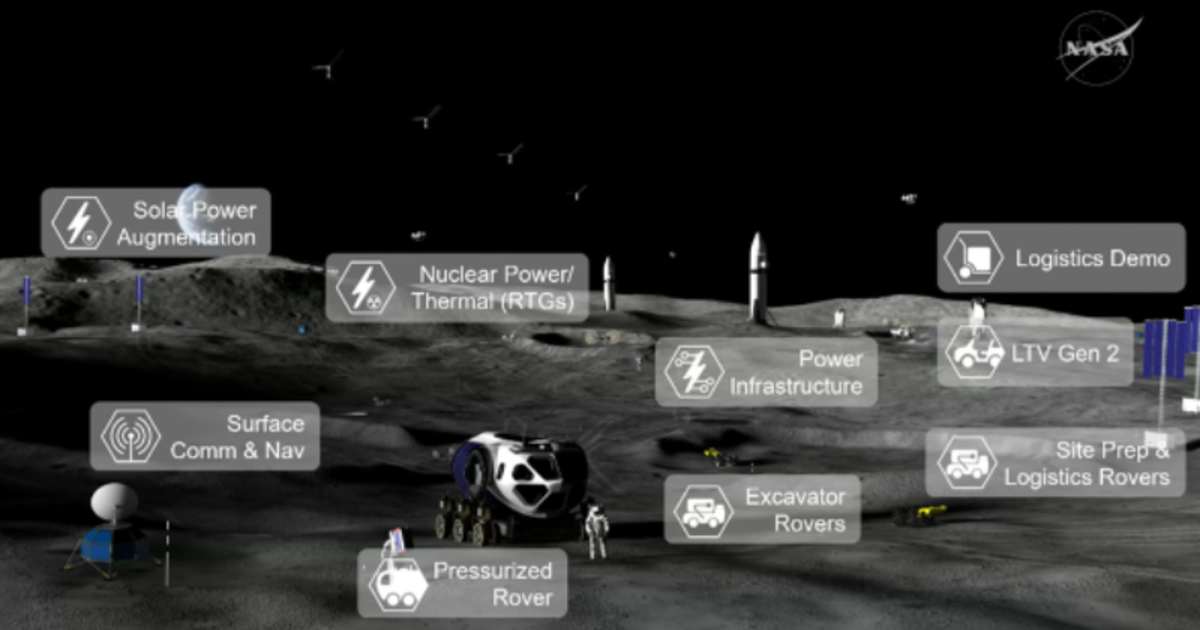
With the initial Moon Base sites confirmed, the first of the equipment to prepare the surface for habitat infrastructures will arrive during the second phase. These will consist of excavators to level the surface or remove rocks, solar power augmentation systems, surface communication assets, and second-generation LTVs, to name a few. This period will last from 2029 through 2032 and will focus on demonstrating the technologies needed for staying long-term. Crewed visits will also increase from one annually to two per year. With 27 launches and 24 landings on the Moon proposed during this phase, a total of over 60,000 kg of payload will arrive on the surface. A pressurized rover developed by JAXA ((Japan Aerospace Exploration Agency) will also be delivered.
Phase 3
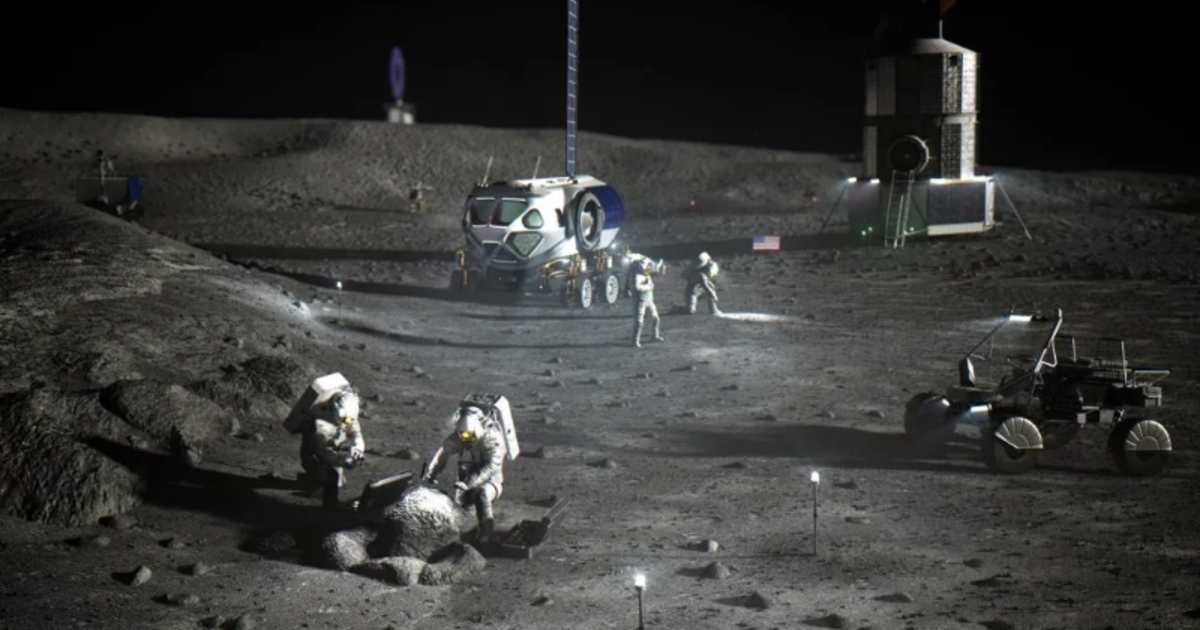
This last phase alone will take up more than $10 billion out of the overall budget for this phased approach to creating the Moon Base. Endured presence and long-distance exploration will be the first objective after 2032, besides developing the ability to return cargo from the lunar surface back to Earth. A cumulative total of over 150,000 kg of payloads will be delivered in this phase with the aid of 29 launches and 28 landings on the surface by various spacecraft. This will include ASI’s (Italian Space Agency) Multi-purpose Habitats (MPH), CSA’s (Canadian Space Agency) Lunar Utility Vehicle, and supplies for some of the first lunar residents will also need to be delivered.
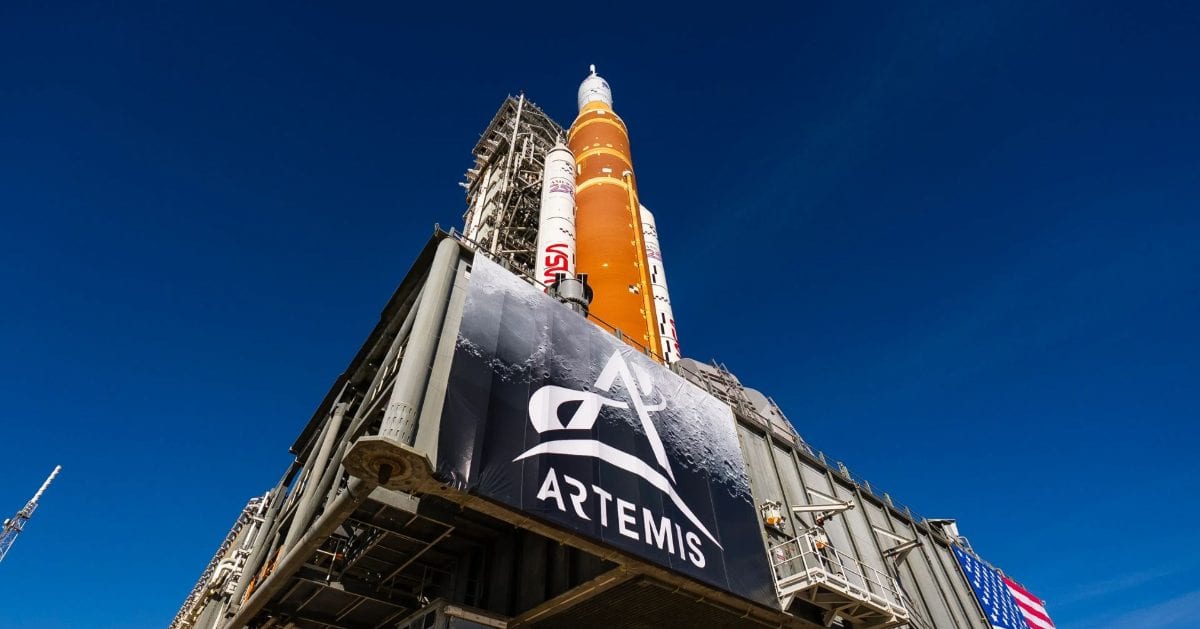
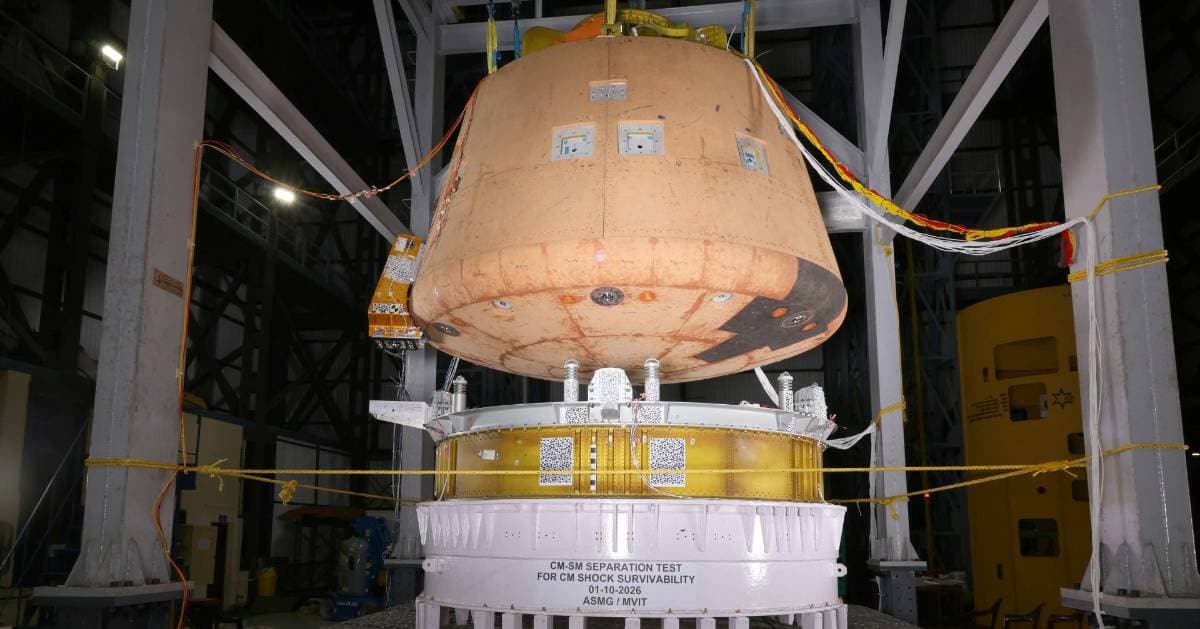
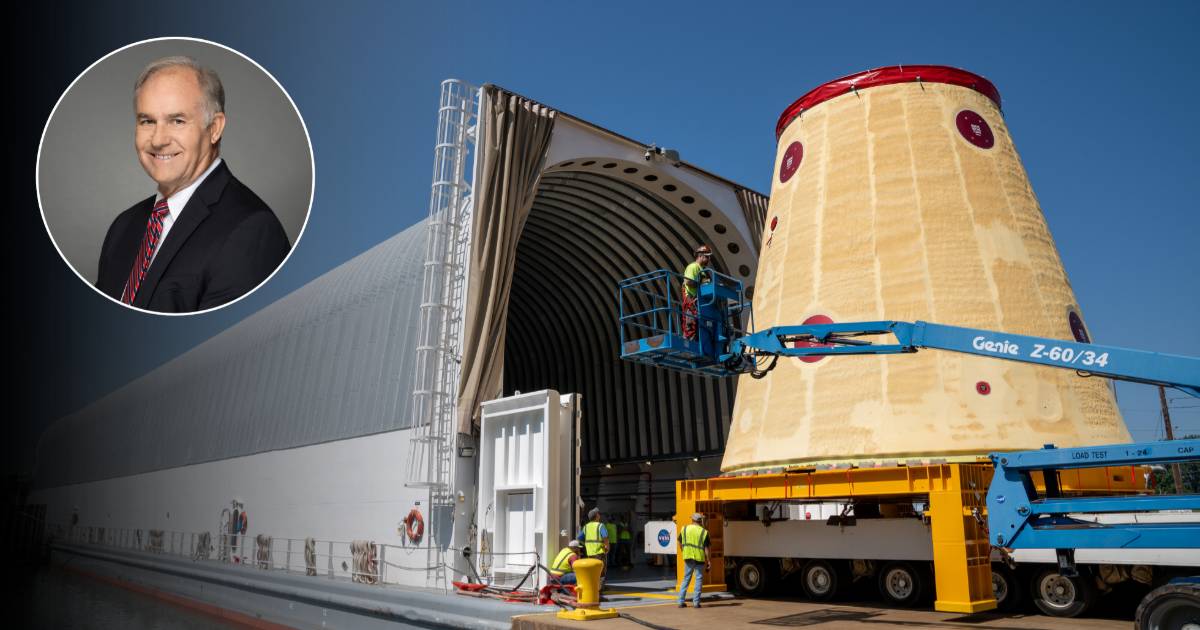
With the Artemis II mission set to bring humans closer to the Moon than they have been since 1972’s Apollo 17 in a week’s time, updates about the hardware readiness for the forthcoming missions were also shared. Dr. Lori Glaze, Acting Associate Administrator for NASA’s Exploration Systems Development Mission Directorate, who also spoke at the Ignition event, informed of the arrival of the SLS rocket components of Artemis III at Kennedy Space Center in Florida for integration. Some hardware for Artemis IV is also present at Kennedy, while those of Artemis V are already being manufactured.
More on Starlust
What sets the Artemis II crew's bright orange spacesuit apart from past missions' gear
Artemis II: NASA will monitor the Sun to protect the astronauts from dangerous radiation