Alpha Capricornids meteor shower July 2026: Peak date, best viewing time and how to watch
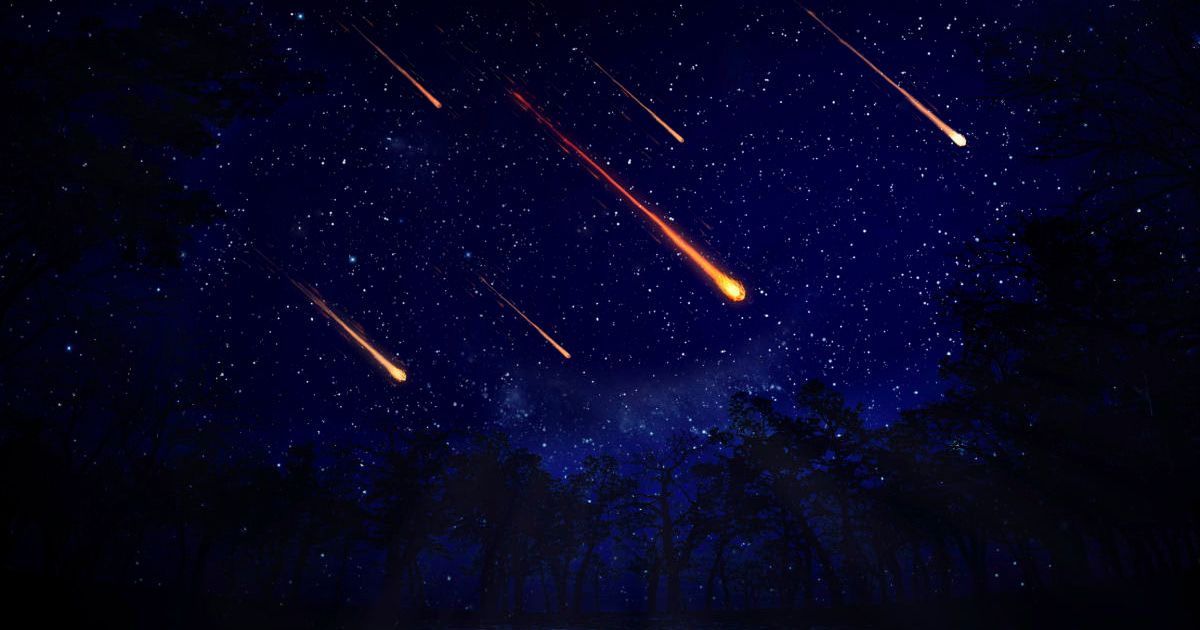
July promises to be a busy month for skywatchers, featuring a close approach between Saturn and the Moon, the Buck Moon, the Southern Delta Aquariid meteor shower, and many more spectacular events. Beyond these notable events, July will also host a second, often-overlooked meteor shower: the Alpha Capricornids. Here is everything you need to know.

When can we see the Alpha Capricornids meteor shower?
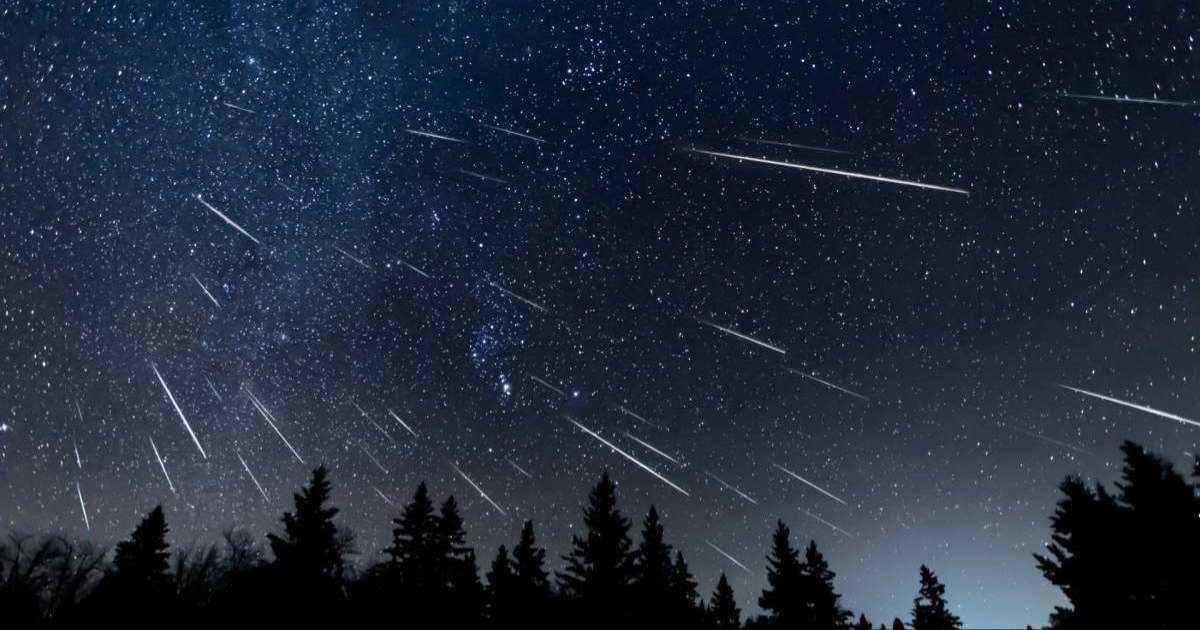
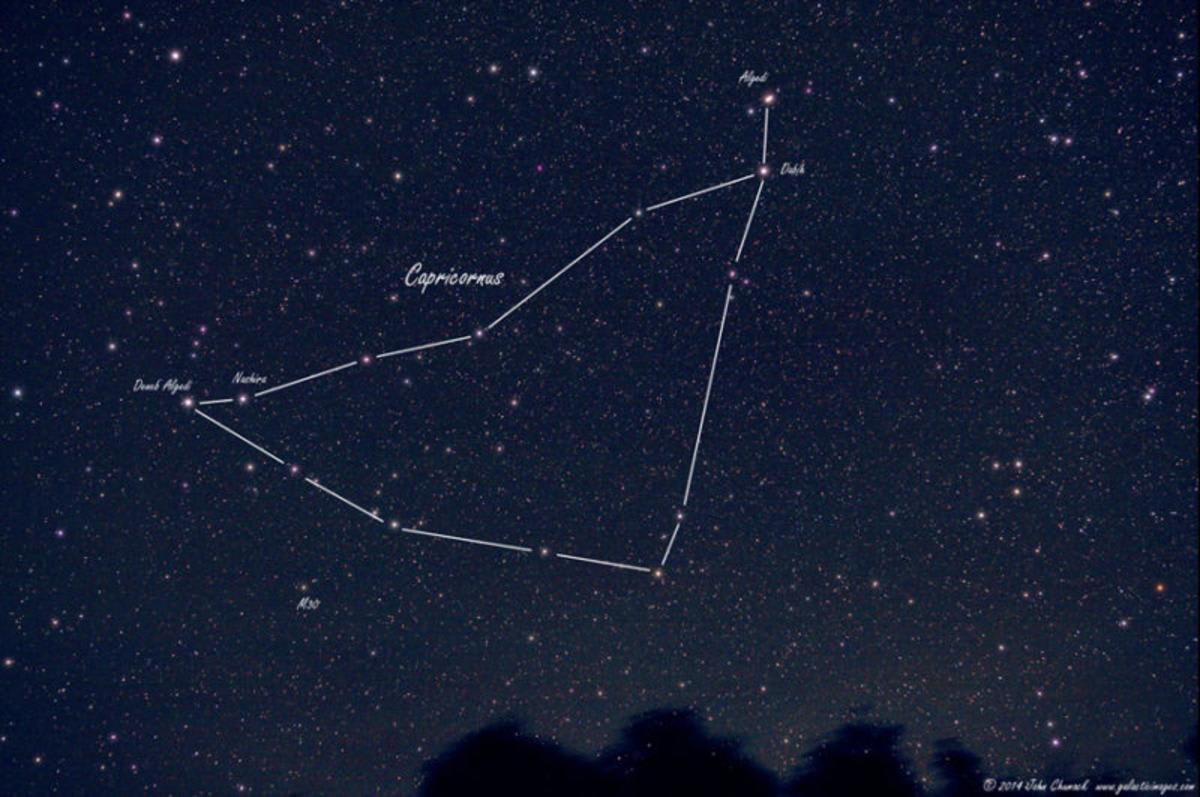
Every year, the Alpha Capricornids meteor shower remains active from July 3 to August 15. This year, the shower will reach its peak on the night of July 30 and into the early morning hours of July 31. The Alpha Capricornids are classified as a bright shower, with its radiant—the point in the sky from which the meteors appear to originate—located in the Capricornus constellation.
One of the standout features of this particular shower is that its meteors are significantly brighter than those of the overlapping Southern Delta Aquariids. Additionally, the Alpha Capricornids glide through the upper atmosphere slowly, providing skywatchers with lingering trails. Although the Alpha Capricornids overlap with the Southern Delta Aquariids, the slow, fiery nature of the meteor shower will make it easy for observers to differentiate between the two. In fact, the International Meteor Organization (IMO) formally acknowledges both showers separately. This is a special nod to their uniqueness, as the IMO usually groups other low-activity meteor showers in this region under the broad umbrella of the ‘Antihelion Source.’
Where can we see the Alpha Capricornids meteor shower?
Observers in both the Northern and Southern Hemispheres are well-positioned to witness the celestial spectacle, according to The Sky Live. The Alpha Capricornids have a Zenithal Hourly Rate (ZHR) of 5. This means that an observer under perfectly dark skies may be able to spot up to 5 meteors per hour, striking the atmosphere at a sluggish speed of 23 kilometers per second. The parent object responsible for the debris stream that creates the Alpha Capricornids is known as comet 169P/NEAT. Astronomers calculate the shower's peak by tracking its "celestial longitude" (specifically, solar longitude), which sits at 127 degrees. In simpler terms, this is the exact coordinate of Earth's orbit around the Sun where our planet plows into the thickest, densest part of the comet's debris trail.
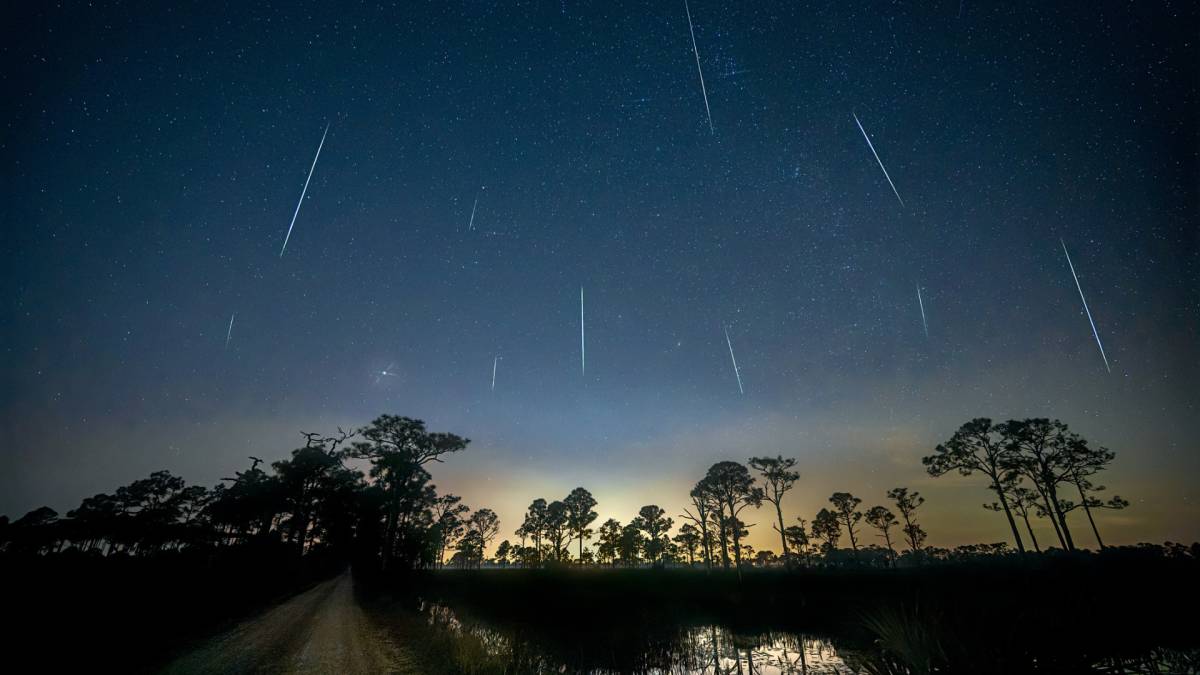
How to watch the Alpha Capricornids meteor shower?
The Alpha Capricornids frequently produce bright fireballs. While the shower will be visible throughout the night, the optimal time for observers to look up is during the midnight hours when the radiant climbs highest in the sky. To get an uninterrupted view, skywatchers must seek out an open field or rural location with a clear, dark horizon. Those who wish to view it from within the city must try to access an elevated area where the city skyline will not pose a hindrance to visibility.
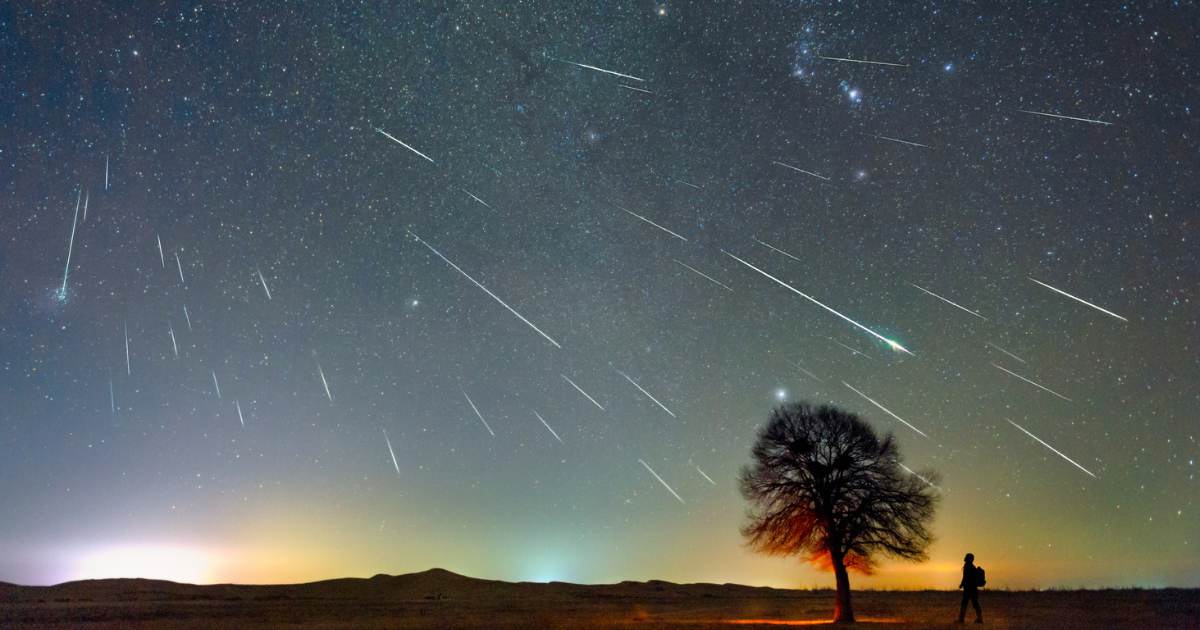
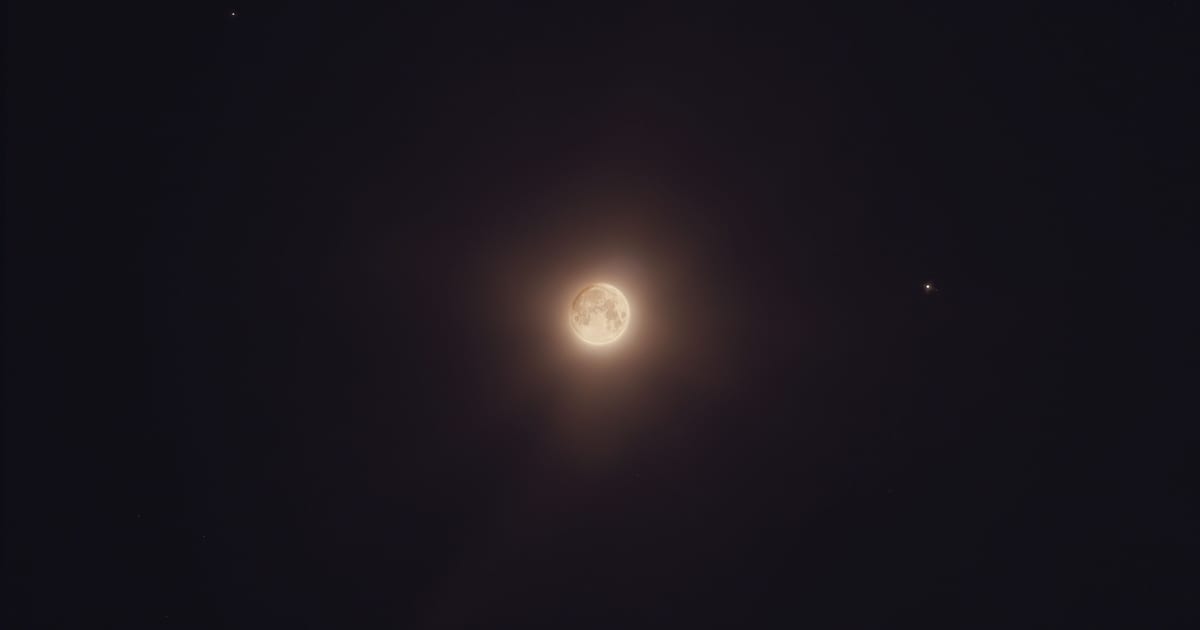
Unlike other stargazing targets, you should leave your binoculars and telescopes inside when watching the Alpha Capricornids. Because meteors streak unpredictably across vast swaths of the sky, magnifying instruments will severely restrict your field of view, causing you to miss almost everything; the naked eye is the best and only tool you need. Unfortunately, this year in particular, viewing conditions will be tricky. Just one day before the peak, on July 29, the sky will host the full Buck Moon. On the night of maximum activity, the Moon will still be roughly 98% illuminated. This intense lunar glare will create a significant hindrance, washing out fainter shooting stars. Thankfully, observers can hope that the famously bright fireballs will be able to penetrate the moonlight and put on a spectacular show.
More on Starlust:
August 12, 2026 total solar eclipse to bring rare sunset spectacle—check the best viewing locations
Total Solar Eclipse 2026: Date, time, viewing locations, and safety measures—all you need to know