Southern Delta Aquariids and Alpha Capricornids meteor showers will be at their best in the final week of July
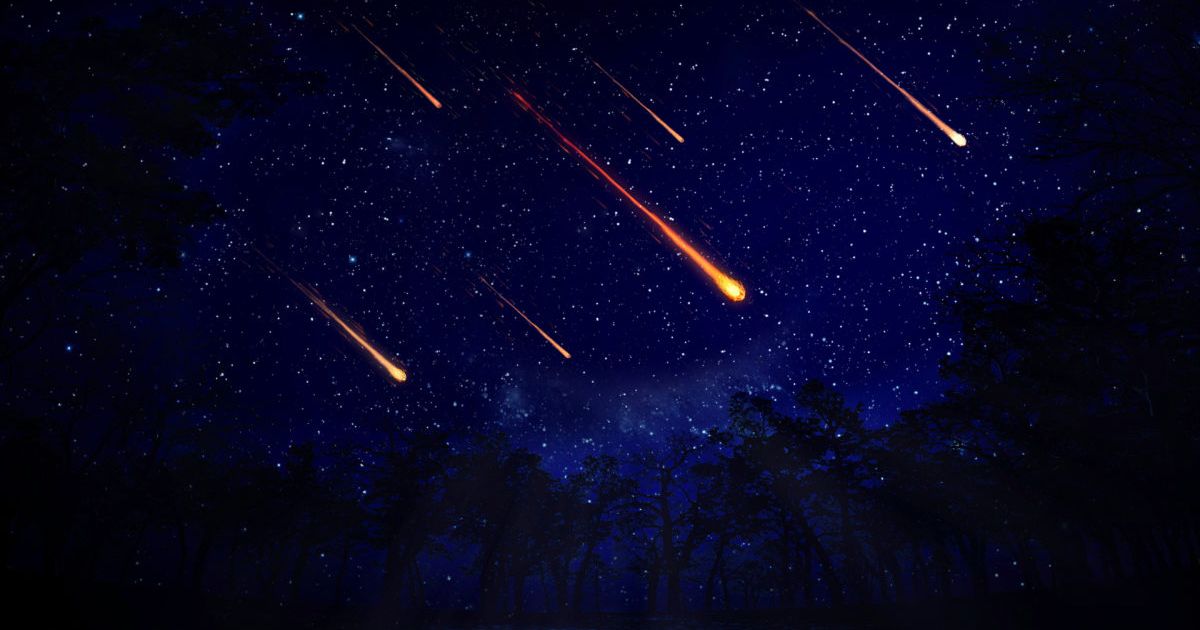
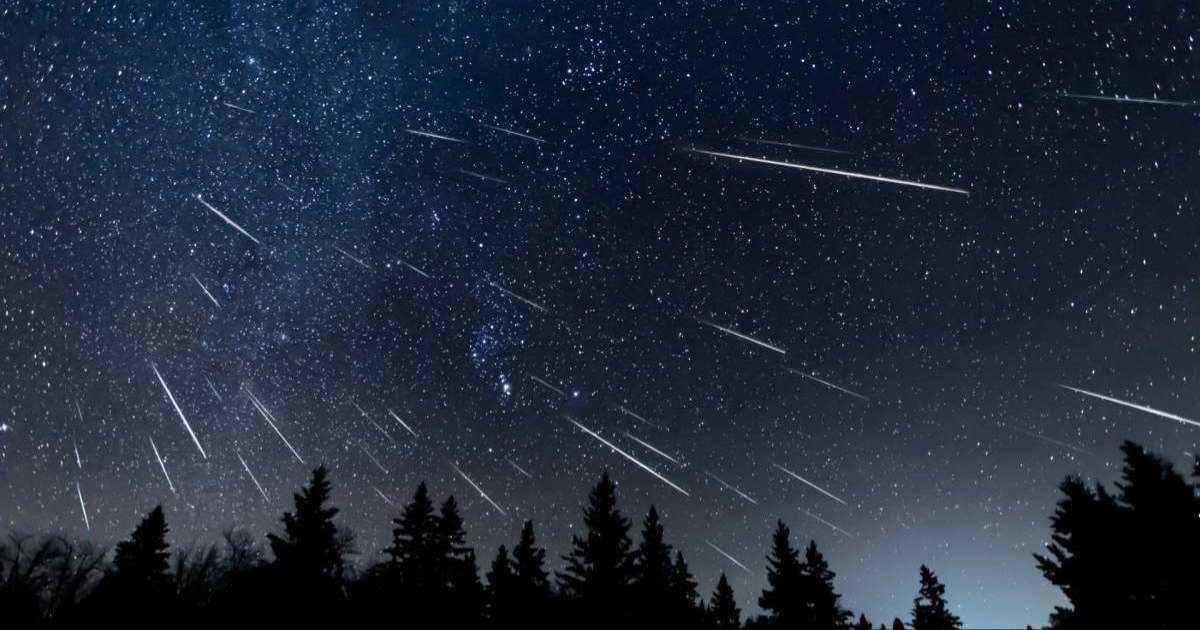
The final week of July will witness the Southern Delta Aquariids and Alpha Capricornids meteor showers at their peak. The former meteor shower is expected to be the stronger of the two, with an expected rate of up to 20 meteors per hour at its peak. According to NASA, the Southern Delta Aquariids are active from mid-July and will be visible until late August. They carry a faint tail and are best seen in the Southern Hemisphere and southern latitudes of the Northern Hemisphere.
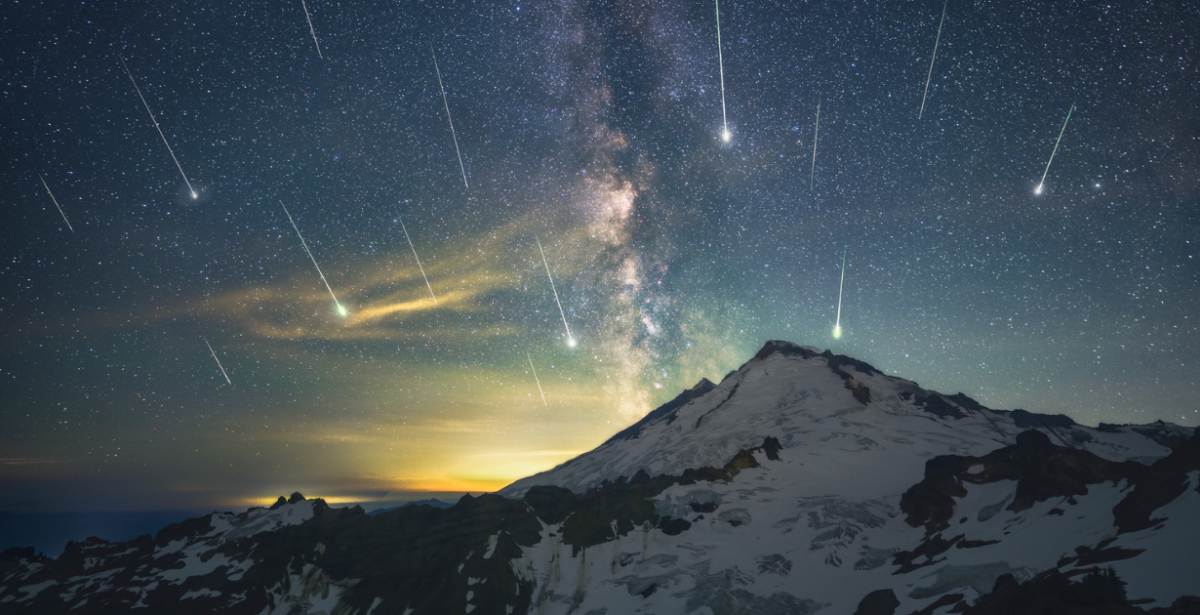
The debris in our atmosphere that interacts to create the Southern Delta Aquariids is suspected to originate from comet 96P/Machholz. This is a short-period comet that orbits the Sun once every five years and was discovered by Donald Machholz in 1986. This comet has a nucleus that is 4 miles wide and is believed to have led to the death of the dinosaurs. Meteors are remnants of comet particles and broken asteroids that emit dust, which then transform into a trail during their orbit. As Earth passes through this debris, the atmospheric interaction creates the colorful sight.
You could see a shooting star every three minutes with the Delta Aquarids meteor shower! 🌠
— Museum of Science (@museumofscience) July 21, 2025
The Delta Aquarids, known for their fast, faint yellow streaks, are active from July 18 to August 12, peaking overnight July 28 to 29 with ideal dark-sky conditions thanks to a crescent… pic.twitter.com/LdGmsXdWFk
Stargazers can catch this meteor shower in the early morning hours of the last week of July to see the elusive shooting stars. To ensure a viewing, it is better to first locate the bright star Delta Aquarii in the constellation Aquarius above the southern horizon, as per Space.com. A part of the sky 40 degrees away from the radiant point, in the direction of the local peak, should be located. The shooting stars visible in this patch of sky above our heads will have longer trails than the ones closer to the radiant. Not to mention, it will boast clear skies, favorable weather, and an absence of light pollution.
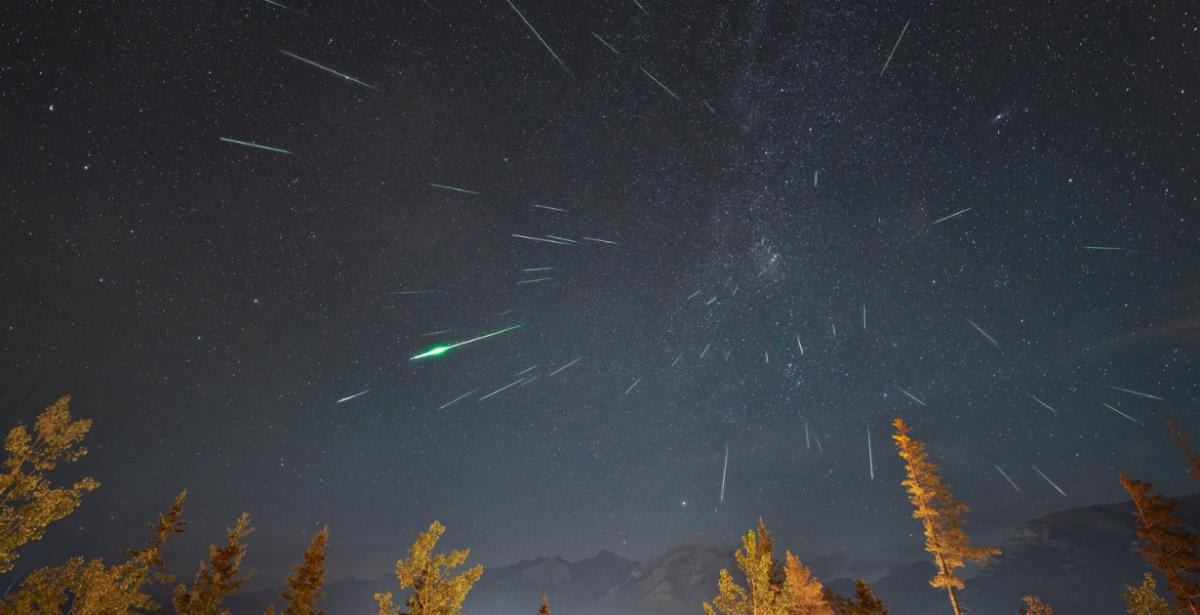
Though the Southern Delta Aquariids are the more prolific sight, the Alpha Capricornids have a distinct visuality. This meteor shower will be active from July 7 to August 15, peaking overnight on July 29-30, adding to the other five to ten meteors per hour. According to Live Science, this meteor shower has a special focus on quality as they are particularly bright, move slowly, and are largely colorful. These features make them special to observe and make it easier to differentiate from the former. These meteors are from the Comet 169P/NEAT, which is 2 miles wide and takes 4.2 years to orbit the sun.
🌠Two lesser meteor showers peak over the next week. You might be lucky to see a few.
— Amazing Astronomy (@AmazAstro) July 22, 2025
Alpha Capricornids
Infrequent, 5 per hour, but relatively bright meteors, with some fireballs. Comet origin 169P/NEAT.
Southern Delta Aquariids. Up to 25 an hour. Comet origin is not known… pic.twitter.com/GLk11NyKuM
“Meteors are like nature’s fireworks,” stated Nick Moskovitz, an astronomer at Lowell Observatory in Flagstaff, Arizona, according to Smithsonian Magazine. “They are ephemeral and beautiful. And unlike other phenomena in astronomy, they don’t require any special equipment to observe. A little patience, a clear, dark sky, and some luck are all you need,” he added. The Southern Delta Aquariids are known to pass quickly with speeds of up to 25 miles per second, or 90,000 miles per hour. However, the quantity is significantly higher than a normal shower night.
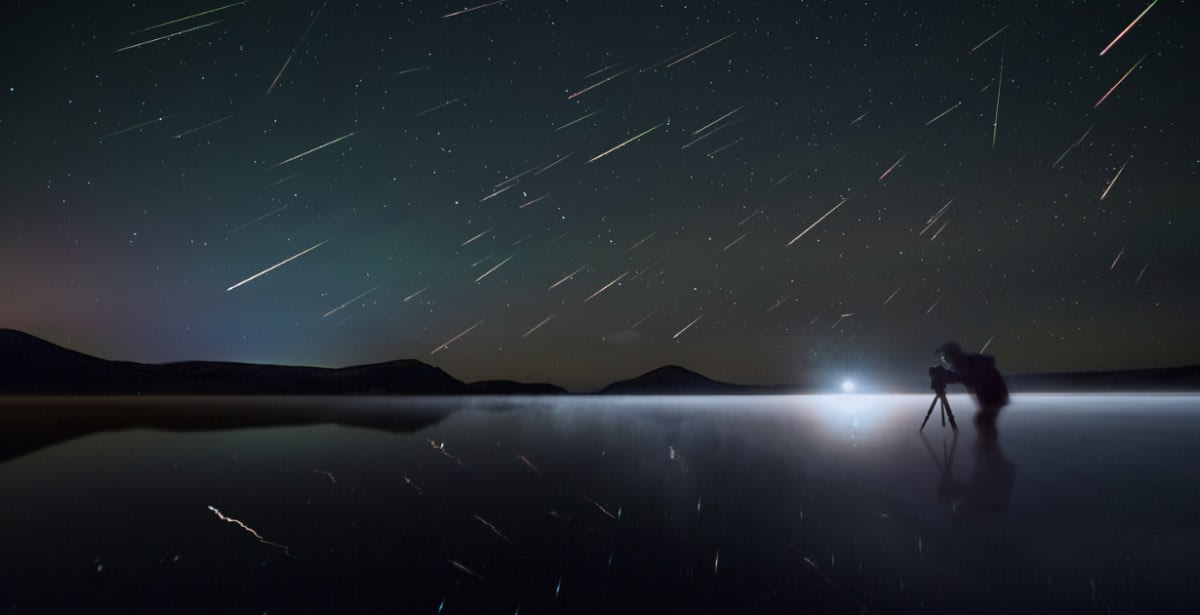
The Alpha Capricornids are considered a minor meteor shower, given their speed and quantity, but this might change in the future. This was because the debris trail that causes this shower has slowly been moving through space. “There are predictions that in about 300 years the [Alpha Capricornids] shower may become one of the major annual meteor showers,” said Moskovitz. “So, mark your calendars now for summer 2324,” he added. Astronomers and shooting star enthusiasts better be ready at the end of the month to witness a bright sky filled with celestial phenomena.