Southern Delta Aquariids set to peak in July: Date, time, how to watch—here's all you need to know
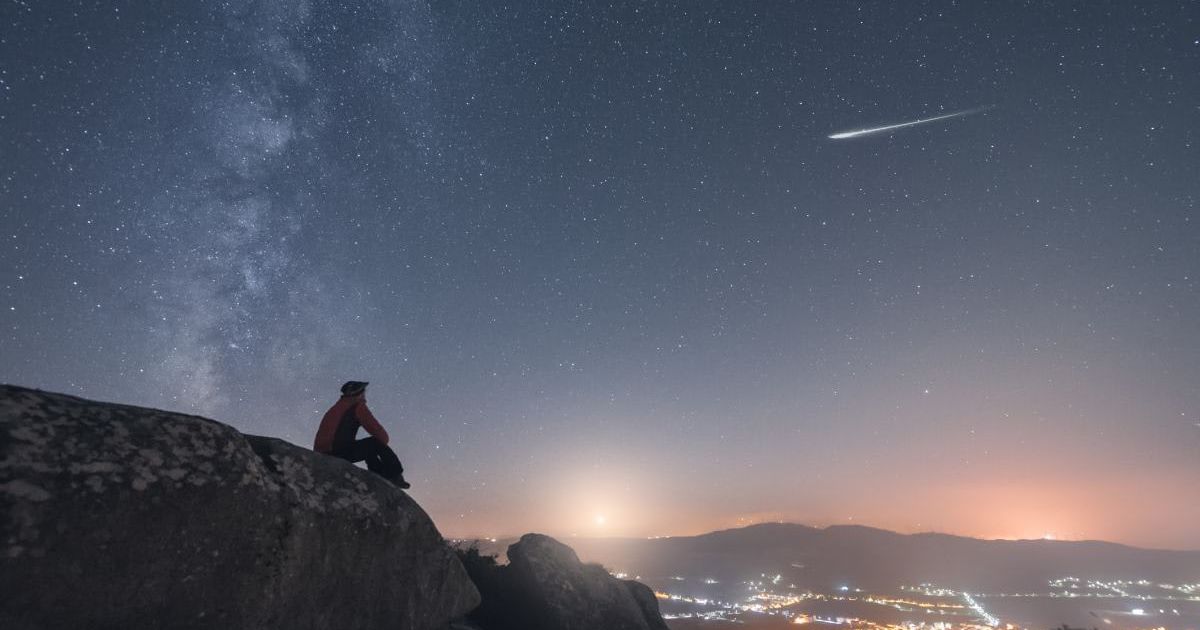
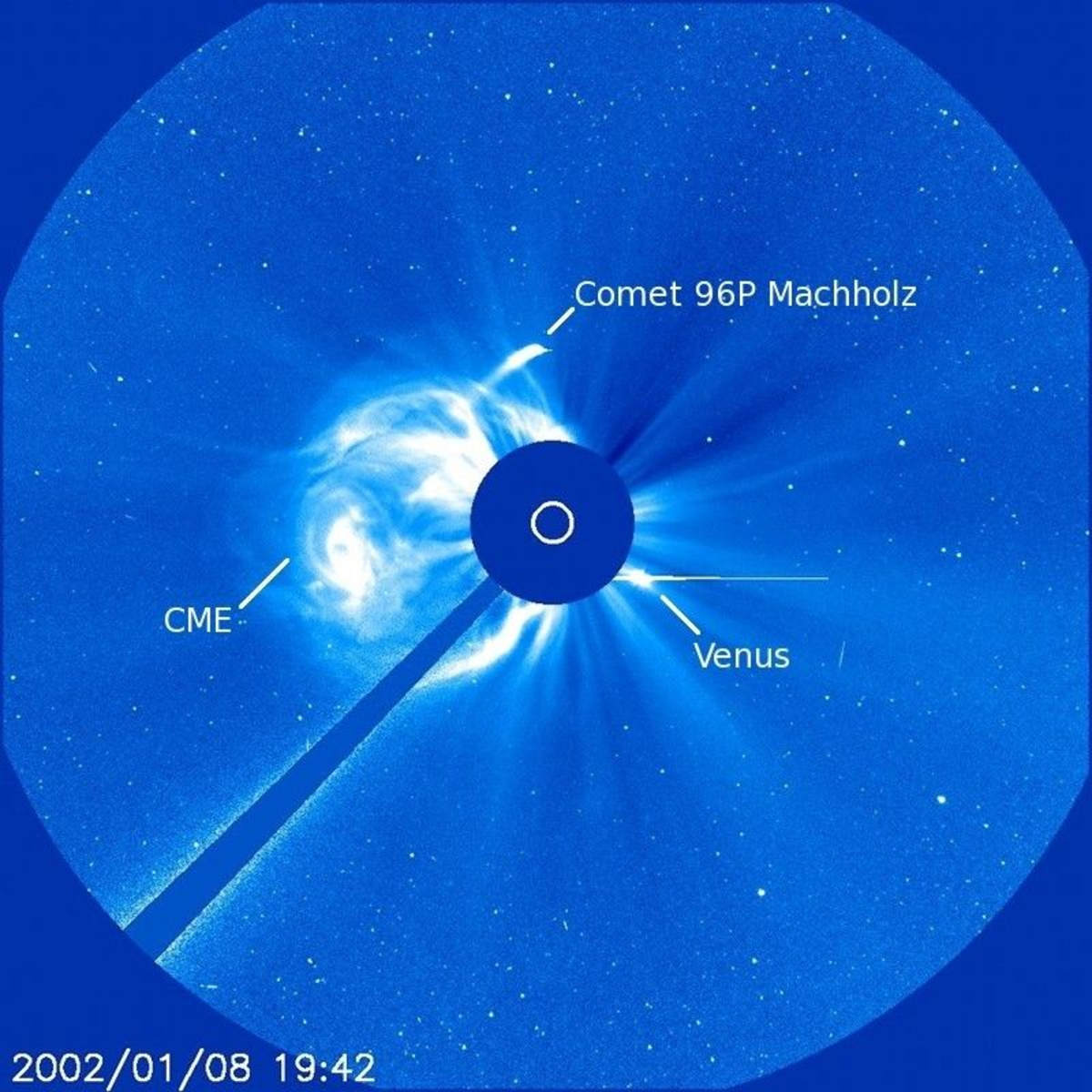
Right after the July Buck Moon, skywatchers should mark their calendars to witness one of the more reliable meteor showers of the year. Illuminating the night sky, the Southern Delta Aquariids will become active in late July. Occurring on an annual basis, the meteor shower is known to be visible from the middle of July until late August. According to NASA's Meteoroid Environment Office, the comet of origin for the Southern Delta Aquariids is suspected to be Comet 96P/Machholz. Having a meteor velocity of 25.5 miles per second, the Southern Delta Aquariids will be one of nature's spectacles for skywatchers. Here is everything you need to know about the Southern Delta Aquariids meteor shower.
When can we see the Southern Delta Aquariids meteor shower?
This year, the meteor shower will be active from July 12 to August 23, but it will hit its peak on the nights of July 30 and 31. The best time for skywatchers to witness the Southern Delta Aquariids is from late night on July 30 till the dawn of the next day. Interested observers can keep a close eye on the night sky from 11:00 PM EDT to roughly 4:00-5:00 AM EDT on the mentioned dates. One of the unique properties of this celestial event is that the Southern Delta Aquariids do not shoot out bright fireballs. Instead, they are notoriously faint and rapid meteors. Only about 5 to 10 percent of them leave persistent trains—brief, glowing trails of ionized gas—meaning space enthusiasts will need sharp eyes to catch them darting along the night sky.
Where to watch the Southern Delta Aquariids meteor shower?
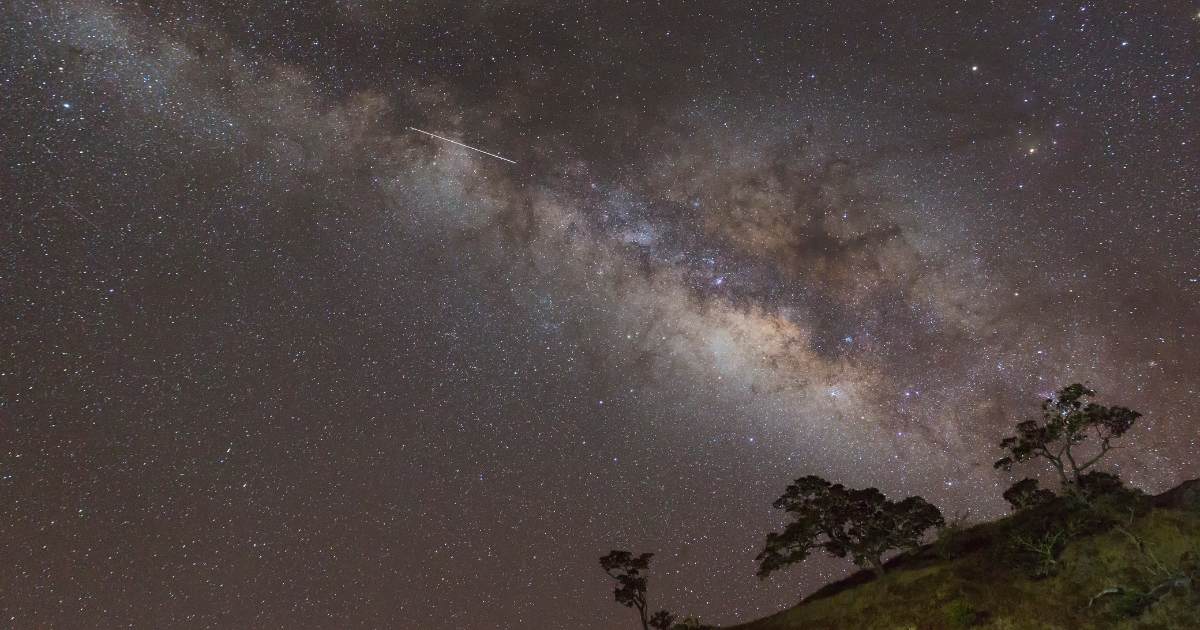
The meteor shower can be witnessed from all over the world. However, for people living in the Southern Hemisphere, the conditions for watching the Delta Aquariids will be optimal. As the radiant will rise high above the southern horizon, the viewing conditions will be the brightest. As reported by Earth Sky, 15-20 shooting stars on average can be visible in an hour under ideal, pitch-dark skies. Meanwhile, countries from the Northern Hemisphere can also witness the phenomenon. However, in this scenario, the meteor radiant will be closer to the horizon, which would require skywatchers in these particular regions to find some elevated locations without an obstructed skyline to get a proper glimpse at the Southern Delta Aquariids.
More on the Southern Delta Aquariids
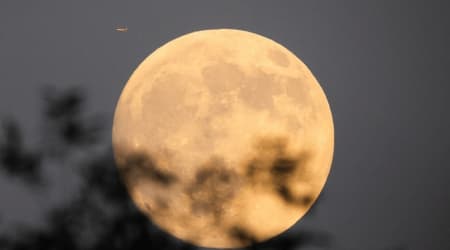
One of the biggest requirements for skywatching at night is a pitch-dark sky with minimal interference from artificial light. On average, the human eye takes up to half an hour to adapt to the dark conditions. Unfortunately, this year, the conditions to watch the meteor shower will be quite challenging. With the Full Buck Moon happening just a day prior to the shower peak, the moonlight interference will be extreme. The Moon will still be over 98% illuminated (a massive waning gibbous), casting a bright glare that will wash out most of the faint streaks. To watch the Southern Delta Aquariids, a binocular or a telescope is not required; in fact, their narrow fields of view make them counterproductive. One can spot the meteors in the night sky with the naked eye. However, if skywatchers miss the July window to observe the Delta Aquariids or are thwarted by the moonlight, they can give it a try again during August's Perseids. Meteors coming from the direction of the Aquarius constellation would be the Delta Aquariids, while the Perseids have their radiant in the northern part of the sky.
More on Starlust:
June Bootids 2026: All about one of the most unpredictable meteor showers—when and how to watch
Skywatching tips for May 2026: What's next after the Flower Moon and the Eta Aquariids?
Caught on CCTV: Fireball meteorite that lit up northern Europe