Total solar eclipse 2026: When and where to livestream the spectacular event on August 12
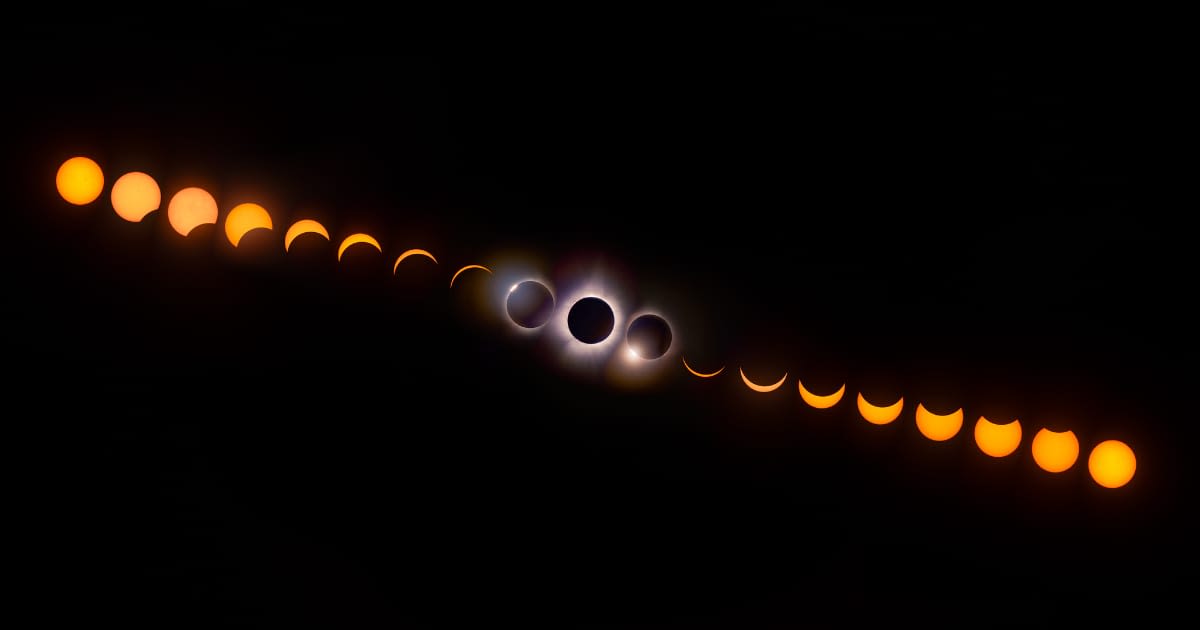
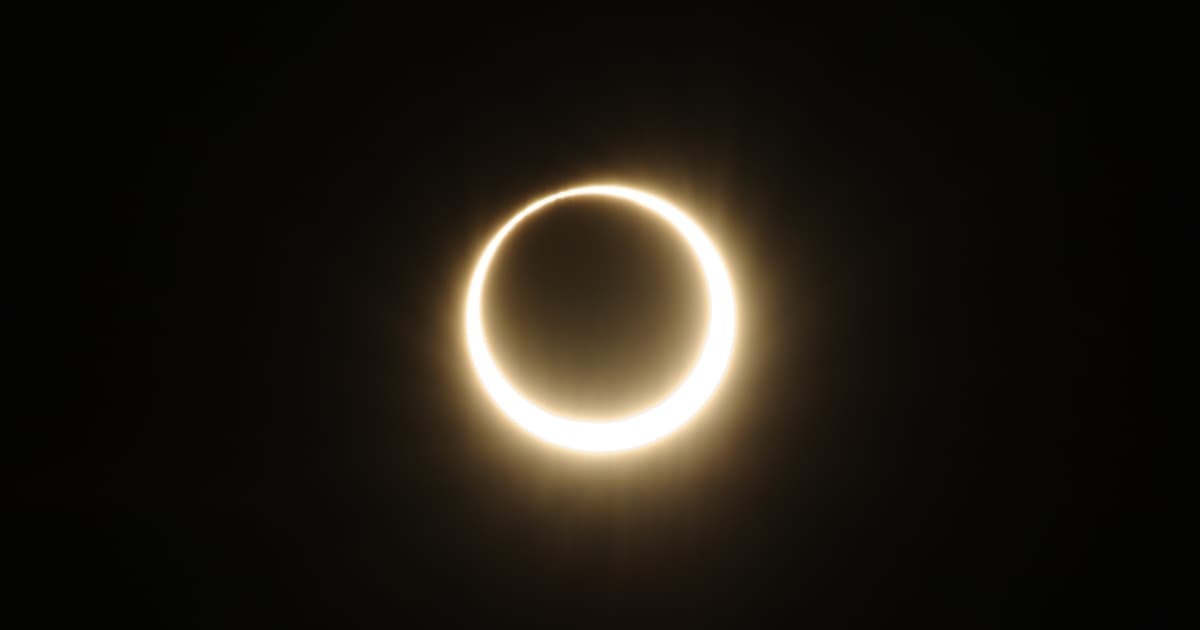
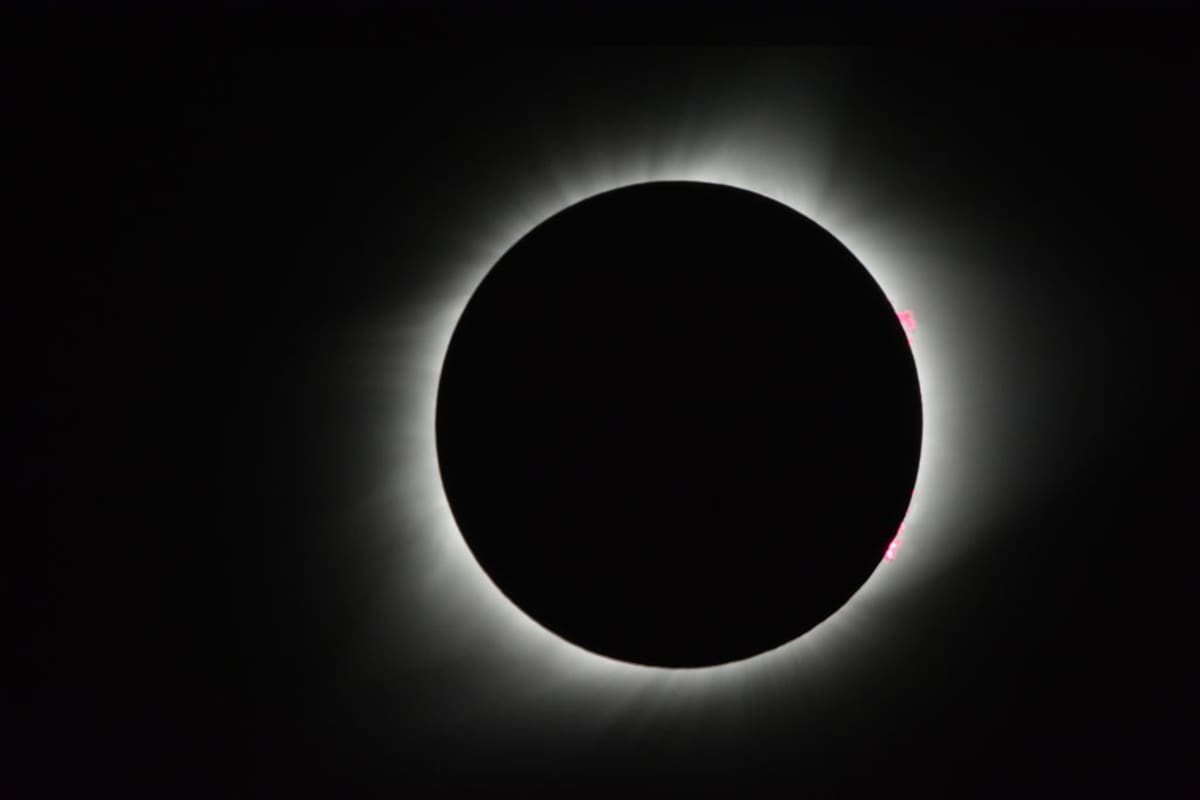
The August 12, 2026, total solar eclipse is almost upon us, and the event will give skywatchers in some regions of the world spectacular views of an eclipsed Sun. While northern Russia, Spain, Iceland, Greenland, and a tiny portion of Portugal will be able to witness totality, several other parts of the world will only experience a partial solar eclipse.

If you fall among the countless people who may not have a direct view of the total solar eclipse, or if weather conditions or other factors hamper your ability to witness it, worry not—several platforms will livestream the total solar eclipse so you can watch it wherever you are. Here is a list of platforms where you can catch the Sun getting eclipsed by the shadow of the Moon.
Where to livestream the total solar eclipse of August 12?
Starlust: We, at Starlust.org, will be livestreaming the total solar eclipse of August 12 on our Facebook page. Starting at 12 pm EDT (16:00 UTC), our live coverage will include views from Spain, Germany, Norway, Iceland, the UK, Italy, Canada, and the U.S.
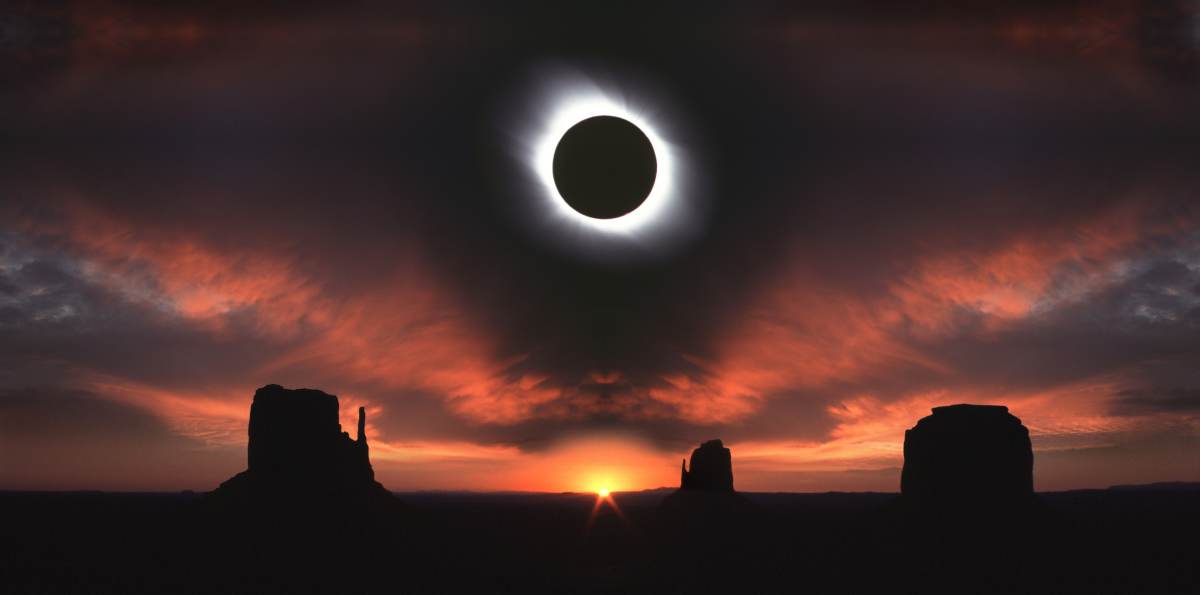
NASA: NASA, of course, will be hosting its own livestream of the August 12 total solar eclipse, with coverage beginning at 1:15 pm EDT (17:15 UTC). NASA's livestream will involve views from cameras placed along the full path of the eclipse. The coverage will not only be available on NASA+, but can also be watched on their YouTube channel, as well as on X, Facebook, Instagram, Amazon Prime, and Netflix.
European Space Agency (ESA): Like its American counterpart, the ESA will also host a livestream of the August 12 total solar eclipse, with the stream slated to begin at 1:30 pm EDT (17:30 UTC). The ESA's YouTube stream will feature live views from telescopes at the Observatorio Astrofísico de Javalambre in Spain's Teruel, which falls directly in the path of totality.
Royal Observatory Greenwich: The historic observatory near London will host not one but two simultaneous livestreams on YouTube, but will only provide live views of the partial solar eclipse, being away from the path of totality. Both livestreams will begin at 1:15 pm EDT (17:15 UTC), and the first one will be presented by Royal Observatory astronomer Greg Brown. The second, meanwhile, will be a silent livestream that will showcase the spectacle with no accompanying audio.

The Virtual Telescope Project: This platform, which provides people with live views of the sky, will also host a livestream of the August 12 total solar eclipse, with the stream kicking off at 1:20 pm EDT (17:20 UTC). This YouTube stream will provide viewers with live views from telescopes in Manciano, Italy, where a partial eclipse will be seen. It will also have live views from Spain, which will showcase the total eclipse in all its glory.
Time and Date: Another platform that will livestream the total solar eclipse, Time and Date's stream will be available on YouTube and will begin at 12 pm EDT (16:00 UTC). This livestream will provide views from Leon and Mallorca in Spain and will also feature live commentary from journalist Anne Buckle and astrophysicist Graham Jones, who have been hosting the platform's live eclipse broadcasts since 2017.
More about the August 12 total solar eclipse
The August 12 total solar eclipse will be the first total solar eclipse visible from mainland Europe since 1999. For exhaustive details regarding time, best viewing locations, and other information, click here.
More on Starlust:
Total solar eclipse 2026: 10 amazing things to see during this rare celestial event
Total solar eclipse 2026: 5 reasons why you must not miss the cosmic event on August 12