August 2026 skywatching: lesser-known meteor showers worth catching this month

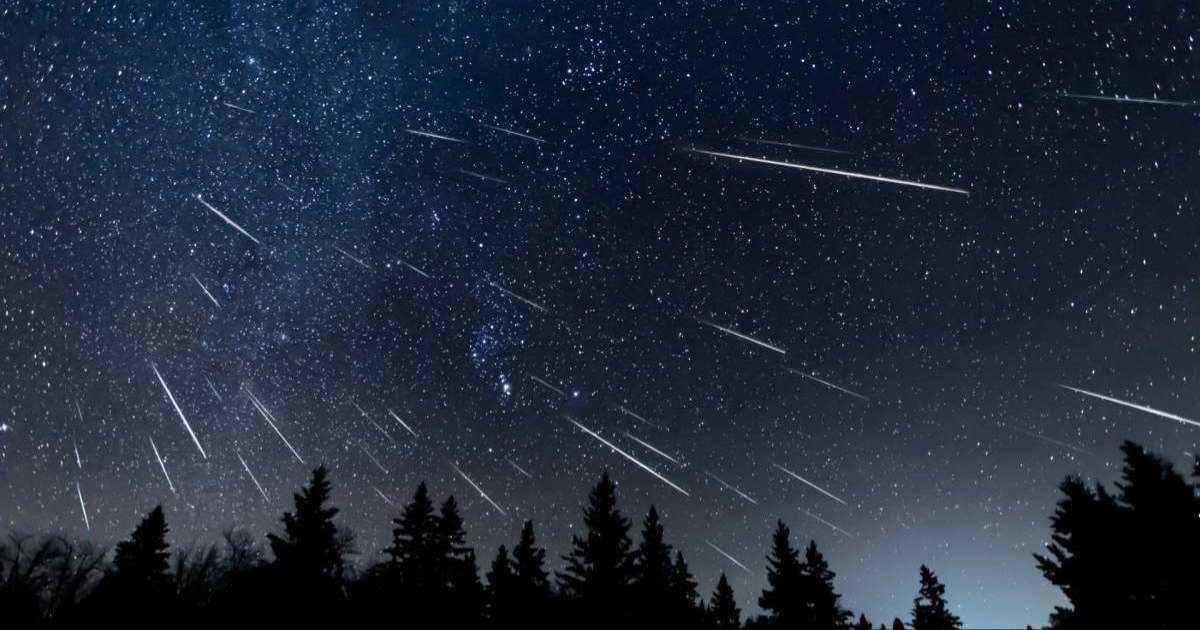
The Perseid meteor shower gets all the attention every August, and for good reason. But they're not the only meteors streaking this season. Between mid-July and late August, Earth passes through many lesser-known trails of debris left behind by comets and asteroids that cause its own smaller meteor shower, though they won’t match the number of Perseids. Those who are curious to look may be able to spot a few in the night sky.
Capricornids
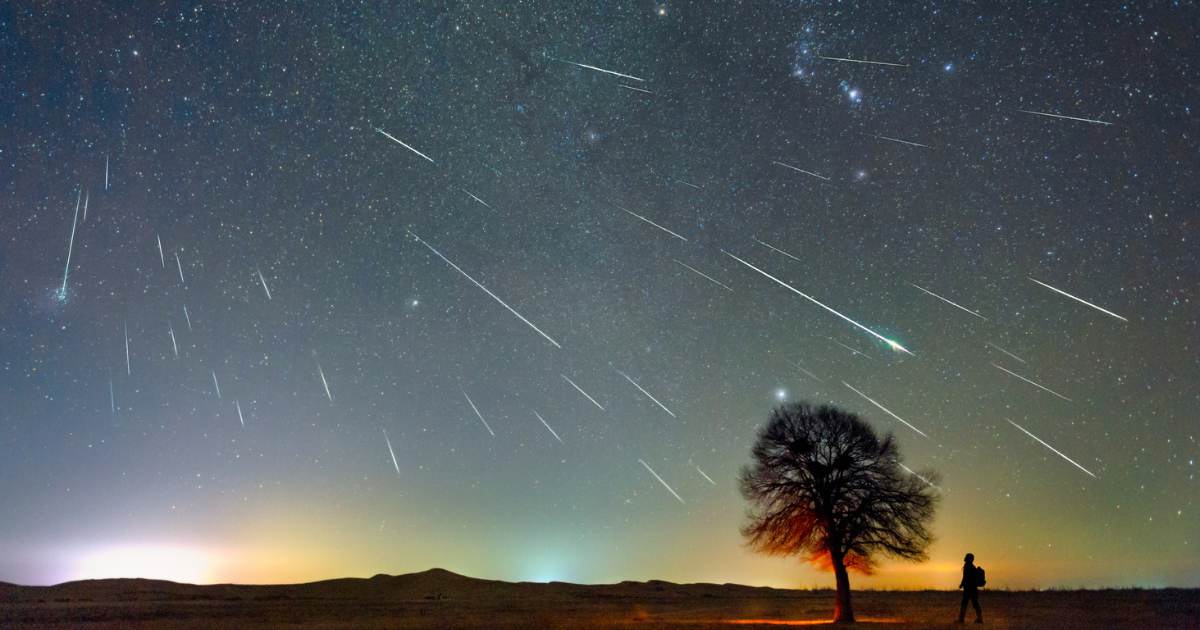
While we have already missed the peak in July, this one will still be visible till August 15, 2026. However, this meteor shower only produces a handful of bright meteors an hour, so most of what you spot will likely belong to a different shower or be a random "sporadic" meteor. The radiant, or the point in the sky the meteors appear to come from, climbs highest in the south around 2 a.m. local daylight time.
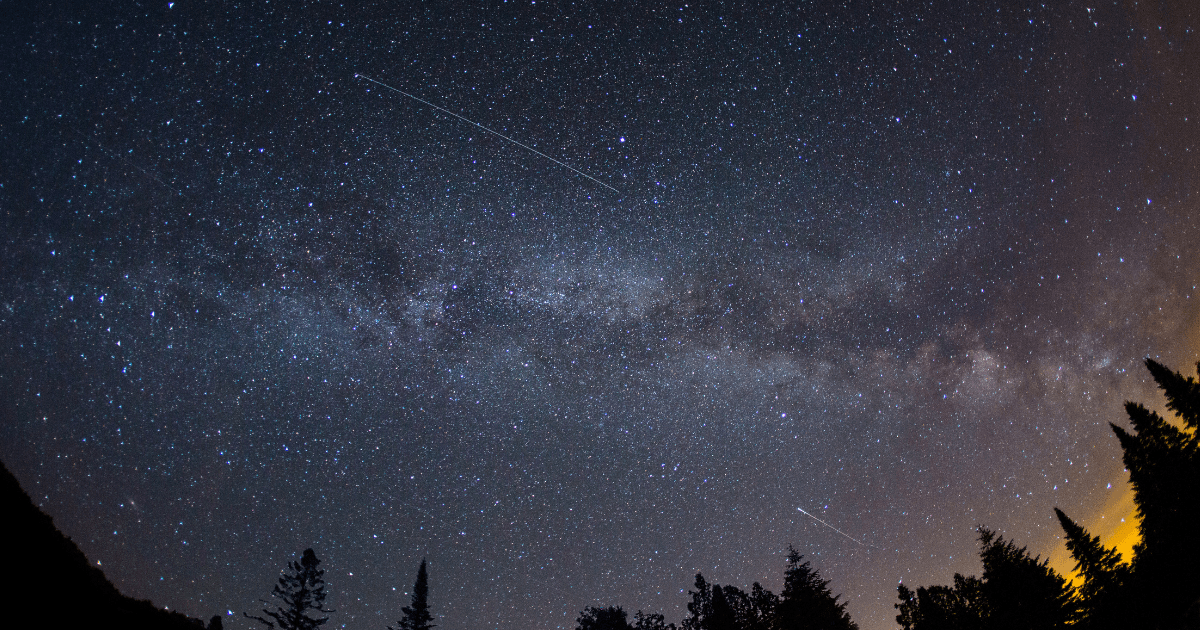
As per the American Meteor Society, “this shower is not very strong and rarely produces in excess of 5 shower members per hour. What is notable about this shower is the number of bright fireballs produced during its activity period.”
Delta Aquariids
The Delta Aquarids are the strongest of July's showers. But don’t worry, they are still active till August 23, 2026. These showers are capable of producing two or three dozen meteors an hour under good conditions. They actually come from two separate radiant points. Most meteors are faint, and only a small share (about 5-10%) leave glowing trails behind them. EarthSky notes that this one will be highest around 2 a.m., and be low in the sky by dawn.

“These meteors produce good rates for a week centered on the night of maximum. These are usually faint meteors that lack both persistent trains and fireballs. In 2027, a slender waning crescent moon will be present in the morning, causing minimal interference,” as per the American Meteor Society.
Kappa Cygnids
This final shower runs from August 3 to August 25, with a peak on August 17, 2026, as per Space.com. The rate of showers is low, only about four meteors an hour, but the shower is known for slow, flaring fireballs that reward patient watchers. Its radiant sits nearly overhead (north of the star Kappa Cygni), about 80 degrees high, around 10 p.m. local time. A thin, waxing crescent moon will be low in the sky and setting soon after, so it won't get in the way much.
Are these meteor showers worth watching?
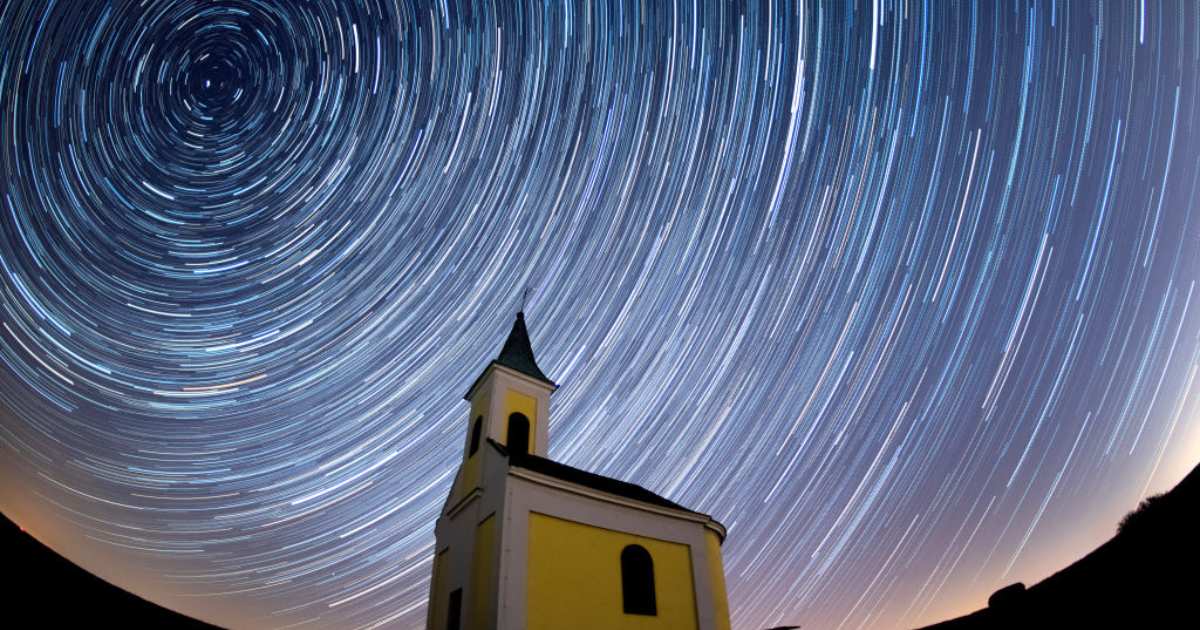
These minor meteor showers are worth watching for those who enjoy patient skywatching events and gazing at the night sky. It’s important to note that they won’t be as bright and strong as the Perseids, and may not be as visible. Many factors can make them hard to spot, such as bright moonlight on peak nights or meteors blending in with other showers.
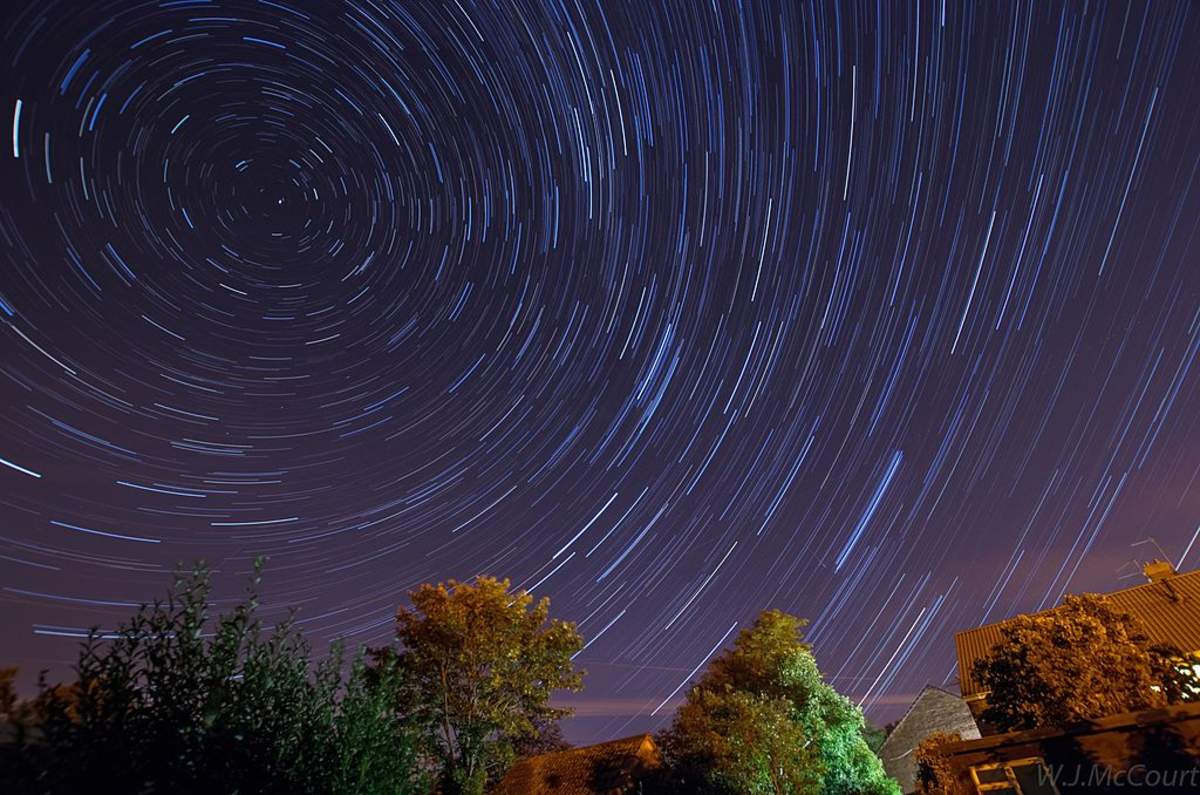
In the coming months, skywatchers will also be able to view Orionids, with a period of activity expected from October 02 to November 07, as per the American Meteor Society, followed by Northern Taurids from October 20 to December 10, 2026. Next up, we have Southern Taurids starting from September 20, Leonids from November 06, and Geminids, Ursids and Quadrantids all starting their activity period from December 2026, with Quadrantids lasting till January 2027.
More on Starlust
Total solar eclipse 2026: 10 amazing things to see during this rare celestial event
What is a Total Solar Eclipse? How it works, its history and why it still matters today