Fireball 16 times brighter than Venus seen streaking across multiple U.S. states on June 14
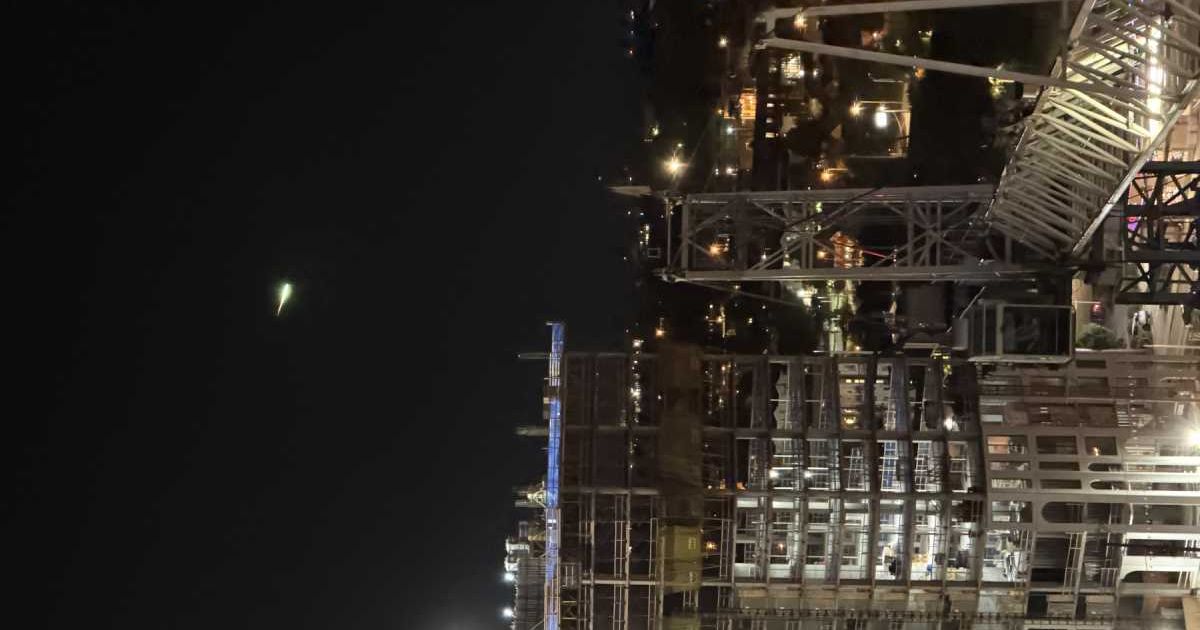
A bright fireball was seen in the skies over several southeastern U.S. states on the night of Sunday, June 14. The meteor, designated 4372-2026 by the American Meteor Society, was first seen above the city of Tupelo in Mississippi at 10:26 p.m. CDT (11:26 p.m. EDT), moving northwest at a speed of 56,000 miles per hour.
Hey Huntsville, did you see that meteor streak across the sky last night?! ☄️
— NASA Marshall (@NASA_Marshall) June 15, 2026
This fireball traveled from Mississippi to Missouri, and we captured it using one of our #NASAMarshall meteor cameras in Huntsville, Ala., at 10:26 p.m. CDT.
🔗More on meteors: https://t.co/DfS5jajCrW pic.twitter.com/O1HkV0UUFr
According to NASA, the fireball was caused by a piece of an asteroid that was about three inches in diameter and weighed about a pound. Despite its small size, however, the fireball was 16 times brighter than the planet Venus at its peak. It was seen by hundreds of people across Alabama, Arkansas, Georgia, Iowa, Illinois, Kentucky, Kansas, Missouri, and, of course, Mississippi, among other states in the U.S. It had traveled 300 miles through the atmosphere before finally breaking up 34 miles above the Mark Twain National Forest in Missouri. Because it was too small and was moving too fast, it did not produce any meteorites.
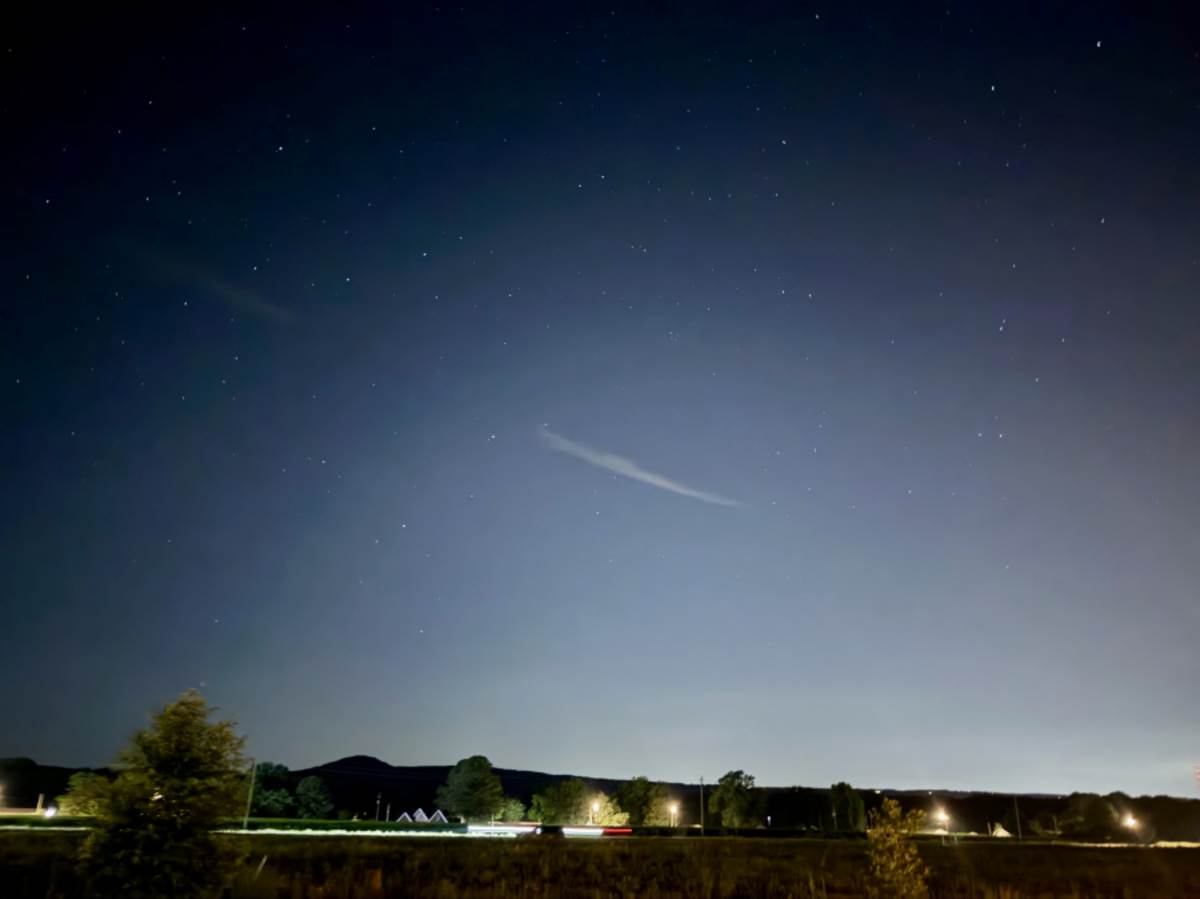
No audible booms were reported either, unlike those heard from another recent meteor that exploded above Ohio in March and the one that rattled residents in Massachusetts later in the same month. The objects associated with those loud booms were, however, much bigger than the one that was seen on Sunday.
#MeteorSighting: Eyewitnesses in several U.S. states across the southeast reported a bright fireball on the night of June 14 at 10:26 p.m. CDT. The meteor, which was also captured by three NASA meteor cameras, was first spotted above Tupelo, Mississippi, moving to the northwest… pic.twitter.com/zCgAFD4wyr
— NASA Space Alerts (@NASASpaceAlerts) June 15, 2026
The month of March also saw a meteorite crash through the roof of a home in Koblenz, Germany. Fortunately, no one was reported to have been hurt at the time. And as worrying as it may sound, a meteorite crashing into a populated area is not that common. NASA states that less than 5% of the original meteoroids usually survive the fall to Earth, as they are pulverized by the pressure exerted by Earth's atmosphere.
More on Starlust
Raining gold: What scientists found in a meteorite impact crater in Western Australia
Meteorite in Africa has evidence of 3 impact events—one of them was big enough to melt the Moon