Best astronomy events of summer 2026: Buck Moon, total solar eclipse and more celestial shows
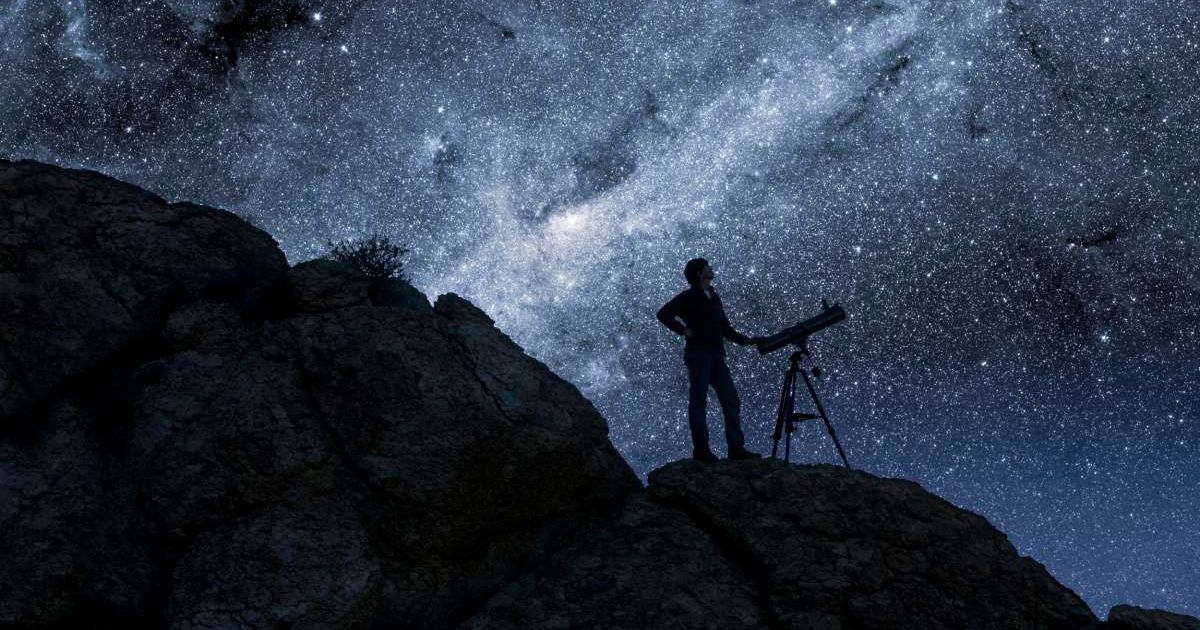
Following the summer solstice on June 21, 2026, the summer sky will be ideal for skywatchers to witness some spectacular astronomical events. Skywatchers can look up to observe brilliant full moons, scenic meteor showers, and even a rare total solar eclipse depending on their location. Here are some of the skywatching events that will take place in the next couple of months.
Buck Moon
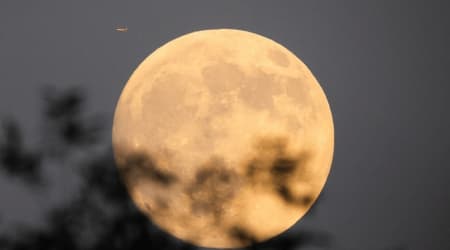
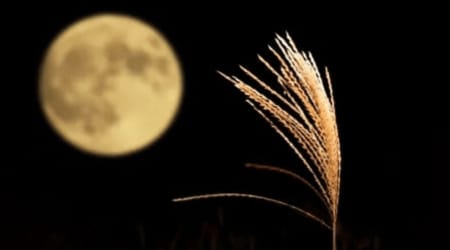
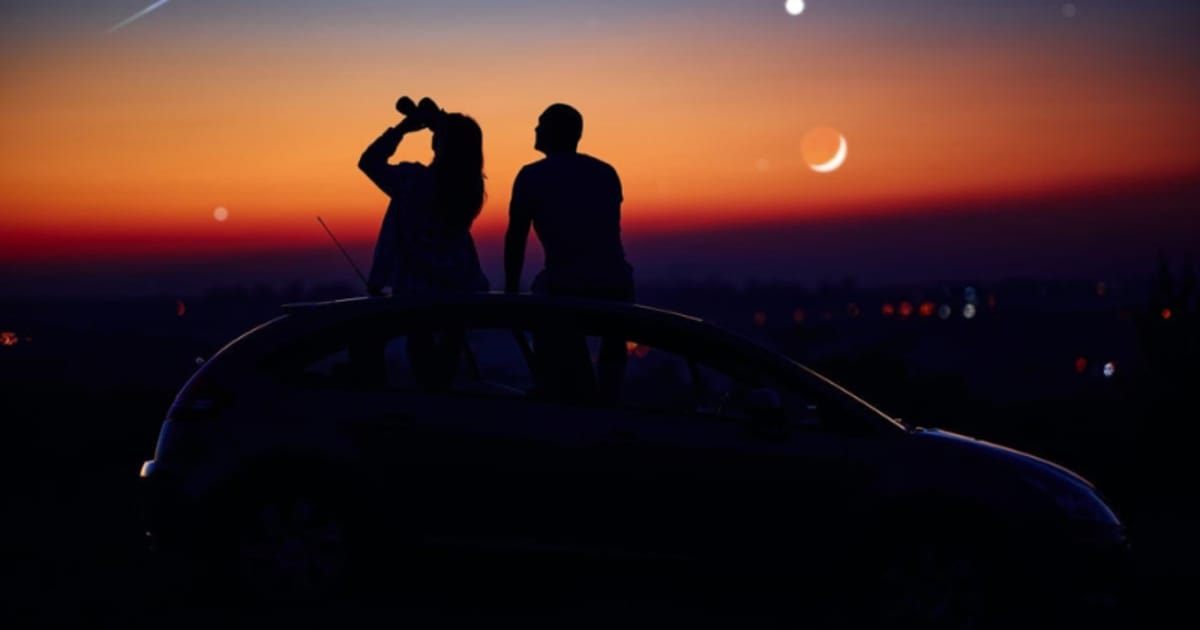
On Wednesday, July 29, 2026, the full Buck Moon will be visible in the night sky. According to ‘The Old Farmer’s Almanac,’ while there will be no changes in the full moon’s appearance, the ‘Buck Moon’ got its name from the rapidly growing antlers of male deer, or bucks, during this time of year. Noticing such a sudden spurt in antler growth, Native American tribes used it to name July’s full moon. Skywatchers and others who wish to observe the phenomenon should head to an open space with minimal interference from artificial city lights. ‘The Old Farmer’s Almanac’ lists the July full moon’s peak illumination at 10:36 AM ET. Using binoculars or a telescope, interested observers must observe the southeast sky closely after moonrise for the best view.

International Space Station
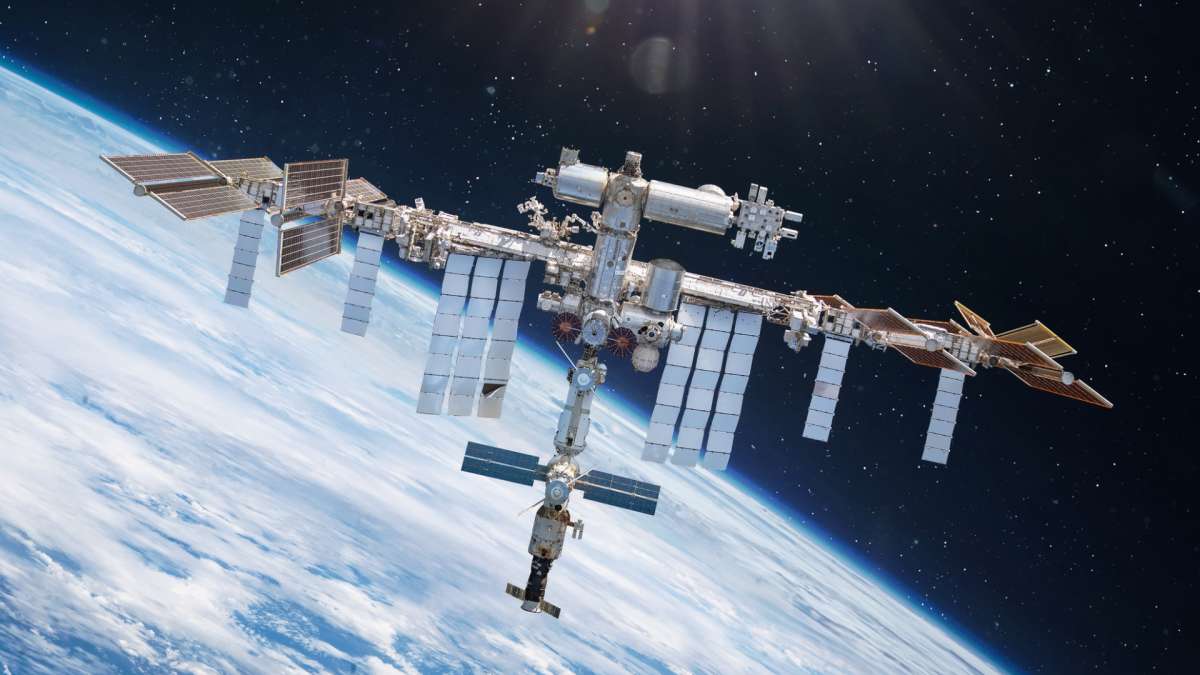
Back on November 2, 2025, the International Space Station completed twenty-five glorious years of hosting humans in space. This marked a significant leap in humanity’s scientific advancement. Serving as a microgravity laboratory, the ISS has made it possible for humans to live and work outside of our blue planet. Interestingly, the summer sky will provide the cleanest view of the ISS. During this time, the Sun is closer to the horizon due to shorter midsummer nights. This allows the ISS to get prolonged periods of sunlight, enabling skywatchers to catch a clear glimpse of the station orbiting high above our planet. Situated 250 miles above the Earth, the ISS orbits the planet at 17,500 miles per hour. Due to its speed, the ISS is able to make 16 orbits of the Earth daily, enabling skywatchers to catch several glimpses of it in a single night.
Total Solar Eclipse
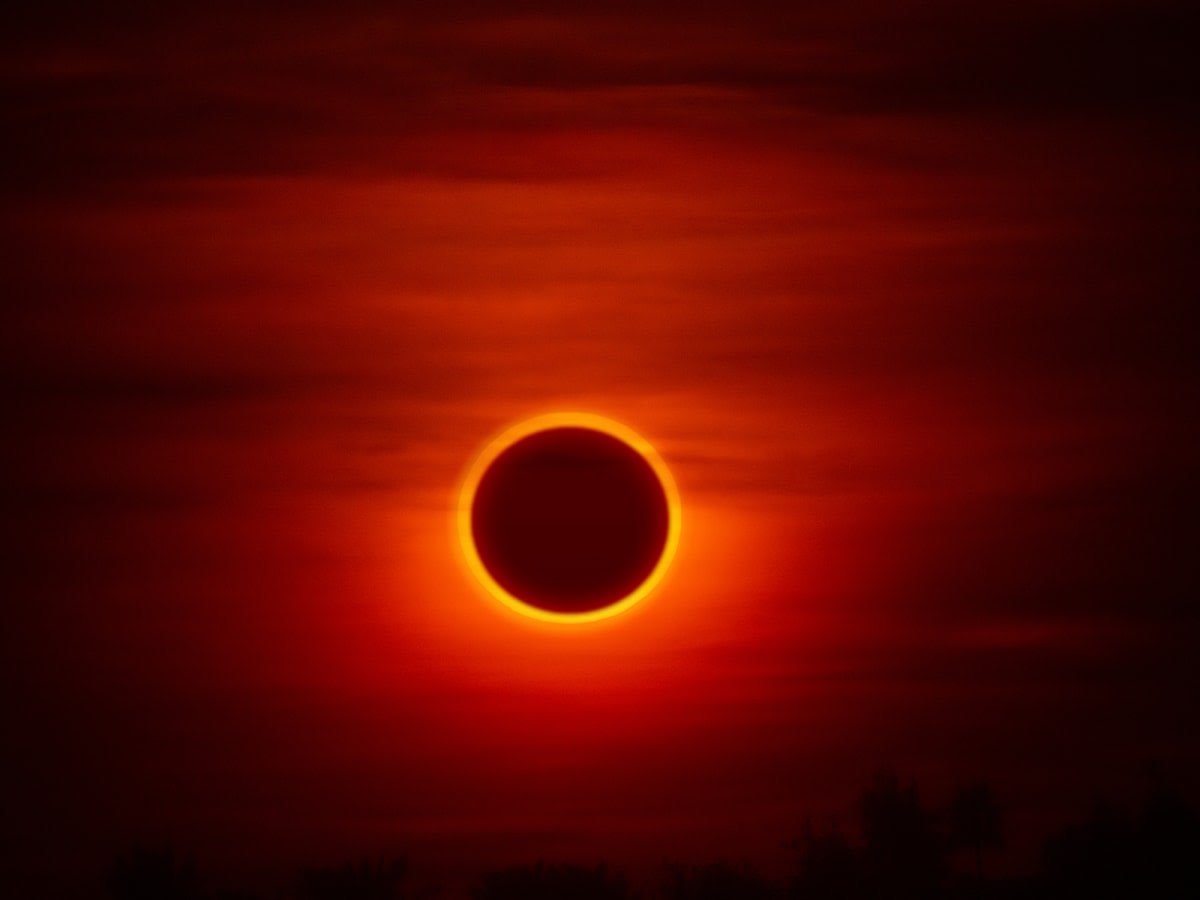
On Earth, total solar eclipses take place at an approximate interval of 18 months. However, a total solar eclipse becomes a rare occurrence for people trying to witness it from one particular location. The average interval of a total solar eclipse visible from a single spot is 400 years. Thankfully, while totality will cross Greenland, Iceland, and Northern Spain on August 12, 2026, observers in the United Kingdom will still be treated to an impressive partial solar eclipse. This event will see the Moon cover the Sun by almost 90% at its peak. For people in London, the partial solar eclipse will start around 18:17 BST, with its peak coming at around 19:13 BST. For skywatchers viewing the phenomenon from Northern Spain, Iceland, and Greenland, they will experience totality. During the viewing, adequate precautions must be taken. Skywatchers must use a pinhole projector or eclipse glasses instead of looking directly into the Sun. The next total eclipse for the UK will take place in 2090.
Perseid Meteor Shower
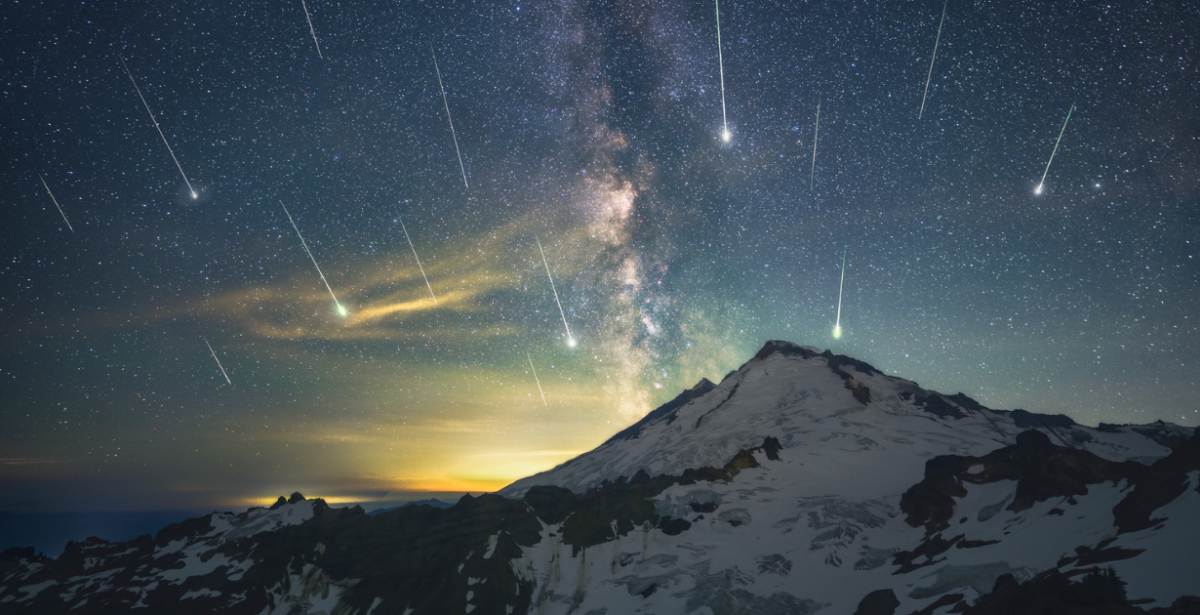
The Perseid meteor shower is arguably the most popular meteor shower of the year. This year, it will remain active from July 17 to August 23. Peaking on August 12 and 13, 2026, this phenomenon will allow skywatchers to catch a spectacular sight of the night sky. The Perseid meteor shower originates from Comet 109P/Swift-Tuttle, with the constellation Perseus as its radiant. According to NASA, the Perseids can produce 50 to 100 meteors per hour with a velocity of 37 miles per second. When catching the spectacular phenomenon, skygazers must get away from the city lights for a perfectly dark, nighttime sky. Known for its ‘fireball’ meteors, the Perseid meteor shower produces streaks that persist longer than the average meteor.
Partial Lunar Eclipse
On August 28, 2026, people in the UK will witness a partial lunar eclipse. Skywatchers in London can observe the occurrence beginning at 03:33 BST and peaking at 05:12 BST. During this period, approximately 93% of the Moon will be consumed by the darkest part of our Earth’s shadow in space, the umbra. For those interested in witnessing the phenomenon, binoculars and telescopes can be of great help. However, with the Moon sinking lower into the horizon as the eclipse progresses, skygazers must opt for a clear south-west view for the event.
More on Starlust:
Southern Delta Aquariids set to peak in July: Date, time, how to watch—here's all you need to know
June Bootids 2026: All about one of the most unpredictable meteor showers—when and how to watch
August 12, 2026 total solar eclipse to bring rare sunset spectacle—check the best viewing locations