Total Solar Eclipse 2026: Date, time, viewing locations, and safety measures—all you need to know
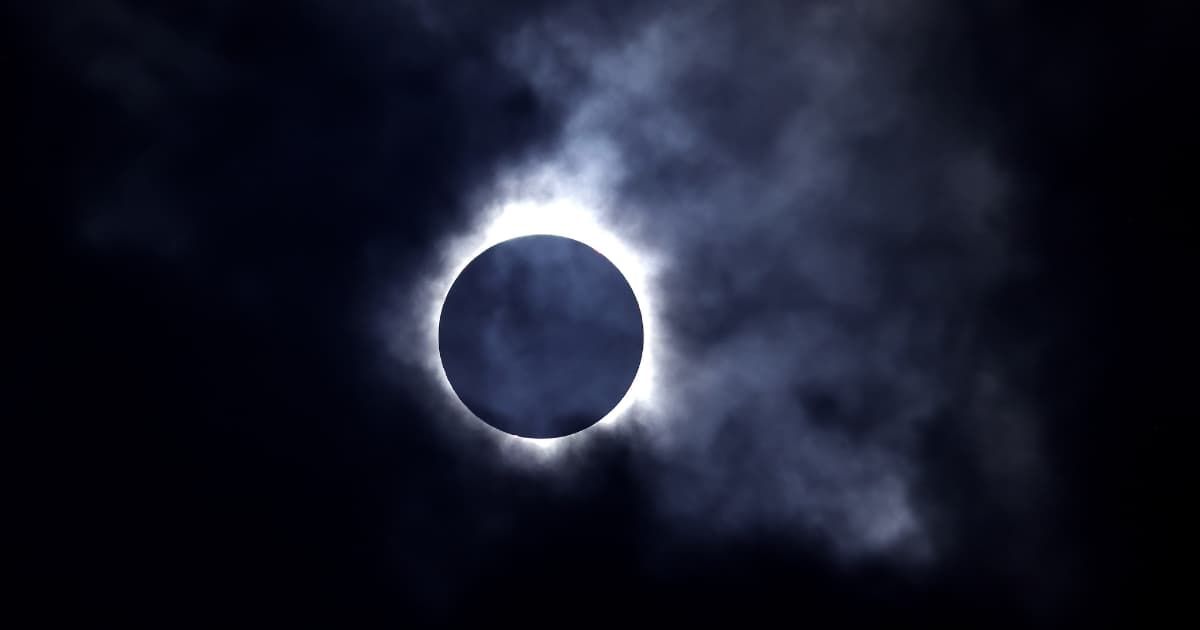
The next total solar eclipse will happen on August 12, 2026. Marking the first such event since the heavily viewed April 2024 eclipse across North America, this celestial phenomenon will shift its focus to mainland Europe.

When will the total solar eclipse take place?
The August 12, 2026, total solar eclipse will start its path over the Arctic coastline at approximately 1 PM ET, according to EarthSky. With the narrow path of totality spanning 5,157 miles, the moon's shadow will sweep near the North Pole, down through Greenland and Iceland, and across Spain, Portugal, and a remote sliver of northern Russia. According to NASA, totality in the Spanish cities of León, Zaragoza, and Valencia will commence at 8:28 PM, 8:29 PM, and 8:32 PM local time respectively, while viewers in Reykjavík, Iceland, will experience it at 5:48 PM. The maximum duration of totality for this eclipse will be a relatively brief 2 minutes and 18 seconds.

In the remote region of northern Russia, totality will occur midday. Contrastingly, in Greenland and Iceland, the Sun will go dark in the late afternoon or early evening hours. For Spain and the northwestern parts of Portugal, totality won’t take place until just before sunset. Despite the low angle on the horizon, the sky will darken enough for skywatchers to spot the Sun's faint corona—its outer atmosphere of superheated, glowing plasma. Interestingly, the August 2026 event marks the beginning of an exciting string of eclipses. Often touted as a "golden age of eclipses" for the region, the following total solar eclipse will happen exactly a year later, on August 2, 2027, plunging parts of North Africa, Saudi Arabia, Yemen, and southern Spain into daytime darkness, as per NASA.
Will the total solar eclipse be live-streamed?
Yes, the August 12, 2026, total solar eclipse will be streamed live on YouTube by major space agencies and astronomy organizations, and you can tune in to watch it.
How to safely view the eclipse
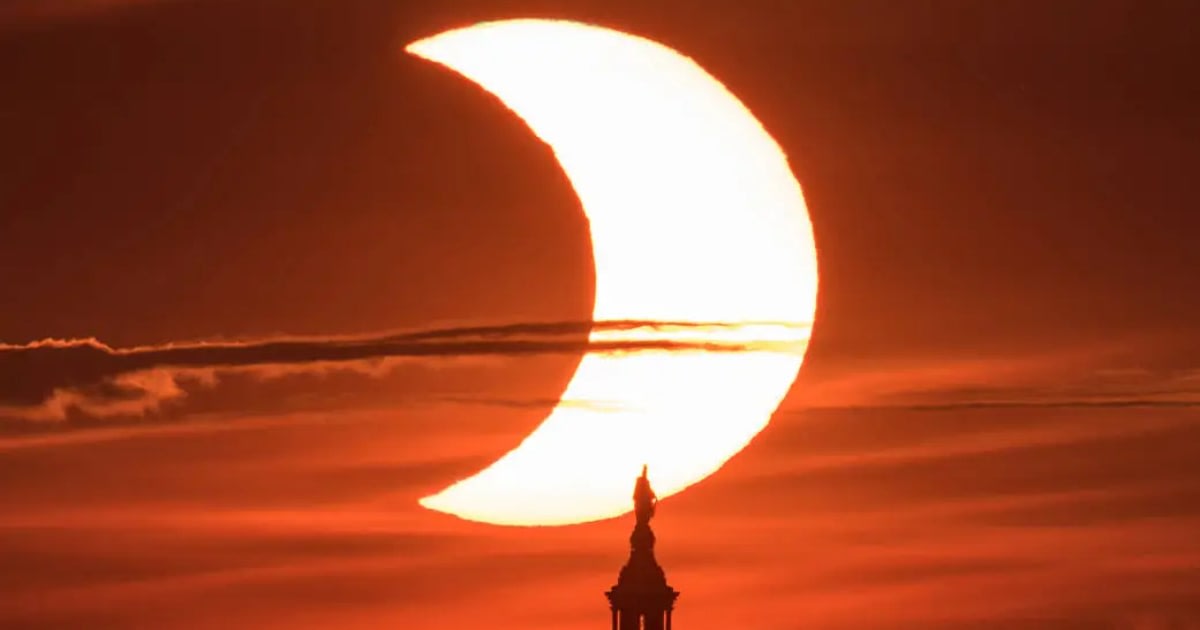
Eye safety is paramount when viewing a solar eclipse. Only during the brief period of totality, when the moon completely blocks the Sun's bright face, can skywatchers look directly at the eclipse with the naked eye without any risk to their vision. For the rest of the time, before and after totality, suitable eye protection must be used to avoid damage. Under no circumstances should viewers stare at the partial phases of the eclipse without taking care to protect their vision.
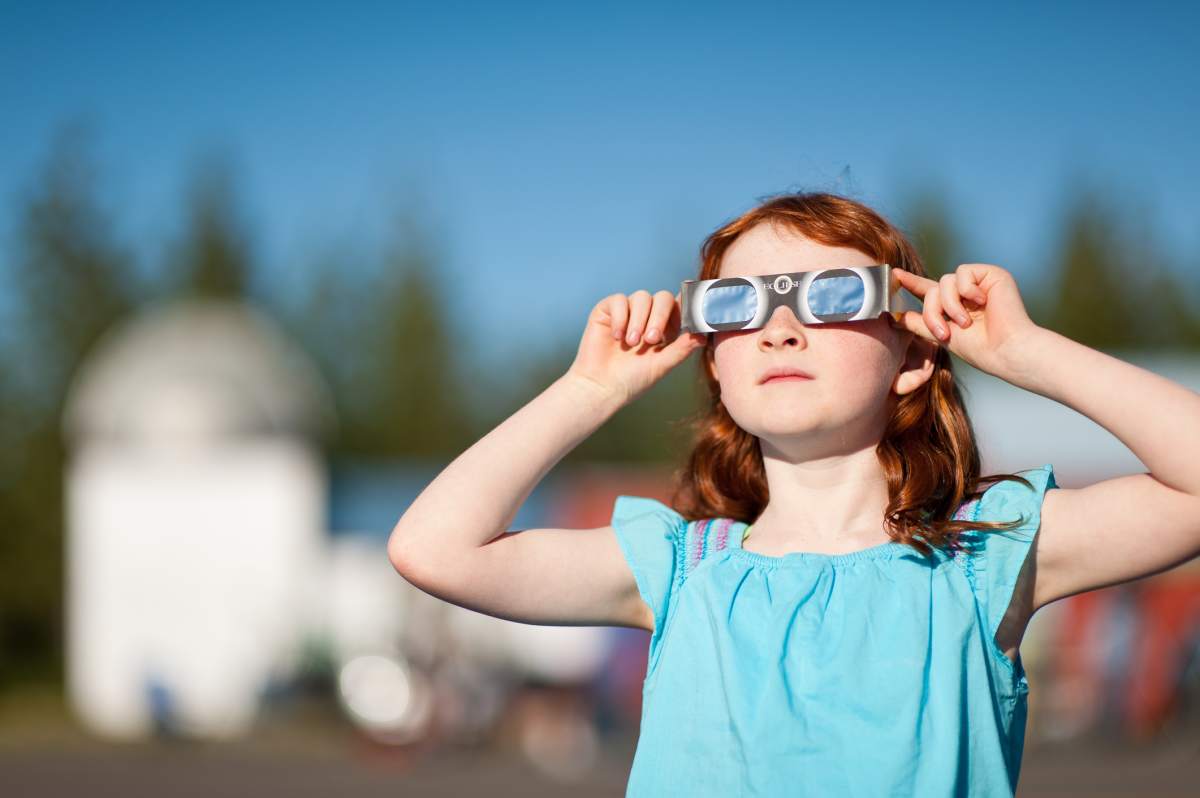
For a safe and direct viewing experience, sky gazers must use certified solar viewing glasses or handheld solar viewers, which comply with the ISO 12312-2 international standard. These specialized glasses are thousands of times darker than regular sunglasses, which are never safe for viewing the Sun. Alternatively, observers can opt for indirect viewing. By building a homemade pinhole projector—which requires only a cardboard box, a white sheet of paper, and aluminum foil, as well as scissors, and tape—viewers can safely cast an image of the eclipsed Sun onto a surface without ever looking directly at the sky.
More about the 2026 total solar eclipse
Beyond the path of totality, a massive swath of the Northern Hemisphere will experience a partial solar eclipse. This includes parts of the United States (from Alaska to North Carolina), most of Canada, mainland Europe, and northwestern Africa.
More on Starlust:
Satellite captures Moon’s shadow traversing Antarctica during February 17 annular solar eclipse
After lunar flyby, Artemis II astronauts witness a rare solar eclipse seen only from space