Total solar eclipse 2026: Tips, recommended glasses and equipment to see August 12 event safely
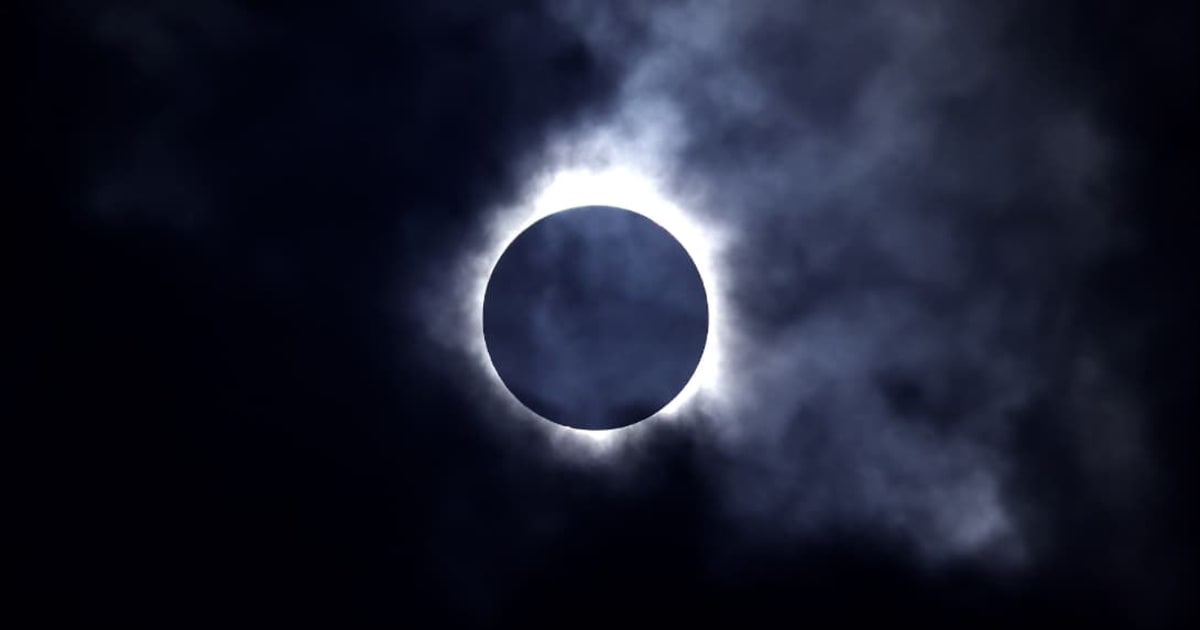
A total solar eclipse is set to occur on August 12, 2026. Rare and spectacular as this is, observing it safely isn't as straightforward. The consequences of staring directly at the Sun are common knowledge, but the risks during an eclipse are heightened. This is because as the lunar disk obscures the Sun, ambient light drops. This causes our pupils to dilate, inadvertently allowing even more harmful ultraviolet and infrared radiation to strike the retina than on a normal day. To counter this, experienced skygazers often make use of specialized equipment, but one doesn't necessarily need to splurge on expensive viewing gear to enjoy this alignment of the Sun, the Moon, and Earth.
If you're fortunate enough to be in the path of tomorrow's total solar eclipse, we're here to help you capture the moment!
— NASA (@NASA) August 11, 2026
Learn how to take the best photos with these tips from our photography experts. pic.twitter.com/dWCbNwwOrH
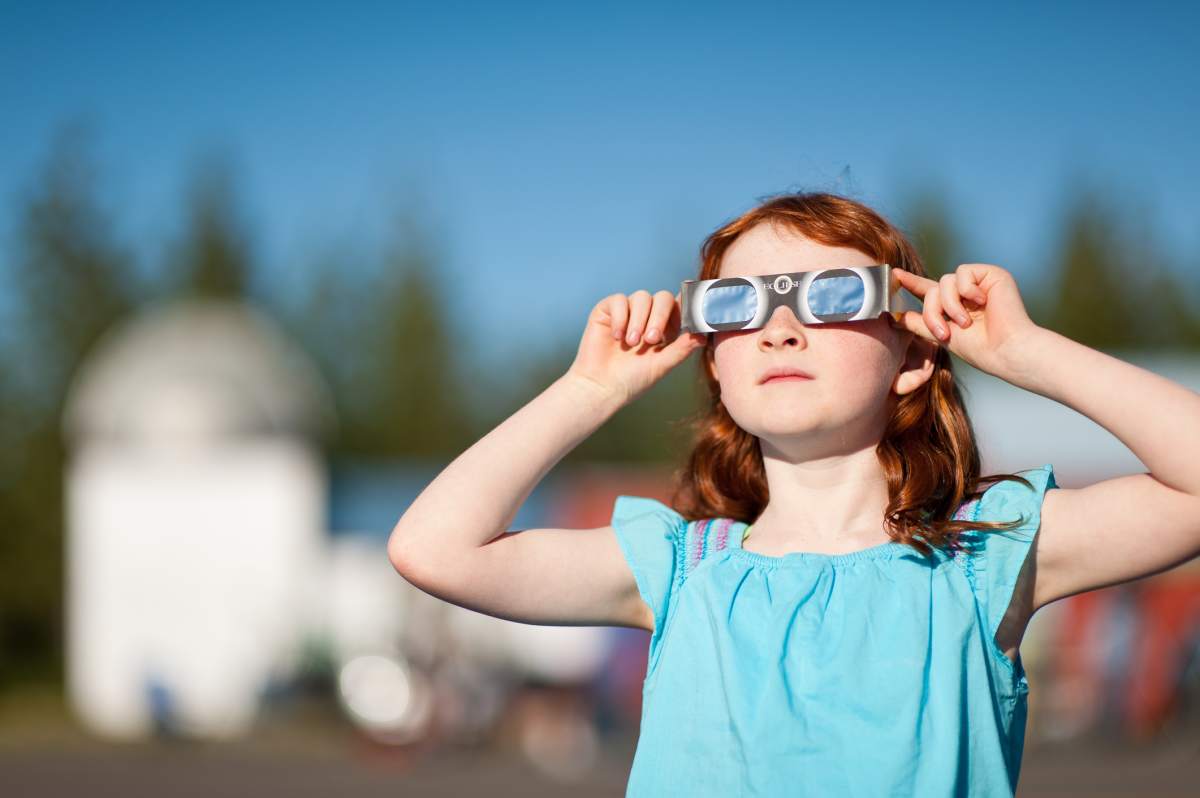
Solar eclipse glasses, not sunglasses
A good place to start if one wishes to ensure safe eclipse viewing is to get a pair of ISO 12312-2:2015 certified solar eclipse glasses. This is an international standard that dictates how much of the Sun's luminosity makes it through the glasses and how evenly the lenses prevent dangerous ultraviolet and infrared light from passing through. For eclipse glasses, the amount of light allowed to pass is very low—so much so that the Sun only appears as a disk glowing against a dark background, and everyday objects completely disappear under ambient light.
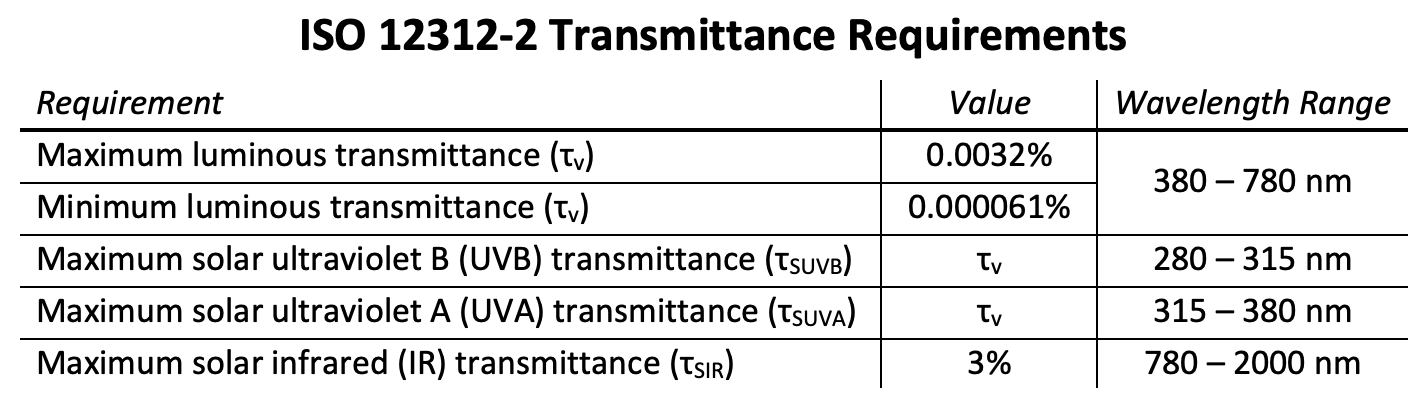
As a test, one can procure such glasses and look at the reflection of the Sun off shiny surfaces. They should be very hard to see because of the fact that such filters let very little radiation through. This is something many sunglasses claim to achieve as well. However, no matter how dark, regular sunglasses are NOT safe for solar viewing. The American Astronomical Society (AAS) has recommended a list of credible and trusted manufacturers from whom one can buy eclipse glasses.
Solar filters
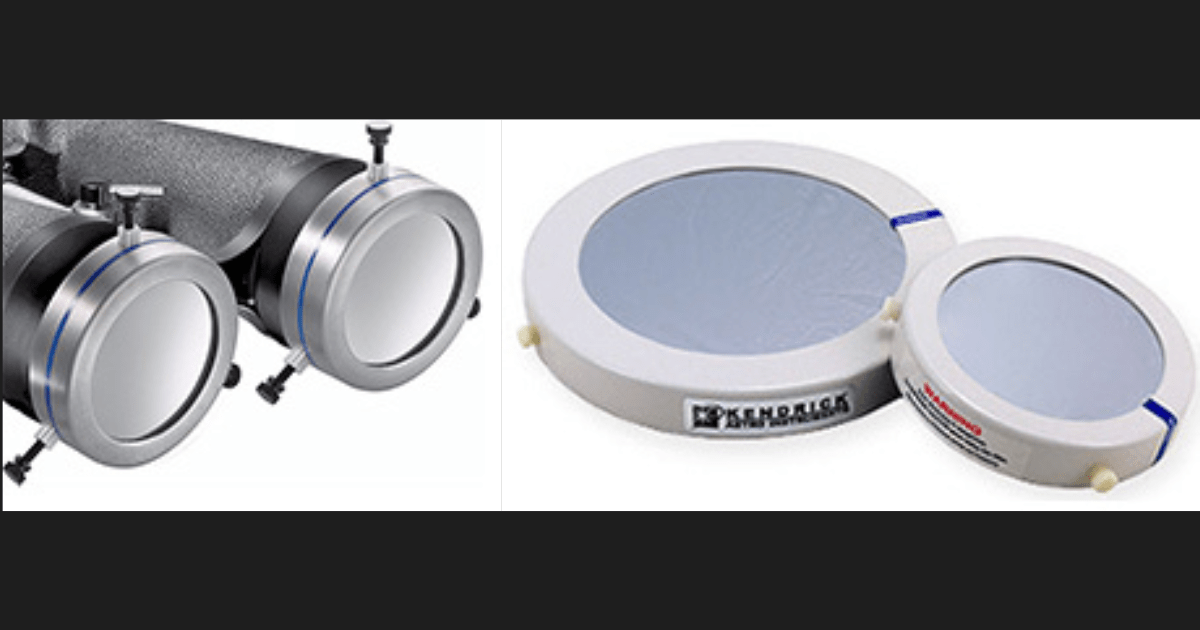
If one intends to capture the solar disk getting partially or fully hidden behind the Moon, and not just view it, there is specific equipment one must use. This is because observation tools such as binoculars, telescopes, and camera lenses aren't equipped to filter out radiation. To manage the risk involved even for a very small duration when attempting to adjust the image composition, a front-mounting solar filter is a must. Remember, never buy solar filters that attach to the eyepiece, and only buy ones that are fixed on the Sun-facing end of the viewing aid.
Frequently Asked Questions
A. Can I make my own DIY solar glasses for safely viewing the solar eclipse?
While you can, technically, make your own DIY solar glasses, leading astronomical organizations such as NASA and the AAS warn against such homemade equipment for viewing solar eclipses. Even if one uses ISO-certified solar film for creating such solar viewers, improper sealing, small or microscopic scratches, or incorrect mounting can lead to severe and permanent eye damage. That said, if you still want to go the DIY route, you can safely create an indirect viewer such as a DIY pinhole projector that allows you to view the eclipse without ever directly looking at the Sun.
B. When and where can I see the August 2026 total solar eclipse?
The path of totality will begin from a remote area of northern Siberia, before crossing over the Arctic and North Atlantic oceans to reach Europe. The partial eclipse will begin at 3:34 pm UTC, while the end will be around 7:58 pm UTC. Totality will occur in the middle of this window for a maximum duration of 2 minutes and 18 seconds.
More on Starlust:
Total solar eclipse 2026: 10 amazing things to see during this rare celestial event
Total solar eclipse 2026: Here's what happens at each stage on August 12