Perseid meteor shower 2026 peak date and time: When, where, and how to watch the shooting stars
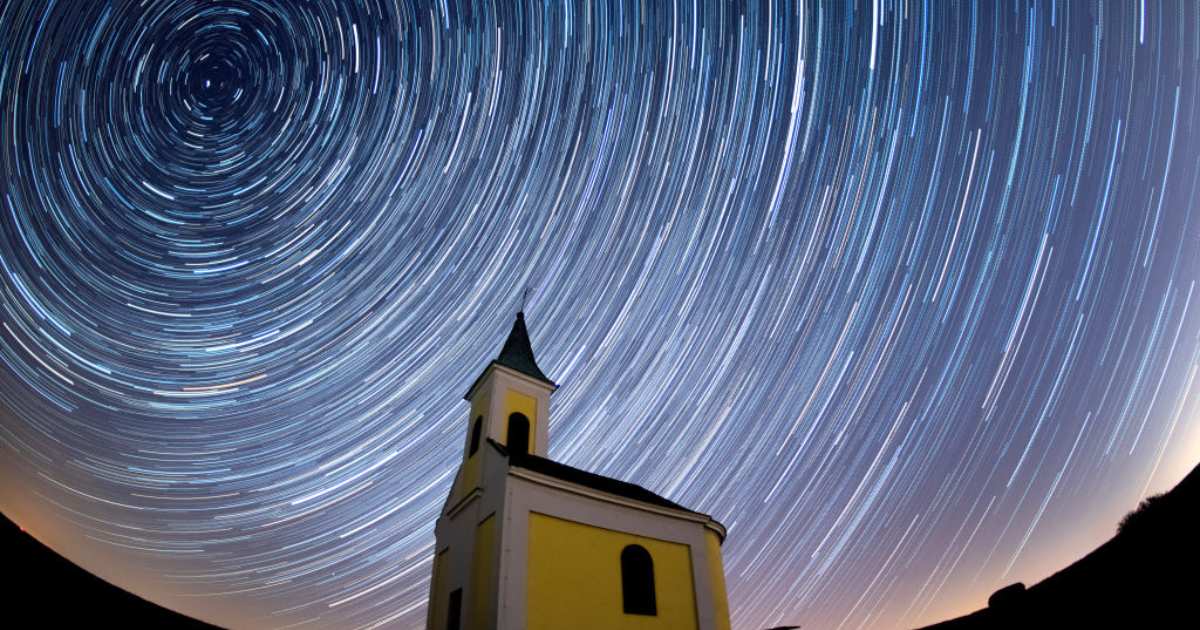
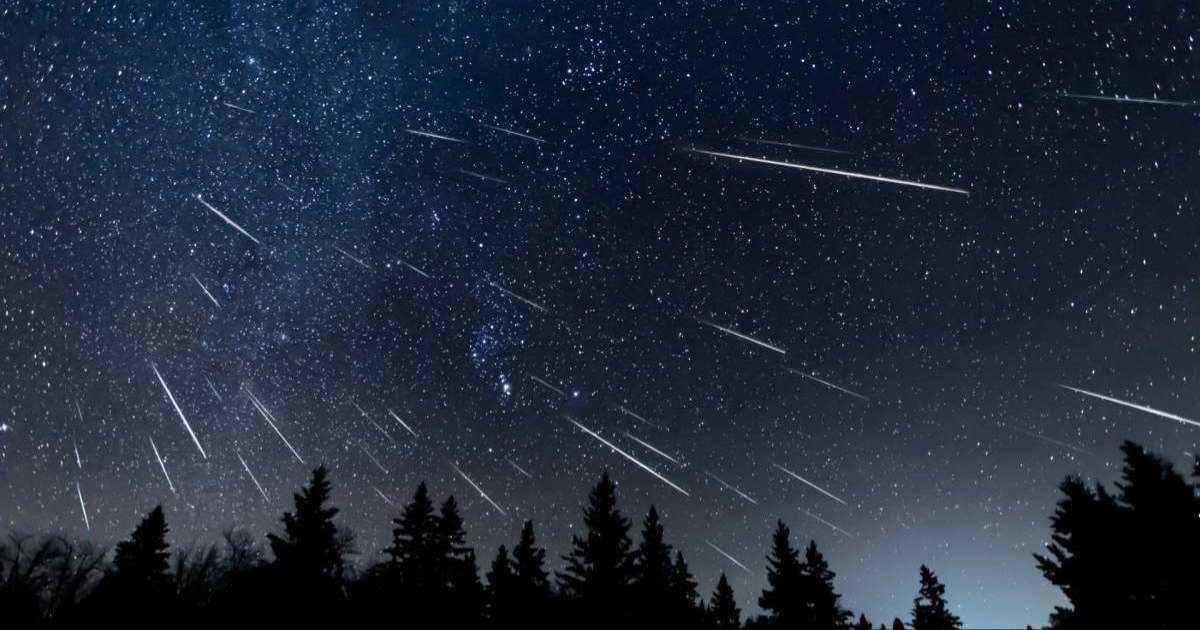
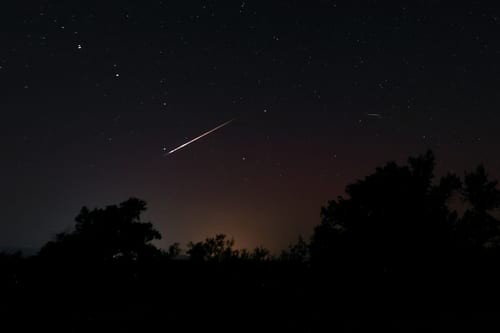
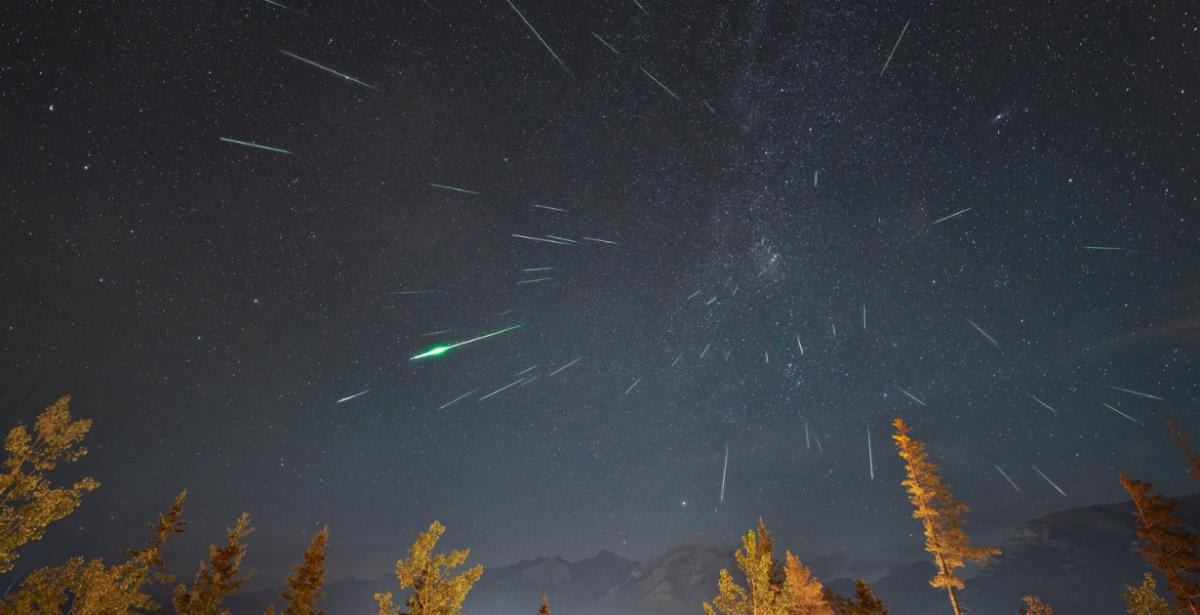
The Perseid meteor shower has been active since mid-July, and it will stay visible throughout August, but it will peak on the night of August 12-13, 2026. Under good conditions, NASA says the peak can deliver up to 100 meteors an hour. The meteors will tear through the sky at roughly 37 miles, or 59 kilometers, per second. Those who are keeping an eye on this event do not need any telescope or special equipment to view it. The meteors are visible to the naked eye once your eyes adjust to the dark, which typically takes about 20 to 30 minutes away from bright lights.
Interestingly, just hours before the Perseids ramp up, a solar eclipse will also cross parts of the world on August 12, 2026. Skywatchers in the U.S. will be able to see a partial eclipse, while mainland Europe will get its first total solar eclipse since 1999. On this day, you will also have the chance to see a rare ‘planetary parade’ and many more skywatching events.
What’s the best time to watch the Perseid meteor shower 2026?
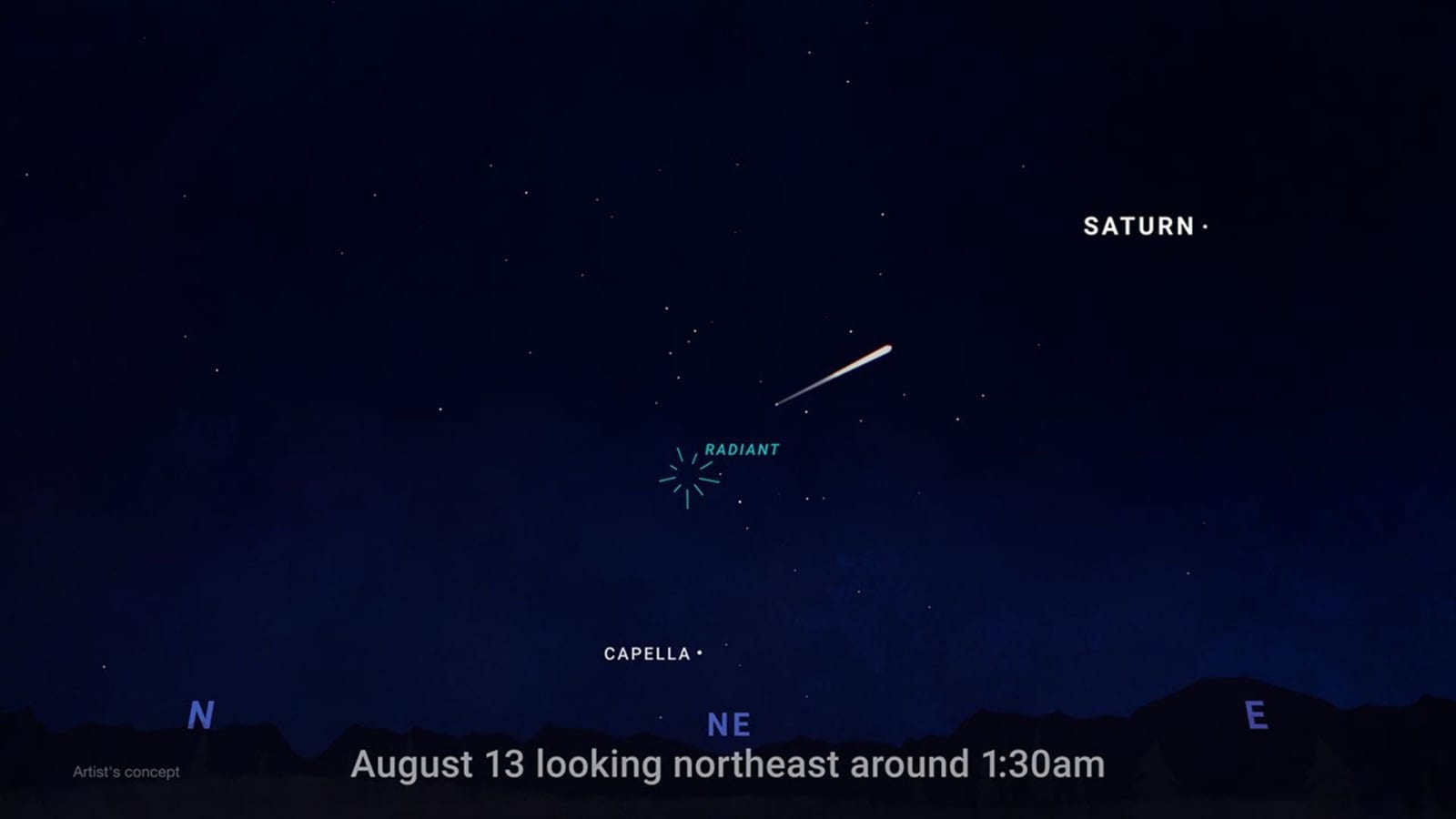
According to NASA, the Perseid meteor shower will light up the sky and will reach its peak between the evening of August 12 and the early morning (before 5:00 a.m. local time) of August 13, 2026. “To view this meteor shower, look toward the northeast once it's fully dark and watch for the constellation Perseus to clear the horizon. This is where the meteors originate, but let your eyes wander, because they can flash across any part of the sky,” per the NASA website.
Tom Kerss, an astronomer and chief aurora chaser for expedition cruise line Hurtigruten, shares that "the best views are generally from mid- to high northern latitudes, including Canada, the northern United States, much of Europe, and northern Asia." Below are some of the best places you can get a view of this event.
Best places to watch the Perseid meteor shower 2026 in Canada
- Gros Morne National Park, Newfoundland, Canada
- Mount Carleton Dark-Sky Preserve, New Brunswick, Canada
- Kejimkujik National Park, Nova Scotia, Canada
- Mont Mégantic Dark Sky Reserve, Quebec
- Fundy Dark-Sky Preserve, New Brunswick
Best places to watch the Perseid meteor shower 2026 in the United States
- Fort Union National Monument, New Mexico
- Great Basin National Park, Nevada
- Santa Monica Mountains National Recreation Area, Los Angeles
- Cherry Springs State Park, Pennsylvania
- Bryce Canyon National Park, Utah
- Catskill Mountains, New York
Best places to watch the Perseid meteor shower 2026 in Europe
- The Alpine Regions, Europe
- Galloway Forest Park, Scotland
- Bannau Brycheiniog (Brecon Beacons) National Park in Wales
- Alqueva Dark Sky Reserve, Portugal
Best places to watch the Perseid meteor shower 2026 in Asia
- Hanle Dark Sky Reserve, Ladakh, India
- Lazarus Island, Singapore
- Khao Yai National Park, Thailand
- Ishigaki Island, Japan
- Baa Atoll, Maldives
How to watch the Perseid meteor shower safely?
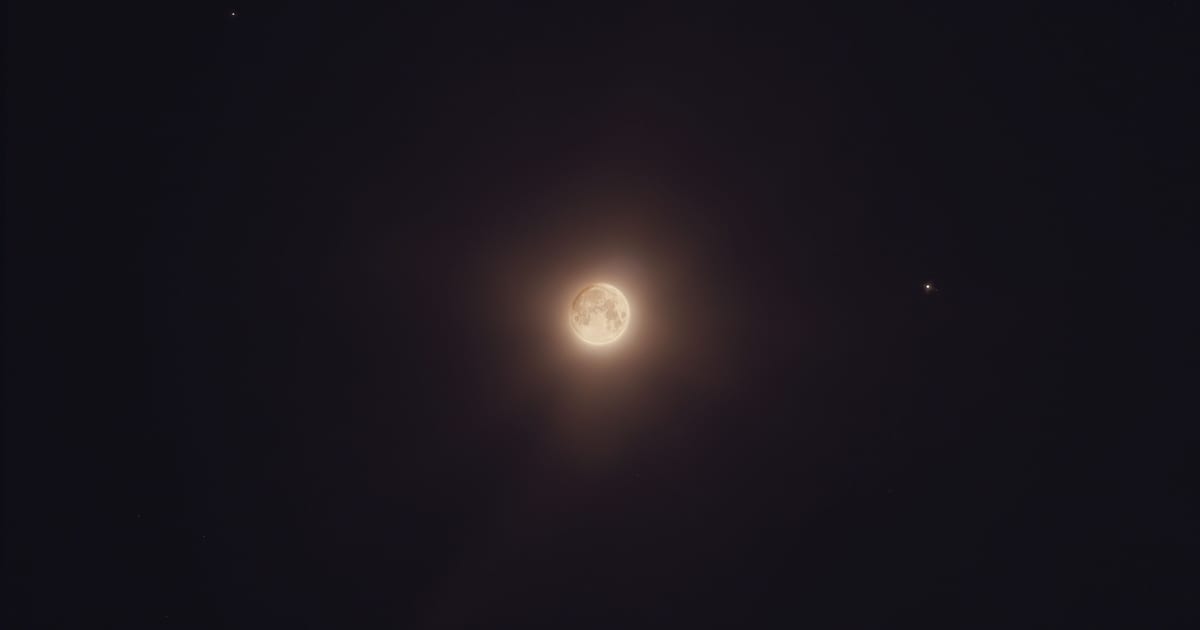
To get a good view of the Perseids, start by checking the moon phase before you head out, since the shower is easiest to see when the sky is darkest. Temperatures can drop during the solar eclipse, especially at higher elevations, so make sure to dress in layers and stay warm. Those who are also keeping an eye on the solar eclipse should not look at it with their naked eye, as it can do some damage. It’s recommended that you wear your protective eyeglasses.
More on Starlust
Total solar eclipse 2026: Here's what happens at each stage on August 12
Perseid meteor shower and total solar eclipse to coincide on August 12—here’s what you need to know