Total solar eclipse 2026 recap: Key highlights, images, videos and what comes next
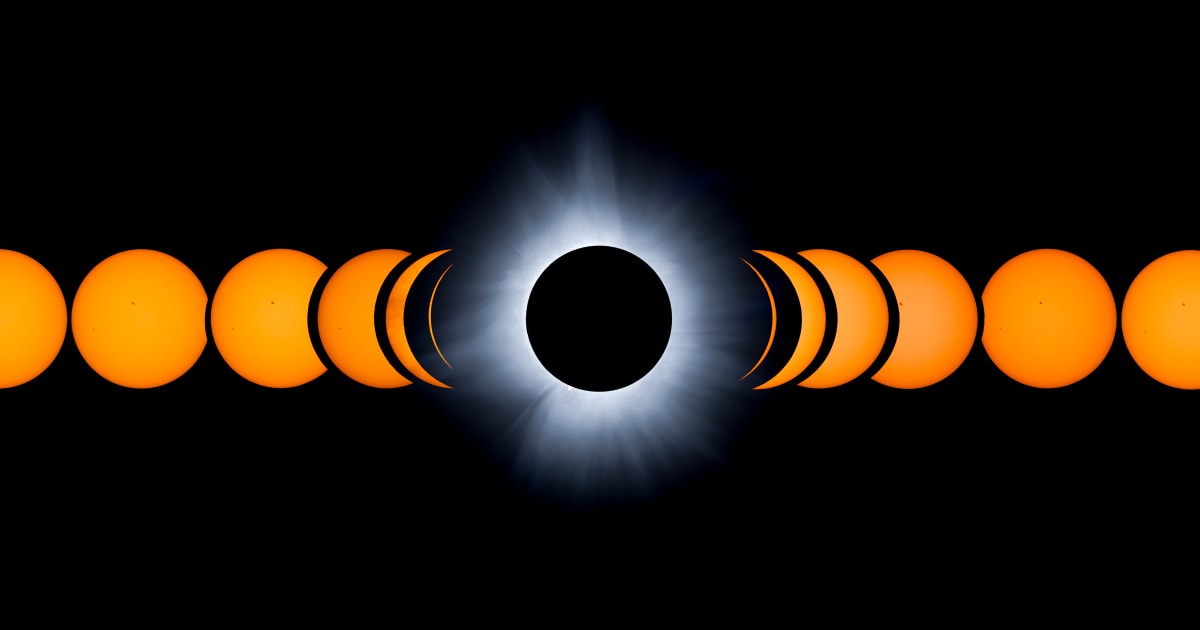
Skywatchers around the world got a view of the total solar eclipse on August 12 and in the early hours of August 13, 2026. This event is so rare that any single spot on Earth only sees one roughly once every 375 years. In fact, today millions of people across Europe finally got to see a total solar eclipse after a long wait of 27 years.
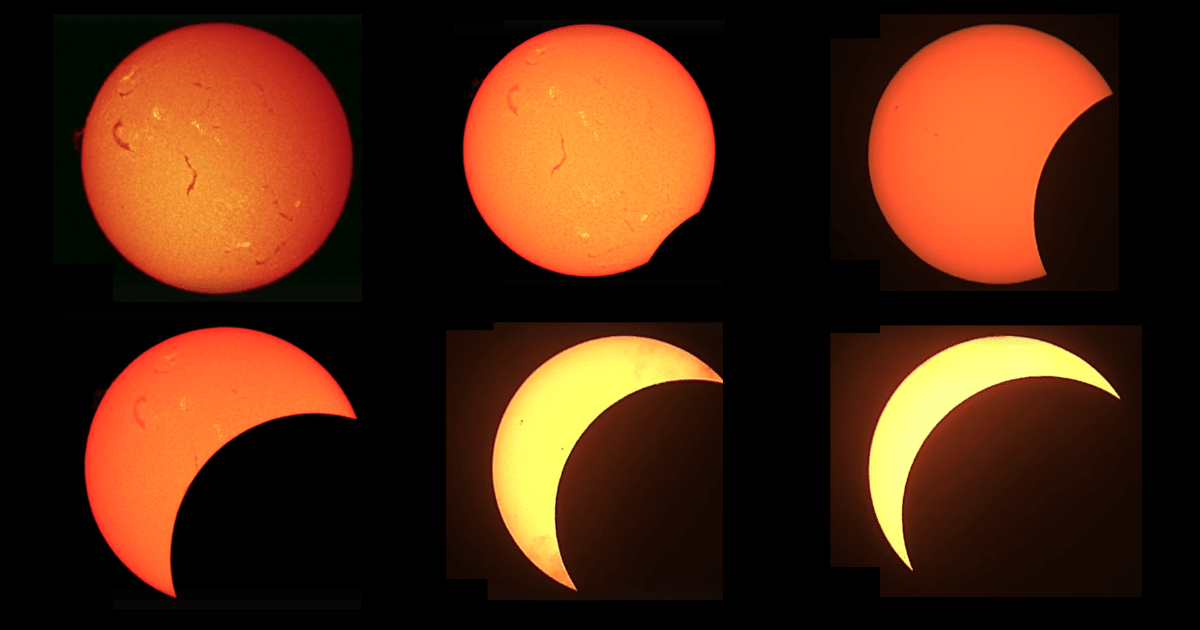
This year, the path of totality, the narrow strip where the moon lines up perfectly in front of the sun and blocks it out completely, crossed northern Russia, Greenland and Iceland before sweeping down across Spain and a small part of Portugal. That brought near-total darkness to about 15 million people.
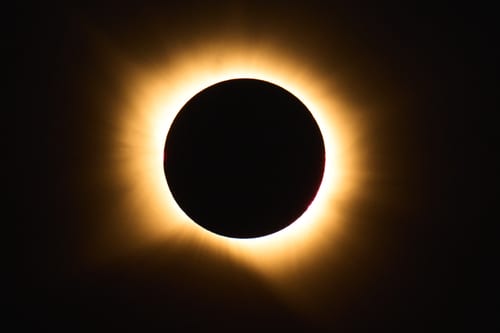
A partial eclipse, meanwhile, was visible across much of Western Europe, parts of Northwest Africa, most of Canada and part of the northern United States.
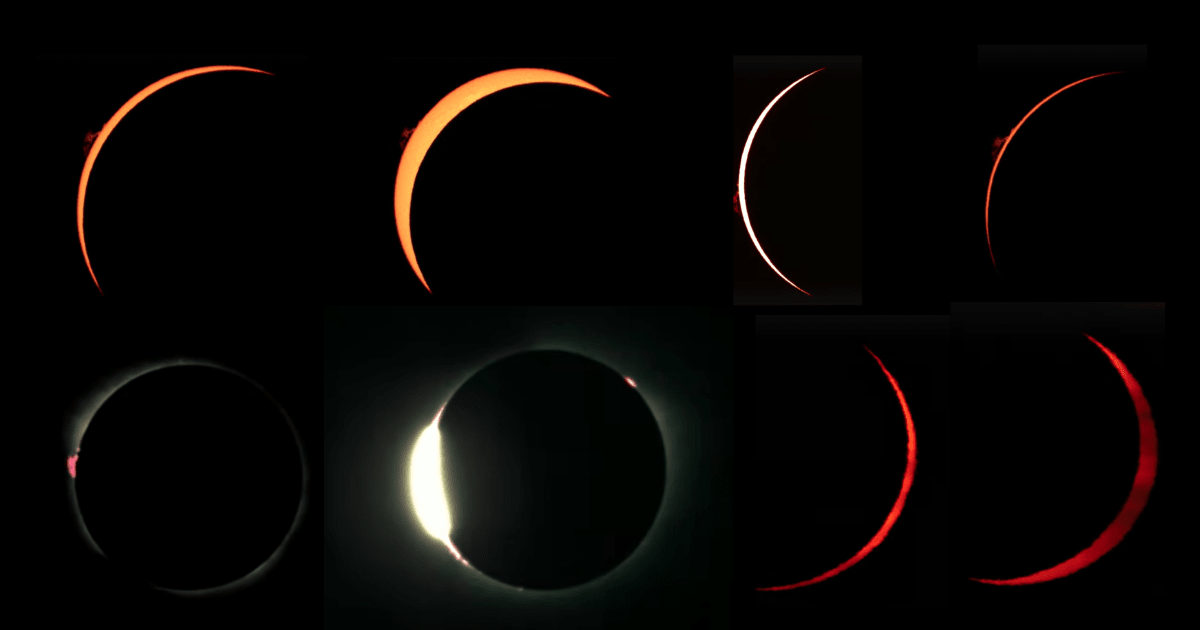
Key moments and videos from the total solar eclipse 2026
Starting at 15:34 GMT, daylight gradually dimmed as the moon crept across the sun, and along the path of totality, day briefly turned to night. The totality in Valoria la Buena, Spain, lasted just 1 minute and 37 seconds. On X, the official account of NASA Spaceflight shared a breathtaking view of the total solar eclipse, as seen after years of waiting in Spain on August 13, 2026.
There it is from our team in Spain. https://t.co/qhXx33qGot pic.twitter.com/ARzb4fdRVa
— NSF - NASASpaceflight.com (@NASASpaceflight) August 12, 2026
People around the world shared their experiences on X as they watched the Moon pass in front of the Sun and darken the sky. For many, it was their first time seeing a total solar eclipse, which makes this experience even more memorable.
ECLIPSE TOTAL!!
— Alvaro 알바로 🇰🇷🇺🇦 (@alvariteus) August 12, 2026
Esto es una de las cosas más increíbles que he visto en mi vida, si no la que más.#Eclipse #Eclipse2026 pic.twitter.com/0ZXMNa4HEw
In another video shared on X, Night Sky Today captured a stunning view of the total solar eclipse from an airplane.
A Total Solar Eclipse Seen from an Airplane.pic.twitter.com/CHpDvMsBPL
— Night Sky Today (@NightSkyToday) August 12, 2026
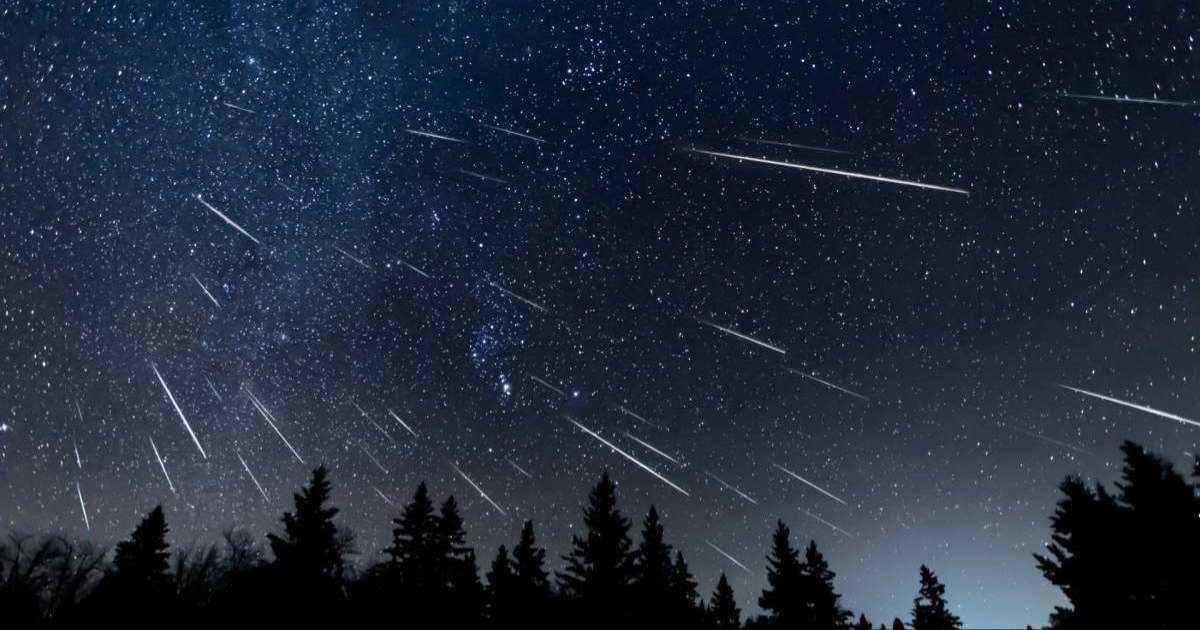
On the same day, many people also got a view of a rare planetary parade, with six planets on display: Mercury, Jupiter, Mars, Saturn, Uranus and Neptune. On top of that, the peak of the annual Perseid meteor shower landed on the very same night as the eclipse, so skywatchers ended up catching two major events at once.
This is a shooting star from the Perseid meteor shower captured tonight.
— Science And Nature (@ScienceAndNatu7) August 12, 2026
In Noto, the skies have cleared up beautifully, and we're enjoying the meteor shower.
If the weather in your area is clear tonight, why not take it easy and wait for shooting stars?#12August2026 pic.twitter.com/Xqrr1jFIGB
As for the eclipse itself, it delivered the usual lineup of striking visuals of sunspots, shadow bands (those wavy lines of light that ripple across pale surfaces, seen mostly by viewers in Spain), ground-level crescents, diamond rings and Baily's beads, plus pink loops flaring off the sun's edge.
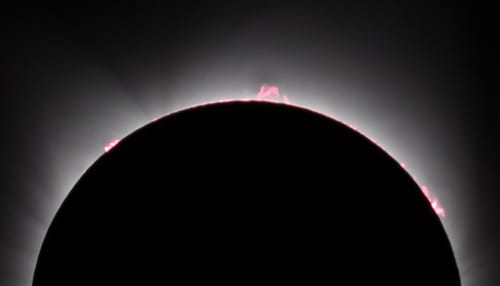
Those pink loops are solar prominences, cooler plasma structures that stretch from the sun's lower atmosphere out into its corona. NASA and ESA also livestreamed the event on their official channels, and Starlust brought the eclipse to viewers on our Facebook channel. If you missed it, you can still watch the livestream here!
Live on Location - Total Solar Eclipse 2026 https://t.co/XjxhPEHUTv
— NSF - NASASpaceflight.com (@NASASpaceflight) August 12, 2026
What's next for skywatchers?
Beyond the solar eclipse, many more skywatching events are coming up this month. Several lesser-known meteor showers are already active in August 2026, with more set to join in over the coming weeks. The Capricornids remain active through August 15, the Delta Aquariids run until August 23, and the Kappa Cygnids continue through August 25, with their peak landing on August 17, 2026. Though, none of them will be as bright as the Perseids, and factors like bright moonlight could make them harder to spot.
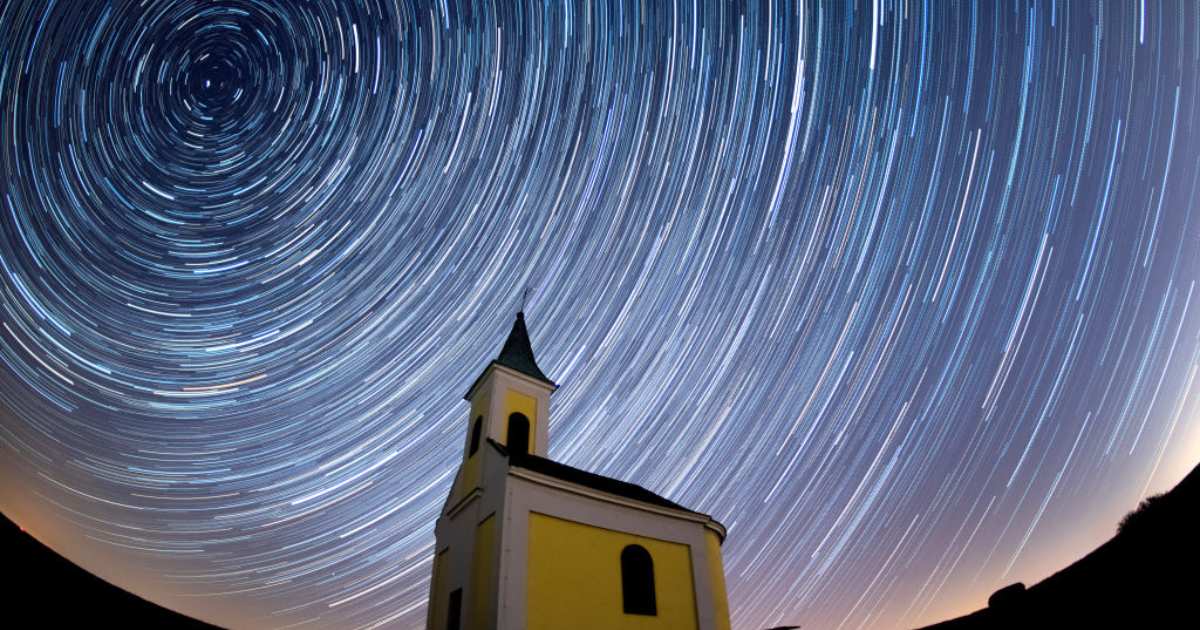
But that’s not all. October will bring the Orionids, active from October 2 through November 7, according to the American Meteor Society, followed by the Northern Taurids from October 20 to December 10. Before that, the Southern Taurids will kick off on September 20, the Leonids will begin November 6, and the Geminids, Ursids and Quadrantids all start their activity in December 2026.
More on Starlust
Auroras explained: What are northern and southern lights? Why do they have different colors?