Aurigid meteor shower 2026: More fireballs coming your way on September 1—check visibility and other details
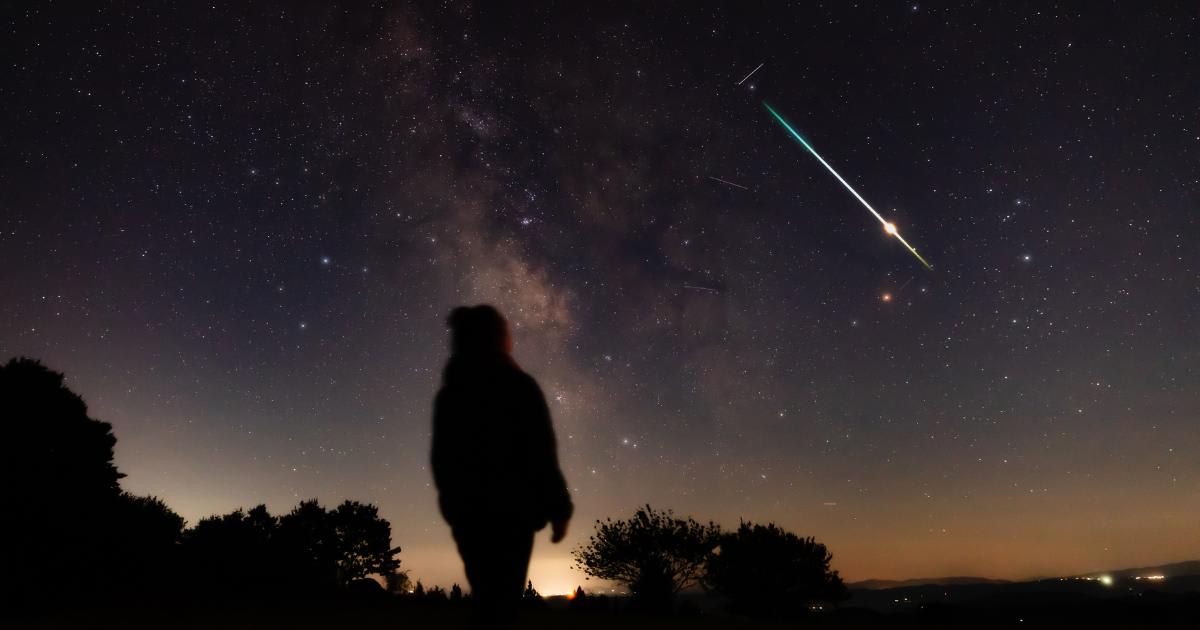
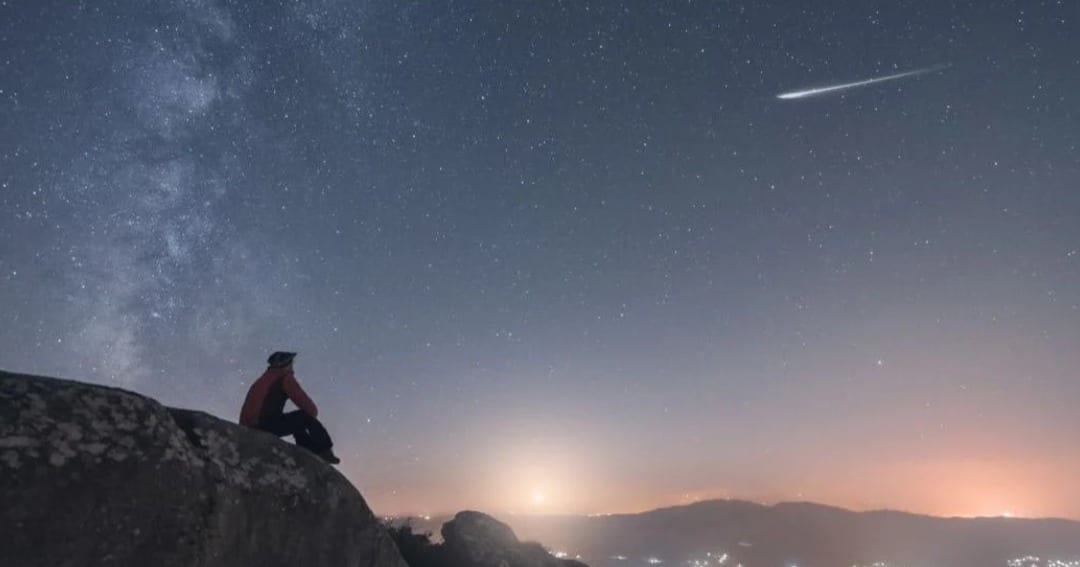
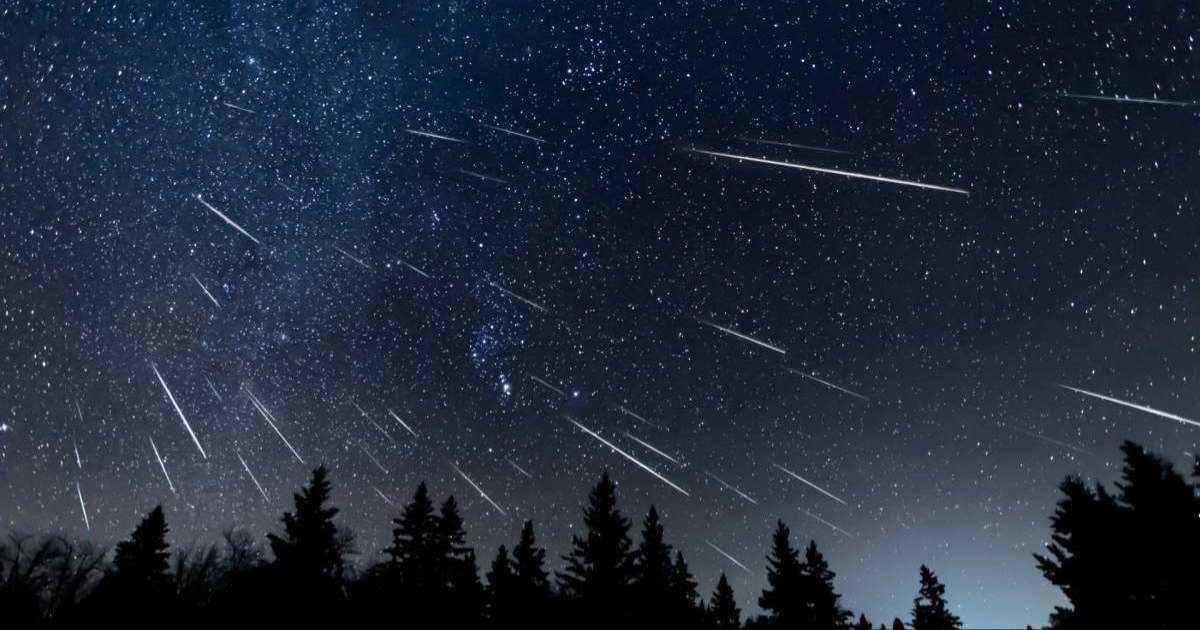
The Perseid meteor shower peaked overnight on August 12-13, but if you missed it, there’s another opportunity to spot bright fireballs in the sky. Early next month, a few meteors could be visible again when the Aurigid meteor shower peaks on the night of August 31 to September 1. The Aurigids are one of the lesser known and shorter-lived showers that are annually active from August 28 to September 5. While they are not as overwhelming as the Perseids—which can produce up to 100 meteors per hour at their peak—the Aurigids are known for occasionally producing exceptionally bright fireballs. If lucky, one can normally see anywhere between 7-9 bright meteors per hour during peak activity, says the European Space Agency (ESA).
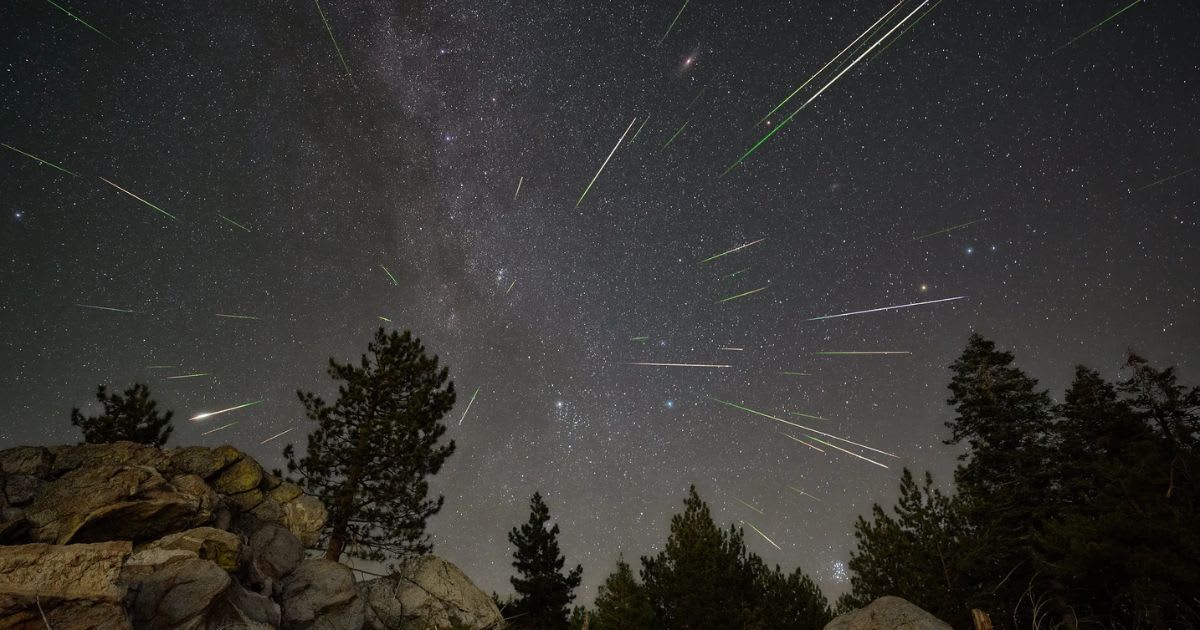
These meteors originate from the comet C/1911 N1 Kiess (comet Kiess), which was discovered on July 6, 1911, by American astronomer Carl Kiess. It is a long-period comet that takes about 2000 years to orbit the Sun. As Earth passes through the dust particles that Comet Kiess left behind in its orbital path, they burn up in our planet’s atmosphere, creating bright streaks of light.
How to spot the meteor shower
To spot the meteors, look towards the constellation Auriga—the ‘radiant’ where the meteors seem to originate from in the night sky. They are best visible in the northern hemisphere, and the higher the radiant point, the better your chances are to spot them. The radiant will climb higher in the sky as the night progresses, so try looking for the fireballs between midnight and the pre-dawn hours. In the southern hemisphere, observers will have a short window (about a couple of hours before sunrise) as the radiant rises early in the morning around 3-4 am and stays close to the horizon, per Starwalk.
The Moon may play villain
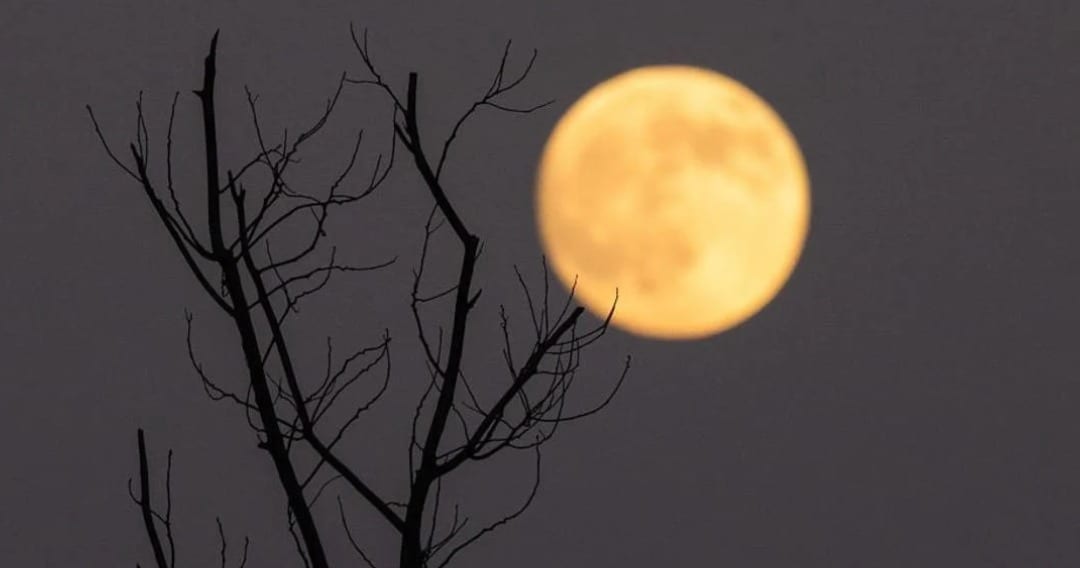
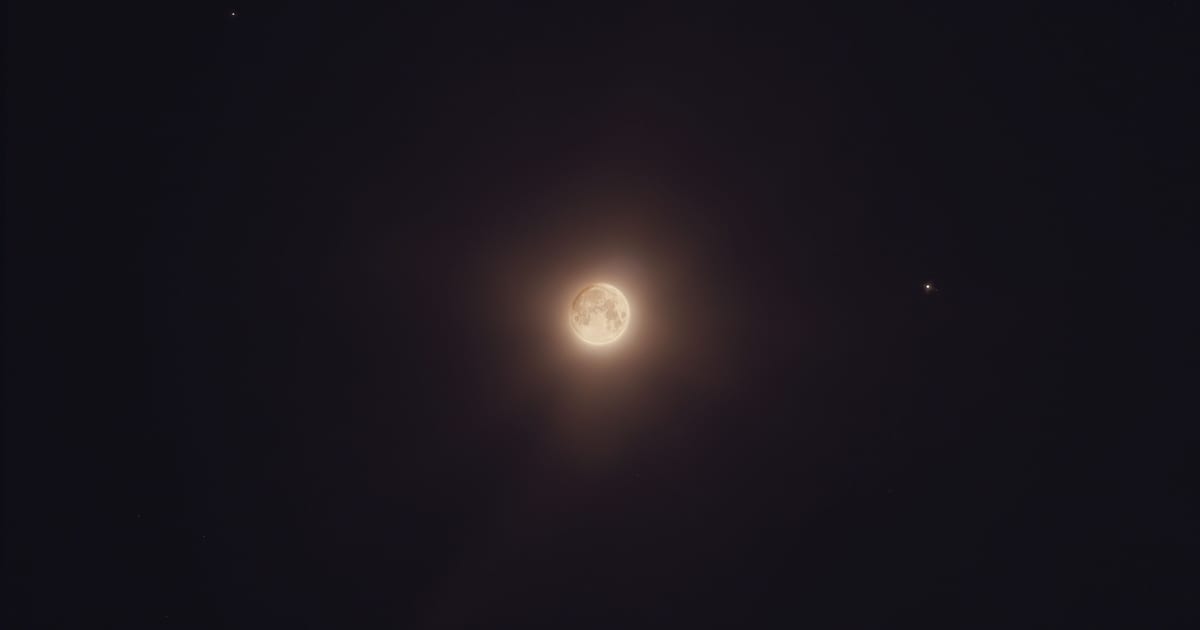
The experience may be hindered by the Moon, which will be in a waning gibbous phase with over 80 percent illumination, per The Sky Live. The meteor shower will peak just three nights after the full Moon on August 28, so the sky won’t exactly be naturally dark for ideal viewing.

A sudden influx of meteors could compensate for the excess moonlight, as there have been instances when the hourly rate of the meteors spiked dramatically. In 2007, the ESA predicted rates as high as 400 meteors per hour over the Hawaiian islands, with actual recorded observations peaking around 130 meteors per hour. Other recorded instances when an occasional outburst surpassed the average number of fireballs occurred in 1935 (the year the shower was first recognized), 1986, 1994, and 2019, when rates reached roughly 30 to 50 meteors per hour.
More on Starlust:
Mark your calendar: 2027 brings a "ring of fire" eclipse and a record-long total eclipse
Total solar eclipse 2026 recap: Key highlights, images, videos and what comes next