NASA’s Artemis III crew reveal: Here’s when and where to watch the livestream of the event
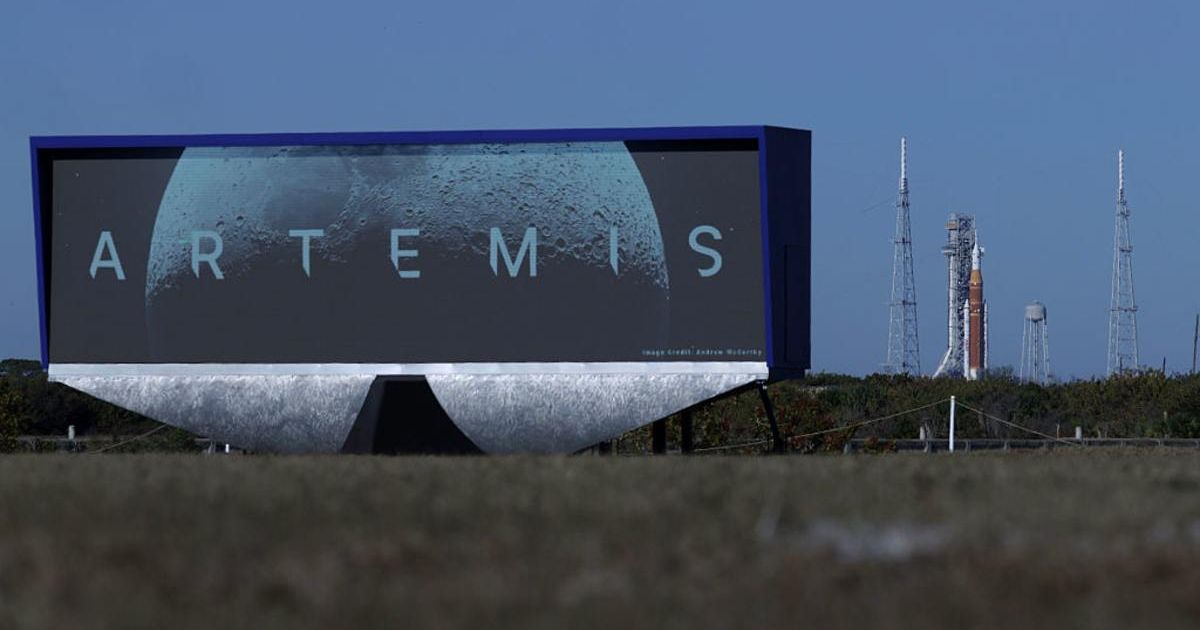
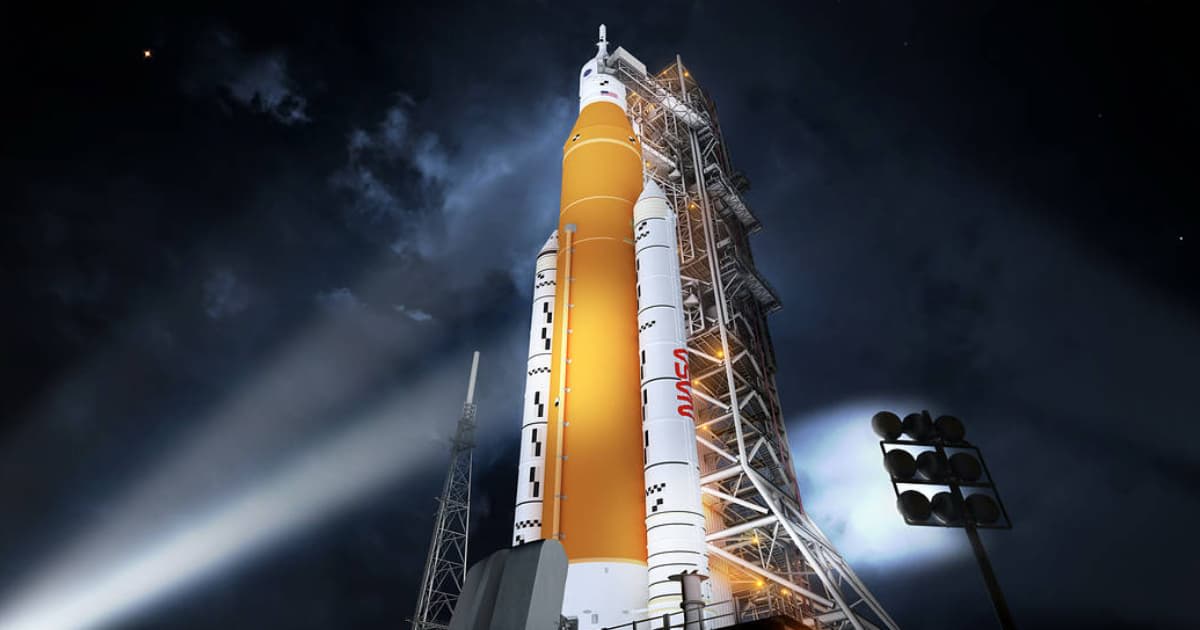
NASA has provided a major update regarding the upcoming crew announcement for the Artemis III mission, which will launch four astronauts aboard the Orion spacecraft using the Space Launch System (SLS) rocket. Artemis III is slated to be one of the most complex orbital operations in NASA's history and follows on the heels of the success of Artemis II, which executed a lunar flyby and returned to Earth in April 2026.
When will NASA’s Artemis III crew announcement take place?
In an earlier announcement, NASA had stated that the members of Artemis III crew would be revealed to the public on Tuesday, June 9, 2026, at 11:00 AM EDT. The space agency’s initial X (formerly Twitter) update read, “Coming soon: one of history’s most complex missions. Tune in on Tuesday, June 9, at 11 am ET, to meet the astronauts flying aboard Artemis III, the mission that will test docking capabilities with commercial landers in low Earth orbit — an important step to crewed lunar landings.”
However, the agency, on June 8, released a revised schedule, officially shifting the broadcast time to 11:30 AM EDT.
UPDATE: The Artemis III event will start at 11:30am ET (1530 UTC) on Tuesday, June 9! https://t.co/Ss8AvSspCs
— NASA (@NASA) June 9, 2026
Where to watch NASA’s Artemis III crew announcement?
The crew reveal announcement will take place at NASA’s Johnson Space Center in Houston, Texas. The entire event will be streamed live, and viewers can watch the broadcast on NASA+ as well as the agency's official YouTube channel.
NASA also noted that the entire Artemis III crew will be available for select interviews following the conclusion of the presentation. For both virtual and in-person interviews, the agency required requests to be submitted to the Johnson Space Center newsroom by 5:00 PM EDT on June 4, 2026. Additionally, international media seeking to attend the event were required to secure their spots by emailing jsccommu@mail.nasa.gov by 5:00 PM on May 28, following which NASA sent out approvals via email.
More on NASA’s Artemis III mission
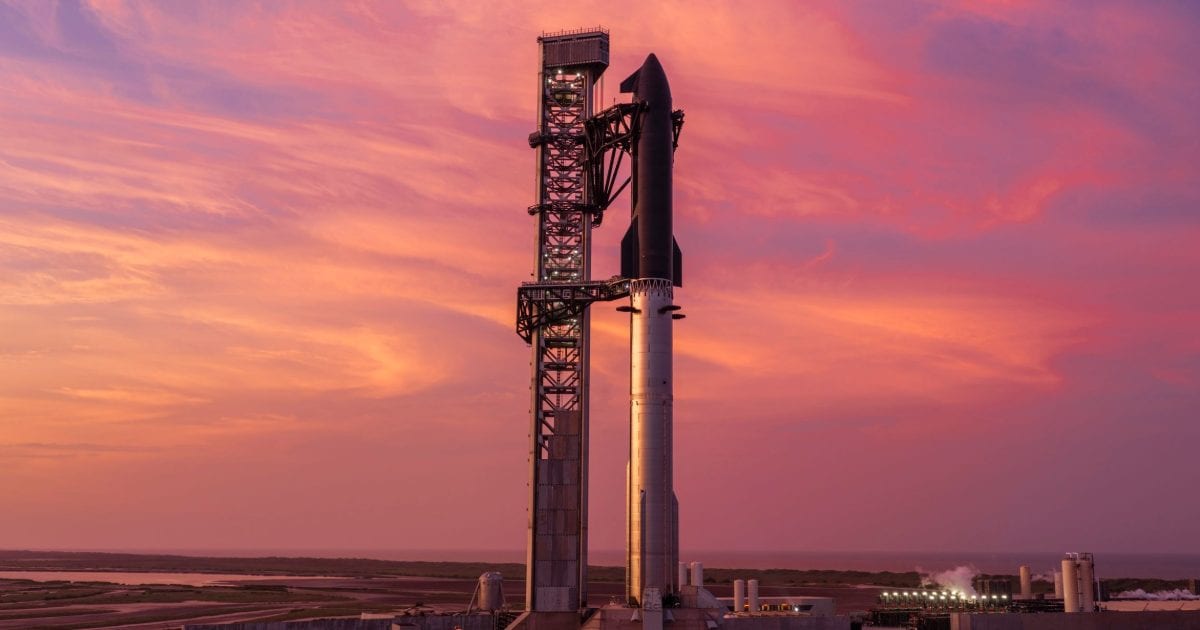
Regarding the technical profile of the much-anticipated flight slated for late 2027, the Artemis III crew will practice rendezvous and docking maneuvers with a commercial lunar lander in low Earth orbit. This mission, by practicing these maneuvers, will serve as an exercise in risk-reduction ahead of the historic lunar landing planned for Artemis IV. Interestingly, the Artemis III flight profile shares stark similarities with the 1969 Apollo 9 mission, which famously tested the Apollo Lunar Module in Earth orbit before Apollo 11 made history.
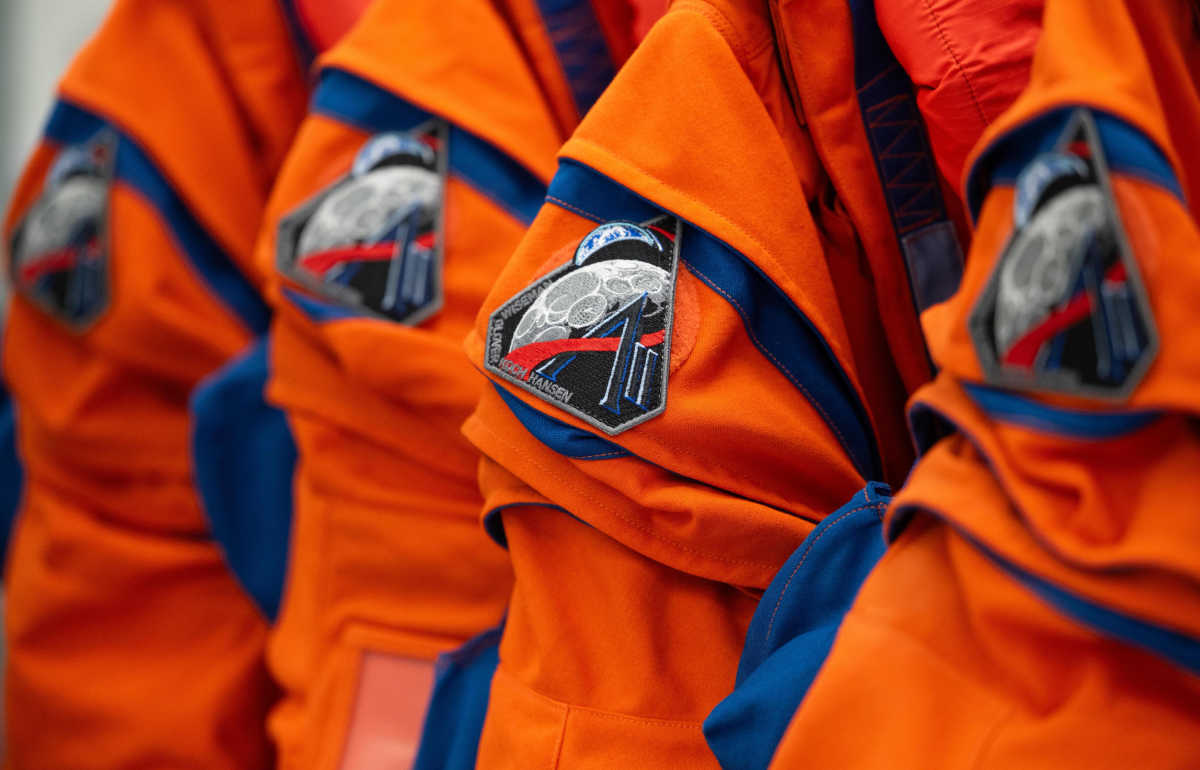
According to NASA, there are three primary reasons for sending humans back to the Moon: scientific discovery, economic benefit, and inspiring the next generation of explorers. But beyond these immediate goals, the Artemis III and Artemis IV missions serve a much larger objective: the entire Artemis program is designed to teach astronauts how to survive, operate, and maintain habitats in the harsh environment of space, far beyond the vicinity of Earth. Mastering these deep-space survival skills will ultimately pave the way for NASA’s long-term goal of sending crewed missions to Mars.

Following the low Earth orbit tests of commercial landers from SpaceX and Blue Origin (or both) in 2027, the Artemis IV mission will see astronauts finally transfer to the lunar surface after reaching lunar orbit. Targeted for 2028, Artemis IV will land a pair of astronauts near the lunar south pole—a region heavily favored by NASA Administrator Jared Isaacman as the site for the agency's planned $20-30 billion Moon Base. Immediately following this, NASA also has Artemis V slated for late 2028, which will utilize the Space Launch System (SLS) for the program's second crewed landing on the lunar surface and the commencement of the outpost's construction.
More on Starlust:
6 upcoming space missions that could help humanity move beyond Earth
NASA's Artemis missions timeline: What happens after Artemis II?
NASA's Artemis III: New date, goal, and everything else you need to know