NASA resets Artemis roadmap, shifts Artemis III from crewed lunar landing to Earth-orbit test
NASA’s latest news conference shed light on the next steps of the Artemis mission, and it’s nothing short of a massive overhaul in plans. Led by NASA Administrator Jared Isaacman, the agency announced that Artemis II will not be launching immediately for “at least a few weeks,” which means the launch could be on hold at least until early April. The teams involved are still addressing the helium issue on the Interim Cryogenic Propulsion Stage, among other launch problems it has faced over time. Isaacman then revealed a much broader, long-term shift in the Artemis campaign strategy to deal with such issues.
President Trump gave the world the Artemis Program, and NASA and our partners have the plan to deliver. We will standardize architecture where possible, add missions and accelerate flight rate, execute in an evolutionary way, and safely return American astronauts to the Moon,… pic.twitter.com/Qjm6BD5Ipi
— NASA Administrator Jared Isaacman (@NASAAdmin) February 27, 2026
Two days ago, the annual report of NASA’s Aerospace Safety Advisory Panel (ASAP) highlighted the risks involved in Artemis III. Now, the agency has implemented the report’s findings into real action. “NASA must standardize its approach, increase flight rate safely, and execute on the President’s national space policy,” said Isaacman at the press briefing. He spoke of the pressing need to bring down the ongoing three-year launch cadence between Artemis missions to under a year, or ideally 10 months.
This is how we got to the Moon and did the near-impossible in the 1960s… pic.twitter.com/EoowNxDgi7
— NASA Administrator Jared Isaacman (@NASAAdmin) February 27, 2026

Artemis III, whose original goal was a crewed lunar landing, will not land on the Moon now. Instead, the new Artemis III (expected to launch mid-2027) is now a low Earth orbit test mission. Artemis IV, scheduled for 2028, aims to put humans on the moon again for the first time since the Apollo program era. NASA Associate Administrator Amit Kshatriya said, “After successful completion of the Artemis I flight test, the upcoming Artemis II flight test, and the new, more robust test approach to Artemis III, it is needlessly complicated to alter the configuration of the SLS and Orion stack to undertake subsequent Artemis missions.”
LIVE: NASA leaders provide an update on the Artemis campaign after the rollback of the Artemis II Moon rocket and Orion spacecraft earlier this week. https://t.co/oF4jEDQJrt
— NASA (@NASA) February 27, 2026
The Artemis III mission’s main objective would be to have its crew rendezvous and dock in low Earth orbit with one or both of the two—the SpaceX Starship HLS and the Blue Origin Blue Moon lander. It will launch the Orion spacecraft aboard NASA’s Space Launch System (SLS) in its Block 1 configuration. The crew would then perform integrated system tests like life support or communications, while also possibly testing xEVA suits. On a practical level, this whole mission intends to drastically cut down risk before the next Moon landing, just like how Apollo 7, 8, 9, and 10 served as precursors to Apollo 11.
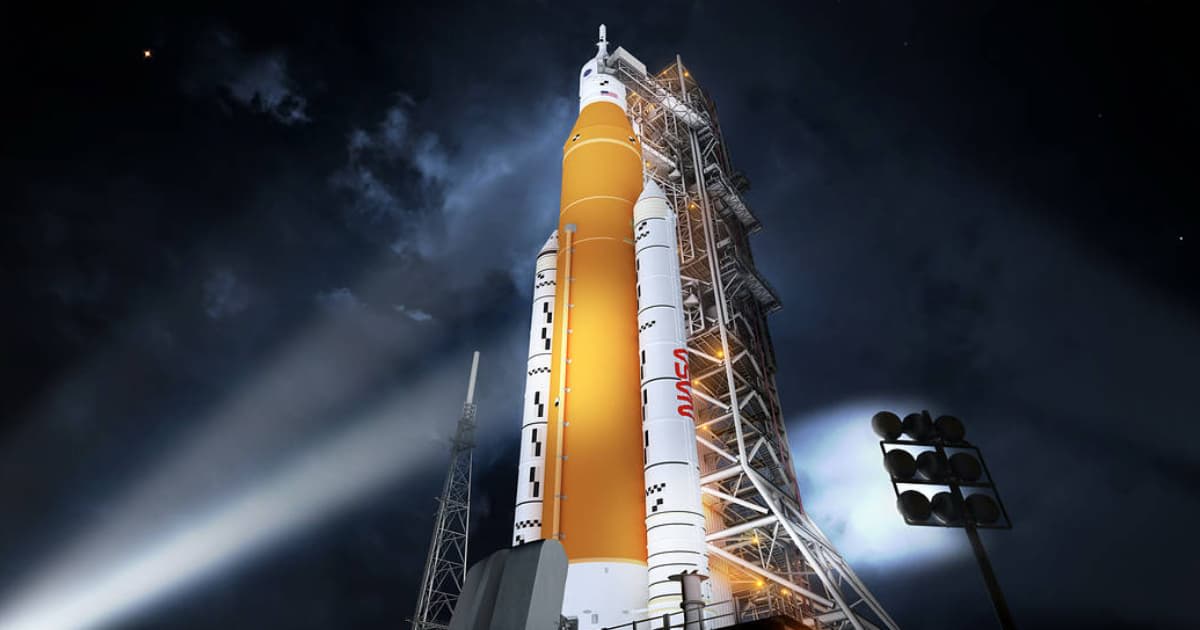
Here, Artemis IV becomes the Apollo 11 equivalent, and Isaacman hints at attempting two crewed lunar landings in the same year 2028. The NASA chief and his team stressed the continued annual launch cadence to keep this momentum, if it's feasible. “We want to fly the landing missions in as close to the same Earth ascent configuration as possible – this means using an upper stage and pad systems in as close to the ‘Block 1’ configuration as possible,” explains Kshatriya.

As mentioned in the ASAP report, Isaacman also emphasized the need to rebuild workforce's core competencies. Handing contractor roles back to civil servants might increase production tempo, which, in turn, is a direct increase in launch cadence. He compared the current long gap between launches to teams losing touch, almost like muscles atrophying, but reiterated his team believes in going back to the history books, citing the Apollo missions' success. However, before NASA can even think about the rest of the program, it still has to get Artemis II off the ground.
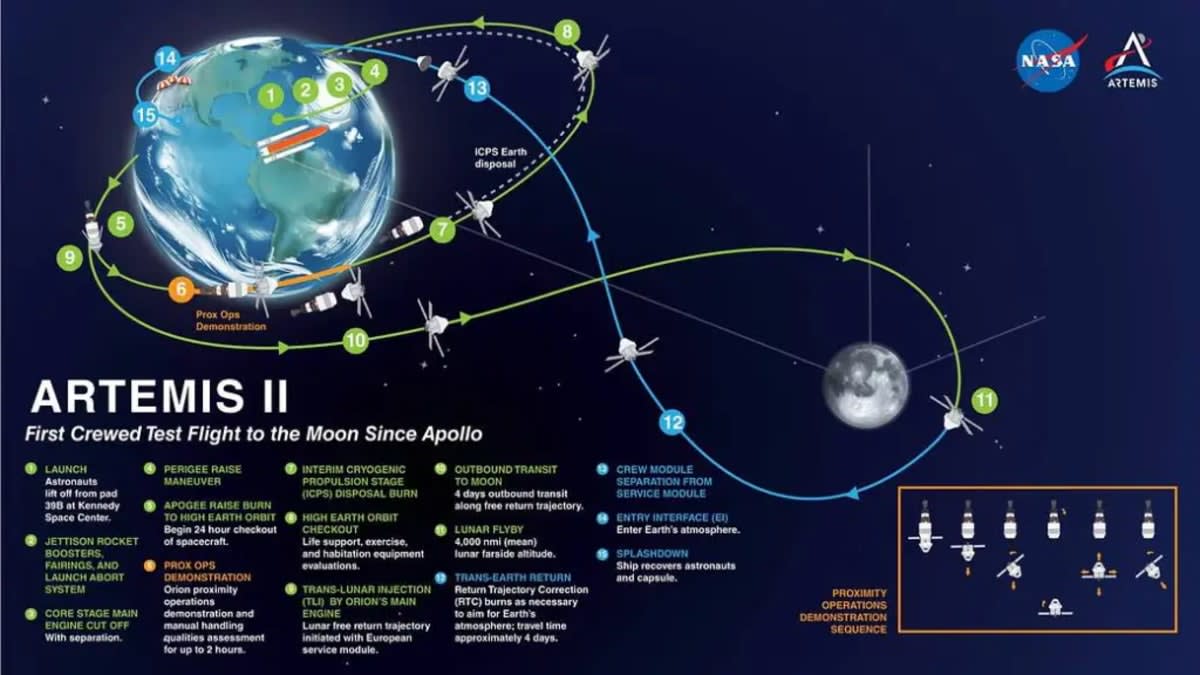
On February 25, NASA rolled back the SLS rocket and Orion spacecraft into the Vehicle Assembly Building at Kennedy Space Center for further repair after two wet dress rehearsals. Apart from the helium leak, the teams are also replacing flight termination system batteries and the tail service mast umbilical seals, while also performing end-to-end range safety testing, as revealed in the latest press briefing. Given that both Artemis I and II are facing similar problems and delays, it makes sense that launch cadence has taken priority if humans intend to not just go back to the Moon, but also set up a base there.
More on Starlust
NASA finally rolls back Artemis II SLS rocket to the Vehicle Assembly Building—here's what's next
The anomalies NASA faced during Artemis II second wet dress rehearsal