Artemis III update: NASA ships final solid rocket booster segments for SLS to Kennedy Space Center
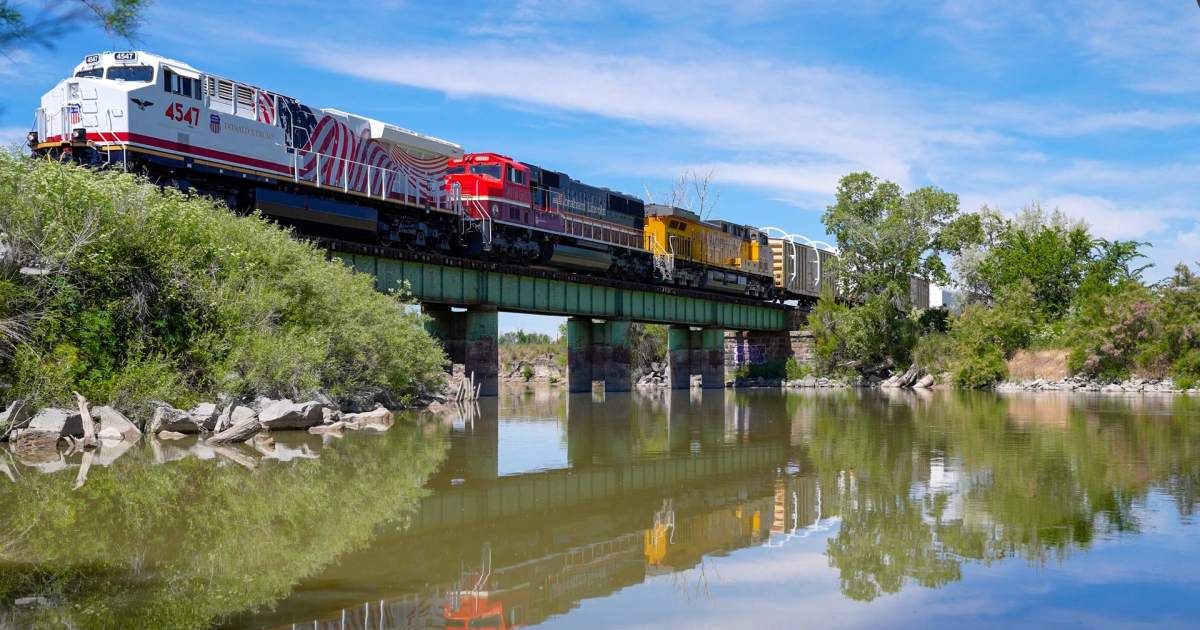
NASA, on June 2, 2026, shipped the last of the solid rocket booster segments of the Space Launch System (SLS) rocket to be used for the Artemis III mission, according to the agency. These components were shipped via train from Northrop Grumman's Railyard Shipping Facility in Corinne, Utah. Set to be delivered to the Kennedy Space Center in Florida, the cargo included eight segments for integration into the twin solid rocket boosters (SRBs). They are the most powerful solid propellant boosters to ever take flight, and will help launch a crew of four into space for testing the spacecraft that will eventually land humans on the Moon after more than five decades.
Rolling down the rails🚂
— NASA Marshall (@NASA_Marshall) June 4, 2026
Eight booster motor segments for @NASAArtemis III are on their way from Utah to @NASAKennedy, hauled by Union Pacific’s new locomotive honoring America’s 250th anniversary.
The SLS boosters will provide 75% of the thrust at launch.
MORE:… pic.twitter.com/0GpRkvu2Nj
In terms of logistics, this news follows just over a month after the arrival of the rocket's central core stage at KSC. Working in tandem with the four RS-25 engines that form part of the core stage, these SRBs push the rocket's total lift-off thrust to 8.8 million pounds. This makes SLS the most powerful rocket in crewed spaceflight history, setting that record with the successful April launch of Artemis II. During the previous two launches of SLS, which are the only two times the rocket has flown (including the uncrewed Artemis I), the SRBs were expended within seconds of crossing the two-minute mark after lift-off. Despite their use for such a brief fraction of the entire mission, the boosters provide over three-quarters of the total thrust in the initial stages of the SLS rocket's ascent to space.
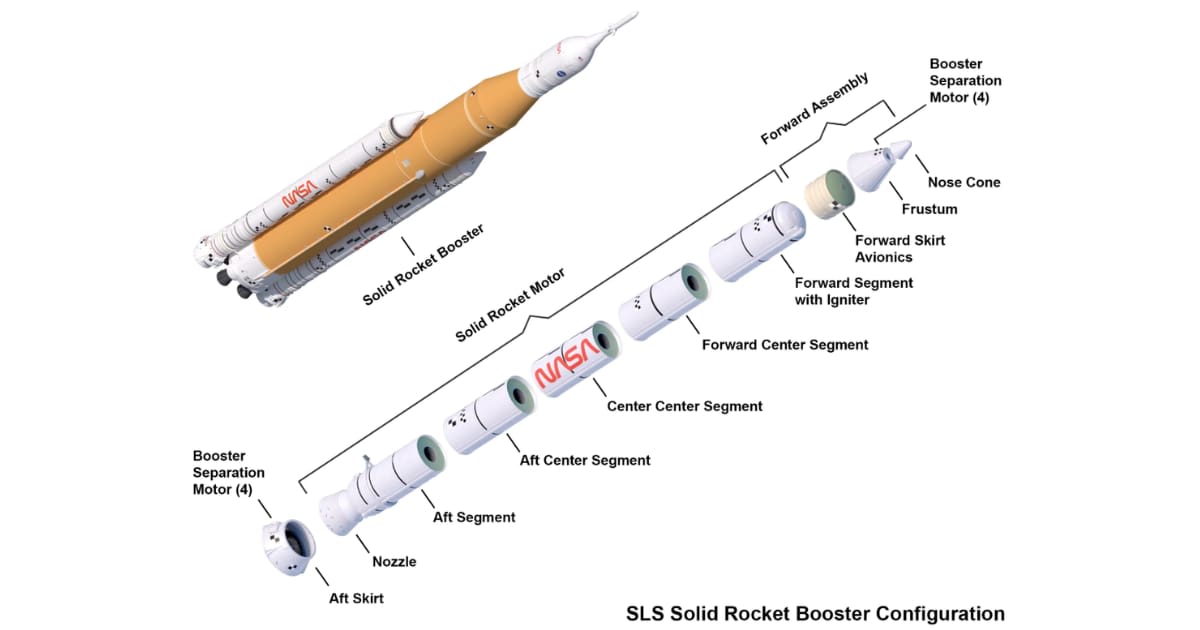
Once they arrive at Cape Canaveral, the booster segments are expected to be unloaded and integrated with the rest of the SLS rocket inside the Vehicle Assembly Building. The two boosters reach up to a height of 177 feet and are 12 feet in diameter. Each SRB generates 3.6 million pounds of thrust, using polybutadiene acrylonitrile as a propellant. The design of these SRBs draws on years of spaceflight experience gained from NASA's earlier Space Shuttle launches, and combines previous iterations with modern tweaks to fit the needs of the Artemis missions. This includes the addition of a fifth segment which allows SLS to lift more cargo, making it the only rocket capable of delivering humans and cargo to the Moon in a single flight.
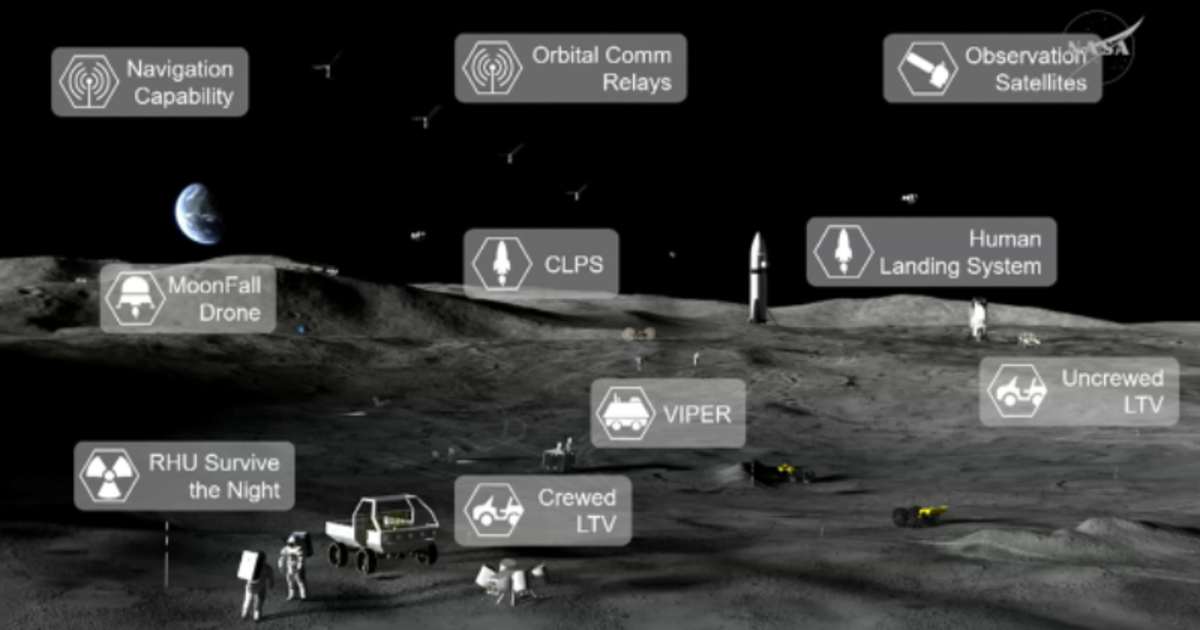
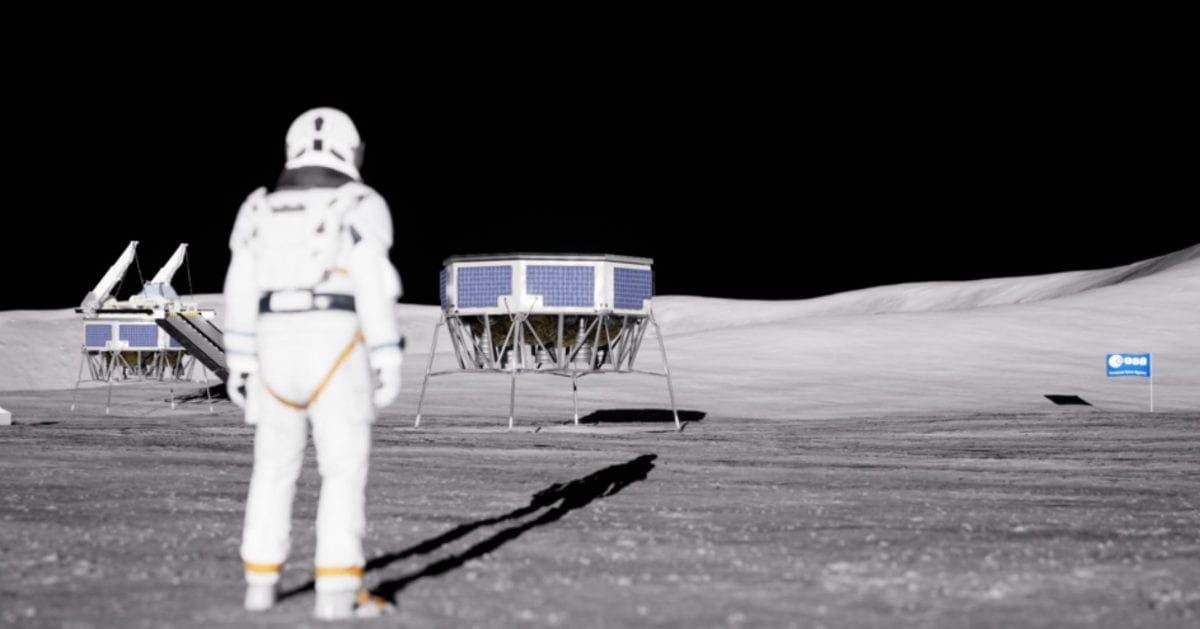
The Artemis missions will help fulfill the goal of the US and its Artemis Accords allies in the establishment of a semi-permanent Moon Base at the lunar south pole. Artemis III, which is scheduled to be launched late next year, is a crucial crewed test mission to advance these plans, and sits alongside NASA's newly announced Moon Base program. Phase I of NASA's roadmap for a lunar presence focuses on robotic exploration and scouting to pave the way for eventual human habitation on the Moon. Specifically, this phase includes the uncrewed Moon Base I, II, and III missions—slated to launch as early this year—which will prospect the lunar terrain, test new technologies, and transport cargo and science equipment to lay the groundwork for future crewed missions, including Artemis IV, which will mark the first crewed lunar landing since the Apollo era.
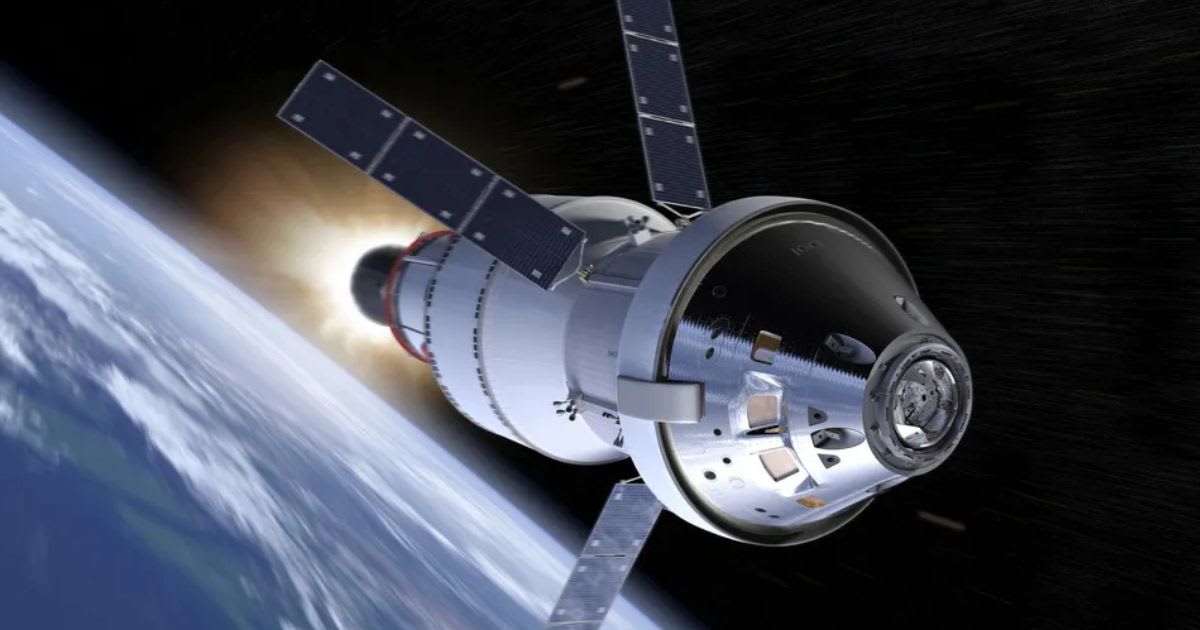
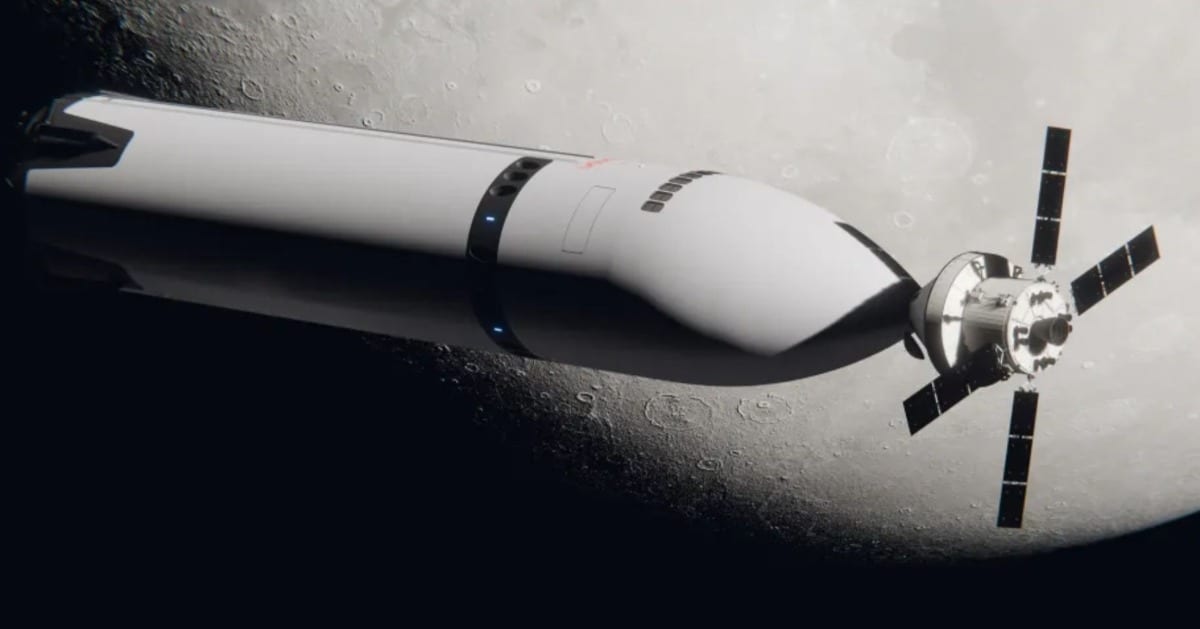
NASA is also days away from announcing the names of the four-person crew that will board the Orion capsule for Artemis III's test mission to Earth orbit. There, the crew will rendezvous Orion with one or both of the Human Landing Systems (HLS) being developed simultaneously by Blue Origin and SpaceX. Further mission specifics are yet to be released by NASA.
More on Starlust
Touching down on the Moon: How Apollo missions did it and how the Artemis program might do it again